

Standing in the skincare aisle, many mothers question if their favorite retinol cream is still safe for themselves and their little ones. Pregnancy and nursing bring new priorities, and choosing products that support both healthy skin and your baby’s development becomes essential. This guide breaks down why retinol’s safety during these stages is a hot topic, what research reveals, and how to find effective alternatives for glowing, protected skin throughout motherhood.
Table of Contents
- What Is Retinol and How It Works
- Retinol Absorption and Its Bodywide Effects
- Risks of Retinol During Pregnancy Explained
- Dangers of Retinol Use While Nursing
- Safer Skincare Alternatives for Moms
Key Takeaways
| Point | Details |
|---|---|
| Understanding Retinol | Retinol is a potent vitamin A derivative that promotes cellular renewal and addresses various skin concerns such as fine lines and acne. |
| Topical Absorption | Retinol primarily affects upper skin layers with minimal systemic absorption, making it safe for targeted skincare. |
| Pregnancy Precautions | Retinoids can disrupt embryonic development; therefore, they should be completely avoided during pregnancy and breastfeeding. |
| Safe Alternatives | Non-toxic ingredients like Bakuchiol and Niacinamide offer effective skincare solutions without the risks associated with retinol during pregnancy and nursing. |
What Is Retinol and How It Works
Retinol is a potent derivative of vitamin A that plays a powerful role in skincare and dermatological treatments. Often considered a gold standard ingredient for skin transformation, retinol works through a fascinating biological mechanism that promotes cellular renewal and rejuvenation.
Originally identified as a key vitamin A compound, retinol functions as a remarkable skincare agent by undergoing several crucial metabolic processes. When applied topically, it gets absorbed into the skin and converts into retinoic acid, which then interacts directly with skin cell receptors. This intricate process triggers multiple beneficial skin responses:
- Accelerates skin cell turnover
- Stimulates collagen production
- Reduces hyperpigmentation
- Minimizes appearance of fine lines
- Helps manage acne breakouts
The mechanism of retinol is remarkably sophisticated. By binding to specific skin cell receptors, it essentially communicates with skin cells, instructing them to behave more efficiently and youthfully. This communication pathway enables retinol to effectively address multiple skin concerns simultaneously, making it a versatile and powerful skincare ingredient.
Retinol comes in various strengths and formulations, ranging from over-the-counter products to prescription-grade treatments. The concentration typically varies between 0.01% to 1%, with higher percentages indicating more potent formulations. Dermatologists often recommend starting with lower concentrations to allow skin to gradually adapt and minimize potential irritation.
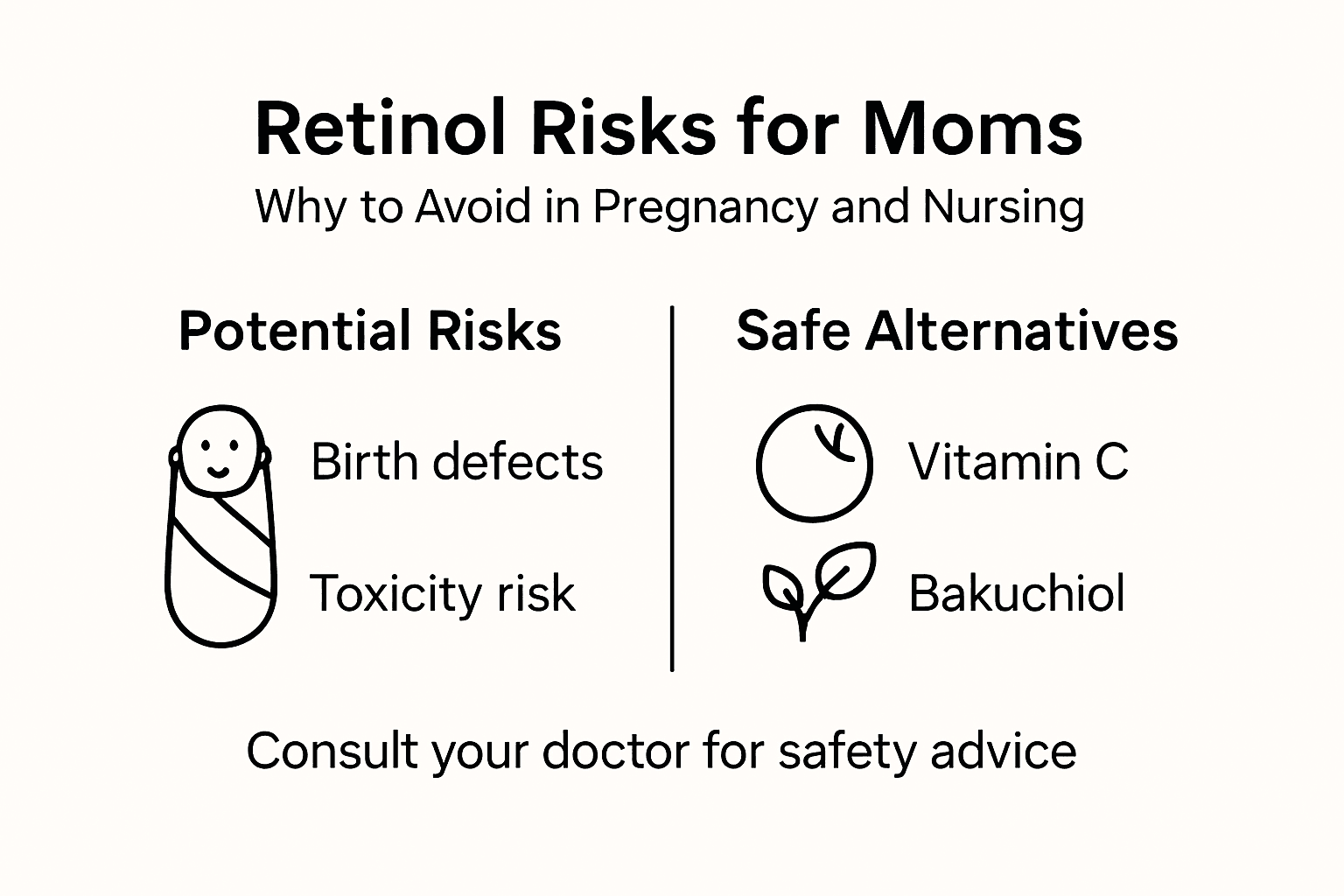
Pro tip: Always perform a patch test before incorporating retinol into your skincare routine, and introduce it gradually to allow your skin to build tolerance.
Retinol Absorption and Its Bodywide Effects
Retinol absorption is a complex process that involves multiple biological mechanisms, determining how this vitamin A derivative interacts with the human body. Understanding its absorption pathways helps clarify its potential impacts and limitations in skincare and overall physiological functioning.
Topical retinol primarily concentrates in upper skin layers, specifically targeting the stratum corneum with minimal systemic penetration. This localized action means that most of its effects remain concentrated in the skin itself, reducing concerns about widespread bodily absorption.
The absorption and metabolic journey of retinol involves several fascinating stages:
- Initial skin surface penetration
- Conversion to retinoic acid
- Interaction with cellular receptors
- Localized gene expression modification
- Targeted skin cell communication
Dietary retinol follows a different metabolic pathway, where it is absorbed through the intestine and transported via retinol-binding protein. The liver becomes the primary storage site, with subsequent distribution to various extrahepatic tissues where it can be converted into active retinoids.
Retinol’s absorption is predominantly localized, with minimal systemic distribution, making topical application relatively safe for targeted skin interventions.
While topical retinol demonstrates remarkable skin-specific effects, its bodywide absorption remains limited. This characteristic makes it an appealing option for individuals seeking targeted skincare solutions without significant whole-body metabolic disruption.
Here’s how topical and dietary retinol differ in their absorption and effects:
| Route of Administration | Area Affected | Systemic Impact | Recommended Use |
|---|---|---|---|
| Topical Application | Mainly skin layers | Minimal systemic absorption | Targeted skin concerns |
| Oral Intake | Entire body tissues | Significant systemic absorption | Nutritional supplementation |
Pro tip: Consult a dermatologist to understand your specific skin’s retinol tolerance and develop a personalized application strategy.
Risks of Retinol During Pregnancy Explained
Pregnancy represents a uniquely vulnerable period where careful attention to skincare ingredients becomes critically important. The potential risks associated with retinol during pregnancy are substantial and demand serious consideration from expectant mothers seeking safe skincare solutions.
Retinoids are definitively contraindicated during pregnancy due to their well-documented teratogenic potential. These compounds can dramatically disrupt critical developmental processes, potentially leading to significant birth defects and developmental complications.
The specific risks of retinol during pregnancy include:
- Potential disruption of embryonic cell differentiation
- Increased likelihood of congenital malformations
- Interference with normal organ development
- Potential neurological developmental challenges
- Possible skeletal formation abnormalities
Retinoic acid signaling plays a crucial role in embryonic development, making excess retinoids extremely dangerous during pregnancy. While topical retinoids have minimal systemic absorption, medical professionals universally recommend complete avoidance during pregnancy due to insufficient long-term safety data.
Even minimal retinoid exposure during pregnancy could potentially compromise fetal development, making absolute avoidance the safest approach.
Expectant mothers should understand that both oral and topical retinoid forms carry potential risks. The most conservative medical guidance suggests eliminating all vitamin A derivatives from skincare routines during pregnancy and breastfeeding to protect embryonic and infant development.
Pro tip: Consult your healthcare provider immediately if you have used retinol-containing products while pregnant or suspect potential exposure.
Dangers of Retinol Use While Nursing
Nursing mothers face unique challenges when navigating skincare routines, with retinol presenting significant potential risks that demand careful consideration. The delicate balance of infant health requires an abundance of caution when selecting skincare products during breastfeeding.

Dermatologists universally recommend avoiding retinol during the nursing period, despite limited systemic absorption. This conservative approach stems from potential theoretical risks to infant health and development.
The key concerns for nursing mothers using retinol include:
- Potential vitamin A toxicity transmission
- Uncertain long-term developmental impacts
- Risk of systemic absorption
- Possible interference with infant nutritional intake
- Lack of comprehensive safety studies
Experts emphasize the importance of minimizing infant exposure to vitamin A derivatives through breast milk. While the risk appears minimal, the potential for adverse effects outweighs any cosmetic benefits during this critical developmental period.
The safest approach is complete elimination of retinol-containing products during breastfeeding to protect infant health.
Particularly concerning are prescription-strength retinoids, which carry a higher risk of systemic absorption and potential transfer through breast milk. Medical professionals consistently advise nursing mothers to err on the side of caution and completely avoid all vitamin A derivatives in their skincare routine.
Pro tip: Consult your pediatrician and dermatologist to develop a safe, pregnancy and nursing-friendly skincare routine that protects both maternal and infant health.
Safer Skincare Alternatives for Moms
Pregnancy and nursing demand a comprehensive reevaluation of skincare routines, prioritizing ingredients that support skin health without compromising infant well-being. The goal is finding gentle, effective alternatives that nourish maternal skin while maintaining absolute safety standards.
Pregnancy-safe skincare emphasizes non-toxic, gentle ingredients that provide targeted skin benefits without potential developmental risks. These alternatives focus on supporting skin health through carefully selected compounds that deliver results without compromising maternal or infant health.
Safer skincare alternatives for mothers include:
- Bakuchiol: Natural retinol alternative
- Niacinamide: Brightening and anti-inflammatory agent
- Vitamin C: Antioxidant with gentle skin renewal properties
- Azelaic acid: Mild exfoliant with acne-controlling benefits
- Plant-based antioxidants: Gentle skin support without hormonal disruption
Non-toxic skincare brands prioritize clean formulations that avoid hormone-disrupting chemicals. This approach means selecting products free from parabens, phthalates, synthetic fragrances, and other potentially harmful substances.
Compare popular pregnancy-safe skincare alternatives to retinol:
| Ingredient | Main Benefit | Safety During Pregnancy | Notes |
|---|---|---|---|
| Bakuchiol | Supports skin renewal | Considered safe | Plant-derived option |
| Niacinamide | Improves tone and texture | Safe for all stages | Also fights redness |
| Vitamin C | Antioxidant protection | Safe for mothers | Brightens and repairs |
| Azelaic Acid | Controls acne gently | Safe for use | Mild exfoliation effect |
Clean skincare isn’t just a trend—it’s a critical health choice for mothers protecting themselves and their babies.
Understanding ingredient safety requires careful research and consultation with healthcare professionals. Mothers should approach skincare as a holistic process, recognizing that what touches their skin can potentially impact their infant’s health.
Pro tip: Always consult your healthcare provider before introducing new skincare products during pregnancy or nursing, and carefully review ingredient lists for potential risks.
Safe and Nourishing Skincare Choices for Pregnancy and Nursing Moms
Navigating skincare during pregnancy and nursing can be challenging, especially when avoiding potent ingredients like retinol that carry risks for you and your baby. This article highlights the critical need for safe alternatives that protect your skin while respecting your health and your infant’s development. If your goal is to maintain radiant, healthy skin without the dangers of retinol absorption, choosing products designed with maternal safety in mind is essential.
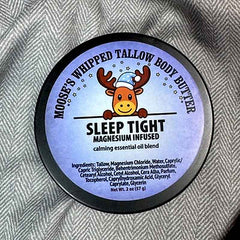
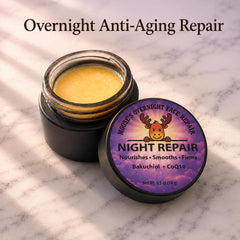
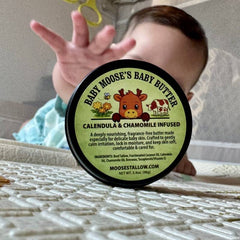
At Moose’s Tallow, we understand these concerns deeply. Our naturally nourishing formulations use carefully rendered beef tallow combined with gentle, purposeful oils and vitamins to support your skin barrier and provide deep hydration without harmful chemicals or retinoids. Experience the confidence of skincare that is effective, soothing, and safe for pregnancy and nursing periods. Explore our full collection of wholesome, trustworthy products crafted for sensitive skin at Moose’s Tallow Collection.
Ready to make a mindful switch to pregnancy- and nursing-friendly skincare that truly works? Discover what hundreds of satisfied customers celebrate and start protecting your skin today by browsing our carefully curated options at Moose’s Tallow. Your skin and your baby deserve nothing less.
Frequently Asked Questions
What is retinol, and why is it concerning during pregnancy?
Retinol is a derivative of vitamin A that can impact skin health. It’s concerning during pregnancy because it has teratogenic potential, which means it can disrupt developmental processes and lead to birth defects.
Are there any safe skincare alternatives to retinol for pregnant women?
Yes, safer alternatives include Bakuchiol, Niacinamide, Vitamin C, and Azelaic Acid, which offer skin benefits without the risks associated with retinol.
How does retinol affect nursing mothers and their infants?
Retinol can potentially transmit vitamin A toxicity through breast milk. While systemic absorption is minimal, the risks to infant health make it advisable for nursing mothers to avoid retinol altogether.
Why should pregnant and nursing mothers completely avoid retinol?
Pregnant and nursing mothers should avoid retinol due to its potential to cause serious developmental issues in infants, and there are safer alternatives that can provide skin benefits without the risks associated with retinoids.
Recommended
- 7 Tallow Skincare Myths Every Mom Should Stop Believing – Moose’s Tallow
- Eye Awake-Egg Yolk, Coffee & Bakuchiol Infused Tallow – Moose’s Tallow
- Baby Butter All Natural Tallow Balm – Moose’s Tallow
- Natural Skincare Explained: Benefits for Sensitive Skin – Moose’s Tallow
- Benefits of Retinol for the Face: A Comprehensive Guide – Claribelskincare.com
- Pregnancy-Safe Skincare: Revision Skincare Products You Can Trust.


0 comments