

Every mother knows the challenge of finding skincare that feels safe and genuinely soothing. Choosing the right product is about more than ingredients—it is about how it supports your family’s well-being, especially when you have sensitive skin or young children. Discover how scent transforms your daily routine, offering both barrier protection and emotional balance with natural tallow formulas and thoughtfully chosen fragrances. For American families, this is self-care with purpose.
Table of Contents
- Defining Scent’s Role In Skincare Routines
- Types Of Scents In Skincare Products
- Skin Safety, Sensitivities, And Regulatory Trends
- Scent’s Emotional Benefits And Consumer Appeal
- Choosing Safe And Soothing Scented Skincare
Key Takeaways
| Point | Details |
|---|---|
| Scent Enhances Self-Care | Thoughtful fragrances in skincare transform routines into meaningful self-care moments, linking physical wellness to emotional satisfaction. |
| Natural vs. Synthetic Fragrances | Prioritize natural fragrances for their lower irritation risk and added skin benefits, while being cautious of synthetic options that may contain allergens. |
| Emotional Connection Matters | Scent affects emotional responses, memory, and perceived product effectiveness, making it crucial for consumer loyalty and satisfaction. |
| Ingredient Transparency is Key | Choose brands that clearly disclose fragrance ingredients and concentrations to ensure safety, especially for sensitive skin. |
Defining Scent’s Role in Skincare Routines
Scent is far more than a pleasant smell added to your skincare products. It bridges the gap between physical care and emotional wellness, turning your daily routine into a moment of genuine self-care. Your skin absorbs the product, but your mind absorbs the experience.
When you apply a moisturizer infused with a thoughtful fragrance, multiple things happen at once. The product delivers hydration and barrier support to your skin. At the same time, scent influences emotional responses and shapes how you perceive the product’s effectiveness—and even your own well-being.
How Scent Works in Your Routine
Your nose connects directly to your brain’s limbic system, the emotional center that controls mood, memory, and stress response. A carefully chosen fragrance can shift your entire experience of skincare from a chore into a ritual you actually look forward to.
Consider what happens when you open a tin of tallow lotion infused with warm spice or honeyed notes. Before it touches your skin, the scent has already calmed your nervous system. This matters because relaxation supports skin health—stress hormones like cortisol can trigger inflammation and sensitivity.
The best scents in skincare serve a dual purpose:
- Emotional grounding: Create a sensory moment that centers your mind and reduces daily stress.
- Perceived effectiveness: Influence how your brain interprets the product’s performance, enhancing satisfaction and consistency with your routine.
The Wellness Connection
Therapeutic potential of aromatherapy in skincare shows that scent promotes emotional balance while addressing physical skin needs. This integration of mental and physical wellness is what transforms a basic moisturizer into a complete self-care experience.
Mothers with sensitive skin often struggle to find products that feel both effective and comforting. Natural scents from sources like locally sourced honeycomb or essential oils offer that comfort without synthetic irritants that can aggravate already-reactive skin.
When your skincare smells genuinely good—not artificial or overwhelming—you’re more likely to use it consistently. And consistency is where real skin improvement happens.
Building Scent Into Your Ritual
The scents you choose should feel authentic to you and your family’s lifestyle. Some prefer warm, baked-good notes that evoke cozy kitchens. Others reach for cleaner, citrus-forward scents that energize morning routines.
Each time you apply a scented tallow product, you’re not just moisturizing—you’re creating an anchor point for calm in your day. That’s the true role of scent in skincare: it turns protection into presence.
Pro tip: Choose one signature scent for your routine and use it consistently; your brain will start associating that fragrance with relaxation, making even a quick application feel like a full self-care moment.
Types of Scents in Skincare Products
Not all scents are created equal. The fragrance in your skincare has a direct impact on how your skin responds and how you experience the product. Understanding the difference between scent types helps you choose products that align with your values and your family’s needs.
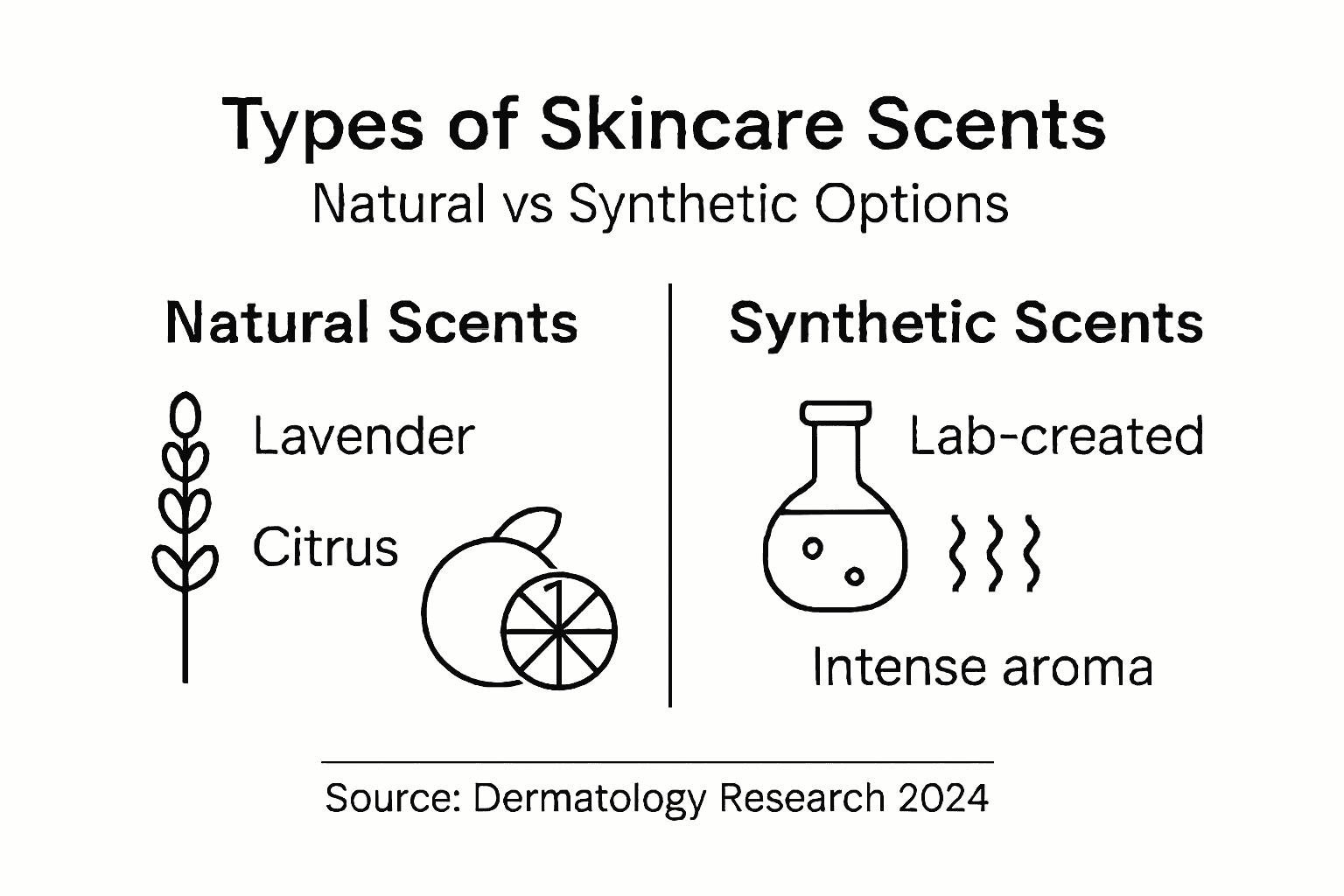
The main distinction comes down to natural versus synthetic fragrances. Natural fragrances come directly from plants through extraction methods like steam distillation or cold pressing. Synthetic fragrances are chemically created in labs to mimic natural scents or create entirely new ones.
Natural Fragrances: The Plant-Based Route
Essential oils from aromatic plants deliver both scent and bioactive benefits—antioxidants, anti-inflammatory properties, and skin-rejuvenating compounds all in one. When you use a tallow product infused with lavender or chamomile, you’re getting fragrance plus real therapeutic value.
Natural scents offer several advantages for sensitive skin:
- Lower irritation risk: Plants contain fewer synthetic chemicals that can trigger reactions.
- Bioactive support: Essential oils bring antioxidants and calming properties alongside the aroma.
- Authentic appeal: The scent feels genuine because it actually comes from nature.
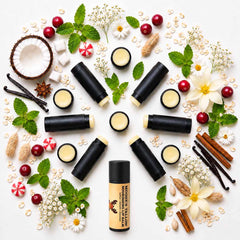
Examples of natural scents commonly used in skincare include lavender, chamomile, citrus oils, and spice-derived fragrances like vanilla or cinnamon.
Synthetic Fragrances: The Lab-Created Option
Synthetic fragrances are chemically created to mimic natural scents or produce entirely new aromas. They’re often more stable, longer-lasting, and less expensive than natural alternatives.

However, synthetic fragrances can be problematic for mothers prioritizing clean skincare. They may contain hidden irritants or allergens that don’t appear clearly on ingredient lists. Many also don’t offer the added benefits that natural botanicals provide.
Here’s a quick comparison of natural vs. synthetic fragrances in skincare products:
| Aspect | Natural Fragrances | Synthetic Fragrances |
|---|---|---|
| Source | Plant extracts and essential oils | Lab-created compounds |
| Skin Reaction Risk | Lower for most skin types | Higher allergy potential |
| Added Skin Benefits | Antioxidant and calming effects | Typically only scent |
| Transparency | Often listed by ingredient name | Can be vague or generic |
| Cost | Usually more expensive | Often less costly |
Why Moose’s Tallow Emphasizes Natural Scents
Our approach keeps essential oils and natural fragrances under 2% of the formula—enough to create real sensory impact without overwhelming sensitive skin. This concentration respects your skin’s barrier while delivering genuine aromatherapy benefits.
We pair these scents with locally sourced honeycomb and carefully rendered beef suet tallow. This combination ensures the fragrance integrates seamlessly with the nourishing base rather than clashing with it.
The best scent in skincare is one that enhances the product’s effectiveness without compromising your family’s health or triggering reactions.
Pro tip: When choosing a scented tallow product, check if essential oils are listed by name (lavender, chamomile, lemon) rather than vague terms like “fragrance blend”—this transparency signals a brand that prioritizes your skin’s needs.
Skin Safety, Sensitivities, and Regulatory Trends
Scent in skincare isn’t just about pleasure—it’s about safety. As a mother, you rightfully worry about what touches your child’s skin and what goes into your family’s daily routine. Understanding how scents affect sensitive skin and what regulations protect you matters more than ever.
The skincare industry is evolving. Regulations are tightening, consumer awareness is growing, and brands are being held accountable for their fragrance choices. This shift benefits families like yours who prioritize transparency and genuine safety.
Essential Oils and Skin Sensitivities
Essential oils present both benefits and allergenicity risks that require careful consideration when selecting scented products. Not all essential oils are safe for all skin types, especially sensitive or reactive skin.
Common concerns with fragrance include:
- Contact dermatitis: Some essential oils can trigger allergic reactions or inflammation.
- Photosensitivity: Certain citrus oils increase sun sensitivity when applied to skin.
- Barrier disruption: Highly concentrated fragrances can irritate a compromised skin barrier.
- Individual variation: What works for one person may cause reactions in another.
This is why lower concentration matters. Products using under 2% essential oils minimize irritation risk while still delivering sensory benefit.
Regulatory Shifts and Consumer Protection
International regulations now emphasize hypoallergenic formulations and comprehensive safety testing for fragrance ingredients in cosmetics. Governments worldwide are scrutinizing which scent compounds are actually safe for daily skin contact.
The European Union restricts certain fragrance allergens more strictly than the United States. Canada and Australia have their own standards. These varying requirements push responsible brands toward ingredient transparency and careful testing.
What This Means for Your Skincare Choices
Look for brands that disclose fragrance components by name rather than hiding them under vague terms. Natural skincare products designed for sensitive skin typically follow stricter safety protocols and transparency standards.
Brands like Moose’s Tallow prioritize comprehensive testing and honest ingredient disclosure. We keep essential oils minimal, list them clearly, and source them carefully to minimize allergenicity.
Regulatory trends reflect what smart mothers already know: fragrance should enhance skincare safety, not compromise it.
Pro tip: Patch test any new scented product on a small area of your inner arm for 24 hours before full application, especially if your skin is sensitive or you’re introducing it to young children.
Scent’s Emotional Benefits and Consumer Appeal
Scent is one of the most powerful tools in skincare—not because it moisturizes or heals, but because it connects you emotionally to your routine. When fragrance hits your nose, it bypasses rational thinking and speaks directly to your feelings, memories, and sense of well-being.
This emotional connection matters more than most brands admit. It’s why you reach for a certain product on a stressful day. It’s why your children ask for the lotion that smells like cookies. Scent turns skincare from obligation into ritual.
How Scent Shapes Emotional Response
Aroma boosts sensory experience by evoking positive emotions and promoting relaxation, making it a key driver of consumer satisfaction. A single whiff of lavender or warm vanilla can shift your entire mood within seconds.
This happens because scent connects directly to memory and emotion. When you smell something familiar or comforting, your brain releases dopamine and serotonin—the chemicals that make you feel calm and happy.
Scent’s emotional power includes:
- Stress reduction: Familiar scents lower cortisol and activate your parasympathetic nervous system.
- Memory activation: Fragrances trigger childhood memories and positive associations.
- Ritual enhancement: A signature scent makes your skincare feel like a personal sanctuary moment.
- Brand loyalty: Emotional connection through scent keeps you coming back.
Scent’s Influence on Consumer Decisions
Scent significantly influences consumer emotions, memory, and decision-making in ways that shape perceived product effectiveness and well-being. You don’t just think a product works—you feel it works because it smells right.
Mothers especially understand this. When a tallow lotion smells warm and genuine, you trust it more. You’re more likely to use it consistently. You’re more willing to recommend it to friends.
This isn’t manipulation. It’s authenticity. A product that smells like care and craftsmanship actually reflects those qualities in its formulation.
Why Moose’s Tallow Prioritizes Intentional Scent
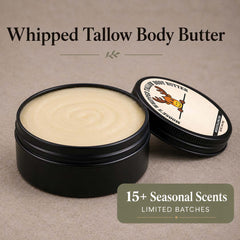
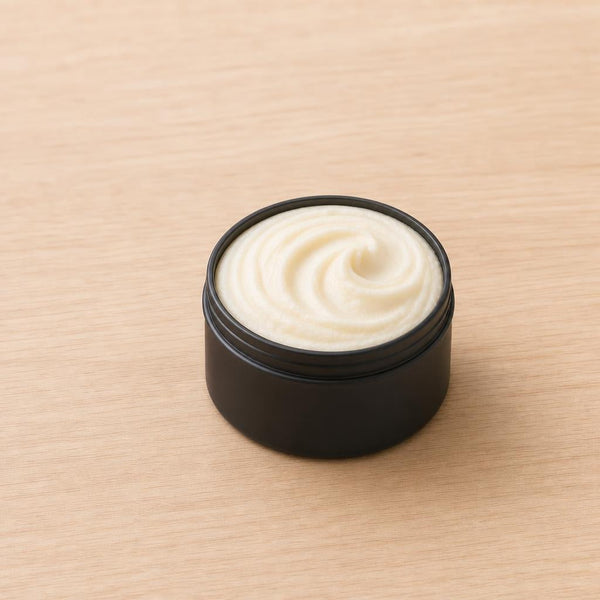
We understand that scent is part of the promise. When you open a tin of our whipped honeycomb tallow and smell locally sourced honeycomb or genuine essential oils, you’re smelling integrity. No synthetic masks. No overwhelming fragrance masking poor ingredients.
Our scents enhance well-being, not replace it. They support your emotional health while the tallow foundation supports your skin.
The right scent makes you want to use your skincare every single day—and consistency is where transformation happens.
Pro tip: Choose a scented tallow product that makes you pause and smile when you open it; that emotional response signals a fragrance that will genuinely improve your daily routine and support your well-being.
Choosing Safe and Soothing Scented Skincare
Not every scented product belongs on your skin or your family’s skin. The right choice depends on understanding ingredient transparency, knowing which scents actually soothe, and recognizing what makes a formula genuinely safe for sensitive skin.
This section teaches you how to evaluate scented skincare with confidence so you can make choices that protect your skin barrier while delivering emotional wellness.
Look for Calming, Anti-Inflammatory Scents
Essential oils known for calming and anti-inflammatory effects should be prioritized when selecting scented skincare for sensitive skin. Not all scents are created equal—some actually support healing while others irritate.
The best soothing scents include:
- Lavender: Reduces stress and supports skin healing without irritation.
- Chamomile: Calms inflammation and promotes relaxation simultaneously.
- Cedarwood: Grounding scent with antimicrobial properties.
- Frankincense: Ancient choice for skin rejuvenation and emotional balance.
These aren’t just pleasant—they’re functional ingredients that genuinely support your skin’s well-being.
This overview highlights popular soothing scents and their unique skincare benefits:
| Scent | Main Benefit | Additional Effect |
|---|---|---|
| Lavender | Calms irritation | Supports healing |
| Chamomile | Reduces inflammation | Promotes relaxation |
| Cedarwood | Antimicrobial properties | Provides grounding |
| Frankincense | Skin rejuvenation | Balances emotions |
Verify Ingredient Transparency
A brand that hides fragrance behind vague terms like “fragrance blend” isn’t being honest with you. Safe, soothing skincare discloses which essential oils it uses and in what concentration.
When shopping, ask yourself: Can I identify each scent ingredient by name? Does the brand explain why those specific oils were chosen? Does the formulation balance fragrance with barrier-supporting ingredients like locally sourced honeycomb or beef suet tallow?
Natural aromatic plants with antioxidant and healing properties should be chosen for their functional benefits alongside sensory appeal. This means the scent serves dual purpose—emotional comfort and skin support.
Check the Concentration and Base Formula
Scent concentration matters more than scent type. Products keeping essential oils under 2% minimize irritation risk while still delivering genuine aromatherapy benefit.
Equally important is the base formula. A high-quality tallow moisturizer with fractionated coconut oil or jojoba as carriers protects your skin barrier while the scent delivers emotional wellness. Poor bases with fillers will irritate your skin regardless of how gentle the fragrance is.
The Moose’s Tallow Approach
We choose scents that genuinely serve your family’s well-being. Every formula balances minimal, intentional fragrance with powerful nourishing ingredients. You’re not paying for synthetic masks covering weak formulations.
When you choose tallow moisturizer naturally for healthier skin, you’re choosing products where scent enhances rather than masks the core benefit.
Safe, soothing scented skincare feels good on your skin and smells authentically comforting—never overwhelming or artificial.
Pro tip: Before committing to a full product, request a sample or purchase the smallest size; test it for 3-5 days to ensure both the scent and formula feel right for your skin before investing in larger quantities.
Elevate Your Skincare Ritual with Thoughtful Scent and Nourishing Care
The article highlights how scent is more than just a fragrance in your skincare routine it plays a key role in emotional wellness and skin health. If you find yourself seeking a skincare product that not only deeply moisturizes but also supports relaxation and consistency through authentic natural scents Moose’s Tallow offers exactly that. With carefully balanced essential oils under 2% and signature scents like locally sourced honeycomb our handcrafted formulas transform skincare into a comforting daily ritual without irritating sensitive skin.
Discover the difference of small-batch, intentional fragrance paired with nourishing beef tallow that absorbs effortlessly and leaves no greasy residue. Whether you prefer the rich warmth of our Whipped Honeycomb Tallow or the gentle benefits of Egg Yolk Oil Infused Items explore how scent can enhance your skin’s health and your well-being. Ready to experience skincare that truly feels like self-care visit our Handmade Small-Batch Skincare collection and find your perfect signature scent today. Consistency and care start here so bring a little warmth and presence to your routine now at https://moosestallow.com/collections/all-products
Frequently Asked Questions
How does scent affect my skincare routine?
Scent enhances your skincare routine by bridging the gap between physical care and emotional wellness. A pleasant fragrance can make applying products feel more like a personal ritual, potentially reducing stress and increasing consistency in usage.
What are the benefits of using natural fragrances in skincare?
Natural fragrances deliver both pleasant scents and therapeutic benefits, such as antioxidants and anti-inflammatory properties. They often have lower irritation risks compared to synthetic fragrances, making them suitable for sensitive skin types.
Why should I be concerned about synthetic fragrances in my skincare products?
Synthetic fragrances can contain hidden irritants or allergens and typically do not offer additional skin benefits. They may also cause higher allergy potential and may not be fully disclosed on ingredient labels, leading to transparency issues.
How can I choose scented skincare products that are safe for sensitive skin?
To choose safe scented skincare, look for clarity in ingredient lists, prioritize products using essential oils known for their calming and anti-inflammatory properties, check that fragrance concentrations are under 2%, and ensure balanced base formulas that protect your skin barrier.


0 comments