

Every mother wants skincare that feels safe and nurturing for her own sensitive skin and her child’s delicate face. Choosing a moisturizer can feel overwhelming when you want natural, non-toxic ingredients and visible results. This guide walks through how to choose a tallow moisturizer, from understanding your skin type to finding formulas that support gentle, everyday care.
Table of Contents
- Step 1: Identify Your Skin Type And Needs
- Step 2: Research Ingredient Sources And Purity
- Step 3: Compare Scent And Texture Options
- Step 4: Check Third-Party Reviews And Ratings
- Step 5: Test A Small Amount For Sensitivity
- Step 6: Evaluate Long-Term Skin Results
- Frequently Asked Questions
- Recommended
Quick Summary
If you want better results from a tallow moisturizer, start with your skin type. Then look closely at ingredient sourcing, test texture and scent preferences, read real reviews, and always patch test before full use.
| Key Takeaway | Explanation |
|---|---|
| 1. Identify your skin type first | Knowing whether your skin is oily, dry, sensitive, or normal helps you choose the right tallow moisturizer. |
| 2. Check ingredient sourcing quality | Prioritize grass-fed tallow for better nutrient density and improved skin compatibility. |
| 3. Test scents and textures thoughtfully | Different textures and fragrance levels can affect comfort, absorption, and daily use. |
| 4. Utilize third-party reviews | Verified reviews can reveal how a product performs in real-life use. |
| 5. Perform a sensitivity test first | Always patch test a new product before applying it regularly. |
Step 1: Identify your skin type and needs
Identifying your skin type is the first step in choosing the right tallow moisturizer. When you understand how your skin behaves, it becomes much easier to choose a formula that supports comfort, balance, and hydration.
Start with a simple at-home skin analysis. Think about how your skin feels after cleansing, how quickly it becomes oily, and whether it reacts easily to products or weather changes. Here are the key skin categories to consider:
- Oily Skin: Characterized by excess sebum production, shiny appearance, and potential acne
- Dry Skin: Feels tight, may appear flaky, and often needs intense hydration
- Combination Skin: Exhibits different characteristics in different facial zones
- Sensitive Skin: Prone to redness, irritation, and quick reactivity to products
- Normal Skin: Balanced moisture levels with minimal concerns
Dermatologists recommend careful product selection based on skin type. You can also compare your options with products available on our website if you want to see how simple ingredient lists are presented in real formulas.
Here’s how common skin types affect tallow moisturizer selection:
| Skin Type | Typical Concerns | Best Tallow Formulation |
|---|---|---|
| Oily | Excess shine, breakouts | Lightweight gel, minimal oils |
| Dry | Flaking, tightness | Thick cream, intense hydration |
| Combination | Mixed zones | Smooth lotion, balanced moisture |
| Sensitive | Redness, irritation | Unscented, simple ingredients |
| Normal | Few issues | Whipped cream, basic formulation |
Your skin type can change with age, season, stress, and lifestyle habits, so reassessing it from time to time is helpful.
Pro tip: Keep a simple weekly skin journal. Track texture, hydration, irritation, and product response so you can make better skincare decisions over time.
Step 2: Research ingredient sources and purity
Ingredient quality matters. The source of the tallow and the way it is rendered can affect texture, purity, scent, and how well the moisturizer performs on your skin.
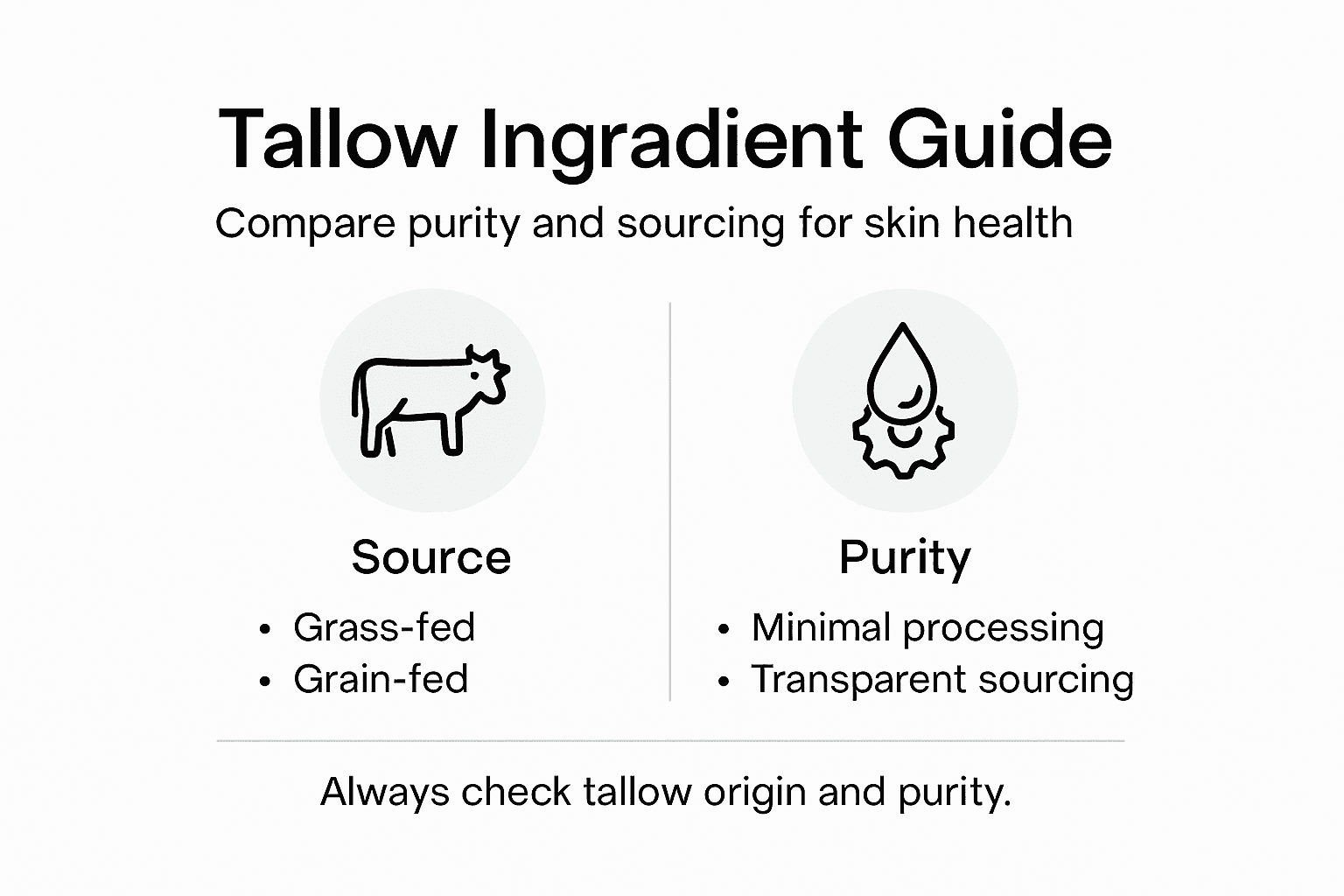
Grass-fed sourcing is often preferred because it may offer a stronger nutrient profile. Clinicians recommend prioritizing grass-fed cattle sources when possible. Look for brands that clearly explain their sourcing, rendering, and quality standards.
Key factors to investigate when researching tallow ingredient sources include:
- Origin of cattle: Grass-fed vs. grain-fed animals
- Rendering process: Dry vs. wet processing techniques
- Geographic location: Regional farming practices
- Animal welfare standards: Ethical and sustainable production
- Processing certifications: Quality control measures
Not all tallow is created equal. The source animal and the rendering process both influence the final product.
Rendering methods also matter. Proper processing techniques produce skin-compatible fat that can more closely resemble the oils naturally found in human skin. If you want an example of transparent brand communication, browse Moose’s Tallow and study how ingredient quality and formulation simplicity are presented.
Pro tip: Contact a skincare brand directly and ask how the tallow is sourced and rendered. A trustworthy company should be able to answer clearly.
Compare the key benefits of proper tallow sourcing and processing:
| Processing Feature | Grass-Fed Tallow | Grain-Fed Tallow |
|---|---|---|
| Nutrient Density | Higher vitamins & minerals | Moderate nutrients |
| Skin Compatibility | Closely mimics human sebum | Less optimal match |
| Ethical Standards | Often stricter, sustainable | Varies by producer |
| Purity | Fewer contaminants | Potential impurities |
Step 3: Compare scent and texture options
Ingredients matter, but so does the overall experience. Texture and scent can determine whether a moisturizer becomes part of your daily routine or sits unused on a shelf.
Tallow moisturizers offer a range of textures and scent profiles, and each one feels different on the skin. Common options include:
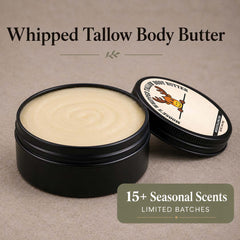
- Whipped cream consistency for light, fluffy application
- Solid balm for intense moisture and protection
- Smooth lotion for quick, easy absorption
- Lightweight gel for oily or combination skin types
- Thick cream for extremely dry or mature skin
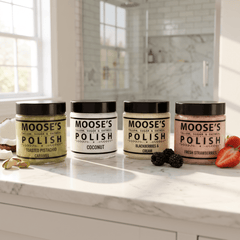
Scent options typically blend natural and subtle aromatherapeutic elements. Some people prefer unscented formulas, especially for sensitive skin, while others enjoy mild botanical notes that make skincare feel more soothing and enjoyable.
Natural tallow scents are often mild and earthy, and they usually fade quickly after application.
Consider how each texture works with your skin type, climate, and daily habits. If you want a point of comparison, you can explore textures and product styles on our website before deciding what kind of formula fits your routine best.
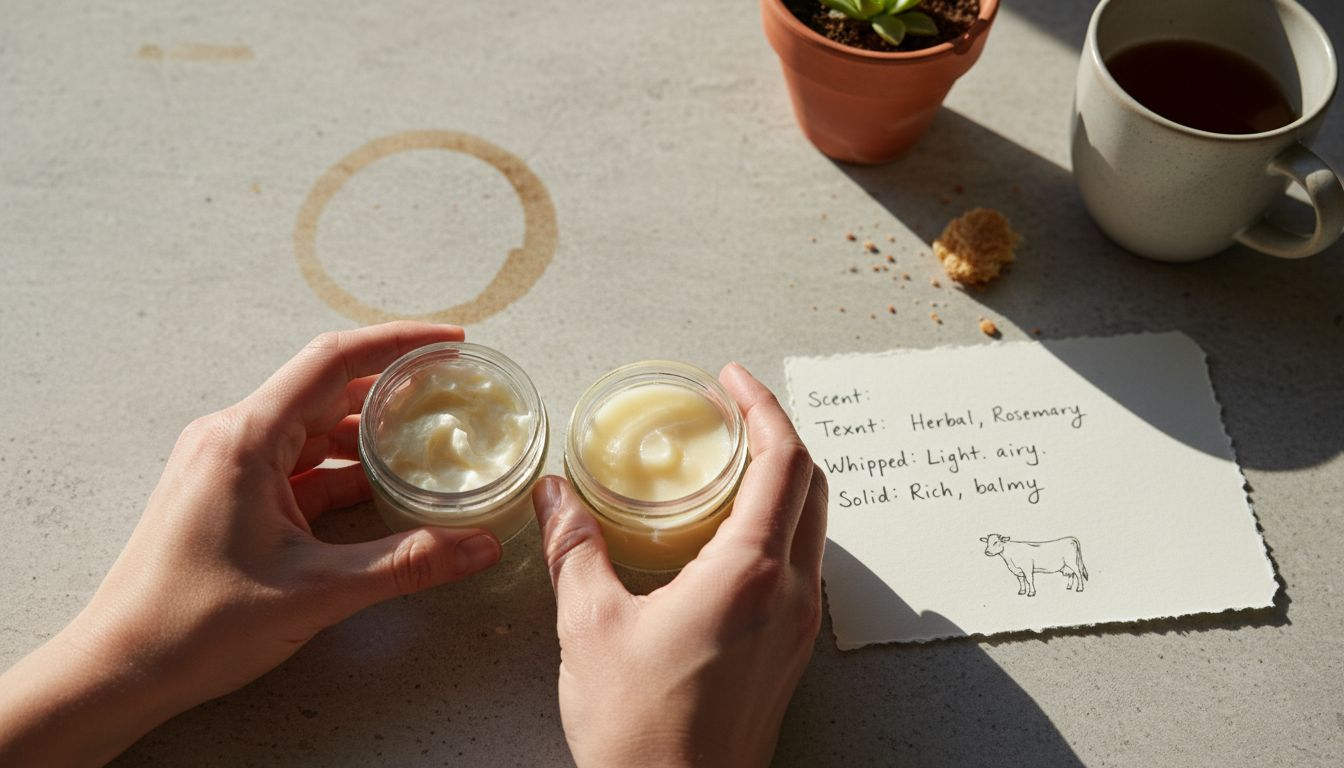
Pro tip: Whenever possible, start with a smaller size or sample so you can test texture and scent before committing to a full-size product.
Step 4: Check third-party reviews and ratings
Third-party reviews can tell you what product descriptions cannot. They show how a moisturizer performs in real homes, on real skin, and over longer periods of time.
Consumer reviews provide invaluable insights into product performance beyond marketing claims. When reading reviews, focus on patterns rather than a single opinion.
Look for these signals:
- Consistency of positive experiences
- Detailed skin improvement stories
- Specific performance metrics
- Reactions from users with similar skin types
- Long-term usage outcomes
Strong reviews often mention:
- Effectiveness for specific skin concerns
- Absorption and non-greasy feel
- Scent and texture experiences
- Customer service interactions
- Repeat purchase intentions
The best reviews are detailed, specific, and written by verified buyers whenever possible.
Compare feedback across several platforms so you get a clearer picture of product quality, consistency, and customer support.
Pro tip: Save or organize reviews that mention your skin type or concern. That makes it easier to compare products side by side later.
Step 5: Test a small amount for sensitivity
Even when a product uses simple ingredients, patch testing is still important. A quick test can help you avoid irritation and feel more confident before applying a new moisturizer regularly.
Patch testing helps prevent unexpected reactions. Use this simple process:
- Choose a small test area, such as the inside of your forearm or behind your ear
- Clean the area thoroughly
- Apply a small, pea-sized amount of moisturizer
- Wait 24-48 hours without washing the area
- Watch for any signs of irritation
Watch for these potential sensitivity indicators:
- Redness or skin inflammation
- Itching or burning sensation
- Small bumps or rash development
- Increased skin temperature
- Unusual dryness or peeling
A brief mild tingling sensation may happen, but ongoing discomfort is a sign to stop using the product.
If no reaction occurs after 24-48 hours, you can begin using the moisturizer more regularly and increase use gradually as needed.
Pro tip: Patch test in the evening so you can monitor your skin overnight without disturbing the area.
Step 6: Evaluate long-term skin results
Skincare results take time. To know whether a tallow moisturizer is truly helping, track how your skin responds over several weeks instead of judging it after only a day or two.
Comprehensive skin evaluation means paying attention to more than just hydration. Track changes in comfort, texture, healing, and how your skin handles weather or irritation.
- Skin texture: Smoothness and elasticity
- Hydration levels: Overall moisture retention
- Healing capabilities: Rate of recovery from minor irritations
- Barrier function: Resilience against environmental stressors
- Visible improvements: Reduction in fine lines or uneven tone
Key metrics to track in your skincare journal:
- Take consistent progress photos
- Record application frequency
- Note any skin changes
- Document environmental factors
- Measure skin hydration levels
Consistent tracking helps you notice gradual improvements that are easy to miss day to day.
Keep expectations realistic. Most meaningful improvements appear after 4-8 weeks of steady use, especially when barrier support and hydration are the main goals.
Pro tip: Use the same lighting, angle, and camera settings for progress photos so you can compare results more accurately.
Discover the Perfect Tallow Moisturizer Tailored for Your Skin
Choosing the right tallow moisturizer starts with understanding your skin and choosing a formula made with care. That means looking at skin type, ingredient quality, scent preferences, and sensitivity before you commit to a product.
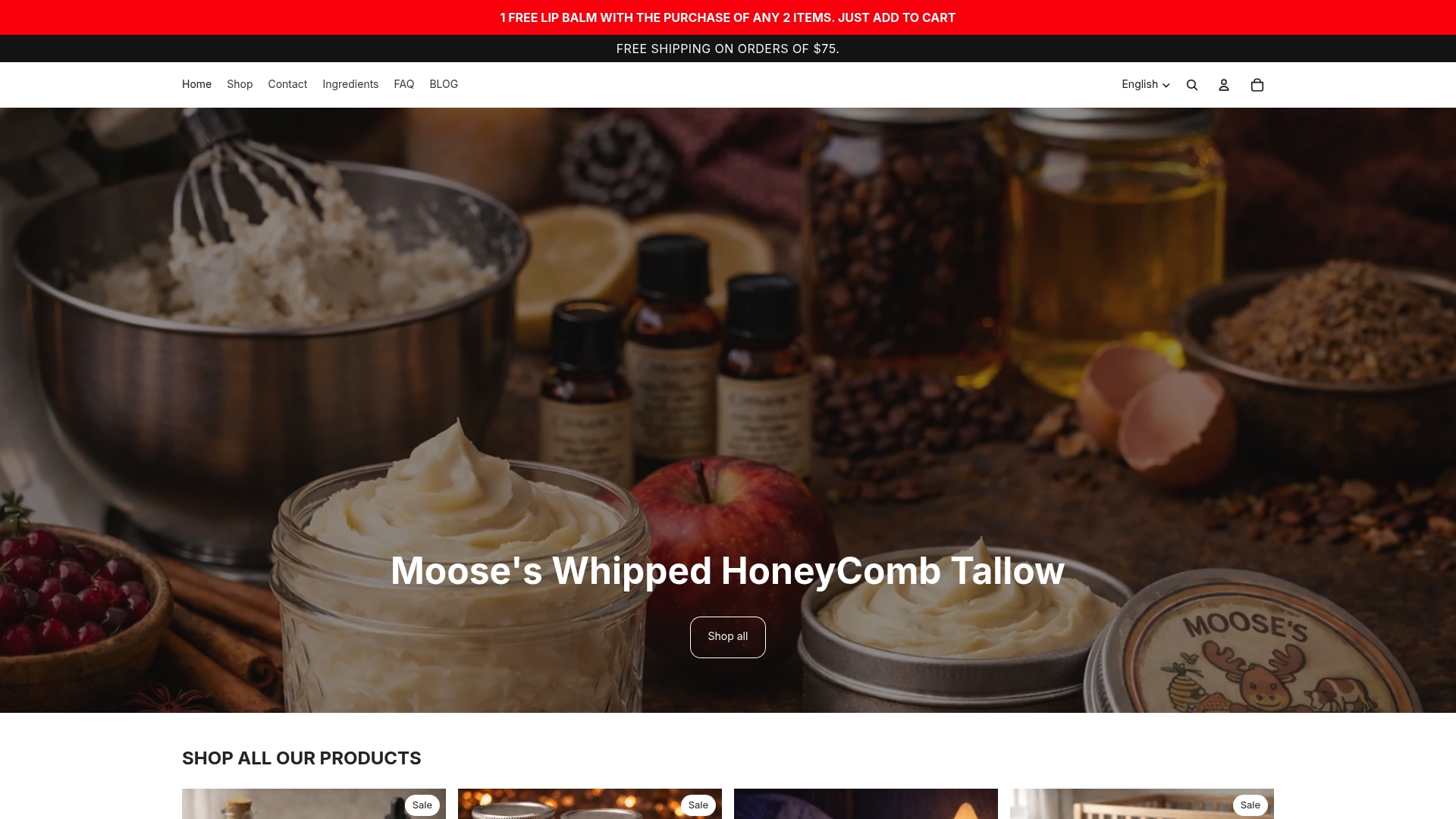
Experience handcrafted, nutrient-rich tallow made from thoughtfully rendered beef tallow sourced with transparency and ethical care. Our small-batch formulas use simple, honest ingredients designed for sensitive, dry, and combination skin. Visit our website to explore the collection and find a formula that fits your routine. If you want skincare that feels comforting, effective, and uncomplicated, Moose’s Tallow is a strong place to start.
Frequently Asked Questions
How can I determine my skin type before choosing a tallow moisturizer?
To determine your skin type, perform a simple at-home skin analysis. Identify whether your skin is oily, dry, combination, sensitive, or normal, and note how it reacts to different products and environmental conditions.
What should I look for in the sourcing of tallow for moisturizers?
Prioritize tallow made from grass-fed cattle as it tends to have higher nutrient density and purity. Investigate the rendering process and animal welfare standards to ensure you are choosing a high-quality product.
How do I compare textures and scents in tallow moisturizers effectively?
Evaluate different textures such as whipped cream, solid balm, and lightweight gel to identify what feels best on your skin. Also, consider the scent options available; you may prefer unscented formulations or light, natural fragrances that enhance your skincare routine.
What steps should I take to test a tallow moisturizer for skin sensitivity?
Perform a patch test by applying a small, pea-sized amount of the moisturizer to a discreet area of your skin. Wait 24-48 hours to monitor for any signs of irritation, ensuring that the product is suitable for regular use.
How can I track the long-term effects of using a tallow moisturizer?
Maintain a skincare journal to document changes in your skin’s texture, hydration levels, and overall health. Take progress photos every few weeks to visually assess improvements and evaluate the effectiveness of the tallow moisturizer over time.
What indicators should I monitor during my tallow moisturizer evaluation?
Pay attention to factors such as skin texture, hydration retention, and the rate of recovery from minor irritations. Monitoring these indicators over 4-8 weeks can provide valuable insight into whether the moisturizer meets your skincare needs.


0 comments