

Whipped beef tallow has one thing most lotions do not: no water. Standard lotion is mostly water, so it starts evaporating the moment it touches your skin. The relief is real, and it is short.
If you have worked through a shelf of products looking for something that lasts, blame the formula. It is usually not your skin. This guide covers the three things people ask us most. How to apply whipped tallow, how to patch test it, and what results to expect and when.
What whipped beef tallow is
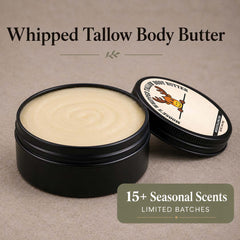
Tallow starts as rendered beef fat. The best comes from suet, the firm fat around the kidneys. Rendering means melting it slowly, straining it, and letting it cool into a clean, stable fat. Whipping adds air until it turns pale and fluffy. The result is lighter than raw tallow but still rich.
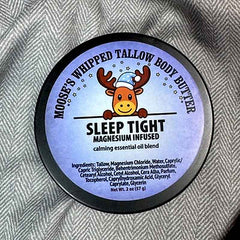
At Moose’s Tallow, the suet comes from a local butcher in Lebanon, Pennsylvania, connected to small hometown farms. We render it in-house and whip it with a little fractionated coconut oil and vitamin E. That is the whole recipe for our Naked Whipped Tallow Body Butter. Scented versions add one fragrance and nothing more.
The difference from lotion is concentration. Lotion is diluted with water and held together with emulsifiers. Whipped tallow has no water, so everything in the tin is a working ingredient.
Why it works on dry skin
Quality suet tallow carries vitamins A, D, E and K in fat-soluble form. Skin takes those up more readily than water-based versions. It is also rich in oleic, palmitic and stearic acids. Those are the same fatty acids found in your skin’s own barrier. The makeup is close to sebum. Tallow settles into the barrier instead of sitting on top of it. It slows water loss and helps skin hold the moisture it already has. Cleveland Clinic covers the science in plain terms.
Who it suits, and who should be careful
The best candidates have dry, flaking or barrier-damaged skin. Usually they have tried several lotions without lasting relief. Aging skin, which makes less oil over time, tends to respond well. Some people with eczema-prone skin find it helps between flares. Results vary, and we keep our claims modest.
Oily and acne-prone skin should be careful, especially on the face. Tallow is occlusive and can trap sebum. It is not a dealbreaker for everyone. But know it before you put a rich balm on your face without testing. Sensitive, easily inflamed skin also calls for a slow start.
How to apply whipped beef tallow
Prep
Start with clean, slightly damp skin. The leftover moisture helps the tallow spread and gives it something to seal in. Heels, elbows, knees and hands are good first spots. They are low-risk and show results fast.
Amount
Use a pea-sized scoop for an area the size of your forearm. Whipped tallow goes much further than lotion because nothing dilutes it. Warm it between your fingers until it softens, then press and smooth it in. No hard rubbing.
How often
For the body, once a day after a shower is usually enough. For hands and heels, a second layer before bed makes a visible difference within the first week. Too much on the face raises the chance of clogged pores. Too little on very dry skin will not seal well enough to help.
Patch testing: the step most people skip
Putting a new tallow product on your face or a large area? Test a small patch first. The inner forearm or behind the ear both work.
The simple way: apply a little to the same spot once a day for seven to ten days. Watch for redness, itching or texture changes. If nothing happens, widen the area. For reactive skin, use the stricter way. Cover the spot for 48 hours, then check again at four days. Thick balms can cause delayed reactions.
For the face, start at night only on clean, dry skin. Give it a full week before adding it to a daytime routine. Fewer variables mean a clearer read on what your skin is doing.
What results look like, and when
Week one to two. Skin feels less tight and more supple within a few applications. That is the seal doing its job. Do not expect a dramatic visual change yet. What you notice first is that your skin stops feeling dry again an hour after you moisturize.
Days 30 to 60. This is where the evidence piles up. After a month of daily use, most customers report visible improvement in flaking, cracking and softness. Sixty days is enough to know whether tallow works for your skin. Barrier repair is slow, but you can see it.
That is why every Moose’s Tallow product carries a 60-day guarantee. If it does not deliver, you get a refund. The window is long enough to give your skin an honest chance.
What separates a good whipped tallow from a mediocre one
Sourcing and honesty matter more than marketing words. A brand should tell you where the fat came from and how it was rendered. And what else is in the tin. Poorly rendered tallow can keep impurities that irritate skin. A strong smell is the giveaway.
Making whipped tallow at home is possible. You need rendered tallow, dry tools and a mixer. The hard part is rendering well and keeping it clean. If you want the benefits without the learning curve, buy from a small-batch maker who renders in-house. We do, in Lebanon, PA, and the label lists every ingredient.
The bottom line
Most people with chronically dry skin have not failed at moisturizing. They have been using the wrong kind of product. Whipped beef tallow is built differently. Concentrated fat, no water, and nutrients that match your skin’s own chemistry. Applying it is simple. Patch testing takes a week and is worth it.
Start with the Naked Whipped Tallow Body Butter on heels and elbows. Stay consistent for six weeks and let your skin show you what it thinks. If you want a scent, the full body butter line uses the same recipe.
Whipped beef tallow FAQ
How much whipped tallow should I use?
A pea-sized amount covers a forearm. Warm it between your fingers first. If your skin feels greasy after three minutes, you used too much.
Can I put whipped beef tallow on my face?
Yes, for dry or normal skin, at night to start. Oily or acne-prone skin should patch test for 48 hours first and go slowly.
How long does whipped tallow last?
Because there is no water, a tin keeps 12 to 18 months in a cool, dry spot. Vitamin E helps keep it fresh.
0 comments