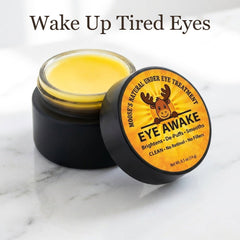
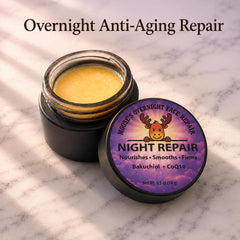


Start with a cold compress, sleep with your head elevated, and apply a gentle, water-free tallow-based balm to the under-eye area. Those three steps address the most common causes of puffiness and bags without irritating sensitive skin. The Mayo Clinic confirms that cold application and elevation are among the most practical first-line measures for under-eye swelling. The American Academy of Ophthalmology notes that most under-eye bags are cosmetic and not medically serious. Moose’s Tallow’s water-free under-eye cream offers a simple, ingredient-transparent topical option for sensitive skin.
Try these three steps today:
- Place a cool, damp cloth over closed eyes each morning to reduce puffiness.
- Add an extra pillow tonight to reduce overnight fluid pooling.
- Apply a tiny amount of a water-free, tallow-based balm to the under-eye area before bed.
Set realistic expectations. Most natural fixes are cosmetic and temporary. They reduce puffiness and improve appearance, but they do not reverse structural fat changes or deep aging. For persistent or painful swelling, a clinician’s evaluation is the right next step.
Why do under-eye bags form in the first place?
Aging is the most common structural cause. As skin and muscle tissue weaken over time, the fat that normally cushions the eye can shift forward. Fluid also pools more easily in the loose tissue below the eye. The result is that familiar puffy look, especially in the morning.
Temporary puffiness and structural bags are two different things. Knowing which one you’re dealing with helps you pick the right fix.
- Fluid retention: Puffiness that’s worse in the morning and fades by midday. Triggered by salt, alcohol, allergies, or poor sleep.
- Structural bags: Persistent fullness that stays all day. Caused by fat displacement and skin laxity from aging.
- Allergies: Swelling and puffiness tied to allergy season or specific triggers. Often comes with redness or itching.
- Genetics: Some people inherit thinner under-eye skin or a tendency toward early fat displacement.
- Lifestyle factors: Smoking accelerates collagen loss, thinning the skin and making shadows more visible. Chronic sleep deprivation and high-sodium diets compound the problem.
Morning puffiness that clears up by noon is almost always fluid-related. Bags that stay put regardless of the time of day usually have a structural component that lifestyle changes alone won’t fully resolve.
At-home remedies that genuinely help under-eye puffiness
The short answer: cold compress, head elevation, reduced evening salt, allergy management, and screen-time breaks. These address the most controllable causes of puffiness, and most people notice a difference within days to a week.
Cold compress
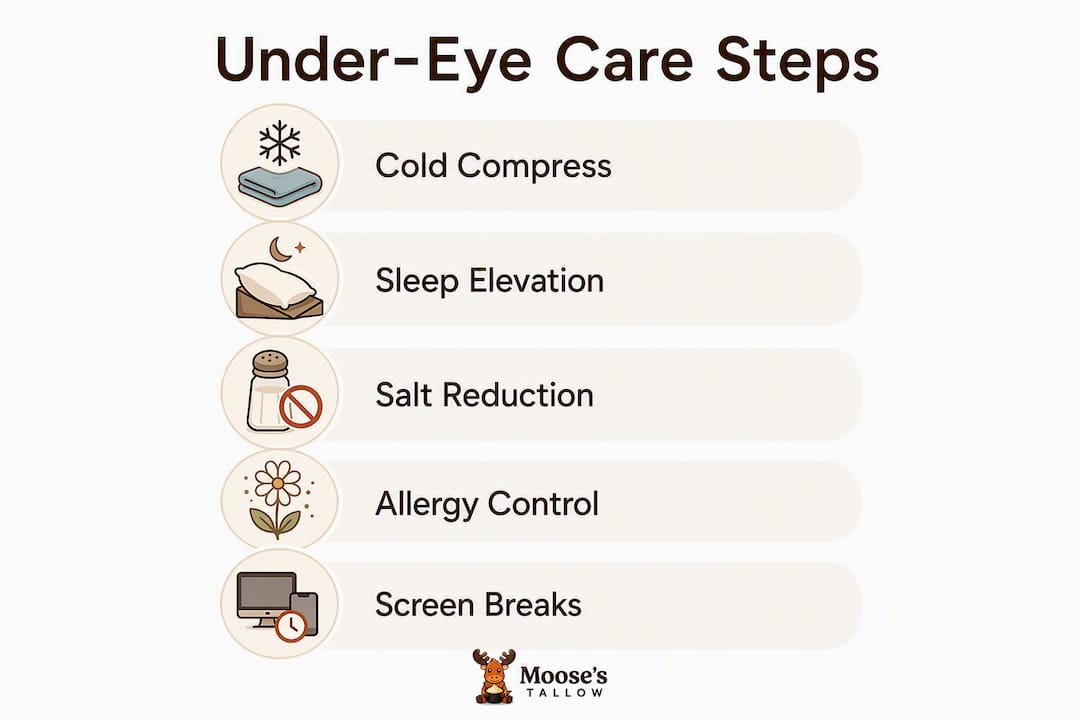
A cool, damp cloth or chilled spoon held gently over closed eyes for 5–10 minutes constricts blood vessels and reduces swelling. You can also use refrigerated cucumber slices or cooled tea bags. The tannins in black or green tea bags may add a mild tightening effect. Do this in the morning, right after waking, for the best result.
Sleep elevation
Sleeping with your head slightly elevated prevents fluid from pooling in the under-eye area overnight. One extra pillow is usually enough. If you find pillows uncomfortable, a wedge pillow under the mattress works well and stays in place.
Reduce salt and evening fluids
Cutting back on dietary salt and late-night fluid intake often shows visible improvement within days for fluid-related puffiness. Aim to finish large glasses of water by early evening. Swap salty snacks for potassium-rich foods like bananas and sweet potatoes, which help balance fluid levels.
Allergy control
If your puffiness tracks with allergy season or specific environments, managing allergens and using OTC antihistamines can reduce swelling quickly. Readers with allergy-driven bags often see the fastest cosmetic improvement by combining allergen control with cold compresses.
Screen time and eye strain
Long hours on screens increase eye strain and can worsen the look of tiredness around the eyes. Follow the 20-20-20 rule: every 20 minutes, look at something 20 feet away for 20 seconds. This reduces muscle fatigue and the squinting that deepens fine lines.
Pro Tip: Apply your cold compress before reaching for your phone in the morning. The compress works best on skin that hasn’t been warmed by screen light or a hot shower.
What topical ingredients are gentle enough for under-eye skin?
Choose water-free, minimal-ingredient balms for the under-eye area. The skin there is thinner than anywhere else on the face. It absorbs what you put on it quickly and reacts to irritants just as fast.
Ingredients to favor
- Beef suet tallow: Its fatty acid profile, particularly palmitic and oleic acids, closely mirrors human skin lipids, which supports barrier function and clean absorption.
- Fractionated coconut oil: Stable, light, and resistant to oxidation. It’s the preferred carrier in water-free formulas because it extends shelf life and absorbs without heaviness.
- Beeswax: Creates a breathable, protective layer without clogging pores.
- Vitamin E (tocopherols): An antioxidant that supports skin stability in the formula and on the skin.
- Jojoba: Lightweight and structurally similar to skin’s natural wax esters.
- Castor oil: Adds slip and helps with texture in small amounts.
- Egg yolk infused oil: Rich in fat-soluble nutrients that complement tallow’s lipid profile.
Ingredients to avoid around the eyes
Fragrances, dyes, and certain preservatives are among the most common irritants for under-eye skin. Avoid products with synthetic fragrance, alcohol high on the ingredient list, or long preservative chains. Retinoids can be effective for aging skin but require careful use near the eyes and are best introduced slowly and with guidance.
Pro Tip: Water-based creams often require preservatives to stay stable. A water-free formula sidesteps that need entirely, which means fewer ingredients overall and less risk of irritation.
Why water-free tallow formulas suit sensitive under-eye skin
Water-free, tallow-based formulas work well around the eye because they skip the fillers that cause most reactions. No water means no need for the preservatives that keep water-based products shelf-stable. Fewer ingredients means fewer chances for irritation.
Beef suet tallow’s fatty acids, stearic and oleic in particular, mirror the lipids found in human sebum. That similarity allows the formula to absorb cleanly rather than sitting on top of the skin. It supports the barrier without heavy dilution of actives.
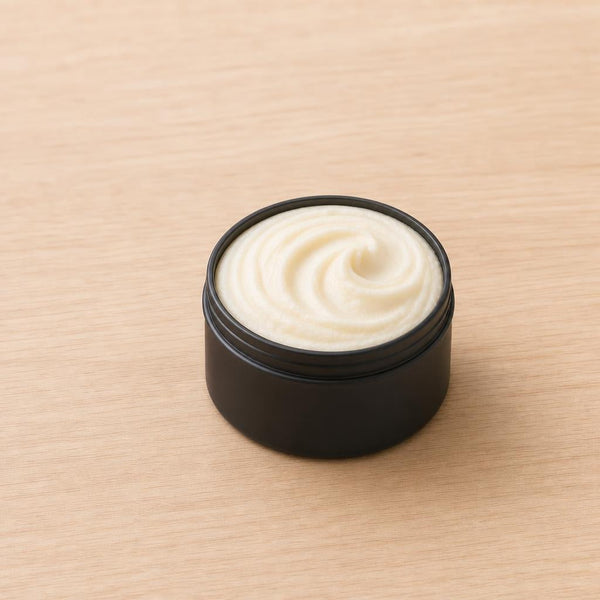
Moose’s Tallow builds its under-eye cream on properly rendered local beef suet tallow, with fractionated coconut oil as the carrier. Fractionated coconut oil is stable, resists oxidation, and keeps the texture smooth over time. Every ingredient is chosen on purpose.
Key trust signals:
- Grass-fed, locally sourced beef suet tallow rendered in Lebanon, PA.
- Small-batch, handmade production with full ingredient transparency.
- No water, no synthetic fillers, no fragrance.
- Backed by a 60-day guarantee.
For a deeper look at how tallow compares to conventional moisturizers, the beef tallow for skin guide on the Moose’s Tallow site covers the formulation logic in plain language.
How to apply under-eye treatments safely
The direct answer: patch test first, use a tiny amount, avoid direct eye contact, and tap gently upward rather than rubbing.
Step-by-step application
- Patch test. Apply a small amount of any new balm behind the ear or on the inner wrist. Wait 48 hours. If no redness or irritation appears, it’s safe to use near the eye.
- Cleanse the area. Remove all makeup and residue before applying any topical product.
- Use a cold compress first. Spend 5 minutes with a cool cloth on closed eyes. The skin will be slightly firmer and less reactive.
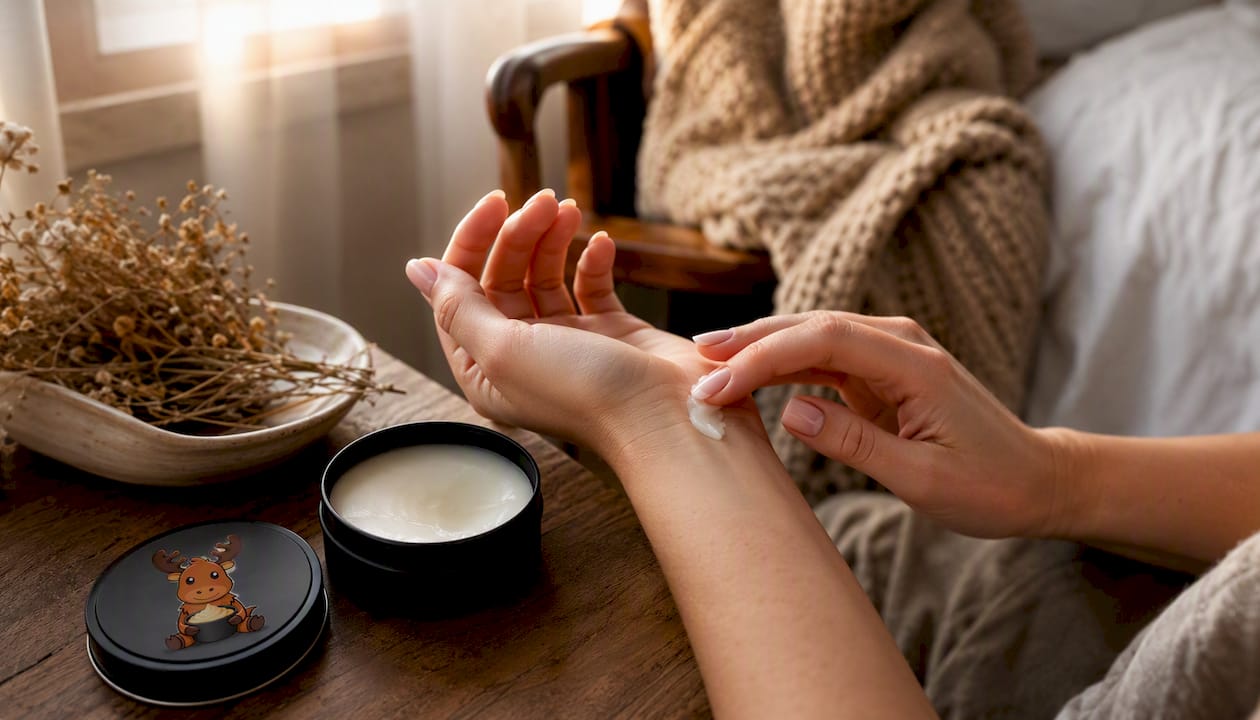
- Apply a rice-grain amount. Dot a tiny amount of tallow balm just below the orbital bone. Never apply directly on the eyelid or inside the eye socket.
- Tap, don’t rub. Use your ring finger to tap gently from the inner corner outward. The ring finger applies the least pressure naturally.
- Gentle massage. After tapping in the product, use light circular motions along the orbital bone for 30–60 seconds. This can help with lymphatic drainage and reduce fluid pooling.
Pro Tip: Apply tallow-based under-eye balm at night, not right before makeup. It needs time to absorb. Morning application works best after your cold compress, once the skin has settled.
A note on retinoids and prescription actives
Retinoids can improve under-eye skin texture over time, but they increase sensitivity and can cause irritation when used too close to the eye. If you’re using a prescription retinoid, keep it at least a centimeter from the eye margin and consult your dermatologist before layering other actives. Never combine multiple new products at once around the eye.
When should you see a doctor about under-eye bags?
Most under-eye bags are cosmetic. But some signs point to something that needs professional evaluation.
See a clinician if you notice:
- Swelling that is painful, warm to the touch, or accompanied by redness.
- Sudden puffiness in one eye only, especially with vision changes.
- Discharge, crusting, or persistent itching that doesn’t respond to allergy treatment.
- Swelling that worsens over weeks rather than improving.
For structural bags caused by fat displacement and skin laxity, medical options include injectable fillers to smooth the transition between the bag and the cheek, laser resurfacing to tighten skin texture, and blepharoplasty, a surgical procedure that repositions or removes fat and tightens the lower eyelid. These address causes that no topical product can reach. Costs and timelines vary widely depending on the procedure and provider. A board-certified dermatologist or oculoplastic surgeon is the right starting point for anyone considering these options.
The American Academy of Ophthalmology and Cleveland Clinic both offer clear guidance on distinguishing cosmetic concerns from medical ones.
A simple morning and evening routine for under-eye puffiness
Morning routine
- Splash cold water on your face or apply a cool, damp cloth to closed eyes for 5 minutes.
- Use your ring finger to tap gently along the orbital bone, working outward from the inner corner.
- Apply a light, water-free tallow balm in a tiny amount if skin feels dry or tight.
- Apply SPF or a mineral sunscreen around the eye area. UV exposure accelerates collagen loss.
- Follow with concealer only if desired. Less product layers means less irritation.
Evening routine
- Remove all makeup with a gentle, fragrance-free cleanser or micellar water.
- Apply a rice-grain amount of tallow-based under-eye balm, tapping in with the ring finger.
- Sleep with one extra pillow or a wedge to keep the head elevated.
- Keep your phone out of reach. Screen light before sleep disrupts rest and worsens morning puffiness.
Pro Tip: Set a screen-off reminder 30 minutes before bed. Better sleep quality is one of the most consistent ways to reduce under-eye puffiness over time.
Key Takeaways
Cold compress, sleep elevation, and a water-free tallow-based balm are the most practical first steps for reducing under-eye puffiness naturally, with lifestyle changes showing visible results within days for fluid-related bags.
| Point | Details |
|---|---|
| Start with cold and elevation | A cool compress and an extra pillow address fluid-related puffiness quickly, often within hours. |
| Cut salt and late fluids | Reducing evening salt and fluid intake can show visible improvement within days for fluid-driven bags. |
| Choose minimal-ingredient topicals | Water-free balms with tallow, fractionated coconut oil, and beeswax reduce irritation risk on sensitive under-eye skin. |
| Know when to escalate | Painful, sudden, or one-sided swelling with vision changes warrants a clinician’s evaluation, not a home remedy. |
| Moose’s Tallow under-eye cream | A water-free, tallow-based option with full ingredient transparency, backed by a 60-day guarantee. |
The case for simplicity in under-eye care
Most under-eye products are built around water. Water is cheap, it adds volume, and it makes a formula feel like it’s doing something. But water also requires preservatives to stay stable, and preservatives are among the most common irritants for sensitive skin. The under-eye area is the thinnest, most reactive skin on the face. Putting a 20-ingredient water-based cream there and hoping for the best is not a strategy.
When Brian Smith looked at the lotion he’d been using for years, the first ingredient was water. There were 51 more after it. He started Moose’s Tallow in Lebanon, PA, because he wanted something real. No fillers. No water as ingredient one. Just properly rendered beef suet tallow and a short list of ingredients that each earn their place.
Tallow is always the star. The fatty acid profile is close to what your skin already produces. It absorbs cleanly. It supports the barrier without sitting on top of the skin. Fractionated coconut oil carries it well, staying stable and light. Beeswax gives structure. Vitamin E protects. Jojoba, castor, and egg yolk infused oil round out the formula with purpose.
The under-eye area doesn’t need a miracle ingredient. It needs the right ones, in the right amounts, without the noise.
Moose’s Tallow makes a genuinely simple under-eye option
If you’ve read this far, you know what to look for: water-free, minimal ingredients, no fragrance, and a formula built around lipids your skin already recognizes. Moose’s Tallow’s under-eye cream is exactly that. It’s built on properly rendered local beef suet tallow, carried in fractionated coconut oil for stability and light absorption, with beeswax for texture, vitamin E for antioxidant support, jojoba, castor, and egg yolk infused oil rounding out the formula. Nothing added for show.
Every batch is handmade in Lebanon, PA. Every ingredient is listed and chosen on purpose. And every order ships with a 60-day guarantee, so you can try it without risk.
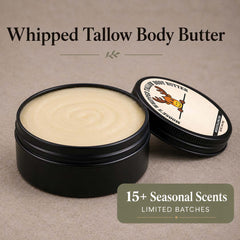
The Beef Tallow Lip Balm and Whipped Tallow Body Butter follow the same formulation logic: water-free, tallow-based, and built for sensitive skin. They’re worth exploring if you’re already rethinking what goes on your skin.
Browse the full line and read the full ingredient list for every product at moosestallow.com.
Useful sources
These are the sources referenced in this article and additional reading for anyone who wants to go deeper on under-eye care and tallow skincare.
- Bags under eyes: Symptoms and causes — Mayo Clinic’s overview of why under-eye bags form, including aging, fluid retention, and genetics.
- Bags under eyes: Diagnosis and treatment — Mayo Clinic’s practical guide to home remedies and when to consider medical options.
- How to get rid of bags under the eyes — American Academy of Ophthalmology on lifestyle factors, smoking, and cosmetic treatments.
- How to get rid of eye bags — Cleveland Clinic on allergy management, irritants, and topical product guidance.
- Beef tallow as skin care? Experts explain what’s truth and myth — National Geographic on tallow’s fatty acid profile and dermatologist perspectives.
- Beef tallow for skin care: Benefits, risks, and more — Medical News Today on fractionated coconut oil, patch testing, and tallow safety considerations.
- Best natural under eye cream for dark circles — Moose’s Tallow guide to selecting a gentle under-eye cream and understanding formulation choices.
- Gentle under eye treatments: Your natural skin guide — Moose’s Tallow practical tips and routines for under-eye care using tallow-based approaches.
FAQ
How do you fix the skin under your eyes naturally?
Start with a cold compress each morning, sleep with your head elevated, and reduce evening salt intake. For topical support, a water-free balm with tallow and fractionated coconut oil is gentle enough for daily use on sensitive under-eye skin.
Can eye bags be reversed naturally?
Fluid-related puffiness often improves significantly with lifestyle changes like elevation, hydration, and allergy control. Structural bags caused by fat displacement and skin laxity are not reversible with home remedies alone and may require a medical consultation.
What vitamin deficiency causes under-eye bags?
Iron deficiency can cause pallor that makes under-eye shadows appear darker, and vitamin K deficiency is sometimes linked to poor circulation under the eyes. That said, most under-eye bags are caused by aging, fluid retention, or genetics rather than a single vitamin deficiency.
What oil is best for bags under the eyes?
For sensitive under-eye skin, fractionated coconut oil is a strong carrier choice because it’s stable, light, and resists oxidation. Moose’s Tallow uses it as the primary carrier in its water-free under-eye formulas, paired with beef suet tallow for barrier support.


0 comments