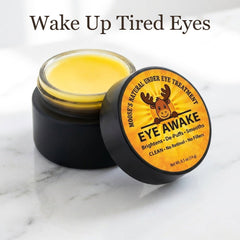
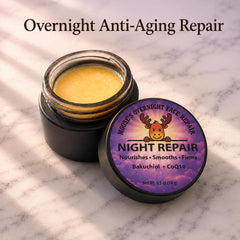


Moose’s Tallow under-eye cream is the recommended retinol-free option for anyone with sensitive, dry, or barrier-compromised skin. It starts with properly rendered beef suet tallow as the base, a fat whose fatty-acid profile sits close to your skin’s own oils. No water, no fillers, no synthetic fluff.
- Beef suet tallow supports the skin barrier and absorbs without greasiness
- Fractionated coconut oil carries the formula cleanly and resists oxidation on the shelf
- The ingredient list is short, transparent, and every item is there on purpose
Pro Tip: If you’re reading labels and can’t pronounce half the list, that’s a signal to keep looking. A short, honest ingredient list is the first green flag.
When is a retinol-free eye cream the right choice for you?
Retinol is effective for fine lines, but the skin under your eyes is thin and reactive. Retinoids can cause stinging, peeling, and redness there even when they work fine on the rest of your face. A retinol-free eye cream makes sense if any of these apply to you:
- You’re pregnant or nursing (retinoids are avoided during pregnancy)
- Your skin barrier feels compromised, tight, or reactive
- You’ve tried retinol near the eyes and experienced irritation
- You have rosacea, eczema, or chronically sensitive skin
The trade-off is real. Gentler actives tend to work more slowly than retinoids. Dermatologists note that sunscreen and antioxidant protection remain the primary tools against premature aging, and that alternatives are usually gentler but slower. That’s not a reason to avoid them. It’s a reason to set honest expectations.
Pro Tip: If you’re unsure whether retinol is safe for your skin right now, a board-certified dermatologist can give you a clear answer in one visit. Don’t guess with the eye area.
What retinol-free ingredients actually work around the eyes?
The most useful alternatives are bakuchiol, peptides, niacinamide, hyaluronic acid, ceramides, azelaic acid, vitamin C derivatives, and caffeine. Each targets a different concern.
Dermatologists consistently name bakuchiol, peptides, and niacinamide as the closest retinol alternatives, with bakuchiol often better tolerated than retinoids. Harvard Health notes that bakuchiol can improve signs of aging with less irritation, though research is still developing. For puffiness specifically, caffeine constricts blood vessels and can temporarily reduce under-eye swelling and the look of dark circles.
| Ingredient | Primary target | Tolerance | Timeline |
|---|---|---|---|
| Bakuchiol | Fine lines, firmness | Gentle | Moderate (8 weeks) |
| Peptides | Firmness, texture | Gentle | Moderate |
| Niacinamide | Dark circles, barrier | Gentle | Moderate |
| Hyaluronic acid | Hydration, plumpness | Very gentle | Fast (days) |
| Ceramides | Barrier repair | Very gentle | Moderate |
| Azelaic acid | Discoloration, tone | Mild | Moderate |
| Vitamin C derivatives | Brightening, dark circles | Mild to moderate | Moderate |
| Caffeine | Puffiness, dark circles | Gentle | Fast (hours) |
A practical guide on pairing gentler actives recommends combining bakuchiol, niacinamide, and peptides to cover multiple concerns without stacking irritation risk. That’s a smart approach for sensitive under-eyes. You don’t need every active at once. Pick two or three that match your main concern and give them time.
Pro Tip: Layer water-based actives (hyaluronic acid, niacinamide) before richer, occlusive formulas. That order helps each ingredient absorb where it’s meant to.
How do you pick a gentle, retinol-free eye cream?
Ingredient transparency is the single most important criterion. If a brand won’t show you the full ingredient list, that’s a red flag before you’ve even opened the jar.
Check the label for:
- Full INCI ingredient list (not just marketing claims)
- Fragrance-free or unscented designation
- No essential oils near the top of the list
- Airless pump or tube packaging (limits oxidation and contamination)
- Pregnancy-safe labeling if relevant
- A satisfaction guarantee or return policy
Red flags to avoid:
- Vague “natural” or “botanical” claims with no ingredient list
- Long lists with unexplained synthetic preservatives
- Jar packaging for actives that degrade with air exposure
- No contact information or sourcing transparency
Clean eye-cream reviewers evaluate texture, ingredient transparency, and visible brighteners like mica. Mica gives an immediate brightening effect, but it’s cosmetic, not a treatment. Worth knowing before you buy.
Three questions to ask before purchasing:
- Can I see the full ingredient list before I buy?
- Is the packaging designed to protect the formula from air and light?
- Does the brand offer a guarantee if my skin reacts?
A skincare ingredients guide can help you cross-reference unfamiliar actives before committing to a product.
How to use a retinol-free eye cream correctly
Morning routine:
- Cleanse and apply any water-based serum first
- Tap a small amount of eye cream around the orbital bone using your ring finger
- Let it absorb for 60 seconds before applying moisturizer
- Always follow with SPF during the day
Night routine:
- Cleanse thoroughly
- Apply any treatment serums (niacinamide, peptides) first
- Tap eye cream gently around the eye area, pressing rather than rubbing
- A slightly more generous layer is fine at night when skin repairs itself
Start with once daily for the first two weeks. Twice daily is fine once your skin has adjusted. A pea-sized amount covers both eyes. More product doesn’t mean better results, especially in this area.
Signs it’s working: skin feels softer, less tight, and the area looks more hydrated within the first week or two. Signs to stop: persistent stinging, redness, or swelling that doesn’t resolve within 24 hours.
Pro Tip: Use your ring finger to apply eye cream. It applies the least pressure of any finger, which matters for the delicate tissue around the eye.
Why tallow works as a gentle base for under-eye care
Beef suet tallow is an occlusive moisturizer that supports the skin barrier and helps prevent water loss. Used correctly, it layers well under serums and sunscreen without pilling. The fatty acids in tallow sit close to those your skin produces naturally, which is why it tends to absorb without the heavy, greasy feel of some plant-based oils.
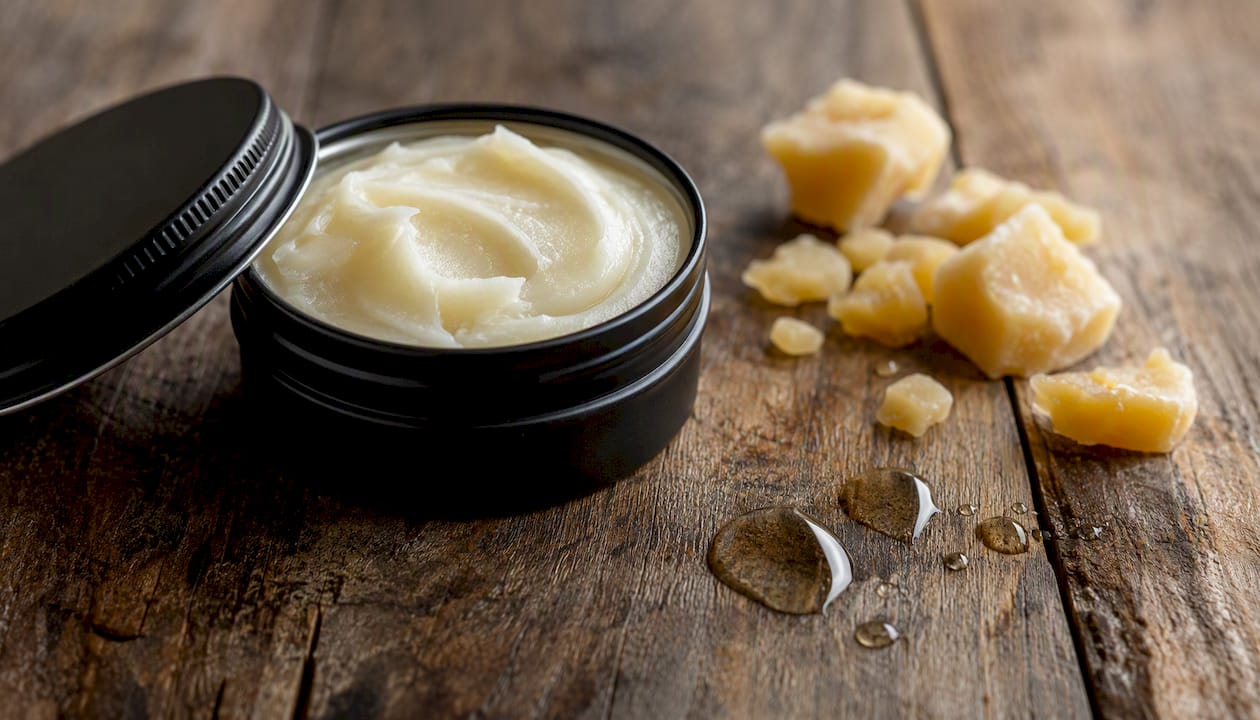
Research on tallow-based skincare notes that clinical evidence is still limited and that social-media claims often carry promotional bias. Moose’s Tallow doesn’t oversell. The honest claim is this: tallow is a clean, barrier-first base that works well for dry and sensitive skin.
Moose’s Tallow under-eye formula uses:
- Beef suet tallow (properly rendered, grass-fed, locally sourced)
- Fractionated coconut oil (preferred carrier for stability, oxidation resistance, and clean absorption)
- Beeswax (structure and gentle occlusion)
- Vitamin E / tocopherols (antioxidant protection)
- Jojoba (lightweight, non-comedogenic)
- Castor (thickening, barrier support)
- Egg yolk infused oil (natural emollients)
Every ingredient is there for a reason. Nothing is filler. The formula is water-free, which means no dilution and no need for preservatives that water-based products require. Small-batch production in Lebanon, PA means quality control stays close. Every order is backed by a 60-day guarantee.
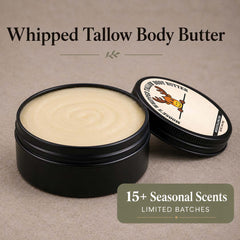
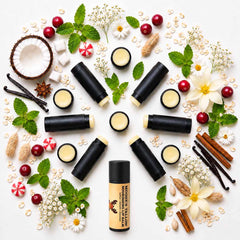
The same ingredient philosophy runs through the full Moose’s Tallow line. The Beef Tallow Lip Balm for Dry & Chapped Lips and the Whipped Tallow Body Butter share the same short, transparent ingredient list and the same commitment to no fillers.
Pro Tip: For the eye area, a lighter application works better than a heavy layer. Press a small amount around the orbital bone at night and let the tallow do its work while you sleep.
Other retinol-free eye creams worth considering
If you want to compare options before deciding, a few categories of non-retinol eye creams are worth knowing. Peptide-forward formulas from established skincare brands tend to target firmness and fine lines. Niacinamide-centered options are popular for brightening dark circles. Caffeine-based gels work well for morning puffiness. Clean beauty brands that publish full ingredient lists and use minimal synthetic additives are the most comparable to Moose’s Tallow’s approach.
When evaluating any option, apply the same checklist: full ingredient transparency, fragrance-free, stable packaging, and a return policy. A brand that hides its ingredient list or relies on vague “botanical complex” language is not giving you what you need to make a good decision.
Retinol eye creams vs. retinol-free: what’s the real difference?
Retinol accelerates cell turnover and can visibly reduce fine lines over time. It’s well-studied. The problem near the eyes is that the skin there is thin, and retinol at concentrations effective enough to work is often irritating enough to cause peeling, redness, and sensitivity. Many people who tolerate retinol on their cheeks find it too harsh directly under the eye.
Retinol-free alternatives work more gently and usually more slowly. Bakuchiol is the closest functional match, with a similar mechanism and less irritation. Peptides and niacinamide address firmness and discoloration through different pathways. The gap in speed is real, but for sensitive skin or during pregnancy, the gentler route is the right one, not a compromise.
For anyone not in a rush and prioritizing skin health over fast results, a retinol-free eye cream built on clean, barrier-supporting ingredients is a sound long-term choice.
Where to buy genuine retinol-free eye creams
Buy directly from the brand’s own website whenever possible. That’s the most reliable way to get the actual formula, not a counterfeit or an old batch sitting in a third-party warehouse. Moose’s Tallow ships directly from Lebanon, PA across the US.
If you’re buying from a retailer, check that the seller is authorized. Look for a lot number or batch code on the packaging. Counterfeit or low-quality products often have no batch information, vague ingredient lists, or packaging that doesn’t match the brand’s official photos.
Signs of a low-quality product:
- No full ingredient list on the packaging or product page
- Price significantly below the brand’s own retail price
- No return or satisfaction policy
- Seller with no verifiable contact information
For broader product comparisons and ingredient research, a face cream category resource can help you orient before you buy.
Key Takeaways
A retinol-free eye cream built on a clean, barrier-first base like beef suet tallow gives sensitive skin the hydration and support it needs without the irritation risk that retinoids carry near the eyes.
| Point | Details |
|---|---|
| Retinol-free suits sensitive skin | Pregnancy, barrier damage, and reactive skin all call for gentler alternatives to retinoids. |
| Best gentle actives | Bakuchiol, peptides, niacinamide, and caffeine cover fine lines, dark circles, and puffiness without irritation. |
| Ingredient transparency matters | Always read the full list; fragrance-free and short ingredient counts are the clearest green flags. |
| Application technique | Use your ring finger, tap gently around the orbital bone, and start once daily before increasing frequency. |
| Moose’s Tallow approach | Water-free, tallow-based under-eye cream with a short, honest ingredient list and a 60-day guarantee. |
The ingredient list is the whole story
Most people shopping for a gentle eye cream focus on the claims on the front of the package. I’d argue the back label is the only thing that matters. When Brian Smith flipped over his lotion bottle and saw 52 ingredients, water listed first, he didn’t just feel misled. He felt like the product was built around cost and shelf appeal, not around his skin.
The eye area is where that problem shows up most clearly. Brands load eye creams with actives, preservatives, and fragrance because the category commands a premium price and consumers expect complexity. But the skin under your eyes doesn’t need complexity. It needs a few carefully chosen ingredients that support the barrier, hold moisture, and absorb without irritation.
Tallow gets dismissed in some circles because it sounds old-fashioned or because the social-media conversation around it is loud and sometimes overblown. The honest answer is that it’s a solid, barrier-first base with a fatty-acid profile your skin recognizes. It’s not magic. It’s just a good ingredient used honestly. That’s the whole philosophy at Moose’s Tallow, and it’s why the under-eye formula stays short, transparent, and water-free.
Moose’s Tallow under-eye cream: clean, simple, and backed by a guarantee
If you’ve been searching for a retinol-free eye cream that shows you every ingredient and doesn’t pad the formula with water or fillers, Moose’s Tallow is worth trying. The under-eye cream is built on beef suet tallow, fractionated coconut oil, and a handful of intentional additions. Nothing hidden, nothing unnecessary.
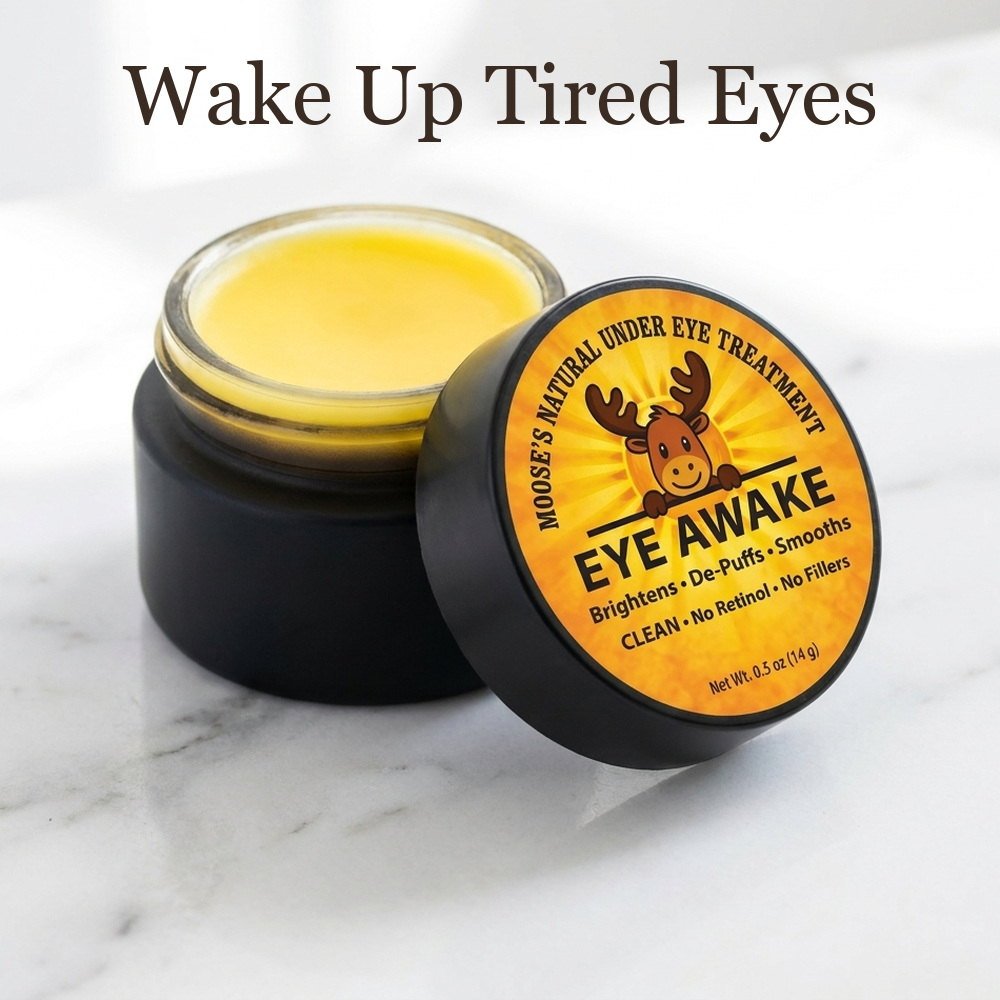
Every order comes with a 60-day guarantee. If it doesn’t work for your skin, you’re not stuck with it. That’s the kind of confidence that comes from knowing exactly what’s in the formula.
While you’re there, the Beef Tallow Lip Balm for Dry & Chapped Lips and the Whipped Tallow Body Butter share the same ingredient philosophy and work well alongside the eye cream as part of a simple, clean routine. Shop the full line at Moose’s Tallow and see what a short ingredient list actually feels like.
Useful sources
- Beef Tallow‐Based Skincare Claims in Social Media: A Cross‐Sectional Analysis — PMC
- 8 Best Retinol Alternatives for Sensitive Skin, According to Dermatologists | Allure
- Bakuchiol: Does it make skin look younger? | Harvard Health
- Benefits of caffeine for skin care | Cleveland Clinic
- Retinol alternatives | Vogue
- Beef Tallow for Skin: Benefits, Risks, and What Dermatology Science Says
- Retinol Alternatives: Bakuchiol, Niacinamide, More
- I Tested 10+ Eye Creams Made With Natural And Clean Ingredients | The Good Trade
FAQ
What is the best eye cream without retinol?
The best retinol-free eye cream for sensitive skin uses a clean, barrier-first base like beef suet tallow alongside gentle actives such as peptides, niacinamide, or bakuchiol. Moose’s Tallow’s water-free under-eye formula fits that description with full ingredient transparency and a 60-day guarantee.
What can you use under your eyes instead of retinol?
Bakuchiol is the closest plant-based alternative to retinol and is better tolerated by most sensitive skin types, according to dermatologists. Peptides, niacinamide, and caffeine each address specific under-eye concerns like firmness, dark circles, and puffiness without the irritation risk retinoids carry in that area.
Should you avoid retinol directly under the eyes?
Many dermatologists recommend caution with retinol directly on the under-eye area because the skin there is thinner and more reactive than the rest of the face. During pregnancy or with compromised skin, avoiding retinoids entirely and choosing a gentler alternative is the standard recommendation.
What do Korean skincare routines use instead of retinol?
Korean skincare routines often favor peptides, niacinamide, and fermented ingredients as gentler alternatives to retinol, prioritizing barrier health and hydration over aggressive cell turnover. These actives align closely with what dermatologists recommend for sensitive under-eye skin in any routine.


0 comments