

Finding the right skincare routine during pregnancy can feel overwhelming when every ingredient might impact your baby’s health. Many expecting mothers are surprised to learn that both oral and topical retinoids have been linked to birth defects, prompting strict guidelines from organizations like the European Medicines Agency. This article guides you through pregnancy-safe alternatives so you can care for your sensitive under-eye area with confidence and avoid the risks associated with retinol.
Table of Contents
- Retinol And Pregnancy: Core Concerns
- How Retinol Can Affect Fetal Development
- Why Experts Advise Avoiding Retinol
- Safe Natural Eye Care Alternatives For Moms
- Benefits Of Bakuchiol, Egg Yolk Oil, Coffee Oil
Key Takeaways
| Point | Details |
|---|---|
| Risks of Retinol During Pregnancy | Retinoids pose significant risks during pregnancy, including potential birth defects and developmental complications. Expecting mothers should avoid retinoid-based products entirely. |
| Natural Alternatives Recommended | Experts advise using pregnancy-safe natural ingredients like Bakuchiol and Coffee Oil, which provide effective skincare without the associated risks of retinoids. |
| Consult Healthcare Professionals | It is crucial for pregnant women to consult healthcare providers to develop a safe skincare routine focused on non-retinoid alternatives. |
| Caution with Skin Products | All skincare products should be approached with caution during pregnancy, as even topical retinoids can lead to systemic absorption and fetal harm. |
Retinol and Pregnancy: Core Concerns
Prior to conception and during pregnancy, expecting mothers face critical decisions about skincare that directly impact their unborn child’s health. Retinoids, a class of vitamin A derivatives commonly used in skincare treatments, pose significant risks that demand careful consideration and medical guidance.
The European Medicines Agency (EMA) provides clear guidance regarding retinoid usage during pregnancy. Strict pregnancy prevention measures emphasize the potential dangers of both oral and topical retinoid treatments. These recommendations stem from substantial scientific evidence linking retinoid exposure to potential birth defects.
Key risks associated with retinoid use during pregnancy include:
- Potential malformation of fetal organs
- Increased likelihood of spontaneous miscarriage
- Disruption of critical developmental processes
- Compromised neurological development
While over-the-counter retinol products contain lower concentrations, health professionals still recommend caution due to insufficient comprehensive research on their complete safety profile. The potential systemic absorption of these compounds makes them particularly concerning during pregnancy.
Specialists advise completely avoiding retinoid-based products during pregnancy and while breastfeeding. Alternative skincare options that are pregnancy-safe can effectively address common skin concerns without risking fetal health.
Here’s a comparison of retinol risks versus pregnancy-safe natural alternatives:
| Aspect | Retinol Use During Pregnancy | Natural Alternatives (e.g., Bakuchiol) |
|---|---|---|
| Safety for fetus | High risk of malformations | No known risks |
| Medical guidance | Strongly discouraged | Often recommended |
| Long-term effects | Potential developmental harm | Supports healthy skin |
| Research certainty | Limited safety evidence | Growing evidence for safety |
Pro tip: Consult your obstetrician or dermatologist before using any skincare product during pregnancy, and always prioritize natural, non-retinoid alternatives that support skin health safely.
How Retinol Can Affect Fetal Development
During pregnancy, the intricate process of fetal development can be dramatically impacted by exposure to retinoids, making understanding their potential risks critically important. Vitamin A derivatives play a complex role in embryonic growth, with even small variations potentially causing significant developmental complications.
Biochemical signaling mechanisms reveal how retinoids interact with embryonic systems, regulating gene expression through retinoic acid pathways. This molecular interaction is fundamental to understanding why retinoids can pose such substantial risks during pregnancy.
Key developmental systems most vulnerable to retinoid exposure include:
- Central nervous system formation
- Cardiovascular system development
- Cranial and facial structural development
- Limb and skeletal system growth
- Organ differentiation processes
Fetal Retinoid Syndrome emerges as a critical concern, characterized by multiple potential malformations. Toxic retinoic acid levels can disrupt critical gene pathways like Hox genes, leading to profound developmental interruptions that may cause lifelong health challenges.
The potential consequences of retinoid exposure extend far beyond immediate physical manifestations. Disruptions in embryonic gene expression can create cascading effects that impact neurological, cardiovascular, and structural development in ways that might not become fully apparent until later stages of childhood.
Pro tip: Work closely with healthcare professionals to develop a comprehensive pregnancy skincare strategy that completely eliminates retinoid-based products and focuses on safe, natural alternatives.
Why Experts Advise Avoiding Retinol
Pregnancy demands extraordinary caution when it comes to skincare, with retinol standing out as a particularly controversial ingredient. Medical professionals universally recommend avoiding this vitamin A derivative due to potential risks that extend far beyond immediate skin concerns.
Vitamin A toxicity concerns highlight the complex nature of retinol absorption during pregnancy. Even topical applications can lead to systemic absorption, creating potential pathways for fetal harm that make healthcare providers deeply cautious about recommending these products.
Key reasons experts strongly advise against retinol during pregnancy include:
- Potential for vitamin A accumulation
- Risk of systemic absorption
- Uncertain safety thresholds
- Possible developmental disruptions
- Limited comprehensive research
Caution is the primary principle when it comes to protecting fetal health during pregnancy.
Interestingly, regulatory measures emphasize careful avoidance of retinoids. While some studies suggest minimal risk from topical applications, the medical community maintains a conservative stance due to potential unknown long-term consequences.
The complexity of potential risks means that even minute exposure could potentially compromise delicate developmental processes. Pregnant women must prioritize comprehensive safety over cosmetic considerations, making complete elimination of retinol-based products the most responsible approach.
Pro tip: Consult your healthcare provider to develop a pregnancy-safe skincare routine that uses natural, non-retinoid alternatives for maintaining healthy skin.
Safe Natural Eye Care Alternatives for Moms
Pregnant women seeking gentle, effective skincare solutions have numerous natural alternatives that provide nourishment without the risks associated with retinoids. Protecting delicate eye areas requires a thoughtful approach that prioritizes safety and holistic skin health during this sensitive period.

Pregnancy-safe skin care options emphasize gentle, non-invasive ingredients that support skin’s natural healing processes. Alternative treatments focus on hydration, protection, and supporting the skin’s inherent resilience without introducing potentially harmful compounds.
Natural eye care alternatives for expecting mothers include:
- Bakuchiol oil (natural retinol alternative)
- Egg yolk infused oils
- Coffee-based eye treatments
- Jojoba oil for hydration
- Fractionated coconut oil for lightweight moisture
Natural ingredients offer gentle, effective skincare without compromising maternal or fetal health.
Unique natural solutions like bakuchiol provide a plant-based approach to skin renewal. Gentle skincare alternatives offer anti-inflammatory properties and support skin health without the risks associated with traditional retinoids.
This table outlines core benefits of pregnancy-safe eye care oils:
| Ingredient | Key Benefit | Additional Properties |
|---|---|---|
| Bakuchiol | Collagen stimulation | Anti-inflammatory effects |
| Egg Yolk Oil | Deep hydration | Rich in vitamins and minerals |
| Coffee Oil | Reduces puffiness | Potent antioxidant protection |
| Jojoba Oil | Lightweight moisture | Balances skin’s oil production |
| Coconut Oil | Skin barrier support | Gentle for sensitive skin |
Coffee oil emerges as a particularly promising eye care ingredient, offering antioxidant benefits and a delightful sensory experience. Its natural properties can help reduce puffiness and support skin elasticity without introducing harsh chemicals that might compromise maternal or fetal well-being.
Pro tip: Consult with a healthcare professional to develop a personalized, pregnancy-safe skincare routine that leverages natural, nourishing ingredients for optimal eye and skin health.
Benefits of Bakuchiol, Egg Yolk Oil, Coffee Oil
Navigating skincare during pregnancy requires carefully selecting ingredients that support skin health without introducing potential risks. Natural alternatives like bakuchiol, egg yolk oil, and coffee oil emerge as powerful solutions for expecting mothers seeking gentle, effective skin treatments.
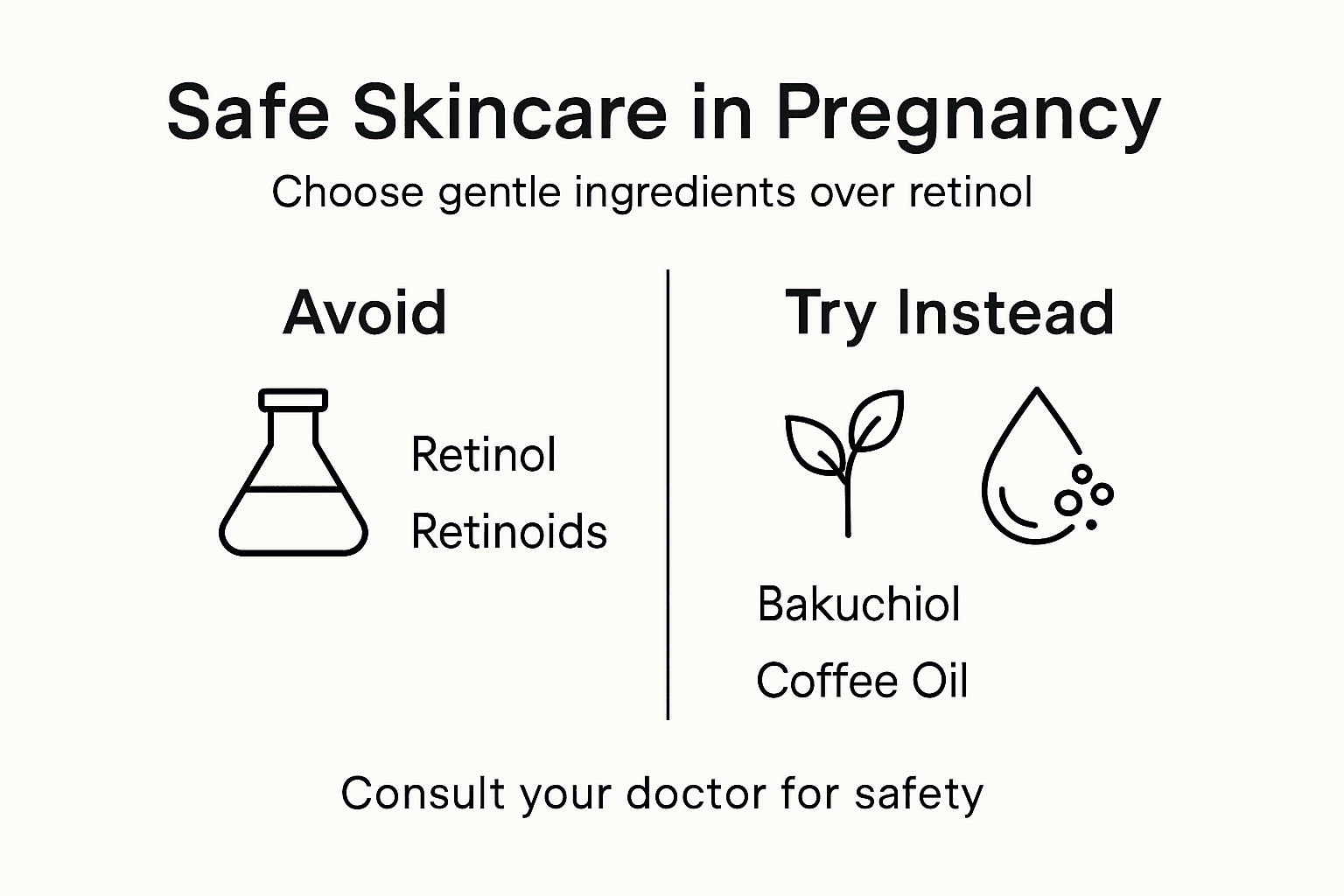
Pregnancy-safe botanical ingredients offer remarkable skincare benefits without compromising maternal or fetal well-being. These natural compounds provide targeted nourishment that mimics traditional skincare treatments while maintaining exceptional safety profiles.
Key benefits of these natural ingredients include:
- Bakuchiol: Plant-based retinol alternative
- Antioxidant-rich skin protection
- Collagen stimulation without risks
- Enhanced skin elasticity
- Anti-inflammatory properties
Natural ingredients provide powerful skincare solutions without compromising health.
Unique properties of each ingredient make them exceptional pregnancy-safe options. Bakuchiol delivers remarkable anti-aging benefits similar to retinol, stimulating collagen production and supporting skin renewal without teratogenic risks. Nutrient-rich natural oils like egg yolk and coffee oil provide additional skin-supporting compounds that enhance hydration and promote elasticity.
Coffee oil stands out with its potent antioxidant profile, offering caffeine-related benefits that support skin firmness and provide a natural, invigorating skincare experience. Its anti-inflammatory properties make it particularly valuable for sensitive skin during pregnancy.
Pro tip: Introduce these natural ingredients gradually, patch testing each to ensure individual skin compatibility and maximum effectiveness.
Embrace Safe and Nourishing Skincare During Pregnancy
Navigating the challenges of pregnancy skincare means avoiding harmful ingredients like retinol while still giving your skin the care it deserves. This article highlights the risks retinoids pose to fetal development and the importance of turning to gentle, natural alternatives. If you are seeking deeply moisturizing, non-retinol options that support your skin’s natural barrier without risking your baby’s health, consider products crafted with care and tradition.
Discover the comforting power of Moose’s Tallow, where each batch is made from rich, nourishing beef tallow combined with thoughtfully selected oils to hydrate and protect sensitive skin safely. Whether you want soothing eye care or overall skin nourishment, Moose’s Tallow offers pregnancy-safe solutions that absorb beautifully without greasiness. Explore our full range of carefully formulated products designed for modern skin at Moose’s Tallow Collection. Take the next step toward a natural, effective skincare routine that you can trust for yourself and your baby today.
Frequently Asked Questions
What are the risks of using retinol during pregnancy?
Using retinol during pregnancy can lead to significant risks, including potential malformations of fetal organs, increased likelihood of spontaneous miscarriage, disruptions in critical developmental processes, and compromised neurological development.
Are there safe alternatives to retinol for skincare during pregnancy?
Yes, there are several pregnancy-safe alternatives to retinol, such as bakuchiol, egg yolk oil, coffee oil, jojoba oil, and fractionated coconut oil. These natural ingredients provide nourishment and support skin health without the risks associated with retinoids.
What is Fetal Retinoid Syndrome?
Fetal Retinoid Syndrome results from retinoid exposure during pregnancy and can lead to various potential malformations. It disrupts critical gene pathways, particularly affecting central nervous system formation, cardiovascular system development, and cranial and facial structure.
How can I safely care for my skin around my eyes during pregnancy?
To safely care for the delicate eye area during pregnancy, consider using natural ingredients like bakuchiol oil and coffee oil. These alternatives hydrate, reduce puffiness, and support skin elasticity without the associated risks of retinol.
Recommended
- Eye Awake-Egg Yolk, Coffee & Bakuchiol Infused Tallow – Moose’s Tallow
- Natural Skincare Explained: Benefits for Sensitive Skin – Moose’s Tallow
- 7 Tallow Skincare Myths Every Mom Should Stop Believing – Moose’s Tallow
- Egg Yolk Infused Oil in Amber Dropper Bottle – Moose’s Tallow
- The power of Retinol. ZO Skin Health. Worldwide Shipping.
- Why We Love Our ‘Almost Retinol Moisturizer’ – Passé Daisy


0 comments