

Most lotion is mostly water. It feels cool going on, then it evaporates, and by noon your skin is tight again. If that is your routine, the problem is the lotion, not your skin.
Tallow cream takes the opposite approach. It has no water at all. Every ingredient in the tin stays on your skin and does a job. That is why people with dry, cracked or sensitive skin keep landing on it. Usually after years of bottles that did not last.
This post explains what tallow cream is and why it works differently from lotion. It also covers how to use it and how to pick a good one.
What tallow cream is and how it gets made
Tallow cream is a moisturizer built on rendered beef fat. The best comes from suet, the firm fat around the kidneys. Rendering is simple. The suet is melted slowly at low heat, strained, and cooled into a clean, pale fat.
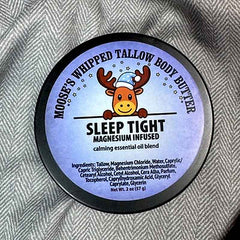
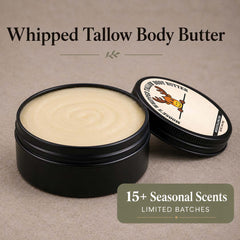
At Moose’s Tallow in Lebanon, Pennsylvania, that suet comes from a local butcher. We render it in-house in small batches. Whipping the cooled tallow with a little fractionated coconut oil turns it into a light, spreadable cream. That is the base of our Naked Whipped Tallow Body Butter. Tallow, fractionated coconut oil and vitamin E, nothing else.
Not all tallow is equal. Fat from other parts of the animal renders darker and smells stronger. If a label does not say where the tallow came from, ask.
Why tallow works on skin
Tallow carries vitamins A, D, E and K in their fat-soluble form. Skin absorbs fats more readily than water. Those vitamins reach the outer layers instead of sitting on top.
The fatty acids matter more. Tallow is rich in oleic, stearic and palmitic acids, the same building blocks found in healthy skin oil. The makeup is close to your own sebum. So a whipped tallow cream sinks in without the heavy feel thick creams leave behind. Cleveland Clinic has a plain-language overview of why dermatologists take the ingredient seriously.
Why water-based lotion keeps failing dry skin
Conventional body lotion is mostly water held together by emulsifiers and preservatives. The water gives that instant cool feeling, then it is gone. What stays behind is a thin film of the other ingredients.
For skin that is already struggling to hold moisture, that cycle can make things worse. You apply, it evaporates, you apply again. Many people notice they need lotion more often over time, not less.
Those same lotions lean on synthetic fragrance and preservatives to stay shelf-stable. For reactive skin, those extras are often the real cause of the redness. It gets blamed on “sensitive skin” instead. A water-free tallow cream does not need them. Our tins contain no parabens, phthalates or fillers.
How to use tallow cream
Start smaller than you think. A pea-sized amount covers the face. A dime covers both hands. Tallow cream is concentrated. Too much at once is what causes the greasy feeling new users complain about.
Apply it to slightly damp skin right after a shower. The tallow seals in the water that is already there. For heels, elbows and knuckles, use a little more at night under cotton socks or gloves. On the face, make it the last step after anything water-based has absorbed.
Give it two to three minutes to melt in before you get dressed. That one habit fixes most greasiness complaints.
What to expect, and when
Results are honest rather than dramatic. Most people feel less tightness and flaking within the first week. Deeper changes take longer. Fewer cracks and smoother texture usually show after two to four weeks of daily use. People who switch from drugstore lotion usually say the same thing. They reach for the tin less often, not more.
How to choose a good tallow cream
Three things separate a useful tallow cream from a trendy one.
- You can trace the tallow. A brand should name where its fat comes from. We name ours: a local butcher in Lebanon County, connected to small hometown farms.
- You can read the label. The ingredient list should be short and familiar. If you need a chemistry degree, put it back.
- Someone stands behind it. A real refund policy tells you the maker expects it to work. Every Moose’s Tallow product comes with a 60-day guarantee.
Two worries come up often. Scent: well-rendered suet tallow smells faint and clean, not beefy. Pores: tallow is rich. Oily or acne-prone skin should patch test on the inner arm for 48 hours before the face.
Who tallow cream is for, and who should be careful
Tallow cream suits dry, very dry, mature and normal skin. It shines for skin that stopped responding to lotion. It also suits sensitive skin that reacts to synthetic ingredients, and eczema-prone skin between flares. Older skin, which makes less oil over time, tends to love it. For the face at night, many customers reach for our Night Repair tallow night cream.
Oily, acne-prone or combination skin should go slowly. Tallow is occlusive and can trap sebum. Patch test first and wait 48 hours. Watch for redness or clogged pores before regular use. If you manage rosacea or a diagnosed skin condition, check with your dermatologist.
The bottom line on tallow cream
Tallow cream is not a trend. It is an ingredient people used long before the modern skincare aisle existed. Lotion was built to feel good for a few minutes and sell often. Tallow cream was built to stay on your skin and work.
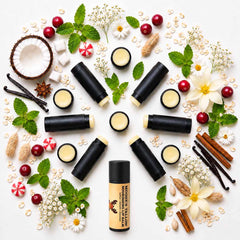
If you are curious, the 60-day guarantee removes the risk. Try the Naked Whipped Tallow Body Butter against your current lotion for a month. Let your skin decide. Chapped lips? The tallow lip balm is the easy first step.
Tallow cream FAQ
Is tallow cream the same as tallow balm?
Close. A balm is usually firmer and often includes beeswax. A tallow cream or whipped body butter is aerated and softer. It spreads and absorbs faster.
Can I use tallow cream on my face?
Many people do. Use a pea-sized amount at night and patch test first if your skin is oily or acne-prone.
Does tallow cream smell like beef?
Properly rendered suet tallow has a faint, clean scent. Our Naked scent has no added fragrance and most people cannot tell it is tallow.
0 comments