

Por Brian ("Moose"), fundador y formulador en Moose's Tallow · Última actualización: junio de 2026
El sebo de res para la piel es grasa de res derretida y purificada que se usa como humectante natural y bálsamo protector. Como sus ácidos grasos se parecen mucho a los aceites que produce tu propia piel, se absorbe limpio y ayuda a suavizar, proteger y reparar la piel seca y dañada.
Si últimamente ves el sebo de res para la piel por todas partes y no sabes si de verdad funciona o es solo moda, esta es la versión sin rodeos. Yo derrito y bato sebo en lotes pequeños a mano cada semana, así que te voy a explicar qué respalda de verdad la ciencia, dónde tienen razón los dermatólogos escépticos y cómo usar el sebo de res para la piel sin gastar de más ni provocar brotes. También encontrarás una sección honesta sobre las desventajas, porque ningún ingrediente le queda bien a todo el mundo.
Para lo más básico, nuestra guía complementaria sobre qué es el cuidado de la piel con sebo cubre los fundamentos. Este artículo se centra en los resultados, el uso y el debate con los dermatólogos.
¿El sebo de res es bueno para tu piel?
Sí. Para la mayoría de las personas con piel seca, madura o con la barrera dañada, el sebo de res es bueno para la piel. La única advertencia honesta: si eres muy propenso al acné, puede ser demasiado rico para tu rostro.
Esta es la explicación detrás de esa respuesta. El sebo de res está formado por los mismos ácidos grasos que predominan en una piel sana: ácido oleico, esteárico y palmítico. Una revisión de alcance de 2024 sobre el sebo y su biocompatibilidad con la piel concluyó que esa similitud de ácidos grasos es justo la razón por la que la grasa animal derretida se asienta tan bien en la piel humana y apoya la barrera.
Esa biocompatibilidad es la verdadera razón por la que el sebo de res para la piel se siente distinto a una loción común. La mayoría de los humectantes de farmacia son casi todo agua unida con emulsionantes; se sienten agradables durante veinte minutos y luego se evaporan. El sebo es una grasa oclusiva y densa en nutrientes, así que se queda y sigue trabajando.
Entonces, ¿el sebo de res es bueno para la piel? Para la piel seca, escamosa, quemada por el viento, propensa al eczema o que envejece, es una de las opciones eficaces más simples que puedes usar. Para la piel grasa del rostro con tendencia a los brotes, conviene tratarlo más como un bálsamo para el cuerpo y las manos que como una crema facial de uso general. Más abajo te explico exactamente por qué.
6 beneficios del sebo de res para la piel
Estos son los beneficios del sebo de res para la piel que mejor se sostienen, separados del ruido del marketing:
- Se parece a los propios aceites de tu piel. El sebo es aproximadamente entre 50 y 55 % grasa saturada (sobre todo ácido palmítico y esteárico) y entre 40 y 45 % grasa monoinsaturada (sobre todo ácido oleico), los mismos ácidos grasos que forman gran parte de la capa lipídica natural de tu piel. Esa similitud es la razón por la que se absorbe sin sentirse como una capa que queda encima.
- Aporta las vitaminas liposolubles A, D, E y K. Estas vitaminas están presentes de forma natural en la grasa de res y participan en la renovación de la piel y en la protección antioxidante. La grasa de res de animales de pastoreo, alimentados con pasto, suele traer más que la de granos, y esa es una de las razones por las que el origen importa.
- Apoya la barrera de la piel. Los ácidos esteárico, palmítico y oleico del sebo son los mismos lípidos que usa la capa externa de la piel para mantenerse sellada y resistente, así que el sebo puede ayudar a reforzar una barrera desgastada por el jabón, el clima o la sobreexfoliación.
- Ofrece hidratación profunda y duradera. Como bálsamo oclusivo sin agua añadida, el sebo de res para la piel frena la pérdida de agua a través de la epidermis, es decir, ayuda a que tu piel retenga su propia hidratación durante horas, no minutos.
- Es simple y de baja irritación. Un buen bálsamo de sebo puede ser solo sebo y un aceite portador, sin fragancia sintética, rellenos ni conservadores. Menos ingredientes significa menos cosas que puedan provocar reacción, y por eso quienes tienen piel sensible suelen tolerarlo bien.
- Es de verdad multiusos. El mismo frasco sirve para manos secas, talones agrietados, codos escamosos, labios y piel después del sol, una ventaja práctica que una crema de un solo uso no puede igualar.
Una nota importante sobre ese quinto punto: "no comedogénico" no es una afirmación limpia para el sebo. Es rico, y esa riqueza es justo el punto para la piel seca, pero también es la razón por la que los rostros propensos al acné deben tener cuidado. Eso nos lleva a la parte honesta.
¿Por qué algunos dermatólogos son escépticos? (la respuesta honesta)
Si te has preguntado por qué a los dermatólogos no les gusta el sebo de res, la preocupación es legítima y vale la pena entenderla en lugar de descartarla.
La objeción principal es la comedogenicidad, es decir, el potencial de tapar los poros. El sebo de res es alto en ácido oleico, y el ácido oleico es el componente más abundante del sebo, alrededor del 40 al 50 %. Investigaciones dermatológicas de hace décadas encontraron que las personas con acné tienden a tener un sebo más alto en ácido oleico y más bajo en ácido linoleico (Downing y sus colegas documentaron este desequilibrio de lípidos en el Journal of the American Academy of Dermatology en 1986). La preocupación es que sumar más ácido oleico a una piel ya cargada de oleico pueda agravar los brotes en personas susceptibles.
También hay una crítica más simple y justa: hasta 2025, no hay ensayos clínicos publicados que prueben el sebo de res como producto para el cuidado de la piel. Un análisis transversal de 2025 sobre las afirmaciones del sebo de res que circulan en redes sociales señaló justo esto: el entusiasmo va por delante de la evidencia controlada.
Ahora el contrapunto equilibrado. Las calificaciones de comedogenicidad provienen en gran parte de viejas pruebas en orejas de conejo y parches, no de estudios modernos en rostros humanos, y describen un ingrediente aislado, no un bálsamo terminado usado en poca cantidad. Muchas personas con piel seca o no propensa al acné usan sebo a diario sin ninguna obstrucción. Y la misma revisión de biocompatibilidad de 2024 que señaló la falta de evidencia también encontró que el perfil de ácidos grasos apoya de verdad la reparación de la barrera.
La conclusión honesta: el sebo de res para la piel no es un tratamiento comprobado contra el acné y puede no convenir a los rostros grasos con tendencia a los brotes, pero para la piel seca y con la barrera dañada, el escepticismo no significa que no funcione. Significa usarlo donde encaja, y hacer una prueba de parche primero.
El sebo de res para inquietudes específicas de la piel
La forma más inteligente de usar el sebo es hacer coincidir el producto con la inquietud. Así se comporta el sebo de res para la piel en las situaciones que la gente más pregunta.
Piel seca
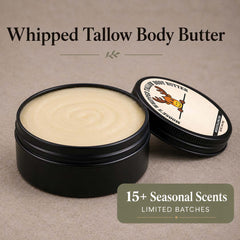
Este es el terreno propio del sebo. Para la piel crónicamente seca, tirante o escamosa, una manteca corporal de sebo batida sella la humedad y sigue siendo eficaz durante horas. Aplícala sobre la piel ligeramente húmeda para atrapar el agua junto con la grasa.
Piel propensa al eczema
Para el sebo de res en la piel con eczema, lo atractivo es la lista corta de ingredientes y el apoyo a la barrera; los brotes suelen ser un problema de barrera, y un bálsamo de sebo simple y sin fragancia le devuelve a la piel sus propios lípidos. El sebo puede ayudar a calmar y proteger las zonas secas propensas al eczema, pero no es un tratamiento para el eczema activo, supurante o infectado; consulta a tu médico y haz siempre una prueba de parche.
Antiedad
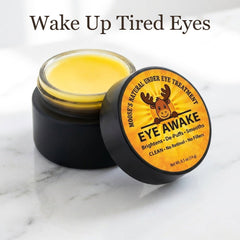
Las vitaminas A, D, E y K, junto con su oclusión rica, hacen del sebo una opción suave para la piel madura. Si tu meta es un contorno de ojos más firme y luminoso sin la irritación de los retinoides, nuestra alternativa natural al retinol combina sebo con aceites de apoyo, una ruta más suave hacia una piel de aspecto más terso.
Sol y después del sol
El sebo puro no es protector solar y por sí solo no ofrece un SPF significativo. Para una protección mineral real, un bálsamo solar de sebo combina sebo con óxido de zinc no nano. Después de un día al aire libre, el sebo también es un excelente bálsamo para después del sol que reabastece la piel reseca.
Labios y manos
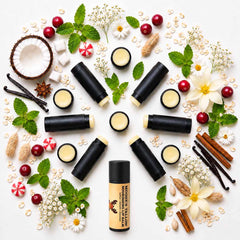
Las manos que trabajan duro y los labios partidos son tareas perfectas para el sebo. Un bálsamo reparador de manos dedicado rescata los nudillos agrietados, y los bálsamos labiales reparadores infusionados con yema de huevo acondicionan los labios mucho más que las barras de farmacia cargadas de cera.
Compra los productos mencionados
Cuidado de la piel con sebo en lotes pequeños, hecho de forma honesta.


Cómo usar el sebo de res en tu piel
Aprender a usar el sebo de res para la piel toma unos treinta segundos. Sigue estos pasos para los mejores resultados:
- Haz primero una prueba de parche. Frota un poco en la parte interna del antebrazo y espera 24 horas, sobre todo si tu piel es sensible o propensa al acné.
- Empieza con la piel limpia y ligeramente húmeda. Aplicar después de la ducha, mientras la piel aún retiene algo de agua, ayuda al sebo a atrapar esa humedad.
- Usa menos de lo que crees. Toma una cantidad del tamaño de un chícharo y caliéntala entre las yemas de los dedos hasta que se derrita; el sebo rinde mucho más que la loción.
- Presiona, no arrastres. Extiéndelo en capas finas y deja que se absorba un minuto antes de vestirte.
- Ajusta el producto a la zona. Usa la manteca corporal más rica en brazos y piernas secas, una aplicación más ligera en el rostro, y mantén el sebo lejos de las zonas grasas con tendencia a brotes si esas áreas reaccionan.
- Sé constante. El uso cada noche en manos, labios y zonas secas da el mayor beneficio visible en un par de semanas.
La gente también pregunta por el sebo de res con miel para la piel. La miel aporta propiedades humectantes y calmantes, así que un bálsamo de sebo con miel puede ser precioso para la piel muy seca o irritada; solo ten en cuenta que la miel puede volver el bálsamo más pegajoso y es mejor evitarla en brotes activos.
Alimentado con pasto frente a convencional: dónde importa el origen
El origen sí marca una diferencia, aunque no de forma absoluta. El sebo es una grasa de reserva, así que refleja lo que comió el animal; la grasa de res de animales de pastoreo, alimentados con pasto, suele traer un balance de ácidos grasos algo más favorable y un poco más de vitaminas liposolubles. Esas son ventajas reales, y forman parte de por qué se habla tanto del sebo de res de animales alimentados con pasto para la piel.
Pero es fácil exagerarlo. Un sebo bien seleccionado, parcialmente de animales alimentados con pasto, sigue siendo excelente para tu piel; los ácidos grasos que tu piel reconoce están ahí de todos modos, y la diferencia entre alimentado con pasto y parcialmente alimentado con pasto es real pero modesta, no de día y noche. Lo que importa al menos tanto es la calidad del derretido: un sebo bien derretido y bien filtrado es pálido e inodoro, mientras que un sebo mal derretido huele a res y se siente grasoso.
En Moose's Tallow usamos grasa de res de origen local, en parte de animales alimentados con pasto, la derretimos despacio en lotes pequeños y no le añadimos nada sintético, así que lo que llega a tu piel es limpio, neutro y denso en nutrientes. Preferimos ser francos contigo sobre eso antes que vender de más una etiqueta. Con honestidad, un buen origen más un derretido cuidadoso es lo que hace un sebo que rinde, mucho más que perseguir un porcentaje perfecto de alimentación con pasto.
Sebo batido y sebo con miel
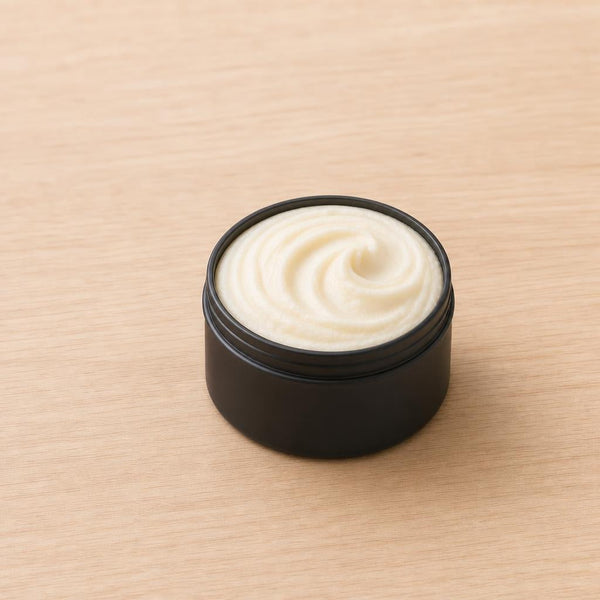
La textura cambia la experiencia. El sebo derretido puro es firme y tipo bálsamo, ideal para puntos específicos como talones y cutículas. El sebo de res batido para la piel se airea hasta convertirse en una manteca ligera y esponjosa que se extiende con facilidad sobre áreas más grandes y se absorbe más rápido; para la mayoría es el formato más agradable del día a día, y por eso nuestra manteca corporal de sebo batida es la que los clientes buscan a diario.
Las mezclas añaden función. El sebo con miel se inclina hacia lo calmante y humectante; el sebo con zinc se vuelve protección solar; el sebo con magnesio se convierte en un bálsamo para dormir. La base se mantiene simple y compatible con la piel, mientras el añadido lo adapta a un trabajo específico.
Qué esperar: antes y después
Las expectativas honestas importan, así que esto es lo que realmente se ve en el antes y después del sebo de res en la piel, de alguien que lo usa a diario y escucha a miles de clientes.
Día uno: la piel se siente de inmediato más suave y menos tirante; las zonas muy secas lo absorben. Semana uno: las zonas ásperas de manos, codos y talones se suavizan y los labios partidos se recuperan. Semanas dos a cuatro: con uso cada noche, la barrera se ve más calmada y pareja, y esa sequedad de media tarde se desvanece. Los resultados son graduales y acumulativos, no de un día para otro; el sebo reconstruye, no borra la superficie.
Una advertencia justa desde el lado del fabricante: un pequeño número de personas, por lo general de piel grasa o propensa al acné, ven congestión si usan sebo rico por todo el rostro. Eso no es un fallo del producto; es una falta de coincidencia entre el producto y el tipo de piel. Haz una prueba de parche, empieza por el cuerpo y las manos, y pasa al rostro solo si tu piel lo acepta.
Preguntas frecuentes
¿El sebo de res es de verdad bueno para mi piel?
Para la piel seca, madura, sensible o con la barrera dañada, sí; sus ácidos grasos coinciden con los propios lípidos de tu piel, así que hidrata y apoya bien la barrera. Si tu piel es grasa o propensa al acné, úsalo con cautela en el cuerpo y las manos en lugar de por todo el rostro, y haz una prueba de parche primero.
¿Por qué a los dermatólogos no les gusta el sebo de res?
La razón principal es su alto contenido de ácido oleico, que puede tapar los poros en personas propensas al acné, además de la falta de ensayos clínicos que prueben el sebo específicamente. Es una preocupación justa, aunque aplica sobre todo a la piel del rostro con tendencia a brotes, no a los usos en piel seca donde el sebo brilla.
¿Cuáles son las desventajas del sebo para la piel?
Puede ser demasiado rico para rostros grasos o propensos al acné, es un producto animal (no vegano), la calidad varía mucho según el origen y el derretido, y un sebo mal hecho puede oler o sentirse grasoso. Tampoco es protector solar ni un tratamiento para afecciones activas de la piel.
¿El sebo es mejor que el retinol?
Hacen trabajos distintos. El retinol acelera activamente la renovación celular pero puede irritar y no se recomienda en el embarazo; el sebo nutre y repara la barrera con suavidad, sin esa irritación. Para quienes no toleran los retinoides, una alternativa natural al retinol a base de sebo es una opción más suave, aunque funciona de forma diferente, no idéntica.
¿Qué es el sebo de hueso para la piel?
El sebo de hueso es grasa derretida de alrededor de los huesos y la médula de res. Al igual que el sebo de riñonada, es rico en ácidos grasos que nutren la piel. La mayoría del sebo para el cuidado de la piel, incluido el nuestro, proviene de la riñonada, que se derrite en un bálsamo más limpio y estable.
Prueba el sebo de res en tu piel
Si tu piel sigue sintiéndose seca sin importar lo que pruebes, el sebo de res para la piel es uno de los cambios de ingrediente real más simples que puedes hacer. Todo lo que hacemos es en lotes pequeños, con sebo de origen local y libre de rellenos sintéticos, como se hacía antes el cuidado de la piel. Compra nuestro cuidado de la piel con sebo y encuentra el formato adecuado para tu piel, ya sea manteca corporal, bálsamo labial o reparador de manos.
Sobre el autor: Brian, conocido como "Moose", es el fundador y formulador en Moose's Tallow. Derrite a mano sebo de res de origen local y bate él mismo cada lote pequeño, un oficio que empezó como un proyecto familiar para su esposa y sus cuatro hijas antes de convertirse en un negocio.
Fuentes: Tallow, Rendered Animal Fat, and Its Biocompatibility With Skin: A Scoping Review (2024), PMC11193910; Downing et al., composición de ácidos grasos del sebo en el acné, Journal of the American Academy of Dermatology (1986); Beef Tallow-Based Skincare Claims in Social Media: A Cross-Sectional Analysis (2025), PMC12661468. Este artículo es información general y no constituye consejo médico; haz una prueba de parche con productos nuevos y consulta a un profesional ante afecciones persistentes de la piel.


0 comentarios