

Castor oil is a solid occlusive for lips. It seals in moisture already there. It won’t hydrate dry lips on its own. Patch-test it first on your arm. If you want a water-free option built for sensitive skin, consider tallow-based lip balms that avoid guesswork.
TL;DR:
- Castor oil works as an occlusive that seals in existing moisture but does not add hydration or repair deep cracks on lips.
- For best results, apply castor oil over a damp or moisturized lip surface, not on completely dry lips, to avoid sealing in dryness.
- Use high-quality, cold-pressed, hexane-free castor oil to minimize residue and potential irritation, especially for sensitive lips.
- Perform patch tests on the skin before regular use to check for allergic reactions, and be cautious with products containing fragrances or menthol.
- Commercial water-free lip balms based on beef tallow and castor oil offer a simple, stable alternative to DIY recipes for outdoor protection and moisture sealing.
What Castor Oil for Lips Actually Does
Castor oil works as an occlusive. That means it forms a thin layer on your lips. This layer traps whatever moisture is already there. It does not pull new hydration in from the air or your skin.
Used well, castor oil gives lips a glossy finish. It smooths rough, flaky texture on contact. It also helps block wind and cold from drying lips out further during winter walks or long days outside. People often reach for it before heading out in rough weather for exactly this reason.
Here is what castor oil for chapped lips can realistically do:
- Add shine and a smooth surface look
- Soften flaky patches so they feel less rough
- Slow down moisture loss from wind, cold, or dry indoor air
- Create a light barrier over cracked or peeling skin while it heals on its own
Castor oil will not fix a deep crack or a medical lip condition. It is not a repair product. If your lips are bleeding, split at the corners, or staying irritated for weeks, that calls for a doctor’s attention, not more oil.
Timing matters more than most people realize. Castor oil for chapped lips works best when your lips are already a little damp, or when you apply it right over a light moisturizer. Put it on bone-dry lips alone, and you’re just sealing in dryness instead of moisture.
Pro Tip: Swipe a wet finger across your lips before applying castor oil. That thin layer of water is what the oil will lock in.
Occlusive vs. Humectant: How Castor Oil Works on Skin
There are two basic types of ingredients in lip care: occlusives and humectants. Knowing the difference changes how you use castor oil for lip care.
A humectant pulls water in. Glycerin, hyaluronic acid, and honey are humectants. They draw moisture from the air or from deeper skin layers up to the surface.
An occlusive does the opposite job. It sits on top of skin and blocks moisture from escaping. Castor oil is an occlusive. Dermatology sources describe it as an agent that traps existing moisture rather than acting as a hydrating humectant. It doesn’t add water. It just keeps water from leaving.
This is why the order of application matters:
- Apply a humectant or a light moisturizer first
- Let it sit for a minute
- Seal it in with castor oil
- Skip this order, and you’re sealing in dry, flaky skin instead of moisture
Not all castor oil is equal quality. Look for cosmetic-grade, cold-pressed, hexane-free castor oil. Cold-pressing avoids the high heat and chemical solvents used in cheaper extraction methods, which can leave behind residue you don’t want anywhere near your mouth. Check the label before you buy, not after.
Safety Checklist: Allergies, Patch Testing, and Ingestion Notes
Castor oil is generally well tolerated, but it is not risk-free. A short checklist before you start using it regularly:
- Patch-test first. Apply a small amount to the inside of your forearm or wrist. Wait 24 hours and watch for redness, itching, or swelling.
- Check your lips specifically. Some people tolerate castor oil on their arm but react on thinner lip skin. Apply a tiny amount to one corner of your mouth before covering both lips.
- Stop at the first sign of irritation. Redness, burning, swelling, or persistent itching means discontinue use right away.
- Watch for cracking or peeling that gets worse, not better. That’s a signal to see a dermatologist, not to apply more oil.
Allergic contact cheilitis, an allergic reaction on and around the lips, is a documented reaction to castor oil in some users. Case reports in dermatology literature describe pruritus and redness in sensitive individuals. It’s not common, but it’s real, and lip skin is thinner and more reactive than skin elsewhere on your body.
A quick word on ingestion. Getting a trace amount of castor oil on your tongue from a lip balm is nothing like drinking castor oil as a laxative. Clinical guidance draws a clear line between incidental cosmetic exposure and large oral doses, which affect the body very differently. As for the ricin question that sometimes comes up: ricin toxicity is tied to the raw castor bean, not to properly processed cosmetic-grade castor oil, which does not contain it in any meaningful amount.
Regulatory review backs this up at the ingredient level. The Cosmetic Ingredient Review panel reaffirmed castor oil and related ricinoleates as safe for typical cosmetic use, while also noting the case reports and patch-test positives that keep coming in as usage grows. That’s the honest picture: broadly safe, not universally safe. If you have reactive or rosacea-prone skin, a structured patch-test routine is worth following before any new oil touches your face.
How to Use Castor Oil on Lips (Plus Two DIY Recipes)
Using castor oil for lip care is simple once you know the order of operations. Here’s a daily routine:
- Warm one small drop between clean fingertips. This spreads it evenly and avoids thick, sticky patches.
- Apply a thin layer directly to lips, or over a light moisturizer if your lips are already dry.
- Avoid licking your lips after application. It strips the layer you just applied and can trigger more dryness.
- Reapply two to three times a day, or before heading outdoors in wind or cold.
Should you leave castor oil on lips overnight? Yes, this is one of the more popular ways to use it. Lightly dampen your lips or dab on a thin humectant before bed, then seal with a small amount of castor oil. Skin repairs itself overnight, and an occlusive layer helps hold moisture in while you sleep instead of losing it to a dry pillowcase or bedroom air.
DIY recipe 1: Basic castor oil lip balm. Melt beeswax gently over low heat, then stir in castor oil once melted. Add a small amount of vitamin E oil at the end to help protect the mix from going rancid. Pour into a small tin or empty lip balm tube and let it set at room temperature. Beeswax gives the balm structure; without it, you’d just have liquid oil in a tin. Community-tested formulations commonly follow this same basic pairing.
DIY recipe 2: Lightweight daytime gloss. Combine castor oil with fractionated coconut oil and a small amount of melted beeswax. Fractionated coconut oil is lighter than straight castor oil and cuts down on stickiness, which makes this version better for wearing under makeup or during the day.
A few notes before you start mixing:
- Skip scented essential oils if your lips are sensitive or reactive. Fragrance is one of the most common lip irritants.
- Use clean tools and containers. Lip products sit near your mouth, so contamination matters more here than in a body lotion.
- Keep the ingredient list short. More additions mean more chances for a reaction.
For more on ingredient selection, what actually works in a lip balm comes down to a short list of purposeful ingredients, not a long one padded with fillers.
Why Moose’s Tallow Makes Tallow-Based Lip Balms
Moose’s Tallow started with a label. Brian Smith, the founder, read the ingredient list on a lotion bottle after a health scare. Fifty-two ingredients. Water was first. That didn’t sit right with him, so he started making something simpler.
Every Moose’s Tallow lip balm is water-free and built around properly rendered local beef suet tallow. We keep dilution minimal and choose each ingredient on purpose:
- Beef suet tallow, close in structure to skin’s own natural oils
- Fractionated coconut oil, our preferred carrier for stability and easy absorption
- Beeswax for structure and a protective seal
- Vitamin E (tocopherols) to help protect the formula itself
- Jojoba and castor oil for smoothing and shine
- Egg yolk infused oil for added richness in select formulas
We skip olive, avocado, almond, shea butter, grapeseed, and other vegetable oils entirely. Not because they lack fans, but because they’re not part of how we build a formula.
Some lip balm brands offer satisfaction guarantees. Lip balms provide cosmetic support for dry, chapped lips but are not medical treatments.
Storage and Shelf Life of Castor Oil for Lip Use
Castor oil is fairly stable compared to many plant oils, but it still degrades over time. Heat, light, and air are the three things that shorten its shelf life fastest.
Store castor oil in a cool, dark cabinet, not on a sunny windowsill or next to a stove. Keep the cap tightly closed between uses. Air exposure is one of the biggest drivers of oxidation, which is what makes oil smell “off” or turn slightly sticky and thick over time.
A bottle of pure cold-pressed castor oil, stored properly, typically stays usable for one to two years unopened. Once opened, use it within about a year for best results. If it smells sour, looks cloudy, or feels unusually thick, throw it out.
DIY lip balms made from castor oil have a shorter window than the raw oil. Homemade batches with no added preservative should generally be used within three to six months. Adding vitamin E at the mixing stage helps slow this process, but it doesn’t stop it entirely.
This is one advantage of a pre-made, small-batch product over a DIY jar sitting on your bathroom counter for a year. Commercial formulas are built with shelf stability in mind from the start, not added as an afterthought.
Potential Side Effects and Product Interactions
Most people use castor oil on their lips without issue. Still, a few interaction points are worth knowing before you layer it with other products.
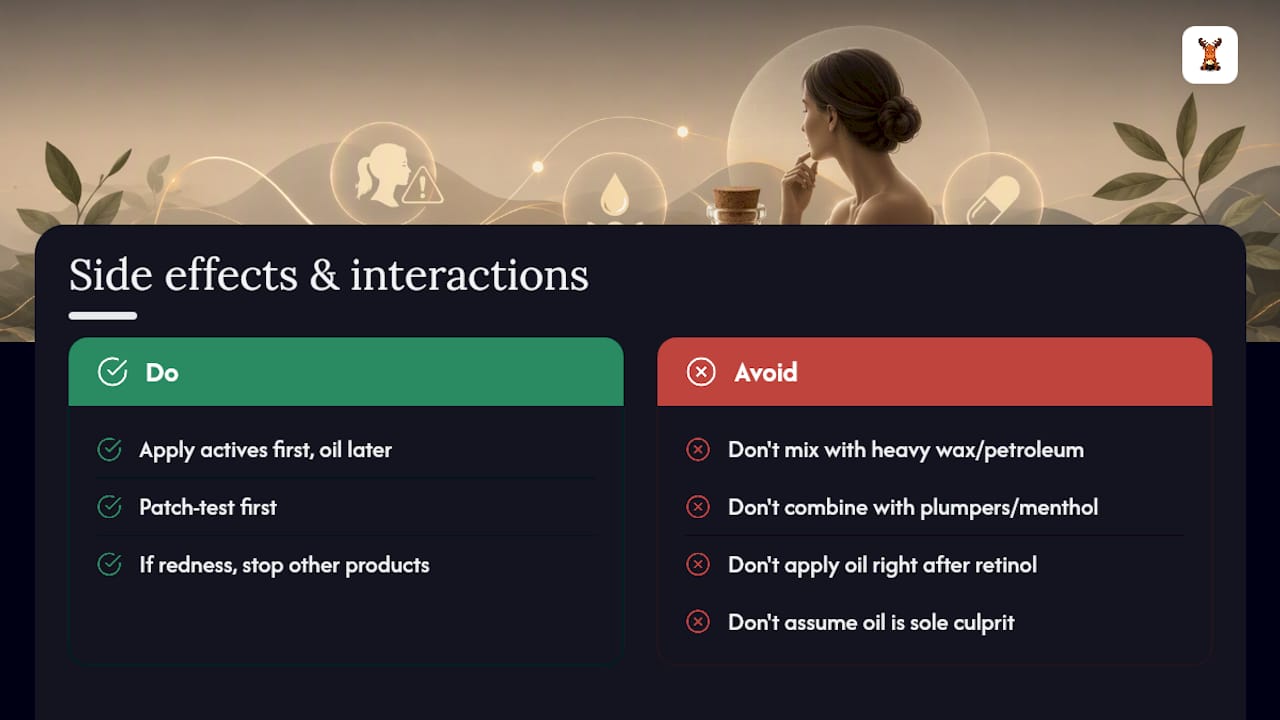
Mixing castor oil with a lip product that already contains heavy waxes or petroleum-based ingredients can feel overly thick or greasy. Two occlusives stacked on top of each other don’t add benefit. They just sit there.
If you use a lip plumper or a product with cinnamon, mint, or menthol, apply castor oil separately, not mixed together. Combining a tingling or plumping agent with an occlusive layer can trap the active ingredient against your skin longer than intended, which sometimes increases irritation instead of the intended effect.
Retinol or exfoliating lip treatments are another spot to be careful. Applying castor oil right after an active ingredient can slow its absorption, since the oil sits on top and blocks penetration. Space these out, using actives first and castor oil later if you use both.
If you already use a lip balm with added fragrance or menthol and notice new redness after adding castor oil, don’t assume the oil is the problem right away. It could be a combined reaction. Drop back to one product at a time until you find the source.
What the Evidence Actually Supports
Most advice on castor oil for lips falls into one of two extremes: it’s dismissed as snake oil, or it’s oversold as a miracle fix for everything from dark lips to lip growth. Neither holds up.
The honest read of the evidence is narrower and more useful. Castor oil is a competent occlusive with a real, if modest, place in lip care. It is not a treatment for underlying lip conditions, and it will not permanently change lip color or size, regardless of what social media claims.
Where conventional advice falls short is sequencing. Most tutorials tell you to “apply castor oil” without explaining that it works best over moisture, not instead of it. That single detail, apply after damp lips or a humectant, is the difference between an oil that helps and one that just sits there doing very little.
Prioritize the patch test before anything else. Skin reactions on lips are more visible and more uncomfortable than almost anywhere else on your body. Get that step right, then build your routine around it.
— Brian Smith
Ready-Made Options if DIY Isn’t for You
Not everyone wants to melt beeswax on a stovetop, and that’s fair. Moose’s Tallow builds that same occlusive, ingredient-forward logic into finished products, minus the mixing bowls.
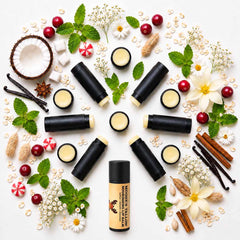
The Beef Tallow Lip Balm for Dry & Chapped Lips includes is built on, beef suet tallow, fractionated coconut oil, beeswax, and castor oil working together for a smooth, sealed finish. It skips water entirely, so nothing is diluting the ingredients that matter.
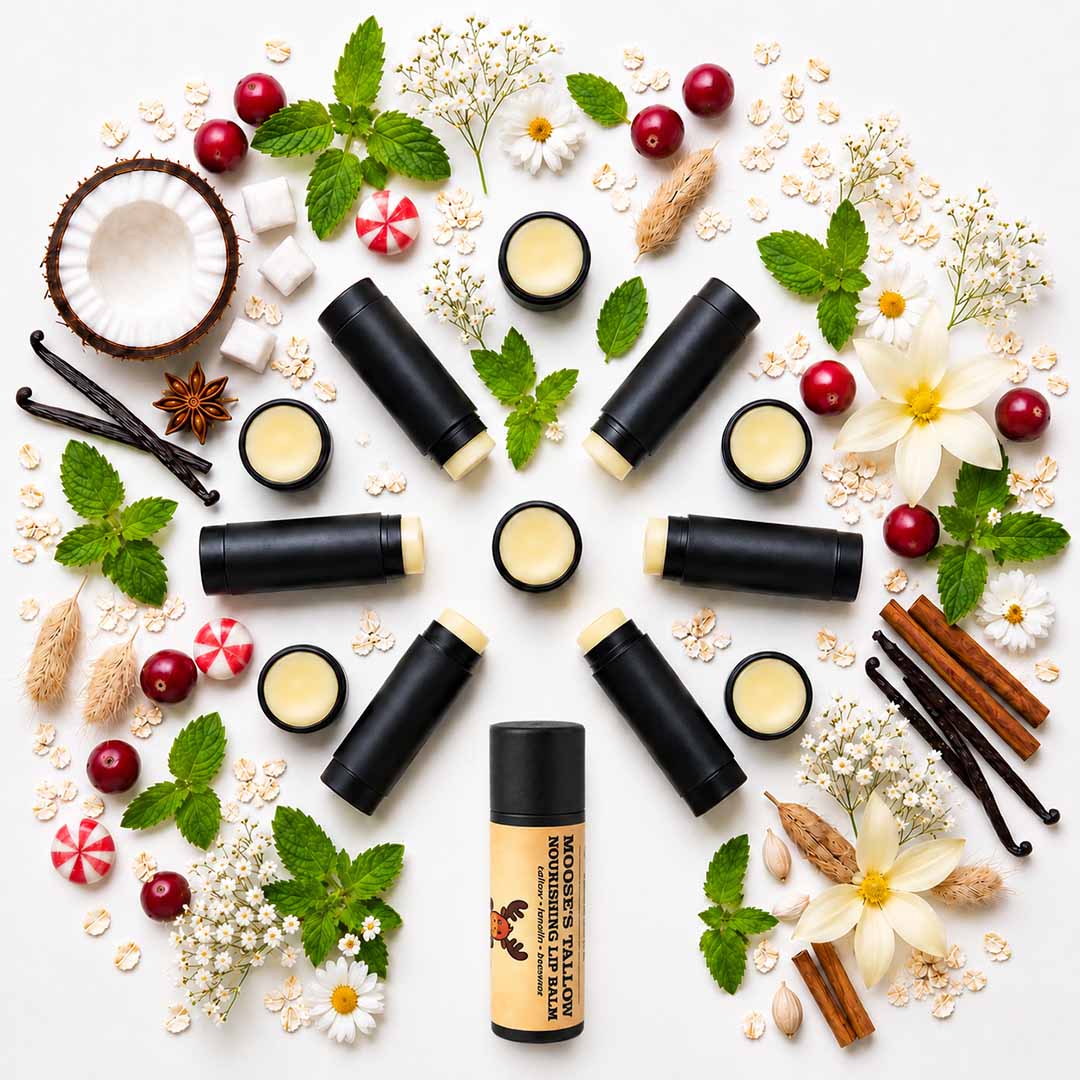
For lips exposed to sun and wind on longer days outside, the Tallow & Zinc Outdoor Sun Balm pairs tallow with zinc for outdoor coverage, built with the same water-free, minimal-ingredient approach as the rest of our catalog.
Some lip balm makers produce small batches and ship directly to customers. Satisfaction guarantees may be offered for customer confidence. Browse the full tallow skincare collection to see what fits your routine, or check the Coconut After Sun option if you’re building out a full outdoor kit.
Sources
- Castor oil for skin — GoodRx Health
- Castor Oil - StatPearls - NCBI Bookshelf
- CIR safety review summary: Ricinus communis (castor) seed oil and ricinoleates
- PMC article relevant to topical oil effects (mechanistic context)
FAQ
Can I leave castor oil on my lips overnight?
Yes. Dampen your lips slightly or apply a light moisturizer first, then seal with a thin layer of castor oil before bed.
Does castor oil make lips pink?
No reliable evidence supports castor oil changing lip color. It smooths and adds shine, which can make lips look healthier, but it does not alter pigmentation.
Which oil removes dark lips?
No oil, including castor oil, has documented evidence for lightening lip pigmentation. Persistent dark lips are worth discussing with a dermatologist rather than treating with any single ingredient.
Is castor oil good for under eyes?
Castor oil’s occlusive properties work the same way under eyes as on lips, sealing in existing moisture, but this delicate skin reacts more easily, so patch test first and apply sparingly.
How often should I use castor oil for chapped lips?
Two to three light applications a day works for most people, always over slightly damp lips or a moisturizer rather than on dry skin alone.
Does Moose’s Tallow make a castor oil lip balm?
Yes. The Beef Tallow Lip Balm for Dry & Chapped Lips includes castor oil alongside beef suet tallow, fractionated coconut oil, and beeswax in a water-free formula.
0 comentarios