

The fastest chapped lips remedy is a thick, occlusive ointment applied several times a day and again before bed, paired with stopping any lip licking right now. Skip the licking. It feels soothing for a second, then dries you out worse. If cracks, bleeding, or sores persist without improvement for an extended period, that’s your sign to see a clinician instead of waiting it out.
TL;DR:
- Applying a thick, water-free, lipid-rich balm like beef tallow lip balm before bed speeds healing and reinforces the skin barrier effectively.
- Regular use of SPF 30+ lip protection, humidifiers, and hydration helps prevent chapped lips from recurring, especially in wind, cold, or dry indoor environments.
- Avoid menthol, cinnamon, eucalyptus, flavored balms, and lip scrubs during active chapping, as they cause irritation and hinder recovery.
- The ideal nighttime routine involves hydrating with humectants, restoring lipids with pseudo-ceramides, and sealing with a heavy occlusive to accelerate repair within weeks.
- Persistent or deep cracks, bleeding, or non-healing lips after two to three weeks require evaluation for underlying issues such as contact dermatitis, eczema, or other conditions.
What Actually Helps Chapped Lips Right Now?
Lips have no oil glands. That’s the whole problem in one sentence. Your cheeks and forehead make their own protective oil, but lips depend entirely on what you put on them, which is why they crack faster in cold wind or dry heat than almost any other skin on your body.
Occlusive ointments top every dermatologist’s list for a reason. Petroleum jelly, beeswax, and similar thick balms don’t add moisture. They trap the moisture already there and block wind, cold air, and saliva from stripping it back out. Dermatologists recommend applying a thick occlusive several times daily and before bed because lips can’t replenish their own barrier the way other skin does.
Humectants and emollients play a different role. A humectant (glycerin is a common one) pulls water into the skin’s surface layer, but it needs something to hold that water in place. That’s why order matters:
- Hydrate slightly damp lips with a humectant-based product first.
- Seal immediately after with a thick, occlusive balm.
- Run a humidifier if you’re indoors with dry heat or air conditioning.
- Cover your mouth with a scarf in wind, and try to breathe through your nose instead of your mouth.
Pro Tip: Keep your balm somewhere you’ll actually see it, your nightstand, your desk, your coat pocket. The habit only sticks if the product is within reach when your lips start feeling tight.
One caution: if a new balm causes stinging, tingling, or burning, stop using it immediately. That’s not “working.” That’s irritation, and it means the product isn’t right for your skin.
How Do You Prevent Chapped Lips From Coming Back?
Healing chapped lips once is easy. Keeping them healed is the actual goal, and it comes down to a handful of repeatable habits rather than one big fix.
- Apply SPF 30+ lip protection before you head outside, and reapply after eating, drinking, or wiping your mouth. Sun exposure is one of the most common triggers dermatologists flag for chapped lips, and most people never think to protect their lips the way they protect their face.
- Carry a fragrance-free balm everywhere, and keep a second one by your bed. The goal is zero friction between “my lips feel dry” and “I have something to fix it.”
- Run a humidifier at night, especially during winter months when indoor heating strips moisture from the air fast. Cleveland Clinic lists humidifier use alongside hydration and SPF balm as core prevention steps for anyone prone to chapping.
- Drink water consistently, not in one big gulp when you remember. Dehydration shows up on your lips before it shows up almost anywhere else on your body.
- Protect your face from wind and cold with a scarf or high collar. Wind pulls moisture off lips faster than dry indoor air does, and most people don’t connect the two.
None of these steps takes more than a few seconds. The habit that actually works is the one boring enough to repeat every single day without thinking about it.
What Should You Never Put on Chapped Lips?
Some ingredients marketed as “tingling” or “plumping” are the exact reason your lips won’t heal. Menthol, camphor, eucalyptus, cinnamon, and strong flavorings create a cooling or tingling sensation that feels like the product is doing something. It’s actually irritating already-damaged skin.
- Skip menthol, camphor, eucalyptus, and heavily flavored or fragranced balms.
- Avoid lip scrubs and plumping glosses while lips are actively cracked or peeling.
- Stop licking and picking, even out of habit. Saliva enzymes actively break down the lip barrier every time you lick, which is why the lick-dry cycle keeps chapping going long after weather stops being the cause.
- If any product causes stinging, drop it and switch to a plain, bland occlusive instead.
The Nighttime Barrier Repair Routine That Speeds Healing
Nighttime is when lips get the longest uninterrupted stretch to recover, so it’s worth treating as its own routine rather than an afterthought before bed.
- Hydrate first. Apply a humectant, like a glycerin or hyaluronic-based product, to lips that are still slightly damp, not bone dry.
- Restore the lipid layer. Layer on a fatty, lipid-rich product next. Research on pseudo-ceramide lip balms shows measurable improvement in lip roughness and moisture loss over several weeks of consistent use, which supports why this middle step matters, not just the seal at the end.
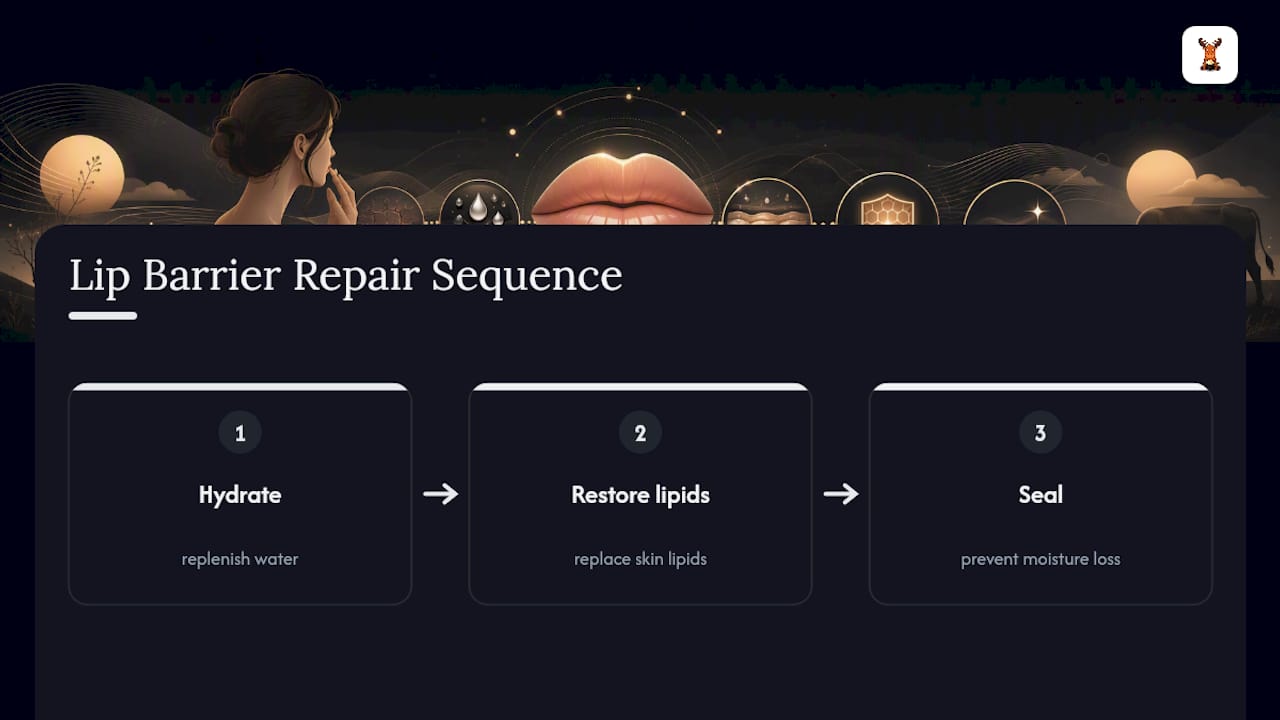
- Seal with a thick occlusive. Finish with a heavy balm or ointment to lock everything in overnight. This “slugging” approach, hydrate, restore, then occlude, tends to outperform occlusion alone for overnight barrier repair.
Most people see real improvement within two to three weeks of sticking to this sequence nightly. Pro Tip: Skip anything with active exfoliants or strong essential oils at night. Nighttime is for repair, not for introducing new irritants your lips have to fight off while they’re trying to heal.
When Should You See a Dermatologist for Chapped Lips?
Most chapped lips heal within a few weeks with consistent care. If cracks are deep, bleeding, or spreading redness shows up, or pain lingers past two to three weeks, it’s time to get it checked instead of adding more products.
Persistent sores, scaly patches that won’t resolve, or lesions that look different from ordinary chapping can signal something like actinic cheilitis, which needs professional evaluation. A clinician can identify allergens, rule out infection, and consider prescription options if a bland routine isn’t cutting it.
Why Water-Free, Tallow-Based Balms Fit a Repair-First Routine
Water-free formulas skip the first ingredient most lotions lean on, and that matters more than people realize. Less dilution means the lipids doing the actual work on your lips aren’t diluted, either. Beef suet tallow carries a fatty-acid profile close to your skin’s own, so it layers onto damaged lips without fighting the barrier you’re trying to rebuild.
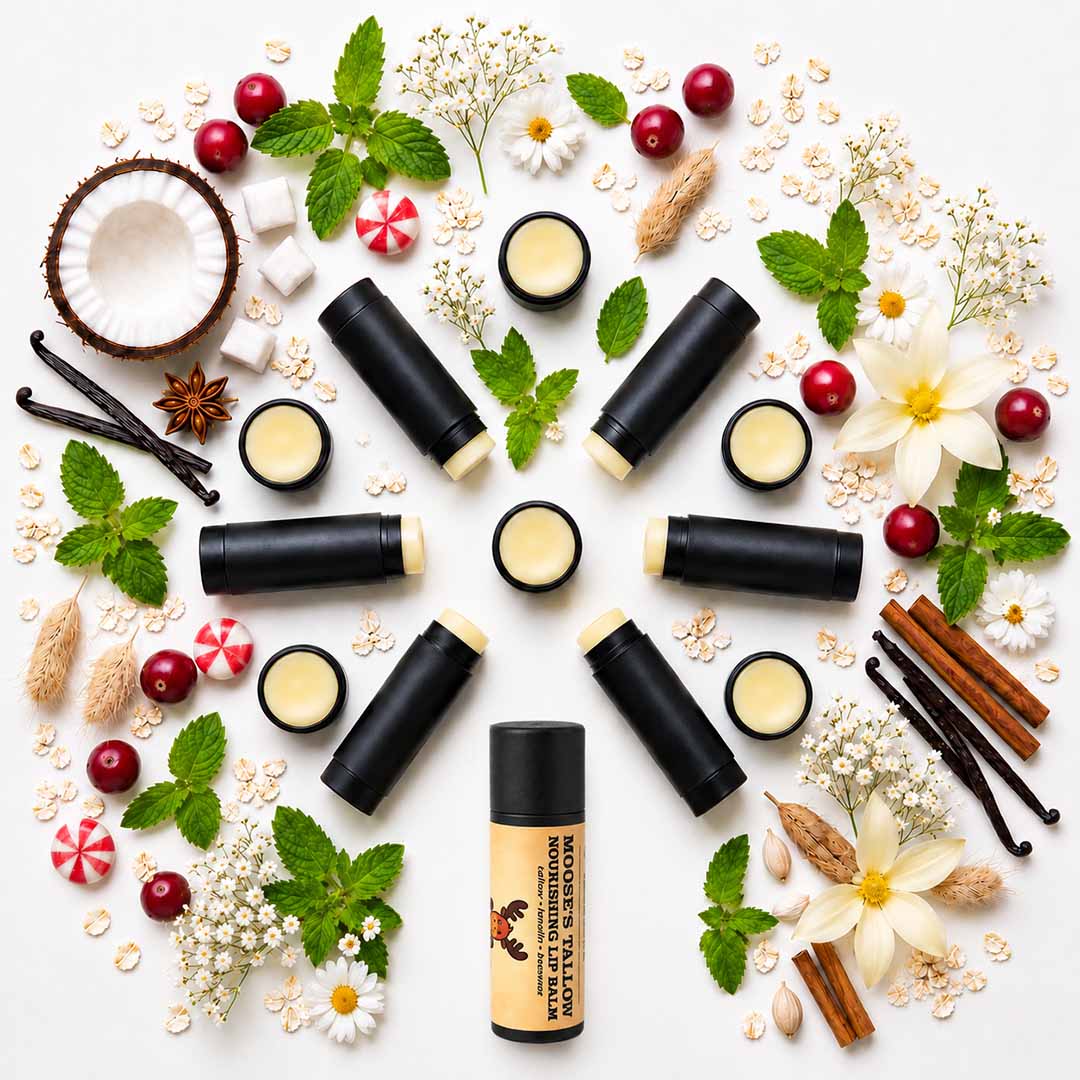
A well-built tallow balm pairs that tallow with a short list of purposeful ingredients: fractionated coconut oil for a light, stable carrier that resists oxidation and holds up on the shelf, beeswax for the occlusive seal, vitamin E (tocopherols) to help protect the oils from breaking down, and jojoba or castor oil for texture and glide. Egg yolk infused oil shows up in some formulas as an added lipid source. Compare that to a balm padded out with olive, avocado, or shea butter fillers, and the difference is intentional design versus filler bulk. When you’re shopping, look for a tallow lip balm built without added fragrance and with minimal dilution.
Do Vitamins Really Affect Lip Health?
What you eat shows up on your lips faster than almost anywhere else, because lip skin turns over quickly and has zero oil reserve to fall back on when nutrients run short.
B vitamins, particularly riboflavin (B2) and B12, are worth paying attention to. Low levels have long been linked to cracking at the corners of the mouth, a condition called angular cheilitis, separate from ordinary weather-related chapping but often confused with it. If you notice cracking specifically at the corners rather than across the whole lip, a vitamin gap is worth considering.
Vitamin C supports the collagen and connective tissue that keep skin, including lips, resilient. Vitamin E works as an antioxidant, helping protect skin cells (and the oils in your skincare products) from oxidative damage. None of this means supplements will fix chronic chapping on their own, but a diet consistently low in fruits, vegetables, and B-rich foods can make lips more vulnerable to cracking in the first place, and slower to bounce back once they do.
If your lips crack easily every single winter despite a solid balm routine, it’s worth looking at your plate before assuming it’s purely weather.
Could Something Else Be Causing Your Chapped Lips?
Chapped lips that won’t quit despite a good routine sometimes point to something beyond weather and habit. Contact dermatitis is one of the most common culprits: an ingredient in your toothpaste, lipstick, or even a previous lip balm can trigger ongoing irritation that looks like chapping but is actually an allergic or irritant reaction. The fix isn’t a thicker balm. It’s identifying and dropping the offending product.
Eczema (atopic dermatitis) can affect lips just like it affects the rest of the skin, showing up as persistent dryness, scaling, or a fine red rash around the mouth that flares with stress or seasonal changes. Angular cheilitis, the cracking at the mouth’s corners mentioned earlier, is sometimes driven by a yeast or bacterial infection rather than dryness alone, especially if the cracks look moist or won’t close.
Less common but worth knowing about: actinic cheilitis, a sun-damage related condition that shows up as scaly, rough patches usually on the lower lip from years of UV exposure. It needs a dermatologist’s eye, not a stronger balm.
If your chapped lips routine checks every box, occlusive, humectant, no licking, humidifier, and nothing improves, an underlying cause is a real possibility, not a stretch.
Does Your Skin Type Change How You Should Treat Chapped Lips?
Sensitive skin needs a narrower ingredient list, full stop. If you flush, sting, or react to new skincare products easily, fragrance-free and flavor-free is non-negotiable for your lips, not a nice-to-have. Menthol and cinnamon-flavored balms that a normal-skin friend tolerates fine can actively set your healing back.
Naturally oily or combination skin types sometimes assume their lips can’t dry out, but lips don’t follow the same rules as the rest of your face since they have no oil glands regardless of your skin type elsewhere. Don’t skip the occlusive step just because your T-zone stays shiny.
Very dry or eczema-prone skin benefits most from the full hydrate, restore, occlude sequence rather than a quick single-step balm, since the barrier needs more consistent lipid support to hold moisture at all.
If you’re unsure where you land, the safest default for anyone is minimal, fragrance-free, and lipid-rich. It works across skin types precisely because it avoids the ingredients most likely to cause a reaction in the first place.
Chapped Lips Remedy: Fast Relief and a Simple Repair Routine
Most chapped lips advice out there stops at “put on more balm,” and that’s where it falls short. More balm without the right structure just means reapplying a Band-Aid every hour. The research actually supports a sequence: hydrate, restore lipids, then seal. Skip a step and you’re managing symptoms instead of rebuilding the barrier.
The most overrated piece of advice? Flavored or “tingly” balms. They feel like they’re doing something, and that sensation is often just irritation disguised as relief. The most underrated piece? Stopping the lick-dry cycle. It’s not glamorous, but saliva enzymes undo more progress than cold weather ever does.
If I had to pick one priority for someone starting today, it’s ingredient minimalism. Fewer, purposeful ingredients beat a long list every time, especially on skin as thin and reactive as your lips. Water-free, lipid-forward formulas aren’t a trend. They’re just closer to what lips actually need.
— Brian Smith
Try a Simple, Water-Free Lip Balm Tonight
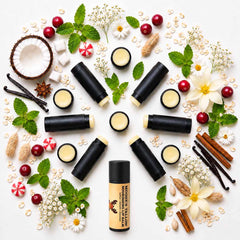
If you want a lip balm built around that hydrate, restore, occlude sequence instead of a long ingredient list, Moose’s Tallow’s Beef Tallow Lip Balm is worth a look. It’s made from properly rendered local beef suet tallow, fractionated coconut oil, beeswax, and vitamin E, water-free and minimally diluted, so the lipids doing the work aren’t watered down. It fits right into the nighttime protocol: apply it as your final sealing step after a humectant, and keep it by your bed for reapplication through the night. Every order carries a 30-day guarantee, so there’s no risk in trying it. If your hands are cracked too, the Beef Tallow Hand Cream follows the same water-free approach. Pick up a tube and start tonight’s routine with it.
Sources
- 7 dermatologists’ tips for healing dry, chapped lips
- Chapped Lips (Cheilitis): Causes, Treatment & Prevention
- PMC article on lip barrier and licking effect
FAQ
Why Won’t My Severely Chapped Lips Heal?
Chronic chapping that won’t resolve usually means either a habit (licking, picking, an irritating product) is undoing your progress daily, or an underlying issue like contact dermatitis, eczema, or a vitamin gap is at play. If a consistent barrier-repair routine hasn’t helped after two to three weeks, see a clinician.
What Is the Reason for Chapped Lips?
The most common causes are cold or dry weather, sun exposure, dehydration, and frequent lip licking, since lips have no oil glands to protect themselves against these stressors.
Does Vaseline Cure Chapped Lips?
Petroleum jelly doesn’t cure chapped lips, but it’s one of the most effective occlusives for sealing in moisture and protecting healing skin, which is why dermatologists recommend it as a core step, ideally after a hydrating step rather than alone.
What Not to Put on Chapped Lips?
Skip menthol, camphor, eucalyptus, cinnamon, strong fragrances, and lip scrubs or plumpers while lips are actively cracked, since these ingredients irritate already-damaged skin rather than helping it heal.
How Long Does It Take for Chapped Lips to Heal?
With consistent care, including an occlusive balm, hydration, and avoiding irritants, most chapped lips improve within two to three weeks. If they don’t, a clinician should take a look.
0 comentarios