

The fastest greasy body butter fix is a smaller dose, warmed between your palms, pressed into damp skin instead of dry. Beyond that, reach for a lighter, whipped tallow blend built with fractionated coconut oil and beeswax, since those absorb faster than a dense, straight butter. Some brands make both whipped and light blends for exactly this reason, so dry, sensitive skin gets the benefit without residue.
TL;DR:
- Using small amounts of warmed, damp application eliminates excess greasiness rather than relying solely on formula adjustments.
- Lighter blends with fractionated coconut oil and beeswax absorb faster and leave less residue, especially when whipped or labeled “light.”
- Adding clay, starch, or emulsifying into creams can further reduce surface shine but may affect texture and shelf stability.
- Water-free formulas with grass-fed tallow and minimal fillers avoid heaviness, offering a cleaner, quicker absorption experience.
- Proper patch testing and targeting dry areas ensure effective hydration without clogging pores or causing skin irritation.
How Do You Fix Greasy Body Butter Right Now?
You don’t need a new jar. You need a new habit. Most greasy body butter fix problems come down to how much you use and where you put it, not the formula itself.
Start small. A dab the size of a pea handles a forearm. Warm it between your palms first. This melts the fat slightly and lets you spread a thin layer instead of dropping a thick one straight onto skin.
Damp skin matters more than most people realize. Applying body butter right after a shower, while skin still holds a little water, helps the product spread and settle instead of sitting on the surface. Dry skin fights absorption. Damp skin invites it.
Target the areas that actually need it. Elbows, knees, feet, and shins are drier than your stomach or back. Full-body slathering wastes product and leaves you feeling coated everywhere you didn’t need heavy coverage.
- Use a dime-size amount per limb, not a scoop.
- Warm the product between your hands for a few seconds before applying.
- Apply to skin that’s still slightly damp from washing.
- Focus on rough patches instead of even coverage.
- For daytime use, blend a small amount into a lighter lotion to cut the richness.
Pro Tip: If your hands still feel oily two minutes after applying, you used too much. Wipe the excess onto your elbows and knees instead of washing it off.
Why Do Some Body Butters Feel Greasy?
Greasiness is a formulation issue, not a flaw in the ingredient itself. Beef suet tallow carries a fatty acid profile close to your skin’s own oils, which is why it tends to absorb cleanly rather than sit on top like a synthetic wax. A scoping review on tallow found its rich in oleic, palmitic, and stearic acids, and some tallow-based formulas actually increased measured skin hydration over time.
The slow-feeling finish that people call “greasy” usually comes from absorption speed, not the fat’s quality. Heavy, dense butters take longer to sink in. Lighter carriers and certain esters move into skin faster, which changes how a product feels in the first sixty seconds after application, even when the moisturizing effect is similar.
This is where carrier oil choice matters. Fractionated coconut oil is stable, resists oxidation, and absorbs easily, which makes it a preferred partner for tallow in a lighter-finish formula. It also holds up better on the shelf than many plant oils, which oxidize faster and shorten a product’s usable life.
Formulators have a handful of real levers to pull:
- Add beeswax or cetyl alcohol to firm up the texture and slow over-application.
- Mix in a small amount of clay or starch to cut surface shine.
- Whip the butter to add air, which spreads the same amount of product farther.
- Raise the melting point slightly so it releases fat more slowly on skin.
- Emulsify into a cream for the lightest possible finish.
Each choice comes with a trade-off. A lighter finish often means less lasting occlusion, and any water-based emulsion needs a preservative system to stay safe. That’s part of why water-free formulas skip that complexity entirely and lean on the fat ratio instead.
Can You Fix a Greasy Jar You Already Own?
Yes, with small, careful edits. These work best if you’re comfortable measuring precisely and testing before you commit to a full batch.
- Add a pinch of powder. Arrowroot, cornstarch, or kaolin clay cut surface oil. Start with a tiny amount, less than you think you need, since too much causes clumping.
- Firm it up. Gently melt your body butter and stir in a small, measured amount of beeswax or cetyl alcohol. Cool it, then whip again for a lighter, softer feel.
- Test a fast-absorbing ester. A small amount of isopropyl myristate can speed absorption. It’s synthetic, though, and can irritate sensitive or acne-prone skin, so patch test first.
- Know when to stop tweaking. If a product keeps feeling greasy or seems to be clogging pores no matter what you try, that’s a sign of mismatch, not a fixable formula.
Pro Tip: Always test any addition on a small patch of your inner forearm for a full day before applying it anywhere else. Sensitive skin reacts fastest at the jawline and neck, so save those areas for last.
What Should You Look for in a Non-Greasy Body Butter?
Reading the ingredient list tells you more than the marketing copy ever will. A body butter built for absorption uses specific materials, and you can learn to spot them fast.
Look for fractionated coconut oil, beeswax, jojoba, and vitamin E (tocopherols) near the top of the list. These support a lighter finish and better shelf stability than heavier, slow-absorbing plant butters. If a formula leans on dense vegetable oils as the main fat, expect a heavier, slower-absorbing finish.
Texture words on the label are a real clue. “Whipped” or “light” usually signals a formula with added air or a firming agent like beeswax, both of which change how the product spreads and sits on skin. A dense, solid block in the jar is more likely to feel heavy no matter how you apply it.
Match the product to the moment. A daily lightweight moisturizer belongs in your morning routine, while a richer, more occlusive formula makes more sense at night when you’re not putting clothes on right after.
- Check for fractionated coconut oil, beeswax, jojoba, castor, or vitamin E as core ingredients.
- Note whether the label says “whipped” or “light,” which usually means faster absorption.
- Ask the brand about dilution levels and how heavily the tallow is cut.
- Review the fragrance and allergen list if you have sensitive skin.
- Confirm the brand recommends a patch test before full use.
Why Minimal, Water-Free Tallow Formulas Reduce Greasy Feel
I started reading my own lotion label a few years back and counted fifty-two ingredients. Water was first on the list. That single detail changed how I thought about skincare, and it’s the reason Moose’s Tallow exists.
Water-free formulas don’t need fillers to bulk up the ingredient list or preservatives to fight the water that’s diluting everything else. We build every batch around grass-fed, locally rendered beef suet tallow and pair it with fractionated coconut oil, which absorbs cleanly and holds up on the shelf. Nothing goes in that isn’t doing a job.
Small-batch production means we can keep dilution light and skip the twelve-syllable filler ingredients that don’t help your skin barrier. Every jar comes with a 30-day guarantee, so you can test the texture and see how your skin responds without gambling on a full-size commitment.
How Moose’s Tallow Solves the Greasy Feel Problem
If you’ve tried the application tricks and still want a formula built for a lighter finish from the start, this is where our lineup does the work for you. Every product starts with properly rendered local beef suet tallow, and we build the texture around your actual routine, not a one-size-fits-all pour.
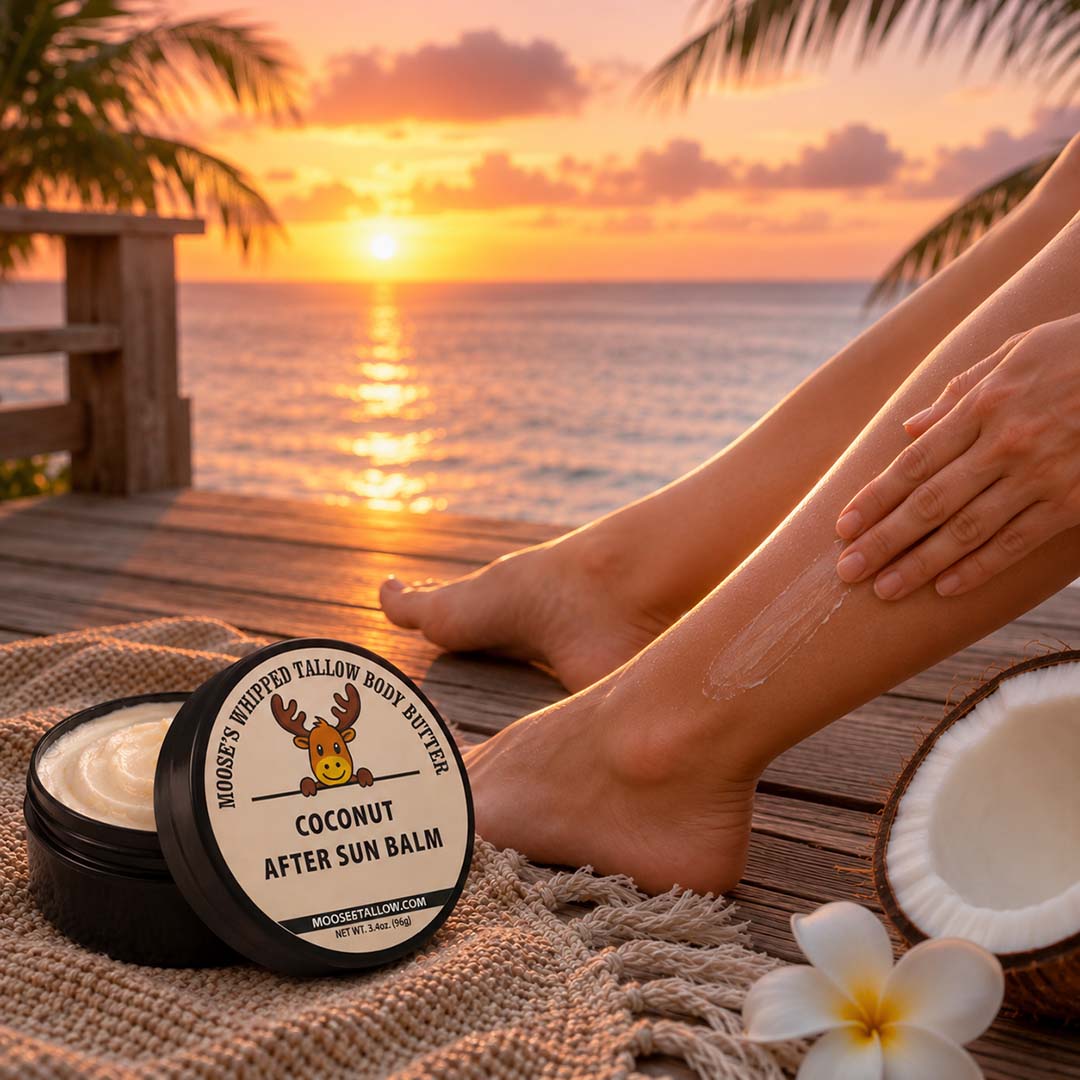
The Coconut After Sun Body Butter is a lighter blend meant for post-sun rehydration, when skin is warm and needs quick relief without added heaviness. Apply it to slightly damp skin right after a shower or swim, and use a thinner layer than you think you need.
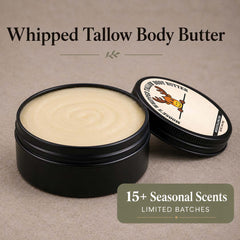
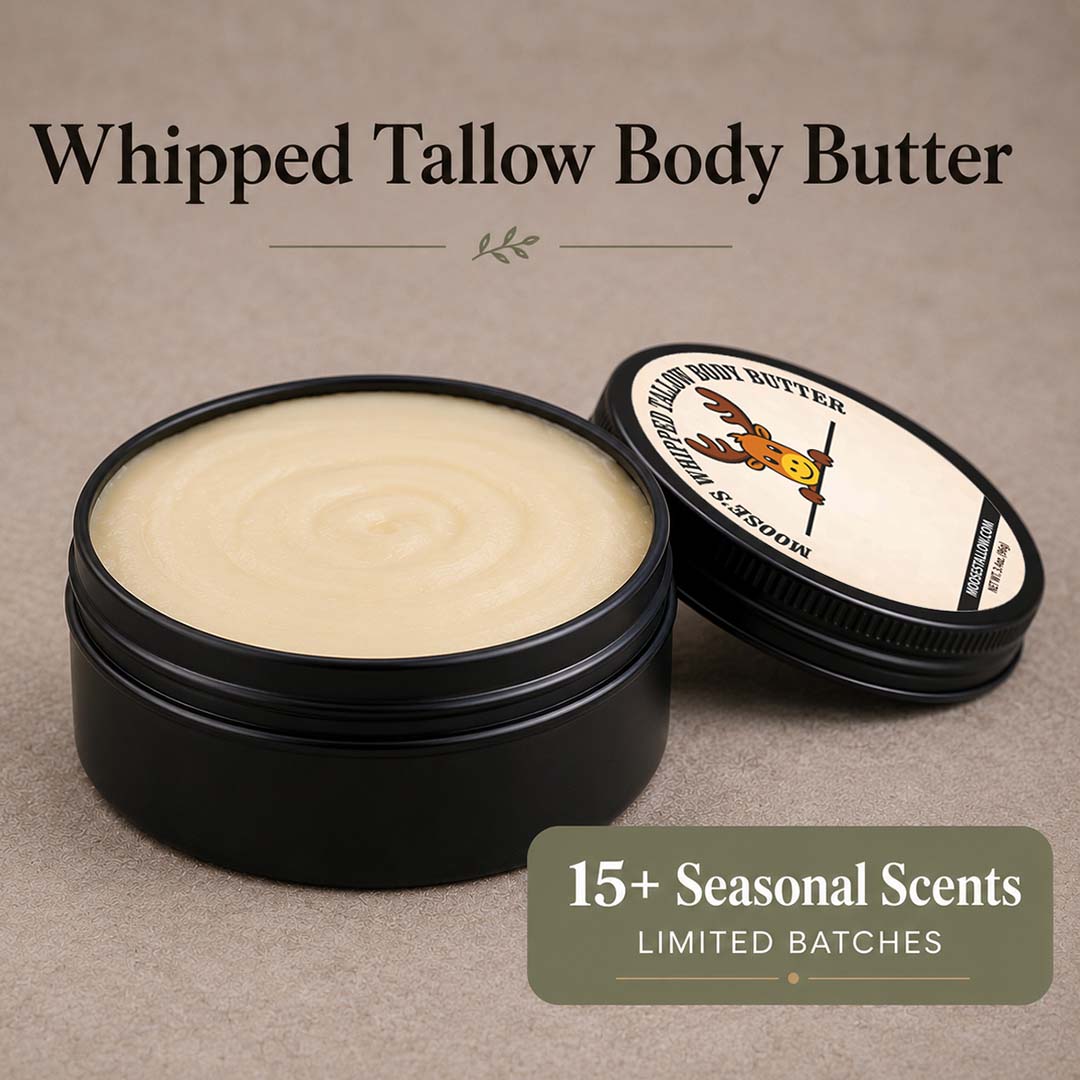
For daily wear, the Whipped Tallow Body Butter delivers the everyday, lighter-texture option most readers of this article are looking for. The whipping process adds air, so a small amount spreads far, which is the whole point of a good greasy body butter fix.
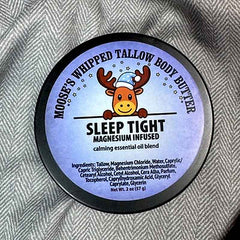
When a heavier, richer feel is actually what you want, the Sleep Tight Magnesium Body Butter is built for overnight use, when a slower-absorbing formula has time to work while you sleep. Every order carries our 30-day guarantee, backed by real customer reviews, so you can find your fit without risk. Start with the Whipped Tallow Body Butter collection page and pick the texture that matches your routine.
Sources
The claims in this piece rest on a mix of formulation guidance and clinical perspective, not guesswork. The PMC scoping review on tallow covers its fatty acid makeup and hydration research. Practical formulation advice on reducing greasiness through whipping, clays, and esters comes from Humblebee & Me and DIY Beauty Corner. For a clinical view on tallow’s suitability and limits, see Scenic Dermatology.
- Tallow, Rendered Animal Fat, and Its Biocompatibility With Skin: A Scoping Review
- Why is my body butter greasy? - Humblebee & Me
- Why Homemade Body Butter Feels Greasy (And How Texture Is Usually Balanced)
FAQ
Why Does My Body Butter Feel Greasy?
It’s usually the amount you’re applying and how slowly the fat absorbs, not a flaw in the ingredient. Heavier butters take longer to sink in, especially when applied to dry rather than damp skin.
How Do I Make Tallow Body Butter Less Greasy?
Use less product, warm it between your palms first, and apply to slightly damp skin. Choosing a whipped or light blend with fractionated coconut oil and beeswax, like those from Moose’s Tallow, also helps.
Is Tallow Safe for Sensitive or Dry Skin?
Tallow’s fatty acid profile is similar to skin’s own oils, making it a reasonable rich moisturizer for dry skin, though direct clinical evidence is still limited. Always patch test on your forearm first.
Can Tallow Clog Pores or Cause Breakouts?
It can be comedogenic for some people, particularly those with acne-prone skin, so a patch test matters before full use. Grass-fed, transparently sourced tallow is a safer starting point if you’re trying it for the first time.
What’s the Difference Between Whipped and Regular Body Butter?
Whipped body butter has air incorporated into it, which spreads the same amount of product over a larger area and reduces how much you need per application. That’s part of why a whipped tallow formula often feels lighter than a dense, unwhipped block.
0 comentarios