

People most often reach for citronella, lemongrass, lavender, peppermint, eucalyptus, cedarwood, tea tree, and catnip. They can help, but protection varies and fades fast. When mosquito-borne germs are a concern, choose an EPA-registered repellent. For skin-friendly DIY work, we prefer fractionated coconut oil as the carrier. Our Hiker’s Friend balm is a ready-made option.
TL;DR:
- Citronella, lemongrass, and other oils vary by mosquito species, concentration, and formula; blends may last longer, but plain oils offer only brief coverage.
- For DIY rollers, use fractionated coconut oil rather than heavier vegetable oils, add only a few drops, patch test, and reapply when the scent fades.
- Choose a repellent registered by the EPA; pure lemon eucalyptus oil is not OLE, and children under three should avoid OLE or PMD.
- Where mosquitoes carry disease, pair long sleeves and pants with screens or nets, and treat essential oils as a comfort extra, not your main defense.
1. Which mosquito repellent essential oils are worth trying?
Here is what each oil does and how people use it.
- Citronella: The classic. You see it in sprays, lotions, and candles. Results vary a lot from product to product.
- Lemongrass: Smells much like citronella and shows up often in repellent research. Use it lightly, since strong oils can irritate skin.
- Lavender: Gentle, familiar, and calming. Its repellent effect is mild, but the scent is pleasant. It is a good partner in blends.
- Peppermint: Sharp and cooling. It works well in blends, but watch for sensitivity on bare skin.
- Eucalyptus and oil of lemon eucalyptus (OLE): OLE is a refined plant ingredient used in registered products. Pure eucalyptus essential oil is a different thing.
- Cedarwood, tea tree, and catnip: Reviews list these as promising. Results are uneven, and skin sensitivity is a real concern with all three.
No single oil is a sure bet. A blend of two or three, diluted well, usually smells better and spreads the risk. Keep expectations modest. Think of these oils as a pleasant layer of help for short backyard moments, not a shield for a swamp hike.
2. How do you make and use homemade repellents?
You can make three formats at home. Each has trade-offs.
- Spray: Fast coverage over arms and legs. Shake before each use.
- Roller: Targeted. Roll it on ankles, wrists, and the neck. Easy to carry.
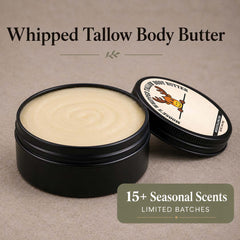
- Balm: This is the format our tallow-based balms use.
For a simple roller, follow these steps:
- Pour fractionated coconut oil into a small roller bottle, leaving a little room at the top.
- Add a few drops of one or two oils from the list above. Start low.
- Cap the bottle and roll it between your palms to mix.
- Patch test first: dab a little on your inner forearm.
- If your skin looks calm, apply to exposed areas. Keep it away from eyes and mouth.
- Store in a cool, dark place, and reapply when the scent fades.
We recommend fractionated coconut oil as your carrier. It is stable, resists oxidation, absorbs easily, and keeps well on the shelf. We do not suggest swapping in olive, avocado, almond, or other vegetable oils. They turn rancid faster and sit heavier on skin.
Pro Tip: A balm is a simple, moisturizing format for applying oils.
For more on kids and balms, see our guide to applying bug repellent to children. Our post on moisturizing oils for every skin type also explains why carrier choice matters.
3. When should you choose an EPA-registered repellent instead?
Homemade blends are fine for casual use. For real protection, the rules change. Here is what the agencies say:
- The CDC lists DEET, picaridin, IR3535, OLE/PMD, and 2-undecanone as effective EPA-registered active ingredients.
- The EPA notes that citronella, cedar, geranium, and peppermint oils appear in some unregistered products, and those products were not evaluated for effectiveness.
- The CDC says pure lemon eucalyptus oil is not the same as registered OLE or PMD products.
- Always follow the label. Avoid OLE and PMD products for children under 3.
The CDC says registered products are proven safe and effective when used as directed. A natural label tells you about the ingredients, not about performance.
If you live where mosquitoes carry disease, add long sleeves, long pants, and screens or nets. Then treat essential oils as a comfort extra, not your main defense. Use them for evenings on the porch, not for travel to high-risk areas.
4. What do reviews and studies actually show?
Researchers keep returning to the same plants, but the picture is uneven.
- Citronella, lemongrass, eucalyptus, peppermint, lavender, catnip, and cedarwood show up repeatedly as candidates. Results differ by mosquito species, concentration, and formula.
- Formula matters. Volatility, blends, vanillin, and slow-release methods can lengthen protection compared with plain oil.
- Lab results do not always carry over to the backyard.
- Indoors, essential-oil products can release tiny particles. A chamber study tied the amount to the dose, so keep the room ventilated.
The takeaway is simple. Plant oils are interesting, but “interesting” is not the same as “dependable.”
5. Can essential oils irritate your skin?
Yes. Essential oils are concentrated, and “natural” does not mean gentle. Some people may find scented oils unsuitable, especially on dry or broken skin.
A few habits lower the odds:
- Dilute well. A few drops in a full carrier oil is plenty.
- Patch test every new blend on your inner forearm.
- Skip broken, sunburned, or very dry skin.
- Keep oils away from eyes, lips, and the folds of the nose.
- Stop using the blend if it does not feel comfortable on your skin.
Use care when choosing scented products for children or pets. We keep our formulas simple and lightly diluted for this reason. If you have a history of reactions, a plain balm with fewer scented ingredients is often a calmer choice.
6. Why do we favor tallow balms and fractionated coconut oil?
I’m Brian Smith, and I started Moose’s Tallow after a hard look at a lotion label. It listed many ingredients, and water came first. I wanted something simpler. Our balms are water-free, small-batch, and built on properly rendered local beef suet tallow. Fractionated coconut oil is our carrier because it is stable and not greasy. We keep our claims cosmetic.
— Brian Smith
7. Where can you get ready-made outdoor balms from us?
If you would rather skip the mixing, we made two balms for the trail. Moose’s Hiker’s Friend is our Natural Bug & Tick Repellent For Skin, and it costs $15. Moose’s Trail Relief is our Natural Bug Bite & Itch Relief Balm, also $15. Both are tallow-based, water-free, and made with fractionated coconut oil. Browse everything in our full collection, or read our natural bug repellent guide. Pick one up today and pack it for your next trip.

FAQ
What scent do mosquitoes hate?
Mosquitoes tend to avoid strong plant scents like citronella, lemongrass, peppermint, and eucalyptus. How long the effect lasts depends on the oil, the dilution, and the formula. Expect a short window, not all-day cover.
What are some DIY insect repellents I can make at home?
The easiest are a spray, a roll-on, or a balm. Mix a few drops of an oil like lavender or lemongrass into fractionated coconut oil. Patch test first, and remember the EPA does not evaluate the effectiveness of many unregistered plant-oil products.
Does a dryer sheet repel mosquitoes?
We have no reliable source showing that dryer sheets repel mosquitoes, so we would not count on them. Registered repellents, long clothing, and screens are safer bets. Dryer sheets also carry fragrances that can irritate skin.
Can I use pure lemon eucalyptus oil on my child?
No. The CDC says pure lemon eucalyptus oil is not the same as registered OLE or PMD products. It also advises avoiding OLE and PMD for children under 3. Always read the product label.
Sources
- Mosquitoes, Ticks, and Other Arthropods | CDC Yellow Book™
- Regulation of Skin-Applied Repellents | US EPA
- Preventing Mosquito Bites | Mosquitoes | CDC
0 comentarios