

La sensibilidad de la piel se define como una condición en la que la piel reacciona de forma intensa a estímulos que la piel normal tolera sin problema. Esos estímulos incluyen fragancias, cambios de temperatura, detergentes e incluso agua. La sensibilidad de la piel afecta a aproximadamente el 50 a 70% de los adultos en todo el mundo, lo que la convierte en una de las molestias cutáneas más comunes que se reportan a los dermatólogos. Ese número te dice que no es una rareza menor. Es una condición real y extendida que merece una explicación real.
¿Qué es la sensibilidad de la piel y qué la causa?
La sensibilidad de la piel no es un problema único y simple. Tiene múltiples causas, y a menudo se superponen.
El factor biológico más importante es una barrera cutánea comprometida. Tu barrera cutánea es la capa más externa que retiene la humedad y mantiene fuera a los irritantes. Cuando se debilita, pierde agua más rápido de lo que debería. Este proceso se llama pérdida de agua transepidérmica, o TEWL. La piel sensible validada clínicamente muestra niveles elevados de TEWL y una hidratación reducida. Eso significa que la barrera no está haciendo su trabajo, y los irritantes atraviesan con más facilidad.
La hipersensibilidad nerviosa es otro factor clave. Algunas personas sienten ardor o escozor sin enrojecimiento ni daño visible. Sus nervios sensoriales se activan en respuesta a estímulos que no deberían causar dolor. Esto se llama piel sensible autopercibida, y es tan real como la que se puede medir clínicamente.
Los desencadenantes comunes que empeoran la sensibilidad de la piel incluyen:
- Fragancias y conservantes en productos para el cuidado de la piel y del hogar
- Detergentes fuertes y tensioactivos que dañan la barrera cutánea
- Clima extremo, incluidos el viento frío, el aire seco y el sol intenso
- Cambios hormonales, que alteran la hidratación y la reactividad de la piel
- Agua caliente y duchas largas, que agotan los aceites naturales de la piel
La sensibilidad de la piel también es biológicamente distinta de la rosácea. La rosácea implica niveles elevados de péptidos antimicrobianos y marcadores inflamatorios específicos. El síndrome de piel sensible no. Tratarlas de la misma manera lleva a malos resultados.
¿Cuáles son los síntomas de la piel sensible?
Reconocer los síntomas de la sensibilidad de la piel es el primer paso para manejarlos bien.
- Ardor o escozor después de aplicar un producto, lavarte la cara o salir al aire frío
- Picazón u hormigueo que aparece sin sarpullido ni causa visible
- Enrojecimiento o rubor que va y viene, a menudo provocado por el calor o el estrés
- Tirantez después de la limpieza, sobre todo cuando la piel se siente seca justo después de lavarla
- Dolor o molestia por estímulos que deberían sentirse neutros, como una brisa ligera o el agua tibia
Síntomas como ardor, escozor y picazón pueden coincidir con la rosácea, el eczema y el acné, lo que complica el autodiagnóstico. La diferencia clave es que el síndrome de piel sensible puede producir sensaciones intensas sin ningún signo visible. Una persona puede sentir molestias importantes mientras su piel se ve completamente normal para los demás.
La piel sensible autopercibida con lecturas normales de TEWL requiere una atención clínica cuidadosa. Descartar a estos pacientes porque su piel “se ve bien” es un problema real en la dermatología. Si sientes los síntomas, vale la pena tomarlos en serio.
Cómo manejar la sensibilidad de la piel de forma efectiva
Manejar la sensibilidad de la piel se reduce a un principio: proteger la barrera y eliminar los desencadenantes. Todo lo demás se deriva de ahí.
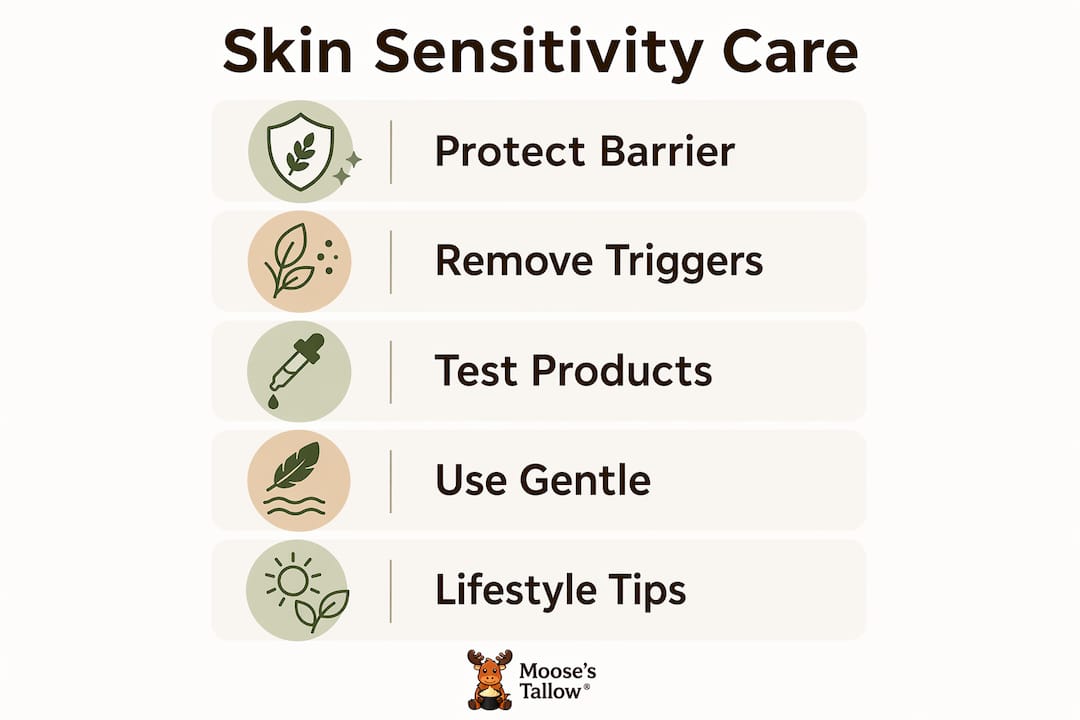
Empieza por tu limpiador y tu humectante. Usa fórmulas suaves y sin fragancia que no resequen tu piel. Busca ingredientes que apoyen la barrera cutánea en lugar de agredirla. La reparación de la barrera es el objetivo terapéutico, e incluso las pequeñas mejoras en la TEWL activan las vías naturales de curación. Eso significa que el humectante adecuado no es solo comodidad. Es medicina para tu barrera.
Las prácticas clave de manejo incluyen:
- Simplifica tu rutina. Menos productos significan menos desencadenantes potenciales. Un enfoque de menos es más es la recomendación estándar de la American Academy of Dermatology para la piel sensible.
- Evita los activos potentes. El retinol, los ácidos exfoliantes y la vitamina C en alta concentración son irritantes comunes para la piel reactiva. Si quieres opciones antiedad sin retinol, existen alternativas más suaves.
- Usa protector solar de amplio espectro a diario. La exposición a los rayos UV debilita la barrera cutánea y empeora la reactividad con el tiempo.
- Haz una prueba de parche con cada producto nuevo. Aplícalo en la línea de la mandíbula o detrás de la oreja y espera 24 a 48 horas antes de usarlo en toda la cara.
- Ajústate al clima. El aire frío y seco y el viento son desencadenantes importantes. Aumenta la frecuencia del humectante en los meses de invierno.
Consejo pro: Al introducir cualquier producto nuevo, prueba un artículo a la vez y espera una semana completa antes de agregar otro. Así es fácil identificar exactamente qué causó una reacción.
Los cambios en el estilo de vida también importan. Lávate con agua tibia en lugar de caliente. Elige un detergente para ropa sin fragancia. Usa telas suaves y naturales sobre tu piel. Estos pequeños ajustes reducen la carga total de irritantes que tu piel enfrenta cada día. Una buena lista de cuidado para la piel sensible puede ayudarte a llevar registro de lo que has cambiado y de lo que todavía necesita atención.
¿Cuáles son los tipos de piel sensible?
La piel sensible no es una sola categoría. Se divide en cuatro tipos reconocidos, y conocer el tuyo define tus decisiones de cuidado.
| Tipo | Característica clave | Mejor enfoque |
|---|---|---|
| Sensibilidad natural | Predisposición genética, a menudo ligada a condiciones como el eczema | Apoyo de la barrera a largo plazo con mínimos activos |
| Sensibilidad ambiental | Provocada por el clima, la contaminación o los cambios de estación | Humectantes protectores y protector solar todo el año |
| Reactiva | Respuesta fuerte a productos o ingredientes específicos | Enfoque de eliminación, pruebas de parche estrictas |
| Piel fina | Menor grosor de la piel, a menudo relacionado con la edad | Fórmulas extra suaves, sin exfoliación física |
El síndrome de piel sensible es una enfermedad inflamatoria neurovascular distinta, separada de la rosácea y de otras dermatosis. Esta distinción importa porque los tratamientos estándar para la rosácea, incluidos ciertos antibióticos tópicos y agentes antiinflamatorios, no abordan los mecanismos neurosensoriales que impulsan el síndrome de piel sensible. Usar el tratamiento equivocado desperdicia tiempo y puede empeorar los síntomas. Conocer tu tipo te orienta hacia un cuidado que de verdad le queda a tu piel.
Puntos clave
La sensibilidad de la piel es una condición real y distinta, impulsada por la disfunción de la barrera y la hipersensibilidad nerviosa, y responde mejor a rutinas suaves y mínimas centradas en la reparación de la barrera.
| Punto | Detalles |
|---|---|
| La sensibilidad de la piel se define con claridad | Es una condición en la que la piel reacciona de forma exagerada a estímulos normalmente inofensivos como la fragancia o la temperatura. |
| La reparación de la barrera es el objetivo central | Incluso pequeñas reducciones en la TEWL activan el proceso natural de curación de la piel. |
| Los síntomas varían mucho | El ardor, el escozor y la tirantez pueden ocurrir sin enrojecimiento ni daño visible. |
| La simplicidad le gana a la complejidad | Menos productos y ningún activo agresivo reducen la irritación y protegen la barrera. |
| El tipo determina el tratamiento | La sensibilidad natural, la reactiva, la ambiental y la piel fina necesitan cada una un enfoque de cuidado diferente. |
Lo que he aprendido al escuchar a la piel sensible
Empecé Moose's Tallow porque leí la etiqueta de una loción y no reconocí la mayoría de lo que había en ella. El primer ingrediente era agua. Eso me dijo que el producto era en su mayoría relleno. Cuando empecé a hablar con personas de piel sensible, escuché la misma historia una y otra vez. Habían probado producto tras producto, y cada uno o no hacía nada o empeoraba las cosas.
Lo que he llegado a creer es que la mayoría de los problemas de piel sensible empeoran por los productos que la gente usa para resolverlos. Las listas largas de ingredientes, las fragancias sintéticas y los aceites portadores inestables suman a la carga de irritantes. La piel nunca tiene la oportunidad de calmarse. Reconocer el síndrome de piel sensible como una condición propia importa porque evita que la gente persiga los tratamientos equivocados.
El enfoque que de verdad funciona es aburrido según los estándares del marketing. Usa menos cosas. Elige ingredientes que tu piel reconozca. Dale tiempo. El sebo de res funciona bien para la piel sensible porque su perfil de ácidos grasos es cercano a los aceites propios de tu piel. Se absorbe sin pelear con la barrera. El aceite de coco fraccionado, nuestro portador preferido, es estable, resiste la oxidación y no se pone rancio en tu estante. No son ingredientes de moda. Son ingredientes honestos.
Si tu piel es reactiva, te animo a hablar con un dermatólogo antes de gastar más dinero en productos. Ten una imagen clara del tipo de sensibilidad que tienes. Luego arma la rutina más simple posible en torno al apoyo de la barrera. Ese es el camino que de verdad lleva a algún lado.
Brian Smith
Moose's Tallow y el cuidado de la piel sensible
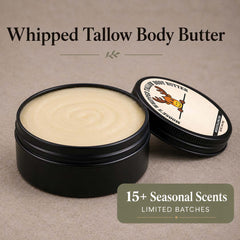
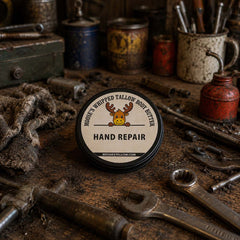
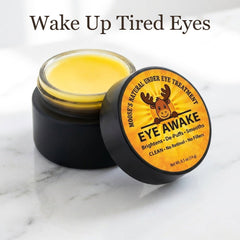
La piel sensible necesita ingredientes que trabajen con la barrera cutánea, no en su contra. Moose's Tallow construye cada fórmula en torno al sebo de res, el aceite de coco fraccionado, la cera de abejas, la vitamina E (tocoferoles), la jojoba, el ricino y el aceite infusionado con yema de huevo. Cada ingrediente se elige a propósito. Nada es relleno. Las fórmulas son sin agua, lo que significa que no hay dilución ni conservantes necesarios para estabilizar el contenido de agua. Si buscas por dónde empezar, el bálsamo labial de sebo es una opción suave y que apoya la barrera para los labios sensibles. La manteca corporal batida de sebo cubre el resto de tu piel con la misma formulación honesta. Ambos se hacen en lotes pequeños en Lebanon, PA, y están respaldados por una garantía de 30 días.
Preguntas frecuentes
¿Qué es la sensibilidad de la piel en términos simples?
La sensibilidad de la piel es una condición en la que la piel reacciona de forma exagerada a estímulos que la piel normal tolera, y provoca ardor, escozor, picazón o enrojecimiento. Afecta a un estimado de 50 a 70% de los adultos en todo el mundo.
¿Qué desencadena más la sensibilidad de la piel?
Las fragancias, los detergentes fuertes, el clima extremo y los activos potentes del cuidado de la piel como el retinol y los ácidos exfoliantes son los desencadenantes más comunes de las reacciones de la piel sensible.
¿En qué se diferencia la piel sensible de la rosácea?
El síndrome de piel sensible y la rosácea tienen mecanismos biológicos diferentes. La rosácea implica niveles elevados de péptidos antimicrobianos; el síndrome de piel sensible no, lo que significa que los tratamientos diseñados para la rosácea a menudo no ayudan a la piel sensible.
¿Puede mejorar la sensibilidad de la piel con el tiempo?
Sí. La reparación constante de la barrera con productos suaves y sin fragancia, junto con evitar los desencadenantes, puede reducir la reactividad. Las mejoras en la TEWL, incluso las pequeñas, activan el proceso natural de curación de la piel.
¿Cómo sé si tengo piel sensible o normal?
La piel sensible reacciona con ardor, escozor, tirantez o enrojecimiento después del contacto con productos comunes o cambios ambientales. La piel normal tolera estas mismas exposiciones sin molestias ni reacción visible.
Recomendados
- El cuidado natural de la piel explicado: beneficios para la piel sensible – Moose's Tallow
- Tipos de humectantes naturales: mejores opciones para la piel sensible – Moose's Tallow
- Tu lista de cuidado para la piel sensible para una piel tranquila y feliz – Moose's Tallow
- Por qué elegir sebo en lugar de cremas para la piel sensible – Moose's Tallow


0 comentarios