

Sorting through skincare products can feel overwhelming when every label is packed with ingredients you barely recognize. Many of those common additives, like parabens, synthetic fragrances, and sulfates, have hidden effects on your skin and health. Research shows that parabens are absorbed through your skin and can disrupt hormones while synthetic fragrances increase risks for allergies and irritation, and sulfates may trigger skin dehydration and microbiome disruption—especially if you have sensitive skin.
If you’re concerned about the impact of these chemicals and want to protect your skin for the long run, you’ll find real solutions here. This list breaks down the exact ingredients you should avoid and offers safer alternatives you can use right now. Get ready to discover practical, science-backed steps that will make your skincare routine healthier and smarter.
Table of Contents
Quick Summary
| Key Insight | Explanation |
| 1. Avoid Parabens for Hormonal Health | Parabens disrupt hormonal balance and can lead to health issues. Opt for paraben-free products to protect your health. |
| 2. Ditch Synthetic Fragrances with Phthalates | Synthetic fragrances with Phthalates can trigger allergies and disrupt hormones. Choose products scented with essential oils instead. |
| 3. Choose Sulfate-Free Cleansers | Sulfates strip away your skin’s natural oils, causing irritation. Use sulfate-free cleansers to maintain your skin barrier. |
| 4. Skip Artificial Colors | Synthetic dyes add no benefit and can cause allergic reactions. Look for naturally colored skincare products without synthetic dyes. |
| 5. Avoid Formaldehyde-Releasing Preservatives | These preservatives release harmful formaldehyde into your skin over time. Select formaldehyde-free products to reduce cancer risks. |
1. Understand Parabens and Their Risks
Parabens are preservatives found in countless skincare and beauty products. You’ll see them listed as methylparaben, propylparaben, butylparaben, or ethylparaben on ingredient labels. They keep products from spoiling by fighting bacteria and mold.
But here’s what matters: parabens come with real concerns that affect your health and your skin’s future.
Why Parabens Are Problematic
Parabens act as endocrine disruptors, meaning they can mimic estrogen in your body. This interferes with your hormonal balance, which is especially concerning if you’re managing hormonal health. Studies show parabens are absorbed through skin, raising concerns about cumulative exposure over time.
Your skin barrier faces damage too. Research reveals that parabens like methyl and propyl varieties cause cytotoxicity in skin cells. They actually disrupt collagen synthesis, which means they’re breaking down the very proteins keeping your skin firm and healthy.
Prolonged paraben exposure compromises both your hormonal system and your skin’s structural integrity.
What Happens When You Use Paraben Products
When you apply paraben-containing skincare, these chemicals don’t just sit on the surface. They penetrate your skin and enter your bloodstream. Over months and years, this repeated exposure accumulates in your body.
Common issues from paraben use include:
-
Skin irritation and sensitivity reactions
-
Disrupted hormone levels affecting mood and metabolism
-
Weakened skin barrier function
-
Reduced collagen production and elasticity
-
Long-term cancer risks from cumulative endocrine disruption
Women ages 30 to 50 are especially vulnerable. You’re managing multiple skincare concerns while navigating hormonal changes naturally. Adding paraben exposure on top of this creates unnecessary stress on your body.
How to Spot Parabens on Labels
Parabens hide under several names on ingredient lists. Check for any ingredient ending in “paraben.” Common ones include:
-
Methylparaben
-
Ethylparaben
-
Propylparaben
-
Butylparaben
-
Isopropylparaben
The closer these appear to the top of the ingredient list, the higher the concentration. Even “low-dose” parabens accumulate over time when used daily across multiple products.
The Better Alternative
You don’t need parabens for effective skincare. Natural preservative systems work beautifully. Products using beef tallow as a base actually require minimal preservation because tallow’s natural composition resists spoilage naturally.
When you choose paraben-free skincare, you’re protecting both your hormonal health and your skin’s ability to rebuild collagen and maintain elasticity.
Pro tip: Read ingredient lists before buying, not after, and choose multi-use products (like one versatile tallow lotion) instead of five different paraben-filled products to reduce your total exposure.
2. Why to Avoid Synthetic Fragrances w/Phthalates
Synthetic fragrances make skincare products smell amazing. That lovely scent you love in your moisturizer or body butter? Often comes from synthetic fragrance compounds created in laboratories. The problem is these chemicals carry serious health risks that most people don’t realize.
Unlike natural scents derived from plants, synthetic fragrances are chemical cocktails with minimal safety oversight and unclear long-term effects on your body.
Pro tip: Test any new fragrance product on your inner arm first and wait 24 hours to catch delayed reactions before applying to your face.
3. The Dangers of Sulfates in Skincare
Sulfates are cleaning agents found in most commercial shampoos, body washes, and facial cleansers. They create that satisfying lather and foam that makes you feel like your skin is getting truly clean. The problem is sulfates come with serious consequences that damage your skin barrier and disrupt your skin’s natural balance.
These powerful cleansers strip away far more than just dirt and oil. They remove the protective oils your skin needs to stay healthy and resilient.
How Sulfates Damage Your Skin
Sulfates work by breaking down oils and dirt so they wash away easily. This aggressive action is perfect for removing grime, but it goes too far. Sulfates cause skin dehydration, irritation, and microbiome disruption, especially in sensitive skin or conditions like eczema.
Your skin has a natural microbiome of beneficial bacteria that protect it. Sulfates destroy this delicate ecosystem. Once damaged, your skin becomes increasingly reactive, inflamed, and prone to breakouts.
Women with sensitive skin, dry skin, or existing conditions like rosacea or eczema face the worst effects. But even healthy skin suffers cumulative damage from daily sulfate exposure.
Sulfates strip your skin’s protective barrier, leaving it vulnerable to irritation, dehydration, and infection.
The Real Cost of That Lather
That satisfying foam isn’t a sign of cleaning power. It’s actually a sign of how aggressively sulfates are stripping your skin. Many effective cleansers don’t create much foam at all because they clean gently without destroying your skin barrier.
When you use sulfate cleansers daily, your skin responds by producing excess oil to compensate for lost moisture. This creates a frustrating cycle where your skin feels oily, so you wash more, which strips more oil, triggering more overproduction.
Common Sulfates to Avoid
Watch ingredient labels for these sulfate compounds:
-
Sodium lauryl sulfate (SLS)
-
Sodium laureth sulfate (SLES)
-
Ammonium lauryl sulfate
-
TEA lauryl sulfate
-
Sodium myreth sulfate
These appear in cleansers, shampoos, body washes, and sometimes even makeup removers. The higher up they appear on the ingredient list, the more concentrated they are.
Why Sulfate-Free Is Better
Sulfate-free cleansers clean effectively without the damage. They remove dirt and excess oil while preserving your skin’s natural protective barrier and beneficial microbiome. Your skin stays hydrated, calm, and balanced.
For sensitive skin or dry skin, sulfate-free is non-negotiable. But even if your skin seems resilient, switching to sulfate-free cleansers will improve your skin’s long-term health and reduce chronic irritation.
Pro tip: Transition gradually to sulfate-free cleansers over a week or two rather than switching overnight, as your skin needs time to adjust and stop overproducing oil.
4. Skipping Artificial Colors for Healthy Skin
Artificial colors make skincare products visually appealing. That vibrant pink moisturizer or blue face mask catches your eye on the shelf. But those synthetic dyes are there purely for marketing purposes, and they come with serious health costs that most people ignore.
The color adds nothing to the product’s effectiveness. What it does add is chemical risk to your body and your skin.
The Hidden Dangers of Synthetic Dyes
Artificial colors in skincare come primarily from coal tar dyes, synthetic compounds created from petroleum. These dyes are linked to serious health problems including allergies, dermatitis, and endocrine disruption. Artificial colors contribute to allergic reactions, skin irritation, and potential carcinogenic risks according to cosmetic toxicology research.
Your skin absorbs these synthetic dyes directly. When you apply a colored moisturizer or serum, the dye molecules penetrate your skin barrier and enter your bloodstream. Over months and years of daily use, this exposure accumulates in your body with unknown long-term effects.
Women with sensitive skin face the worst consequences. But every woman absorbs these chemicals regardless of skin type, making artificial colors an unnecessary risk.
Artificial colors serve no skincare function and create measurable health risks through absorption and accumulation.
Why Artificial Colors Damage Your Skin
Synthetic dyes trigger inflammatory responses in your skin. They cause allergic contact dermatitis, meaning your skin develops increasing sensitivity over time. What feels fine initially can develop into chronic irritation and reactivity.
These dyes also disrupt your endocrine system, affecting hormone balance and metabolism. For women already managing hormonal changes in their 30s and 40s, this additional hormonal stress creates unnecessary health complications.
Common Artificial Colors to Avoid
Watch ingredient labels for these synthetic dyes:
-
FD&C Yellow No. 5 (Tartrazine)
-
FD&C Red No. 40 (Allura Red AC)
-
FD&C Blue No. 1 (Brilliant Blue FCF)
-
D&C Red No. 33
-
Ultramarines and other synthetic colorants
If an ingredient list includes any numbered color (like “Color No. 5”), it’s synthetic. These appear most often in serums, masks, tinted moisturizers, and body lotions.
What You Actually Need
Natural skincare benefits sensitive skin far better than artificially colored products. Your skin doesn’t need vibrant colors to work effectively. In fact, the most potent skincare comes in neutral, natural tones from genuine ingredients like beef tallow, honeycomb, and botanical infusions.
The color of your skincare product has zero correlation with its effectiveness. A beige moisturizer works exactly as well as a pink one. Skip the artificial dyes and protect your health instead.
Pro tip: When shopping, choose products with natural, neutral colors and verify the ingredient list contains no synthetic dyes, even if the product looks less exciting on the shelf.
5. Steering Clear of Formaldehyde-Releasing Preservatives
Formaldehyde-releasing preservatives (FRPs) hide in countless skincare and personal care products under sneaky chemical names. These preservatives slowly release formaldehyde, a known human carcinogen, directly into your skin as you use the product daily. Most women don’t realize they’re applying cancer-linked chemicals to their face and body.
Unlike other preservatives that work upfront, FRPs continuously release formaldehyde over time. Your skin absorbs it with every application, and the exposure accumulates throughout your life.
Understanding the Health Risks
Formaldehyde is classified as a human carcinogen by major health organizations worldwide. Formaldehyde-releasing preservatives pose cancer risks and skin allergies according to research from Columbia University’s School of Public Health. These chemicals trigger allergic reactions, dermatitis, and respiratory issues even at low exposure levels.
The problem is particularly acute for women of color. Black and Latina women face disproportionate exposure to formaldehyde through personal care products, yet receive less regulatory protection. This health inequity reflects broader gaps in cosmetic safety standards.
Your body absorbs formaldehyde through your skin with each application. Over time, this accumulation increases your cancer risk and triggers chronic skin sensitization and inflammation.
Formaldehyde-releasing preservatives slowly poison your skin while appearing safe in ingredient lists.
Common Formaldehyde-Releasing Preservatives
Key formaldehyde-releasing preservatives include quaternium-15, DMDM hydantoin, and imidazolidinyl urea found throughout the cosmetics industry. These appear in moisturizers, serums, body lotions, shampoos, and makeup. Check your current skincare products right now, and you’ll likely find at least one.
These ingredients are used because they’re inexpensive and effective at preventing product spoilage. But their low cost comes at the expense of your health.
Common FRPs to avoid:
-
Quaternium-15
-
DMDM hydantoin
-
Imidazolidinyl urea
-
Diazolidinyl urea
-
Sodium hydroxymethylglycinate
-
Bronopol
-
2-Bromo-2-nitropropane-1,3-diol
Why You Should Switch Now
You don’t need formaldehyde-releasing preservatives for effective skincare. Safe preservation methods exist and work beautifully. Products using natural preservation systems like beef tallow, beeswax, and vitamin E protect against spoilage without releasing toxins.
By choosing formaldehyde-free skincare, you eliminate a genuine carcinogen from your daily routine. This is one of the clearest, most actionable health decisions you can make for your skin and your body.
Pro tip: Before buying any new skincare product, search the ingredient list for FRP names online, and choose brands that clearly state “formaldehyde-free” or use only natural preservation methods.
6. Choosing Safer Alternatives for Your Family
Now that you understand what to avoid, the real question is what to use instead. Safer skincare alternatives exist and work beautifully. You don’t have to compromise on effectiveness or comfort to protect your health and your family’s health.
The shift to clean skincare starts with understanding what actually works and why. Then you can confidently choose products that nourish without harming.
What Makes a Safer Alternative
Safer skincare uses transparent ingredients that serve real purposes in the formula. Each ingredient has a function, not just a marketing angle. The best alternatives use natural preservatives, gentle cleansers, and truly nourishing oils instead of synthetic shortcuts.
Products using natural preservatives like vitamin E and rosemary extract provide effective protection without releasing toxins. These ingredients preserve products safely while supporting skin health. Natural preservation systems work because they’re based on what skin actually needs.
When you choose safer alternatives, you’re investing in long-term skin health for yourself and protection for your family.
Safer skincare means every ingredient serves your skin’s health, not just the company’s profit margin.
Building a Safer Skincare Routine
Start by replacing your highest-risk products first. Your cleanser matters most because you use it twice daily and it stays on your skin longest. Switch to a gentle, sulfate-free cleanser that doesn’t strip your barrier.
Next, replace your moisturizer with a formula using natural oils and butters instead of synthetic fillers. Then gradually phase out other products containing the harmful ingredients you now recognize.
You don’t need to replace everything at once. Intentional switching gives your skin time to adjust and helps you notice what actually works for your unique skin.
Smart Ingredient Swaps
When shopping, look for these safer alternatives:
-
Natural preservatives: vitamin E, rosemary extract, tocopherols
-
Fragrances: essential oils, botanical infusions, naturally scented with real ingredients
-
Cleansers: gentle plant-based surfactants instead of sulfates
-
Hydration: plant-based oils like jojoba, coconut, beef tallow for barrier support
-
Colors: none needed (natural products don’t need artificial dyes)
Read labels carefully and look for brands showing complete ingredient transparency. If a company hides ingredients or uses vague language, skip it.
Teaching Your Family
Your choices influence your children’s skincare habits for life. When you choose clean skincare, you’re teaching them that their health matters more than marketing. This foundation of self-care awareness protects them as adults.
Involve your family in the transition. Let them feel the difference between harsh and gentle products. Help them understand why you’re making these switches so they develop their own awareness.
Pro tip: Start a simple habit of checking ingredient lists before buying any skincare product, and keep a list of names to avoid on your phone for quick reference while shopping.
Below is a comprehensive table summarizing the key topics, risks, and actionable steps discussed in the provided article about skincare concerns and safer choices.
| Topic | Details | Recommendations |
| Parabens in Skincare | Used as preservatives, but act as endocrine disruptors and cause collagen synthesis issues. | Opt for paraben-free products and check ingredient labels for derivatives like methylparaben. |
| Synthetic Fragrances | Associated with allergies and long-term sensitivity due to a cocktail of chemicals. | Choose naturally scented products using essential oils. |
| Sulfates in Cleansers | Known to strip natural oils, disrupt the microbiome, and aggravate sensitive skin. | Transition to sulfate-free cleansers with gentle surfactants. |
| Artificial Dyes | Provide no functional benefits and can contribute to dermatitis and endocrine disruption. | Avoid products listing coal tar-based dyes and numbered color chemicals. |
| Formaldehyde-Releasing Agents | Preservatives that continuously release formaldehyde, a known carcinogen. | Select formulations explicitly stating natural or no-formaldehyde preservatives. |
| Transition to Safer Alternatives | Emphasizes ingredient transparency, preservation quality, and natural effectiveness. | Introduce natural, multifunctional products gradually to enable skin adjustments. |
Protect Your Skin by Avoiding Harmful Ingredients with Moose’s Tallow
The article highlights the hidden dangers of common skincare ingredients like parabens, synthetic fragrances, sulfates, artificial colors, and formaldehyde-releasing preservatives. These chemicals disrupt your hormones, damage your skin barrier, cause irritation, and accumulate over time creating lasting harm. If you are looking to escape this cycle of harmful ingredients and embrace a safer, nourishing routine that truly supports your skin’s health then choosing products made with simple, natural ingredients is the key.
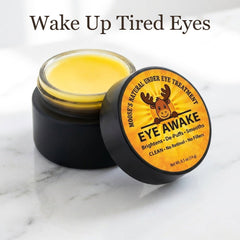
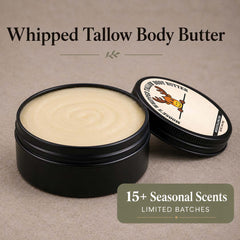
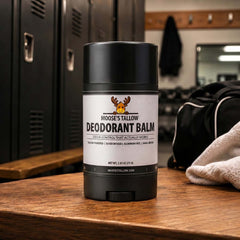
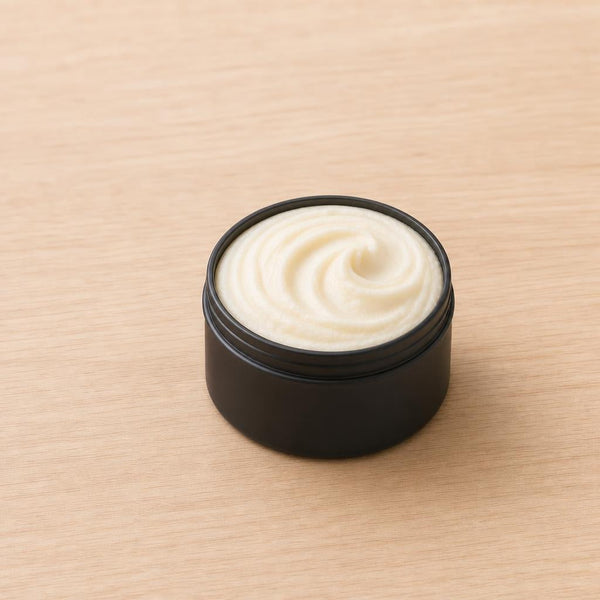
Moose’s Tallow offers a thoughtfully crafted selection of small-batch skincare products rooted in old-world care that nourish deeply without harmful synthetics. Made from carefully rendered beef tallow and infused with natural oils and gentle botanical extracts, our skincare supports your skin’s barrier, promotes healing, and absorbs cleanly without residue. You can explore our complete range at Shop Our Handmade Small-Batch Skincare or discover the unique benefits of our egg yolk oil infused line at Shop Our Egg Yolk Oil Infused Items. For a cozy, comforting experience, our whipped honeycomb tallow collection brings natural aromas and deep hydration found here Whipped Honeycomb Tallow.
Make the switch to clean skincare today and enjoy radiant, healthier skin free from unnecessary chemicals. Visit Moose’s Tallow now to start your journey toward a simpler, safer routine your skin will thank you for.
Frequently Asked Questions
What are parabens, and why should I avoid them in skincare?
Parabens are preservatives that can disrupt hormonal balance and damage skin cells. To protect your health, check ingredient lists for any parabens and opt for paraben-free products instead.
How do synthetic fragrances affect my skin and health?
Synthetic fragrances can trigger allergies, skin irritation, and even hormonal disruptions. Choose skincare products scented with natural essential oils or botanical extracts to minimize exposure to harmful chemicals.
What are sulfates, and why are they harmful to my skin?
Sulfates are powerful cleansers that strip away natural oils, leading to skin dehydration and irritation. Look for sulfate-free cleansers that preserve your skin’s barrier and maintain hydration.
Why should I avoid artificial colors in skincare products?
Artificial colors serve no beneficial purpose in skincare and can trigger allergic reactions while disrupting hormone balance. Opt for products with natural colors derived from real ingredients for safer options.
What are formaldehyde-releasing preservatives, and how do they affect me?
Formaldehyde-releasing preservatives slowly release a known carcinogen into your skin, posing serious health risks. Choose skincare items labeled as formaldehyde-free and verify their ingredient lists to avoid these harmful chemicals.
How can I build a safer skincare routine for healthier skin?
Start by replacing your highest-risk products, like cleansers and moisturizers, with safer alternatives using natural ingredients. Transition gradually over a few weeks to allow your skin to adjust and recover, aiming for long-term improvements in skin health.


0 comments