

Fresh white deodorant marks often come off with a brush and a cold rinse. Set-in yellow stains need a pre-soak, a targeted cleaner, and patience. Skip the dryer until the mark is gone. Heat locks stains in for good.
TL;DR:
- Fresh white deodorant residue can typically be removed with simple brushing or cold water rinsing before washing, while older yellow stains require chemical treatment and patience.
- Applying deodorant at night and waiting for it to fully dry before dressing can significantly reduce staining, especially on tighter or less breathable fabrics.
- Whitening stains on light clothing can be treated with baking soda, hydrogen peroxide, or vinegar and enzyme detergents, but heat from dryers or irons can permanently set stains.
- Silk, wool, and synthetics need gentle handling, with professional cleaning recommended for severe or delicate cases to avoid fabric damage.
- Switching to a thinner, balm-style deodorant with fewer waxes and fillers may reduce the transfer and staining risk, particularly when combined with proper stain prevention habits.
Why Do Deodorant Stains Look So Different on Clothes?
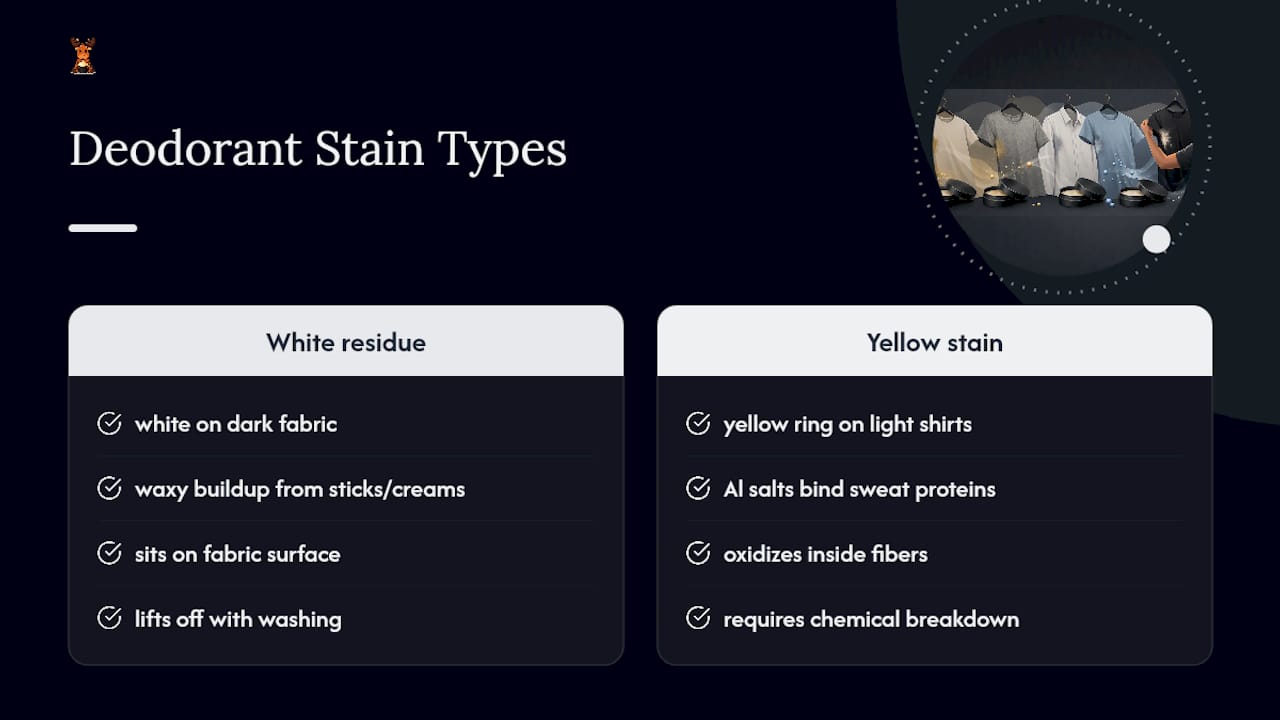
Deodorant stains show up two ways, and they’re not the same problem. White residue sits on top of dark fabric. It’s waxy buildup from sticks and creams that never fully absorbed into the fibers.
Yellowing is different. It shows up on light shirts, often in a ring shape, and it comes from a chemical reaction, not surface buildup. The aluminum salts in antiperspirants bind with sweat proteins, and that mix oxidizes into a yellow tint over time.
Knowing which one you’re looking at matters. White residue lifts off. Yellow staining needs to be broken down chemically, and using the wrong method on the wrong stain wastes a wash cycle.
What Actually Causes Deodorant Stains on Clothes?
The chemistry behind these stains explains why some fixes work and others make things worse. Aluminum salts don’t just sit on your shirt. They bind with sweat proteins and work their way into the fabric itself, which is why old yellow stains resist a plain wash.
Oils and waxes behave differently. They coat the fiber surface, and regular detergent often can’t cut through that layer without a pretreatment step first.
Heat is the real enemy here. Dryers and irons can chemically set the discoloration, turning a treatable stain into a permanent one. Washing a stained shirt over and over without pretreating it doesn’t help either. It just bakes the residue in a little deeper each time.
How Do You Get Rid of Fresh Deodorant Marks Fast?
Fresh white streaks are the easiest fix you’ll ever deal with, and you probably already own everything you need.
- Rub the fabric against itself, or swipe a dryer sheet, nylon stocking, or clean sock across the mark to lift dry residue.
- Brush gently with a soft toothbrush to loosen anything stuck to the fibers.
- Rinse under cold water, then launder as soon as you can.
- For dark, sturdy fabrics only, a damp cloth with rubbing alcohol can help. Test a hidden spot first.
These household fixes work because the residue hasn’t bonded with the fabric yet. It’s just sitting there, waiting to be brushed off.
Pro Tip: Keep a folded dryer sheet in your bag or desk drawer. It’s the fastest fix for a surprise streak before a meeting, and it costs nothing.
How Do You Remove Set-In Yellow Sweat Stains?
Set-in stains take more effort, but they’re rarely a lost cause if you catch them before too many hot-dryer cycles.
- Rinse in cold water first. Hot water can set the protein in the stain before you’ve even started treating it.
- For white fabrics, mix baking soda, hydrogen peroxide, and water into a paste. Apply it to the stain, let it sit, then launder in warm or hot water according to the care label.
- For colored fabrics, soak in a diluted white vinegar solution, or use an enzyme detergent, and scrub gently with a soft brush.
- Repeat before drying. Laundry experts recommend treating the stain more than once if it’s stubborn, since drying in heat can lock in whatever is left.
- When it’s a structured or delicate piece, skip the DIY route and take it to a professional cleaner instead.
A pre-soak with detergent or white vinegar in cool water before the main wash breaks down residue that a normal cycle would leave behind. That single step separates a stain that comes out from one that doesn’t.
A few safety notes matter here. Always test any cleaner on a hidden seam first. Never use ammonia on silk or wool. And never, under any circumstances, mix bleach with hydrogen peroxide or ammonia. That combination creates dangerous fumes, not a cleaner shirt.
Which Fabrics Need Extra Caution With Deodorant Stains?
Not every fabric can handle the methods above, and treating silk like cotton is how you end up with a ruined shirt instead of a clean one.
Silk and wool need a gentler hand. Blot instead of scrub, stick to cold water only, and keep agitation to a minimum. If the stain is severe, a professional cleaner is the safer bet.
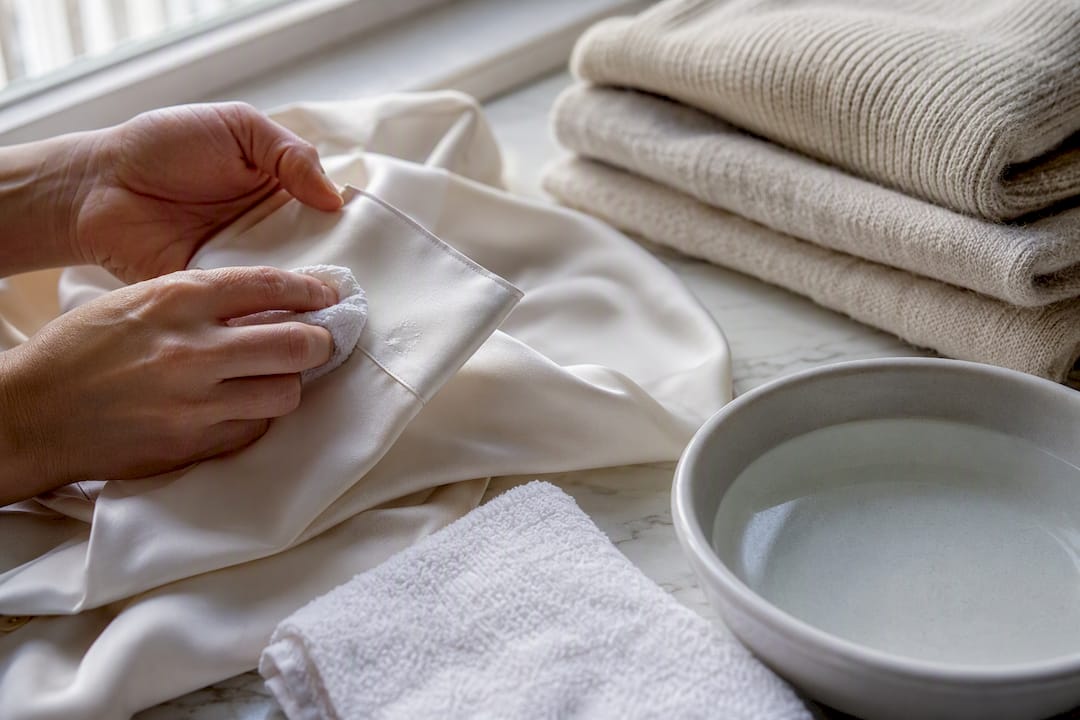
Synthetic fabrics trap oils more than natural fibers do, which is part of why polyester blends stain so easily in the first place. Alcohol or denatured alcohol can help, but test a hidden area before treating the visible stain.
Leather and structured garments, like blazers with shoulder padding or lined jackets, don’t belong in a home wash at all. Wet cleaning can warp the shape or damage the lining. A dry cleaner experienced with those pieces is worth the trip.
What Habits Actually Prevent Deodorant Stains?
Prevention beats treatment every time, and most of it comes down to timing rather than product choice.
- Apply a thin layer and let it fully dry before you get dressed. Applying at night gives it even more time to set before fabric touches skin.
- If yellowing keeps coming back, consider a clear or spray formula, or try an aluminum-free option instead.
- Wash shirts promptly after heavy sweating rather than letting them sit in a hamper.
- Skip the dryer until you’re sure a stain is fully gone. Heat can make a treatable mark permanent.
Tighter, non-breathable fabrics also hold more sweat against the skin, which raises staining risk regardless of what deodorant you use. Loose, breathable fibers help on both fronts.
What I’ve Learned About Residue and Ingredient Choice
At Moose’s Tallow, I think a lot about what actually happens when a product meets fabric, not just skin. Beef suet tallow and fractionated coconut oil absorbs into skin cleanly, unlike heavier waxy bases that sit on the surface longer and transfer more easily to a collar or underarm seam.
Balm-style deodorants, like the ones we make, go on in a thin layer, which matters for staining. A little goes a long way. Applying too much of anything, natural or not, raises the chance it ends up on fabric before it fully absorbs.
One honest note: switching to an aluminum-free deodorant can mean a short adjustment period where you notice more wetness than usual. That’s normal, not a sign the product is failing. It settles.
I built this brand after reading a label with 52 ingredients and deciding I wanted something simpler. Ingredient transparency and a 30-day guarantee are how we back that up.
What Most Stain Advice Gets Wrong
Most stain guides treat every deodorant mark as one problem with one fix. That’s the biggest mistake I see. White residue and yellow staining come from completely different mechanisms, and the guides that skip that distinction send people straight to the wrong shelf of cleaning products.
The other thing that gets underweighted is timing. Every laundry expert I’ve read agrees on one point: a fresh mark is a five-minute fix, and a heat-set yellow stain can take multiple rounds of soaking and still not fully lift. The gap between those two outcomes isn’t really about which cleaner you use. It’s about how fast you act, and whether a dryer touched the fabric before the stain was gone.
If I had to give one piece of advice, it’s this: stop reaching for the dryer as your reset button. Air-dry anything with a stain until you’re certain it’s out. That single habit prevents more permanent damage than any miracle spray on the market.
— Brian Smith
Want Fewer Ingredients Behind Your Deodorant?
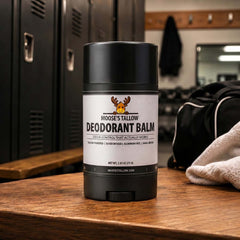
If part of your stain problem comes from a deodorant loaded with waxes, fragrance oils, and fillers, switching formulas is worth considering alongside better laundry habits. Forest Falls Deodorant is water-free and built on properly rendered local beef suet tallow, with no filler ingredients added for texture or shelf appeal.
It suits anyone who wants a simple formula and lower transfer risk from a balm-style deodorant, especially if you’ve had trouble with sticky residue rings on collars or underarms. Every batch is handmade in small quantities, and every ingredient is listed because we chose it on purpose.
Try it under our 30-day guarantee. If it’s not the right fit, we’ll make it right. Check out Forest Falls and see how a shorter ingredient list feels on your skin.
Sources
- Remove stains from antiperspirant/deodorant | University of Georgia Extension
- Why do antiperspirants stain my clothes? | HowStuffWorks
- How to Get Deodorant Stains Out of Clothes | BHG
- How to Remove Deodorant Stains From Clothes, According to Experts | Today
FAQ
Why Is My Deodorant Leaving Stains on My Clothes?
White marks come from waxy residue sitting on the fabric surface, while yellow stains form when aluminum salts in antiperspirant react with sweat proteins over time.
What Removes Deodorant Stains on Clothes?
Fresh marks come off with a brush and cold rinse. Set-in yellow stains usually need a baking soda and hydrogen peroxide paste on whites, or a vinegar soak with enzyme detergent on colors.
Are Deodorant Stains Permanent?
Not always, but heat makes them much harder to remove. Once a dryer or iron sets the stain, it becomes far more resistant to treatment, so acting before drying matters more than the cleaner you choose.
Will Dawn Remove Deodorant Stains From Clothes?
Dish soap can help cut through oily residue on fresh marks, but it isn’t a reliable fix for set-in yellow staining. A baking soda and hydrogen peroxide mix or an enzyme detergent soak works better for stains that have already oxidized.
Can Switching Deodorants Reduce Staining?
Choosing a thin-layer, balm-style formula and letting it dry before dressing cuts down on transfer. Some people also try aluminum-free options, though switching can mean a short adjustment period with more noticeable wetness at first.
0 comments