

Stop the product immediately. Rinse the area with cool water, pat dry, and apply a plain, unscented barrier ointment. That single sequence handles most deodorant rash fixes before they get worse.
First actions to take right now:
- Stop using the deodorant that caused the reaction
- Rinse the underarm gently with cool water and mild, unscented soap
- Pat dry with a soft cloth. Never rub
- Apply a plain, fragrance-free barrier ointment or zinc oxide paste
- Avoid shaving the area until the skin is fully calm
- Wear loose, breathable clothing to reduce friction
Seek urgent care if you notice trouble breathing, rapidly spreading blisters, fever, or swelling beyond the underarm. These signs point to a serious allergic reaction, not a simple contact rash.
Key Takeaways
Stopping the irritating product and supporting the skin barrier with a plain, unscented ointment resolves most deodorant rashes within about a week, provided you avoid reshaving and reintroducing the trigger ingredient.
| Point | Details |
|---|---|
| Stop the product first | Remove the trigger before any other treatment step. |
| Gentle cleansing daily | Use fragrance-free, mild soap and cool water; pat dry. |
| Barrier ointment over symptoms | Apply zinc oxide or a plain tallow-based salve to protect healing skin. |
| Patch test before switching | Test any new deodorant on one underarm for 3–7 days before full use. |
| Moose’s Tallow barrier option | The Tallow & Zinc Outdoor Sun Balm offers a fragrance-free, water-free barrier with zinc for sensitive underarm skin. |
Why deodorant causes a rash in the first place
Two distinct mechanisms are at work, and knowing which one you have changes how you treat it.
Irritant contact dermatitis is the more common type. The product physically damages the outer skin layer. Symptoms appear within hours: redness, stinging, and raw-feeling skin. Baking soda, alcohol, and high-pH formulas are frequent culprits. Natural deodorants can still trigger this — baking soda and essential oils are common offenders inside “natural” labels.
Allergic contact dermatitis involves an immune response. The skin may look fine for days, then erupt in an itchy, sometimes blistering rash. Fragrances are among the most common allergens in deodorants, but the full list of culprits is longer.
Common ingredient triggers:
- Fragrances and parfum blends
- Baking soda (sodium bicarbonate)
- Aluminum salts
- Propylene glycol
- Alcohol (ethanol or isopropyl)
- Essential oils (tea tree, lavender, citrus)
- Parabens and certain preservatives
| Feature | Irritant reaction | Allergic reaction |
|---|---|---|
| Timing | Hours after exposure | 24–72 hours after exposure |
| Symptoms | Burning, redness, rawness | Itching, hives, blistering |
| Usual triggers | Baking soda, alcohol, high pH | Fragrances, propylene glycol, preservatives |
| Who it affects | Anyone with enough exposure | Sensitized individuals only |
Cleveland Clinic notes that aluminum, fragrances, parabens, and propylene glycol are all documented triggers, and that switching products and using mild skincare is the standard first step.
How to treat a deodorant rash at home, step by step
Follow this plan over the first several days. Consistency matters more than any single product.
- Stop the product. Do not apply it again until the rash is fully resolved.
- Cleanse gently once daily. Use lukewarm water and a fragrance-free, gentle soap. Pat dry.
- Apply cool compresses. A clean cloth dampened with cool water, held against the skin for 10 minutes, calms redness and reduces swelling.
- Use a plain barrier ointment. Apply a thin layer after cleansing. Look for unscented, minimal-ingredient options. Zinc oxide paste works well for weeping or raw skin.
- Try OTC hydrocortisone 1% for itching. A short course (3–5 days) on intact, non-oozing skin can reduce inflammation. Skip it on open or broken skin.
- Avoid shaving. Razor friction on irritated skin slows healing and risks infection.
- Skip antifungal or antihistamine creams unless a clinician has confirmed the rash type. Applying the wrong treatment can delay recovery.
What to avoid during healing:
- Any product with fragrance, alcohol, or baking soda
- Tight synthetic fabrics that trap moisture
- Scratching or rubbing the area
- Applying multiple new products at once
Dermatologists recommend switching to simple, hypoallergenic, or fragrance-free products and wearing loose, breathable fabrics to reduce friction and moisture. Most mild rashes calm down within about a week with this approach. Persistent or worsening rashes warrant a clinician visit.
Expert tips: patch testing, label traps, and barrier support
The “fragrance-free” label trap
“Fragrance-free” does not always mean what you think. Board-certified dermatologists point out that fragrance-free products can still contain fragrance additives, and that propylene glycol is a common hidden trigger. Reading the full ingredient list is the only reliable check.
Other hidden triggers to watch for:
- Propylene glycol (listed as PG or propanediol in some forms)
- Methylisothiazolinone and other preservatives
- “Natural” essential oils marketed as gentle
- Masking fragrances (added to cover chemical smells, not listed as “fragrance”)
How to do a 48–72 hour patch test
Apply a small amount of the product to the inner forearm. Leave it on for 48–72 hours without washing. Watch for redness, itching, or swelling. If nothing appears, the product is less likely to trigger a reaction on your underarm. This is not a guarantee, but it is a practical screen before full use.
Pro Tip: Test one new product at a time. If you switch deodorant and moisturizer simultaneously and a rash appears, you will not know which one caused it.
One more thing worth knowing: your skin’s tolerance can change. Reactions can develop after years of using the same product without any issue. Repeated exposure can sensitize the immune system over time. A rash appearing suddenly with a product you have used for years is not unusual.
What to use next: choosing a gentle deodorant and barrier products
Ingredient checklist for your next deodorant:
- Fragrance-free (and verify the full ingredient list)
- Baking-soda-free (especially for sensitive or reactive skin)
- No propylene glycol
- No alcohol
- No synthetic preservatives if possible
A baking-soda-free deodorant is often the single most effective switch for people whose rash appeared after moving to a “natural” formula. Magnesium-based deodorant balms are worth considering as an alternative; they work at a lower pH and tend to be gentler on the skin barrier. Moose’s Tallow’s magnesium deodorant balm covers that option in detail.
For barrier support during healing, look for water-free salves built on stable, skin-compatible ingredients. Fractionated coconut oil is the preferred carrier oil for this purpose: it resists oxidation, absorbs easily, and has a long shelf life. Tallow-based barrier salves work similarly, with a fatty-acid profile close to the skin’s own oils. Both absorb cleanly without leaving a heavy residue.
Pro Tip: When trialing a new deodorant, apply it to one underarm only for the first 3–7 days. If that side stays clear, switch fully. If it reacts, you have not committed both sides.
Signs this is not a DIY fix and when to see a clinician
Most deodorant rashes resolve at home. Some do not, and waiting too long to seek care can make things worse.
See a dermatologist or clinician if you notice:
- Rash spreading beyond the underarm
- Yellow or green discharge (possible infection)
- Fever or swollen lymph nodes
- Severe pain or skin that feels hot to the touch
- Blisters that are spreading or breaking open
- No improvement after 7–10 days of home care
- Rash that keeps returning with multiple products
Mayo Clinic notes that a dermatologist may use patch testing to identify the specific allergen and can prescribe a topical corticosteroid when OTC options are not enough. Patch testing is particularly useful for people who react to multiple products and cannot identify the trigger on their own.
Go to urgent care or an emergency room immediately if you experience difficulty breathing, throat tightening, or a rash spreading rapidly across your body. These are signs of a systemic allergic reaction.
How to prevent deodorant rashes going forward
Prevention checklist:
- Choose fragrance-free, baking-soda-free deodorants
- Avoid alcohol-based sprays and aerosols
- Patch test every new product before full use
- Try one underarm first for 3–7 days
- Wear loose, breathable fabrics (cotton or moisture-wicking blends)
- Wait at least 24 hours after shaving before applying deodorant
- Apply deodorant only to clean, dry skin
Timing matters with shaving. Freshly shaved skin has micro-abrasions that let product ingredients penetrate more deeply, which raises the chance of irritation. Letting the skin rest one day before applying deodorant is a simple habit that makes a real difference.
Moisturizers and barrier creams that support healing
The underarm is a high-friction, high-moisture zone. Restoring the skin barrier should be the focus of treatment, not masking symptoms with more complex products.
For barrier support, look for:
- Zinc oxide paste or cream: forms a physical barrier on raw or weeping skin
- Plain petroleum jelly: occlusive, fragrance-free, and widely available
- Tallow-based salves: water-free, with a fatty-acid profile that supports the skin barrier without fillers
- Unscented, minimal-ingredient balms: fewer ingredients means fewer potential triggers
Avoid anything labeled “soothing” or “calming” that contains fragrance, essential oils, or a long ingredient list. Those additions are the most common reason a “healing” product makes a rash worse.
Alternative hair removal methods that reduce underarm irritation
Shaving is the most common source of micro-trauma in the underarm. If you are prone to rashes, the razor itself may be compounding the problem.
Gentler options to consider:
- Electric trimmer: removes hair without direct blade contact with skin
- Depilatory creams: dissolve hair at the surface, though some formulas contain fragrances that can irritate sensitive skin — read the label carefully
- Waxing or sugaring: removes hair from the root; less frequent sessions mean less repeated trauma, though the initial pull can irritate reactive skin
- Laser hair removal: a longer-term option that reduces regrowth and eliminates the need for repeated shaving
If you continue shaving, use a sharp, single-blade razor, shave with the grain, and always apply deodorant to fully healed skin.
Clothing choices that help prevent armpit rash recurrence
Fabric and fit affect the underarm more than most people realize. Tight synthetic fabrics trap heat and moisture, which creates exactly the environment where irritation and friction rashes thrive.
Fabric guidance:
- Cotton: breathable, soft, and low-friction against sensitive skin
- Moisture-wicking blends: designed for active use; move sweat away from the skin surface
- Loose-fitting cuts: reduce direct fabric contact with the underarm crease
- Avoid: tight polyester, nylon, or spandex blends worn directly against irritated skin
Laundry detergent is worth checking too. Residue from heavily fragranced or enzyme-rich detergents can linger in fabric and trigger reactions on already-sensitive skin. Switching to a fragrance-free, dye-free detergent is a low-effort step with a real payoff. For guidance on fabric care that minimizes residue and irritation, SweeTee Beauty’s fabric care tips cover the basics clearly.
A note from the founder
When I started Moose’s Tallow, I flipped over a lotion bottle and counted 52 ingredients. The first was water. That moment stuck with me. Sensitive skin does not need complexity. It needs the right ingredients, chosen on purpose.
Every product we make is built on properly rendered local beef suet tallow, fractionated coconut oil, beeswax, vitamin E, jojoba, castor, and egg yolk infused oil. Nothing is filler. Everything is water-free. The goal is simple: support the skin barrier with ingredients that actually belong there, not a long list of additives that pad out a formula.
If your underarm skin is reacting, the last thing it needs is more complexity.
Barrier-supportive options from Moose’s Tallow
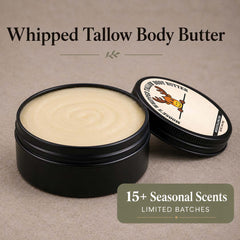
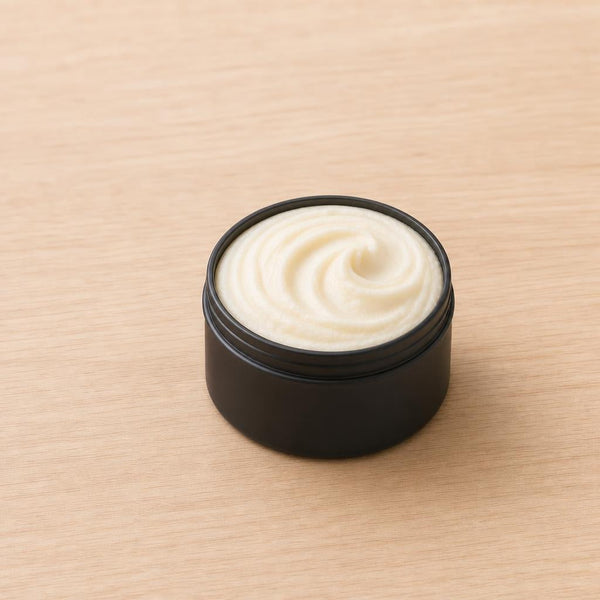
Irritated underarm skin needs fewer ingredients, not more. Moose’s Tallow’s Tallow & Zinc Outdoor Sun Balm is built on properly rendered local beef suet tallow, fractionated coconut oil, beeswax, vitamin E (tocopherols), jojoba, castor, and egg yolk infused oil. Zinc adds a physical barrier layer. No fragrance, no fillers, no water.
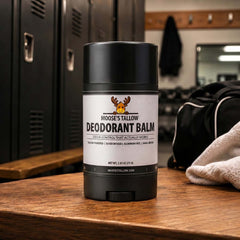
For a deodorant that skips baking soda and fragrance entirely, the Unscented Natural Deodorant is formulated for sensitive underarms. Every product ships with a 60-day guarantee. If it does not work for your skin, you are not stuck with it.
Sources
- Armpit Rashes: Causes, Symptoms, Treatment, and Prevention
- Dermatitis of the underarm area | Rajani Katta MD
- Itchy armpits: Common causes & treatments
- Contact dermatitis: Symptoms and causes
- Is Deodorant Causing Your Armpit Rash?
This article is general information, not a substitute for advice from a qualified doctor. Consult a qualified healthcare professional about your own circumstances before acting on anything here.
FAQ
How do you get rid of a deodorant rash fast?
Stop the product, rinse with cool water, and apply a plain barrier ointment or zinc oxide paste. Most mild rashes calm within 3–7 days with consistent gentle care.
Do deodorant rashes go away on their own?
Yes, most do, once you remove the trigger product and support the skin barrier. Rashes that persist beyond 7–10 days or worsen despite home care need a clinician’s evaluation.
How do you treat an allergic reaction to deodorant?
Stop the deodorant, cleanse gently, and apply a fragrance-free barrier ointment.
What is the best ointment for a deodorant rash?
Plain zinc oxide paste or a fragrance-free, water-free barrier salve works well for most deodorant rashes. Moose’s Tallow’s Tallow & Zinc Outdoor Sun Balm is a minimal-ingredient option built on tallow and zinc with no fragrance or fillers.

0 comments