

Tallow is not proven to clog pores across the board, but it can trigger breakouts in some people, especially on acne-prone skin. The honest answer is that the research is thin, so your own skin is the real test. Patch-test any new tallow product first, and stop using it if you notice new bumps or blackheads within a couple of weeks. The science behind that caution is worth understanding before you buy anything.
TL;DR:
- Tallow’s potential to clog pores varies between individuals; proper patch testing is essential before face application, especially for acne-prone skin.
- The existing research is limited and inconsistent, making it impossible to definitively classify tallow as comedogenic or non-comedogenic across all skin types.
- Formulation factors, such as dilution level, carrier oil choice, and occlusion, significantly influence whether tallow causes breakouts for different users.
- Lightly diluted products with ingredients like fractionated coconut oil tend to lower the risk of pore clogging compared to heavier, pure tallow applications.
- Oily or acne-prone skin users should patch-test thoroughly, start with body use, and be prepared to stop if they see any signs of breakouts.
Is Tallow Comedogenic? What the Research Says
No large, controlled human trial has settled whether tallow clogs pores. The most thorough look at the evidence, a scoping review of tallow and skin biocompatibility, screened 147 studies and found only 19 solid enough to include. Its conclusion was blunt: the evidence base is too small to call tallow comedogenic or non-comedogenic across the board, and researchers need more controlled testing of finished products, not just raw fat.

Older comedogenicity testing adds to the confusion. Classic human comedogenicity studies used occlusion, taping a substance to the skin for weeks, a method described in a 1982 human comedogenicity model. That setup traps far more product against skin than a normal application ever would. A result from decades ago under heavy occlusion does not map cleanly onto a thin layer of body butter used once a day.
Tallow’s chemistry explains part of the mixed picture. It carries a blend of fatty acids, oleic, palmitic, stearic, and linoleic, and these behave differently on skin. Research on tallow’s fatty-acid profile links linoleic acid to calming, anti-acne activity, while palmitic and oleic acids may promote inflammation in certain skin cell studies.
That split matters for anyone weighing tallow for oily or acne-prone skin:
- Linoleic acid: modest anti-acne signal in lab research.
- Palmitic and oleic acids: possible pro-inflammatory effect in some cell studies.
- Stearic acid: generally considered low-risk for clogging pores.
Pro Tip: A comedogenic rating for a single fatty acid does not equal a comedogenic rating for the finished product. Dilution and other ingredients shift the outcome.
Why Tallow Affects Different People Differently
Two people can use the same jar of tallow balm and get opposite results. The product itself is usually the bigger variable than the tallow.
Formulation drives a lot of this. A heavily diluted tallow product with a stable carrier oil behaves nothing like raw, undiluted suet smeared on the face. Preservative systems, added occlusive waxes, and how the fat was rendered all change how a product sits on skin.
- Dilution level: lighter formulas tend to sit better on oily or combination skin.
- Carrier oil choice: fractionated coconut oil resists oxidation and absorbs cleanly, unlike heavier, slower-absorbing oils.
- Occlusion: using tallow under heavy makeup or in humid conditions raises risk more than a simple, uncovered application.
- Skin type: acne-prone skin reacts faster to any pore-clogging ingredient, tallow or otherwise.
Social media adds another layer of noise. Many viral claims about tallow’s safety come from people with no clinical background, and some of that promotion carries a financial angle, according to the same tallow scoping review. A glowing testimonial is not a substitute for a patch test on your own skin.
How to Patch-Test a Tallow Product Before Using It on Your Face
Skip the guesswork. A short test on a small patch of skin tells you more than any label ever will.
- Apply a small amount of the product to your inner forearm or jawline.
- Leave it undisturbed for 24 to 48 hours without washing that spot.
- Check for redness, itching, or small bumps, which point to irritation rather than clogged pores.
- If skin looks clear, apply a thin layer to one facial area for 7 to 14 days.
- Watch for new blackheads or small breakouts, a pattern dermatologists call acne cosmetica.
- Stop immediately if breakouts appear, and expect improvement within a few weeks once you stop, per AAD guidance on habits that worsen acne.
| Reaction type | What it looks like | What to do |
|---|---|---|
| Irritation | Redness, stinging, tightness | Discontinue; may just be sensitivity, not clogging |
| Acne cosmetica | New small bumps or blackheads over 1 to 2 weeks | Stop use; symptoms typically fade after stopping |
| No reaction | Clear skin after 2 weeks | Safe to continue at current use pattern |
Choosing a lighter dilution with a fast-absorbing carrier oil, like fractionated coconut oil, lowers your starting risk before you even begin testing.
How Moose’s Tallow Formulates to Lower That Risk
The brand started after looking at a lotion label with 52 ingredients, the first one water. That moment changed how I think about skincare. Every product starts with properly rendered beef suet tallow, kept water-free and lightly diluted.
The formulas use fractionated coconut oil for stability and absorption, beeswax, vitamin E, jojoba, castor, and egg yolk infused oil. Olive, avocado, shea butter, and other vegetable oils are not used at all. Nothing sits in the formula as filler.
That approach shapes which product fits which need:
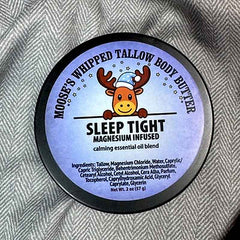
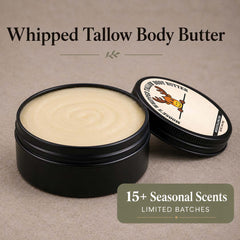
- Whipped Tallow Body Butter: full-body hydration for dry, tight skin.
- Natural Tallow Baby Butter: a gentler blend with calendula and chamomile for delicate skin.
- Tallow Beard Balm: beard and hair conditioning with egg yolk infused oil.
Start small, patch-test first, and lean on our 30-day guarantee if a product is not right for your skin.
Who Should Try Tallow, and Who Should Hold Back
If you have dry or sensitive skin, tallow is worth a real trial. Its fatty-acid profile lines up closely with skin’s own oils, which helps explain why so many dry-skin users report better barrier support.
If you have oily or acne-prone skin, be more careful, especially on your face. Patch-test longer, start with body use before facial use, and stop at the first sign of new breakouts. A “natural” or “non-comedogenic” label on a jar means less than what your own skin tells you after two weeks of honest testing.
— Brian Smith
Ready to Try Tallow? Start Small and Test First
This brand offers water-free formulas with minimal dilution, real beef tallow, and fractionated coconut oil instead of heavier oils. Every ingredient is chosen on purpose, and purchases come with a satisfaction guarantee.

If your skin runs dry or sensitive, the Whipped Tallow Body Butter is a good starting point for body use. New parents can look at the Natural Tallow Baby Butter for a gentler formula. Men looking to condition beard and skin underneath can try the Tallow Beard Balm. Browse the full product collection to compare sizes, patch-test a small area first, and give any new product two weeks before judging it on your face.
Sources
- Tallow, Rendered Animal Fat, and Its Biocompatibility With Skin: A Scoping Review
- 10 skin care habits that can worsen acne — American Academy of Dermatology
FAQ
Does Beef Tallow Actually Clog Pores?
It can for some people, but there’s no proof it does so universally. The scoping review on tallow and skin found too few controlled human studies to give tallow a fixed comedogenic rating.
Why Don’t Dermatologists Like Beef Tallow?
Many dermatologists prefer products with a longer track record of controlled testing. The concern isn’t that tallow is guaranteed to clog pores, it’s that the human evidence is still limited, and some fatty acids in tallow may promote inflammation in certain skin studies.
What Is the Most Pore-Clogging Ingredient?
There’s no single ingredient universally ranked worse, since comedogenic response varies by skin type and formulation. Historical rabbit-ear and human occlusion testing, described in older comedogenicity research, rated some heavy oils and waxes as high-risk under occlusive conditions, but real-world results vary person to person.
Why Did People Stop Using Tallow?
Vegetable oils and synthetic emollients became cheaper and easier to mass-produce for lotion manufacturers. That shift was about cost and shelf stability, not clear proof that tallow caused problems on skin.
Is Tallow Good for Oily Skin?
It depends on the formulation and your individual skin. Lighter, well-diluted tallow products with a stable carrier like fractionated coconut oil tend to sit better on oily skin than heavy, undiluted suet.
0 comments