

TL;DR:
- Tallow is a traditional, simple skincare ingredient that nourishes skin effectively.
- Proper application involves gentle cleansing, a small amount, and patting for absorption.
- Individual reactions vary; patch testing and realistic expectations are essential.
If you’ve spent any real time reading ingredient labels on moisturizers, you already know the frustration. Long lists of unpronounceable synthetics, fillers that do nothing, and products that promise hydration but leave your skin feeling coated rather than cared for. Tallow is different. It’s one of the oldest skin-nourishing ingredients there is, and it’s having a well-deserved comeback among families who want simple, honest skincare. This guide walks you through exactly how to use tallow safely and effectively, from gathering your supplies to knowing whether it’s actually working for you.
Key Takeaways
| Point | Details |
|---|---|
| Start small | A pea-sized amount of tallow is usually enough—less is more for effective moisturizing. |
| Patch test first | Test on a small area before full application, especially if your skin is sensitive or acne-prone. |
| Listen to your skin | Monitor skin reaction and adjust your routine if you notice irritation or breakouts. |
| Natural isn’t universal | Not every natural product is right for every skin type; stay flexible and informed. |
What you need to start: Supplies and prep
Before you begin, make sure you and your family are truly set up for success. Having the right supplies and mindset from the start makes a real difference.
The basic supply list
You don’t need much. That’s one of the things that makes tallow skincare so appealing.
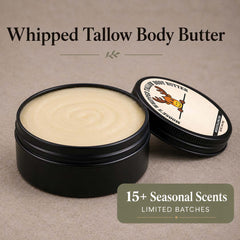
- A quality tallow balm or tallow lotion (we’ll talk about how to choose below)
- Clean hands, washed with mild soap and fully dried
- A small spatula or clean spoon if you prefer not to dip fingers directly into a jar
- A soft cloth for any excess
That’s genuinely it. No serums, no multi-step prep systems, no gadgets. Just clean skin and the right product.
Choosing the right tallow product for your skin
Not all tallow products are the same, and the right choice depends on what your skin actually needs.
| Skin type | Best product choice | What to look for |
|---|---|---|
| Sensitive or reactive | Unscented tallow balm | Minimal added ingredients |
| Very dry or cracked | Tallow with added oils | Jojoba, rosehip, or vitamin E |
| Normal to combination | Standard tallow lotion | Light texture, balanced formula |
| Children’s skin | Fragrance-free tallow balm | Simple, short ingredient list |
For sensitive skin, an unscented, minimal formula is the safest starting point. You can also explore this routine for sensitive skin to see how tallow fits into a thoughtful daily practice without overwhelming reactive skin.
One more thing worth knowing about storing tallow skincare: keep your product in a cool, dry spot, away from direct heat or sunlight. This preserves the quality of the fats and extends shelf life.
Why patch testing matters
This step is non-negotiable, especially if your skin tends to react. Even natural ingredients can cause responses in certain people. Dermatologists caution that tallow may clog pores or trigger breakouts on sensitive or acne-prone skin, and they often recommend avoiding direct facial use in those cases.
To patch test properly, apply a small amount of tallow to the inside of your forearm or behind your ear. Leave it for 24 hours and watch for redness, itching, or bumps. If nothing appears, you’re likely safe to proceed. If irritation shows up, stop use and give your skin a few days to settle.
Pro Tip: Patch test any new tallow product even if you’ve used tallow before. Formulas differ, and a new oil blend or botanical addition could behave differently on your skin.
Set realistic expectations too. Tallow works beautifully for many people, but it isn’t a guaranteed fix for every skin concern. Your individual skin response is what matters most.
Applying tallow: Step-by-step instructions for best results
Once prepped, it’s time to apply. Here’s how to get the most out of your tallow skincare and avoid the most common application errors.
Step-by-step application
- Cleanse gently. Wash your face or target area with a mild, non-stripping cleanser. Pat dry with a clean towel, leaving skin slightly damp. That moisture helps tallow absorb more effectively.
- Warm the product. Scoop a very small amount onto your fingertip. Rub it between your fingers for a few seconds to warm and soften it. Tallow responds to body heat beautifully.
- Start small. Use a pea-sized amount or even less for the face. For body areas like elbows or legs, you can use a bit more, but still less than you’d expect. A little goes a long way.
- Press and pat. Apply using gentle pressing and patting motions rather than vigorous rubbing. This helps the product settle into the skin without pulling or stressing the surface.
- Give it time. Wait about 10 minutes. Tallow should absorb enough that your skin feels comfortable, not slick or sticky. If it hasn’t absorbed by then, you used too much.
- Adjust and repeat. Refine your amount based on how your skin responds. Some people need even less than they think, especially on the face.
For a more detailed breakdown, the tallow balm application steps guide covers specific scenarios including dry hands, rough patches, and winter skin care.

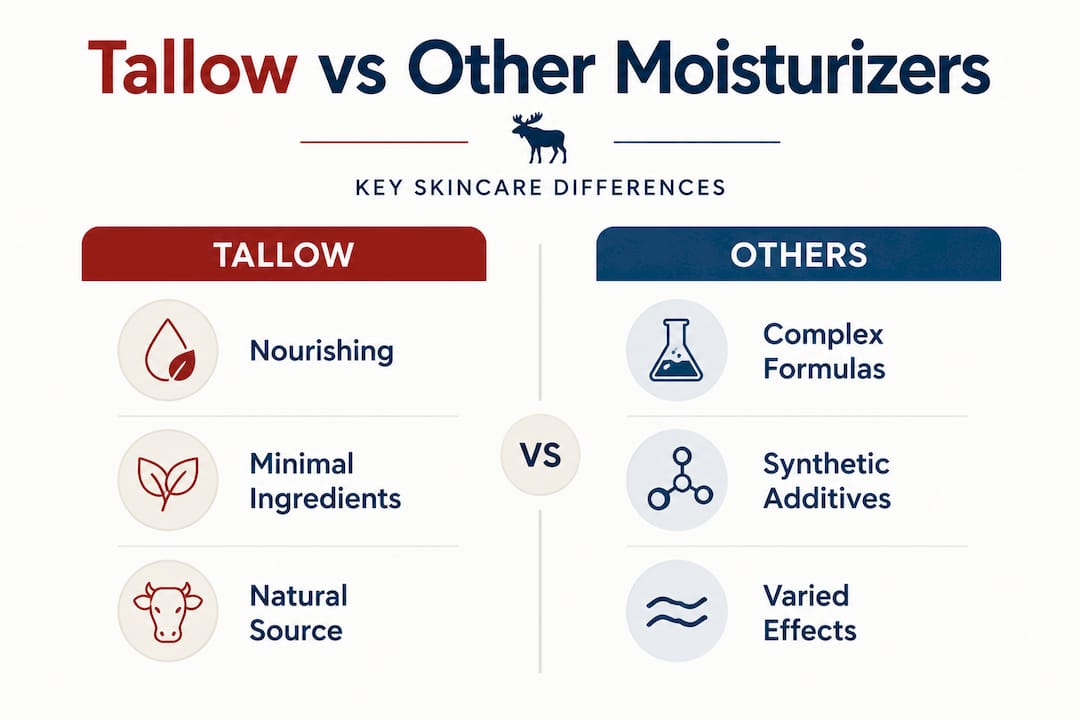
How tallow compares to other natural moisturizers
| Feature | Tallow | Coconut oil | Shea butter |
|---|---|---|---|
| Absorption speed | Medium, absorbs cleanly | Slow, can feel heavy | Slow, thicker texture |
| Pore-clogging risk | Moderate, varies by person | Higher, comedogenic rating | Low to moderate |
| Fatty acid similarity to skin | High | Low to moderate | Moderate |
| Scent (unscented versions) | Mild, neutral | Strong coconut scent | Mild, nutty |
| Best for | Dry to normal skin | Body use, hair | Very dry areas, body |
Tallow’s fatty acid profile is notably similar to the fats in human skin, which is one reason it tends to absorb without leaving a waxy layer behind. You can read more about this in the essentials of tallow lotion guide.
Safety reminder: If tallow feels sticky or greasy on your skin after about 10 minutes, that’s your cue to use less next time. A smaller amount is more comfortable and often more effective.
Pro Tip: Apply tallow right after a warm shower when pores are relaxed and skin is still slightly damp. The absorption is noticeably smoother and faster.
Troubleshooting and common mistakes
Even with careful preparation, a few simple mistakes can undercut your results. These are the most frequent ones we hear about.
Mistakes to avoid
- Using too much. This is the number one issue. Excess tallow sits on the surface, clogs pores, and feels uncomfortable. Start smaller than feels intuitive.
- Skipping the patch test. Even if tallow sounds perfectly natural and safe, some skin simply doesn’t agree with it. Dermatologists caution that tallow can clog pores on acne-prone or sensitive skin, and skipping this step risks a real flare-up.
- Applying to already-broken-out areas. If you’re experiencing active acne, applying tallow directly to breakouts can make things worse, not better.
- Expecting overnight transformation. Skin takes time to respond to any new product. Give it at least two weeks of consistent use before drawing conclusions.
- Ignoring product quality. Low-quality or poorly sourced tallow can include impurities. Quality matters, and it shows on your skin.
Pro Tip: Keep a simple journal for the first two weeks. Note how your skin feels morning and evening after using tallow. Patterns become obvious quickly, and it helps you make smart adjustments rather than guessing.
If breakouts do appear, stop use right away. Give your skin a few days to rest. If irritation is significant or doesn’t clear, consult a dermatologist. You can also check out tallow skincare myths to separate fact from fiction, especially if you’ve read overhyped claims online.
Tallow is not a medical treatment. It is not clinically proven to resolve eczema or acne. It’s a nourishing ingredient with a long history of use, and for many people it genuinely helps with moisture and skin comfort. But it is not a cure.
How to tell if tallow is working for your skin
Now that you know the pitfalls, here’s how to evaluate whether tallow is right for you long term.
Signs tallow is helping
- Noticeably smoother skin texture within one to two weeks
- Less visible flaking or rough patches
- Your skin feels comfortable and balanced without needing to reapply constantly
- You’re using less product overall to maintain moisture
- No new irritation, redness, or breakouts since starting
Signs to reconsider
- Persistent new breakouts concentrated where you apply tallow
- Redness, itching, or a rash that didn’t exist before
- Skin feeling worse or more uncomfortable than before starting
- Allergic reactions such as swelling or hives, which require immediate medical attention
Two-week outcome checklist
| Observation | Improved | Neutral | Worsened |
|---|---|---|---|
| Skin texture | Smoother | No change | Rougher or flaky |
| Moisture level | More balanced | Same as before | Tighter or oilier |
| Breakouts | Fewer or none | Same frequency | More frequent |
| Comfort | Greater comfort | No difference | More irritation |
It’s worth being honest with yourself here. The science on topical tallow benefits is still developing. As experts note, evidence is limited for tallow’s effectiveness with specific conditions like eczema or acne, and realistic expectations matter. Your skin’s response is your best data point. Explore the hydration benefits of tallow to understand what the research does and doesn’t support on this topic.
The truth about tallow: Balancing natural ideals with science
With the practical steps behind us, let’s step back and talk about the bigger picture, because this is where I think a lot of natural skincare conversations go sideways.
Tallow is a genuinely good ingredient. We believe that deeply, and it’s why we built Moose’s Tallow around it. But “natural” doesn’t automatically mean “perfect for everyone.” Skin is personal. What works beautifully for one person’s dry hands may not be the right fit for someone else’s oily, acne-prone face. That’s not a failure of the ingredient. It’s just biology.
There is a real divide right now between tallow enthusiasts and dermatologists, and honestly, I think both sides have valid points. Dermatologists are right that topical benefits are limited by current research, particularly for eczema and acne. We need more clinical data. At the same time, the thousands of people who report softer, healthier skin after switching to tallow aren’t making it up. Anecdotal evidence isn’t the same as clinical proof, but it’s still real experience worth respecting.
The most honest thing I can say is this: approach tallow with curiosity and healthy skepticism, not blind faith. It has earned its place in our formulas because we’ve seen it work and because the ingredient logic is sound. But true eco-conscious skincare means staying open to what your own skin is telling you. Read the common tallow skincare myths and separate hype from reality before committing to any routine. That’s the kind of informed approach your skin actually deserves.
Nourish your skin naturally with tallow solutions
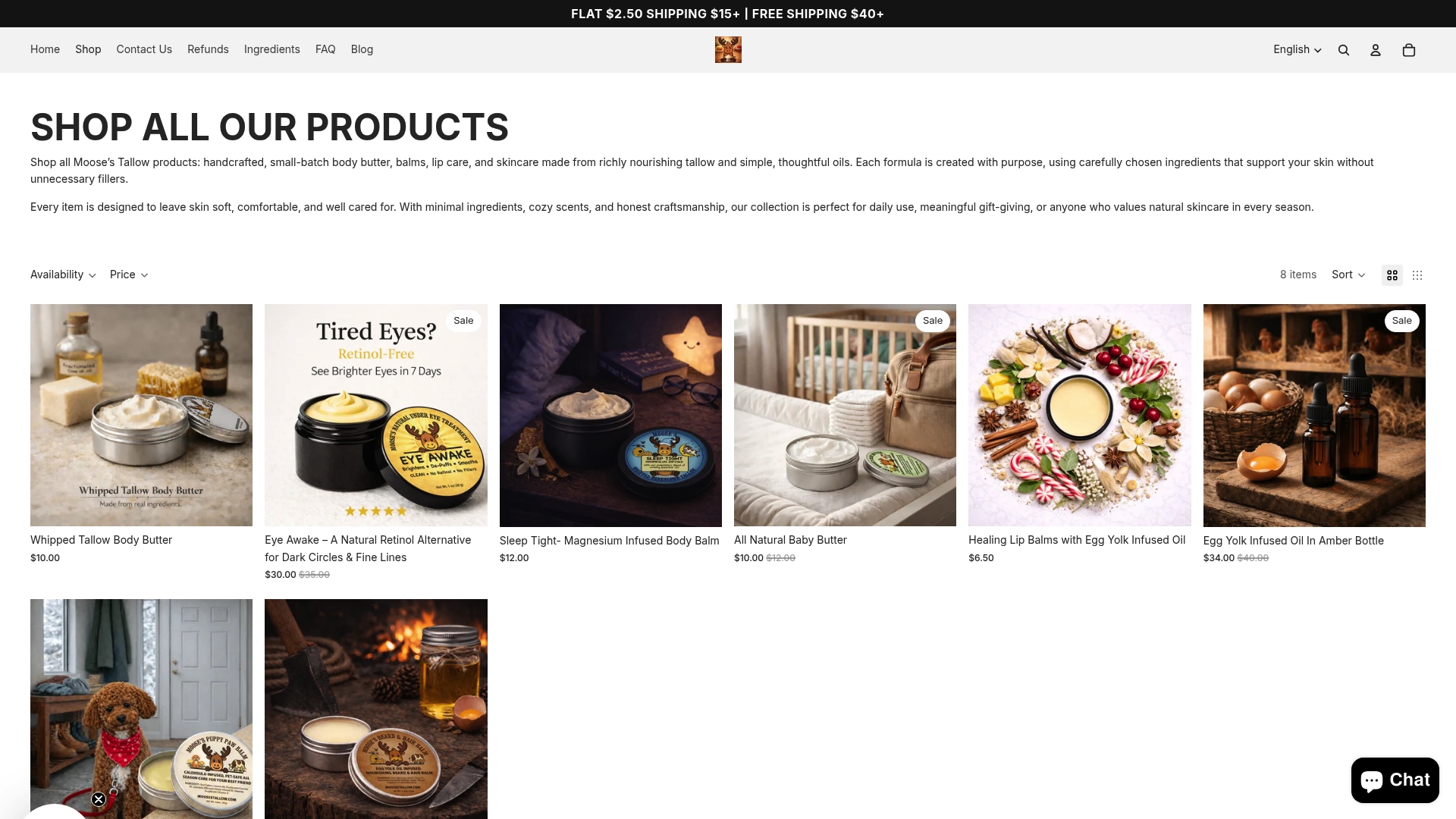
If you’re ready to try tallow for yourself or your family, starting with a high-quality, responsibly sourced product makes all the difference. At Moose’s Tallow, every batch is crafted in small quantities using thoughtfully rendered beef tallow, blended with carefully chosen supporting ingredients that earn their place. If you want to add daily skin protection alongside your moisture routine, our Beef Tallow Zinc Sun Balm combines nourishing tallow with non-nano zinc oxide for clean, effective sun protection the whole family can trust. Simple ingredients, honest craftsmanship, and comfort you can feel from the first application.
Frequently asked questions
Can I use tallow skincare on my face if I have sensitive or acne-prone skin?
Dermatologists recommend a patch test before any facial application and often suggest avoiding tallow on the face entirely if your skin is sensitive or acne-prone, since it may clog pores or trigger breakouts.
How much tallow should I apply to avoid a greasy feeling?
Start with a pea-sized amount or less, and if your skin still feels greasy after 10 minutes, use even less next time, since tallow is concentrated enough that a very small amount goes a long way.
Is tallow effective for treating eczema or other skin conditions?
Current evidence is limited for tallow’s effectiveness with eczema or acne specifically, so it’s important to keep expectations realistic and pay close attention to how your own skin responds over time.
How do I store tallow skincare products for longest freshness?
Store tallow products in a cool, dry location away from direct sunlight and heat, and always follow the manufacturer’s guidelines for recommended shelf life and usage.
Recommended
- How to Choose Tallow Moisturizer Naturally for Healthier Skin – Moose’s Tallow
- How to apply tallow balm for skin relief in 2026 – Moose’s Tallow
- How to Store Tallow Skincare Products Naturally for Best Results – Moose’s Tallow
- Nourishing skincare with beef tallow: benefits explained – Moose’s Tallow


0 comments