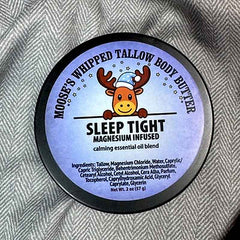
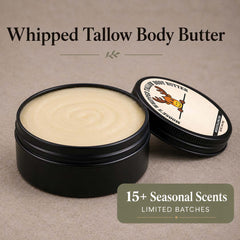
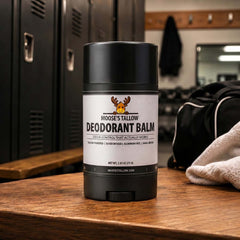
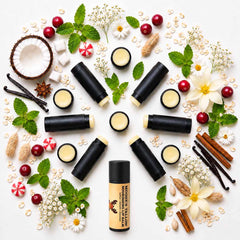


PUFA-free skincare means products built around stable saturated and monounsaturated fats instead of polyunsaturated seed oils. These oils oxidize faster and some claim they irritate skin over time. The practical move: choose short ingredient lists led by fats like tallow, and buy from brands that explain why they picked each one, including Moose’s Tallow.
TL;DR:
- Products built around stable saturated or monounsaturated fats like tallow, coconut oil, and jojoba are less prone to oxidation and degradation over time.
- High-PUFA oils such as sunflower, safflower, and grapeseed are common in skincare but may contribute to premature skin aging and irritation if used excessively or long-lasting.
- Top ingredient lists should prioritize fats like tallow and carrier oils that are listed within the first five ingredients, avoiding formulas dominated by seed oils.
- Stable fats and minimal ingredient lists support better shelf life and skin compatibility, especially when oils are chosen for their resistance to rancidity and oxidation.
- DIY low-PUFA skincare blends should include tallow, fractionated coconut oil, beeswax, and vitamin E, stored in small, cool, dark containers for optimal stability.
What Does PUFA-Free Skincare Actually Mean?
PUFAs, or polyunsaturated fatty acids, are the fat molecules behind many popular seed and nut oils in skincare. Sunflower oil, safflower oil, and grapeseed oil are common examples. Brands use them because they’re cheap and feel light on skin.
Here’s the debate. Some formulators claim PUFAs oxidize faster than other fats, and that oxidized oils on skin may contribute to visible aging over time. That’s a claim worth understanding, not a settled fact carved in stone. Context matters here, too.
Essential fatty acids, a type of PUFA, do play a real role in skin barrier repair and in your diet generally. The question isn’t whether PUFAs are “good” or “bad.” It’s whether a heavy, unstable dose of them belongs in a jar you leave in a warm bathroom for six months.
Which Oils Are High in PUFA, and Which Are Stable?
Not every plant oil is a problem, and not every animal fat gets a free pass. The dividing line is fatty acid structure, and it’s simpler to spot than most labels make it look.
High-PUFA oils to watch for on an ingredient list:
- Sunflower oil
- Safflower oil
- Grapeseed oil
- Rosehip oil
- Flaxseed oil
- Hemp seed oil
- Evening primrose oil
- Borage oil
Low-PUFA, more stable fats worth seeking out instead:
- Beef suet tallow
- Fractionated coconut oil
- Coconut oil
- Jojoba oil (technically a wax ester, very stable)
- Cocoa butter
- Mango butter
- Beeswax
Stability is the practical reason this list matters. A fat dominated by saturated or monounsaturated bonds resists rancidity far better than one full of polyunsaturated bonds, which means it holds up on a shelf, in a car, or in a gym bag without breaking down as fast.
Pro Tip: Flip the bottle over before you buy. If a high-PUFA oil like sunflower or grapeseed sits in the first five ingredients, the formula is built around it, no matter what the front label promises.
What Does the Research Actually Say About PUFAs and Skin?
The science here is more nuanced than most skincare blogs let on, and it’s worth sitting with that nuance instead of picking a side.
The Linus Pauling Institute’s review of essential fatty acids confirms that omega-6 and omega-3 fatty acids play a genuine role in normal skin function, and that applying them topically can change the fatty acid makeup of the outer skin layer. In documented deficiency states, sunflower oil applied to skin has actually helped normalize water loss through the skin barrier, according to the same review.
Separately, a 2025 systematic review of topical omega-3 PUFAs found anti-inflammatory and supportive effects across a range of skin models, but the researchers noted there’s still no clear consensus on the best dose or delivery method.
A few things follow from that:
- PUFAs aren’t universally harmful; they can help in specific, targeted contexts like barrier repair.
- The evidence gap is real. Nobody has nailed down optimal formulation yet.
- A trace amount of a PUFA-rich botanical, stabilized with antioxidants, is not the same product as one built on seed oil as its base.
The pragmatic takeaway isn’t “avoid every PUFA molecule ever.” It’s choosing formulas built on stable fats first, with quality construction over blanket exclusion.
How Do You Read a Label for PUFA Content?
Most people skip the ingredient panel and trust the front of the bottle. That’s backward. Here’s the fast way to check what you’re actually buying.
- Read top to bottom. Ingredients are listed by weight, so whatever sits in the first three to five spots dominates the formula. Everything after that is a minor player.
- Learn the aliases. Sunflower oil might appear as “Helianthus annuus.” Safflower shows up as “Carthamus tinctorius.” Grapeseed is “Vitis vinifera.” Memorize a handful and label reading gets fast.
- Ignore the front-label story. A “natural” or “clean” claim tells you nothing about fatty acid content. Water-first ingredient lists with 20+ entries usually mean more filler, not less risk.
- Favor brands that explain their choices. A company that states why it picked tallow over grapeseed, or fractionated coconut oil instead of flaxseed, is giving you real information instead of a marketing slogan.
What Should You Look for in a PUFA-Aware Product?
A genuinely PUFA-aware formula shares a few traits you can check for in under a minute.
- Water-free or minimally diluted base
- A short ingredient list where every entry earns its place
- Carrier oils chosen for stability, not just cost
- No filler oils added purely to cut production expense
Fractionated coconut oil earns its spot in low-PUFA formulas because it resists oxidation, absorbs without a greasy film, and holds its shelf life far longer than lighter seed oils. That’s why we lean on it as our carrier oil of choice, alongside tallow itself.
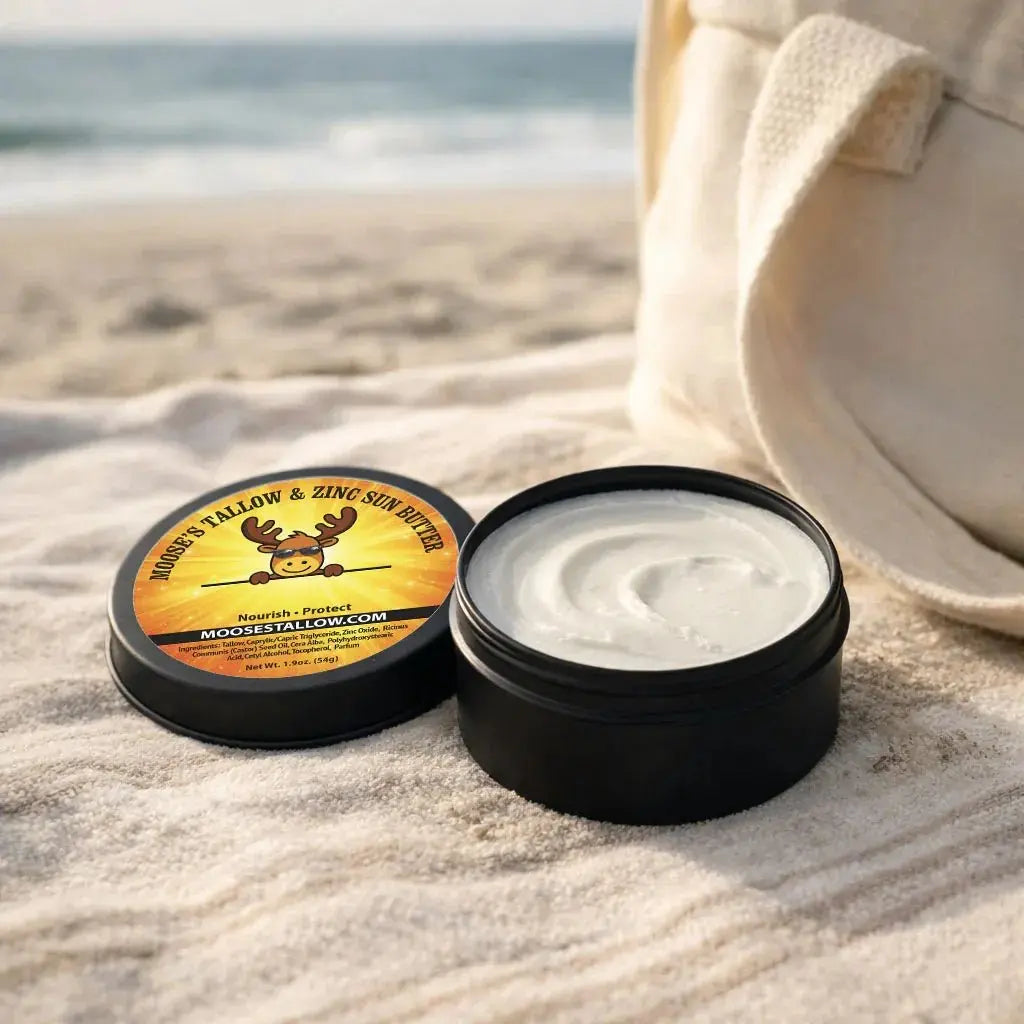
Moose’s Tallow builds every product this way. Our Tallow & Zinc Outdoor Sun Balm pairs rendered beef suet tallow with fractionated coconut oil, beeswax, and vitamin E (tocopherols), a combination chosen for stability, not trend appeal. When you’re shopping, check the ingredient order, count the entries, and look for carrier oils that are named plainly, not buried in a Latin botanical list.
Can You Make Your Own Low-PUFA Skincare Blend?
Making a simple low-PUFA balm at home is doable, if you keep a few rules in mind.
A basic stable blend starts with tallow as the base, fractionated coconut oil to soften the texture, a small amount of beeswax for hold, and a drop of vitamin E as a natural antioxidant. That’s it. No seed oils needed.
Storage matters more than most DIY guides admit. Keep small batches, store them somewhere cool and dark, and use within a few months. Heat and light speed up oxidation in any fat, even stable ones.
What to skip:
- Adding sunflower, grapeseed, or flax oil “for texture.” That reintroduces the exact instability you’re trying to avoid.
- Botanical extracts without any antioxidant support, since they degrade fast without one.
- Large batches you won’t use up quickly. Freshness fades even in tallow-based blends.
If measuring ratios and managing shelf life sounds like more effort than it’s worth, a ready-made formula from a transparent small brand does the same job without the guesswork.
Why We Build Every Formula Water-Free, Tallow-First
I started Moose’s Tallow after flipping over a lotion bottle and counting 52 ingredients. Water was first on the list. That didn’t sit right with me.
Skin doesn’t need a long list. It needs the right fats, chosen on purpose. Tallow’s fatty acid profile sits close to what your own skin already produces, which is why it absorbs cleanly instead of sitting on top. We skip water, skip filler oils, and keep dilution minimal. Every order carries a 30-day guarantee, and we publish exactly what’s in every jar.
— Brian Smith
Try a PUFA-Aware Balm Built for Real Use
Most conventional sun and outdoor balms lean on lightweight seed oils to feel less greasy, which usually means more PUFA content up front, not less. Moose’s Tallow took the opposite approach with its Tallow & Zinc Outdoor Sun Balm: a short ingredient list built on rendered beef suet tallow, fractionated coconut oil, beeswax, and vitamin E (tocopherols), with zero filler oils added for texture alone.
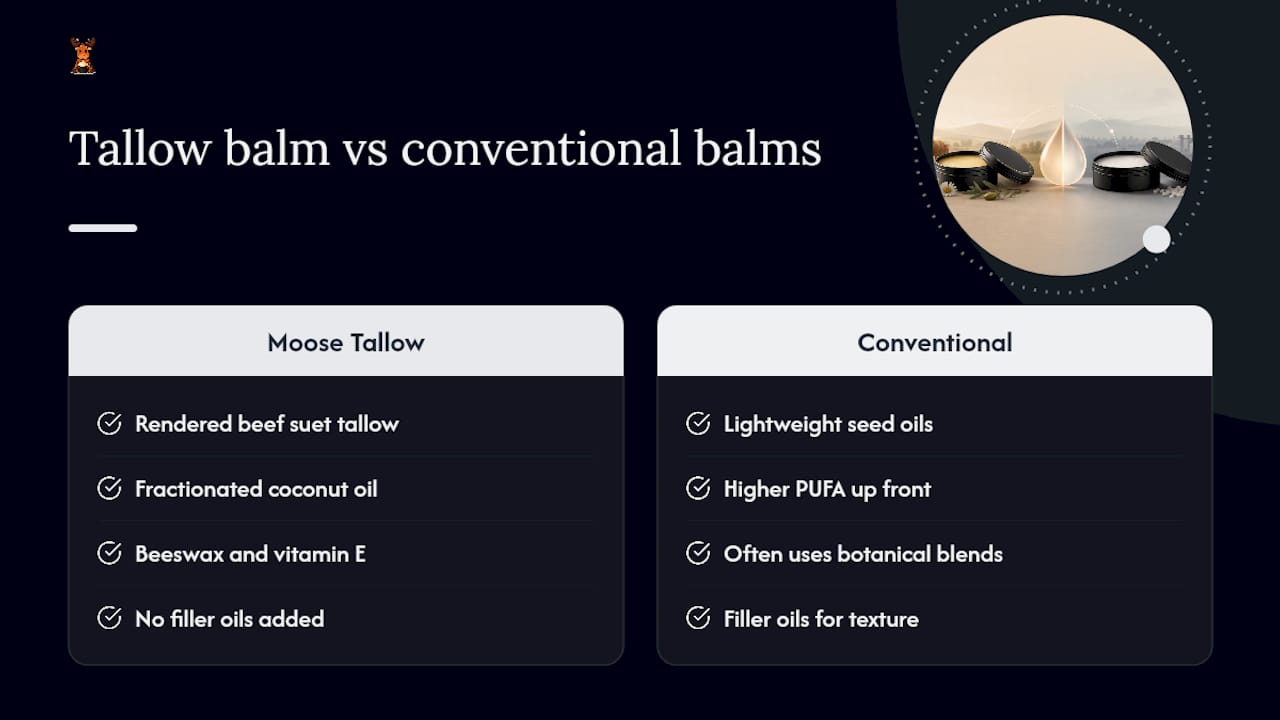
That means you get a formula where every ingredient is declared and intentional, not buried under a dozen botanical Latin names. It’s handmade in small batches in Lebanon, Pennsylvania, and backed by a 30-day guarantee. If you’ve been auditing your medicine cabinet against the label rules above, this is a straightforward place to start. Check the product page, read the full ingredient list yourself, and see how it compares to what’s already in your bag.
Sources
- Essential Fatty Acids and Skin Health | Linus Pauling Institute
- Systematic review on topical ω‑3 PUFAs and skin outcomes (PMC)
- Cosmetic ingredient names | FDA
FAQ
Which oils are high in PUFA?
Sunflower, safflower, grapeseed, rosehip, flaxseed, hemp seed, evening primrose, and borage oils all rank high in polyunsaturated fatty acids.
Are seed oils bad for skin?
Seed oils aren’t inherently harmful, but their PUFA content oxidizes faster than saturated fats, and some formulators argue that instability shows up as irritation or premature aging over time.
What is the cleanest brand of skincare?
“Clean” is a marketing term without a fixed definition, so the better question is which brands publish full ingredient lists and explain their formulation choices. Moose’s Tallow does this with every water-free, tallow-based product.
Which cosmetic brands are PFAS-free?
PFAS-free is a separate issue from PUFA content, since PFAS are synthetic “forever chemicals” rather than fats. Check any brand’s ingredient list directly, since PFAS-free claims vary by product line and aren’t standardized industry-wide.
What makeup is PUFA free?
Most conventional makeup formulas rely on lightweight PUFA-rich oils for texture, so PUFA-free options are limited and mostly found among small, transparent formulators. Reading the ingredient order remains the most reliable way to check any single product.
0 comments