



Applying topical magnesium before bed is unlikely to change your body’s magnesium levels or fix insomnia on its own. The research just does not back that claim yet.
- Skepticism is warranted. Reviews and small trials have not shown that magnesium creams or sprays raise systemic magnesium or reliably improve sleep.
- A ritual can still help. Massage, warmth, and a calming routine before lights out are real reasons people sleep better, whether or not the mineral itself absorbs.
Keep reading for the science, then jump to the how-to steps if you just want a safe routine to try tonight.
Key Takeaways
Topical magnesium before bed likely works through massage, warmth, and moisturized skin rather than through meaningful mineral absorption.
| Point | Details |
|---|---|
| Absorption evidence is weak | Reviews and small trials have not shown topical magnesium raises systemic magnesium or improves sleep reliably. |
| Oral magnesium has better data | Oral forms show small, low-certainty sleep-onset improvements in randomized trials; topical does not. |
| Ritual effects are real | Massage, warmth, and a consistent routine can genuinely improve how well you wind down. |
| Safety is generally low risk | Watch for skin irritation, patch test first, and check with a clinician if you have kidney disease. |
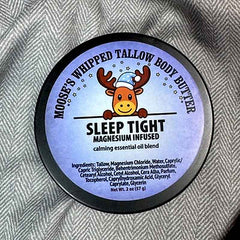
| Choose an honest formulation | Moose’s Sleep Tight Magnesium Body Butter uses tallow, fractionated coconut oil, and skin-barrier ingredients for a skin-first ritual, not a mineral supplement. |
What The Research Actually Shows About Topical Magnesium And Sleep
Start with the honest answer: the evidence for topical magnesium is thin. A widely cited 2017 review found that transdermal magnesium propagation is scientifically unsupported, and that oral supplementation remains the only route with real backing for correcting a magnesium shortfall. That review has held up. Nothing published since has overturned it.
Health reporters have circled back to this question repeatedly, and the answer has not moved. NPR’s coverage of magnesium lotion for sleep found little proof that rubbing magnesium into your skin raises blood levels of the mineral. A 2026 evidence summary reviewing magnesium sprays reached the same conclusion: no randomized controlled trial has shown a clinically meaningful sleep benefit from transdermal magnesium in adults.
Compare that to oral magnesium, where the picture is more encouraging, if still modest. A systematic review of oral magnesium for insomnia in older adults found small improvements in how fast people fell asleep. The catch: the researchers rated the evidence quality as low to very low. It is a real signal, not a guarantee, and it applies to swallowing magnesium, not spreading it on your skin.
A few patterns show up across the weak studies that do exist:
- Small sample sizes. Many trials involve a few dozen people at most, which makes it hard to separate a real effect from chance.
- Pilot designs, not confirmations. These are exploratory studies meant to justify bigger trials, not proof of anything on their own.
- Industry-funded lab work. Some penetration studies come from companies selling magnesium products, and lab dishes do not behave like human skin.
- Surrogate outcomes. A study showing magnesium ions moved through a skin sample in a lab is not the same as showing better sleep in a bedroom.
If you want sources you can trust on this topic, lean on a short list: the NIH Office of Dietary Supplements, which lays out magnesium’s proven roles in plain language, systematic reviews published in medical journals, and mainstream health journalism that interviews independent sleep researchers rather than product marketers. Category-level analysis of magnesium spray claims makes a similar point: in-vitro penetration in a lab is not the same as a clinical effect in a person.
Pro Tip: When you read a glowing review of a magnesium spray, ask whether it describes a lab test or a lived experience. Both can be true and neither proves the product changes your blood chemistry.
How Topical Magnesium Could Work, And Why Skin Absorption Probably Isn’t It
Your skin’s outer layer, the stratum corneum, is built to keep things out. It is a tightly packed wall of dead skin cells and fats, and it does its job well against charged mineral ions like magnesium. That is not a flaw. That is the whole point of skin.

There are a couple of narrow paths where some local ion movement might happen. Hair follicles and sweat glands create tiny gaps in that barrier. But these openings cover a small fraction of your skin’s total surface area, so any ion transit through them is likely minor and local, not enough to shift levels in your bloodstream. Some practitioners note that thinner-skinned areas with denser hair follicles may allow slightly more local movement, but local is the key word. That is not systemic repletion.
So why do people swear by it? A few real mechanisms are doing the work instead of the mineral:
- Massage. Rubbing lotion into tight shoulders or sore legs relaxes muscle tension on its own.
- Warmth and touch. Physical touch and gentle pressure activate a calming nervous-system response before bed.
- Moisturized skin. Dry, itchy skin keeps people awake. Fixing that discomfort can genuinely improve sleep.
- Ritual and cueing. A consistent nightly habit tells your brain it is time to wind down, independent of what is in the jar.
Dermatologists quoted in NPR’s reporting point out that many topical products succeed because the base moisturizes and soothes skin, not because the active ingredient crosses into the blood. Picture it as two separate columns: absorption, which the evidence says is minimal, and ritual, which the evidence says is powerful. Most of what people feel from a bedtime magnesium routine likely lives in the ritual column.
Pro Tip: If you want the biggest ritual payoff, apply to your forearms, calves, or feet, where skin is thinner and massage feels most soothing. Just don’t expect it to move your blood magnesium.
Is Topical Magnesium Safe To Use Before Bed?
Topical magnesium is low risk for most healthy adults, but skin reactions do happen. The most common complaints are a tingling or stinging feeling, mild redness, and itching, especially with concentrated sprays.
A few steps cut down on irritation:
- Dilute stronger products if the label allows it, especially magnesium chloride sprays.
- Test a small area first, rather than covering your arms or legs the first night.
- Avoid broken skin, cuts, rashes, or recent shaving, where irritation is more likely.
Some people should check with a clinician before adding any new topical mineral product. That includes anyone with severe kidney disease, since impaired kidneys change how the body handles minerals, and anyone managing several medications where a new product could complicate things. This is not medical advice. It is a reasonable reason to ask a professional first.
One more note: keep unsupervised topical magnesium products away from infants and young children, and follow pediatric guidance on any skincare product before using it on a baby.
How To Use Topical Magnesium Before Bed, Step By Step
If you want to try a magnesium bedtime routine, treat it as a wind-down ritual, not a treatment. Here is a simple approach:
- Start with clean, dry skin. Apply after a shower or before pajamas, once skin is fully dry.
- Patch test first. Apply a small amount to your inner forearm and wait 24 hours before wider use.
- Apply a small amount to your limbs or feet. These areas have thinner skin and respond well to massage.
- Massage it in slowly. Take a minute or two. This is where most of the calming effect happens.
- Let it absorb before getting into bed. Give it a few minutes so it does not transfer onto sheets.
Timing matters less than consistency. Most people apply it 20 to 30 minutes before lights out, paired with other wind-down habits like dimming lights or putting the phone away.
A few dos and don’ts round this out:
- Do keep the product away from your eyes and any broken skin.
- Do stop use if you notice ongoing redness or discomfort.
- Don’t ingest a topical product. It is formulated for skin, not for swallowing.
- Don’t expect a topical routine to replace sleep hygiene basics like a consistent bedtime.
Topical Magnesium Vs. Oral Magnesium For Sleep
The two routes are not competing on equal footing, and it helps to be clear about that upfront.
- Mechanism. Oral magnesium is absorbed through the gut into the bloodstream. Topical magnesium has to cross the skin barrier, which is built to resist exactly that.
- Evidence strength. Oral magnesium has randomized trial evidence showing small sleep-onset improvements, even if the certainty is low. Topical magnesium has no such trial evidence for sleep as of this writing.
- Onset expectations. Oral supplementation works on a timeline of days to weeks as levels adjust. A topical ritual, if it helps, likely works the same night through relaxation, not repletion.
- Safety trade-offs. Oral magnesium can cause digestive upset, especially at higher doses, and forms vary in how well they are tolerated. Topical magnesium’s main downside is local skin irritation.
If your actual goal is correcting a magnesium shortfall, oral magnesium and a conversation with a clinician about testing is the better-evidenced path. Clinically, forms like magnesium bisglycinate have clearer trial support for modest sleep benefits. If your goal is simply a calming few minutes before bed that feels good on your skin, a topical routine is a reasonable, low-risk choice. Just hold those two goals separately in your head.
What To Look For In A Topical Magnesium Product
Not every jar on the shelf is worth your money, and label reading matters here as much as anywhere else in skincare.
Favor products with a short, honest ingredient list where you can name every item. A clearly listed magnesium source, paired with a simple carrier base, tells you more than a wall of marketing copy ever will. At Moose’s Tallow, we build our formulas on properly rendered beef suet tallow, with fractionated coconut oil as our preferred carrier because it resists oxidation, absorbs cleanly, and holds up on the shelf. We round things out with beeswax, vitamin E, jojoba, castor, and egg yolk infused oil, chosen for skin-barrier support, never as filler. We do not reach for olive, avocado, almond, shea butter, or other vegetable oils. Tallow is always the star.
Watch for a few red flags: vague or opaque labeling, claims that a product will “restore” or “replenish” your body’s magnesium, miracle-sounding before-and-after language, and any product that skips patch-test guidance entirely.
Pro Tip: Always patch test a new product, and choose a water-free base built for skin-barrier support rather than a long list of fillers you can’t pronounce.
A Balanced Take On Topical Magnesium For Bedtime
I’m skeptical of any claim that a cream will fix your magnesium levels or cure insomnia. The research doesn’t support it, and I won’t pretend otherwise just because it sells jars. But I’m not against the ritual. Rubbing something calming into your skin before bed, on skin that’s cared for instead of dry and irritated, has real value.
We formulate for that honestly: skin-barrier support and a good bedtime habit, not a mineral IV. If sleep problems persist, sleep hygiene and a clinician matter more than anything in a tub.
Try A Skin-First Bedtime Ritual With Sleep Tight
If you want the calming ritual without the marketing overreach, our Sleep Tight Magnesium Body Butter gives you a water-free, honestly labeled option built for your skin, not for systemic claims we can’t back. It starts with properly rendered beef suet tallow, blended with fractionated coconut oil for a clean, stable base, plus beeswax, vitamin E, jojoba, castor, and egg yolk infused oil for real skin-barrier support. No fillers, no 52-ingredient labels, nothing hidden.
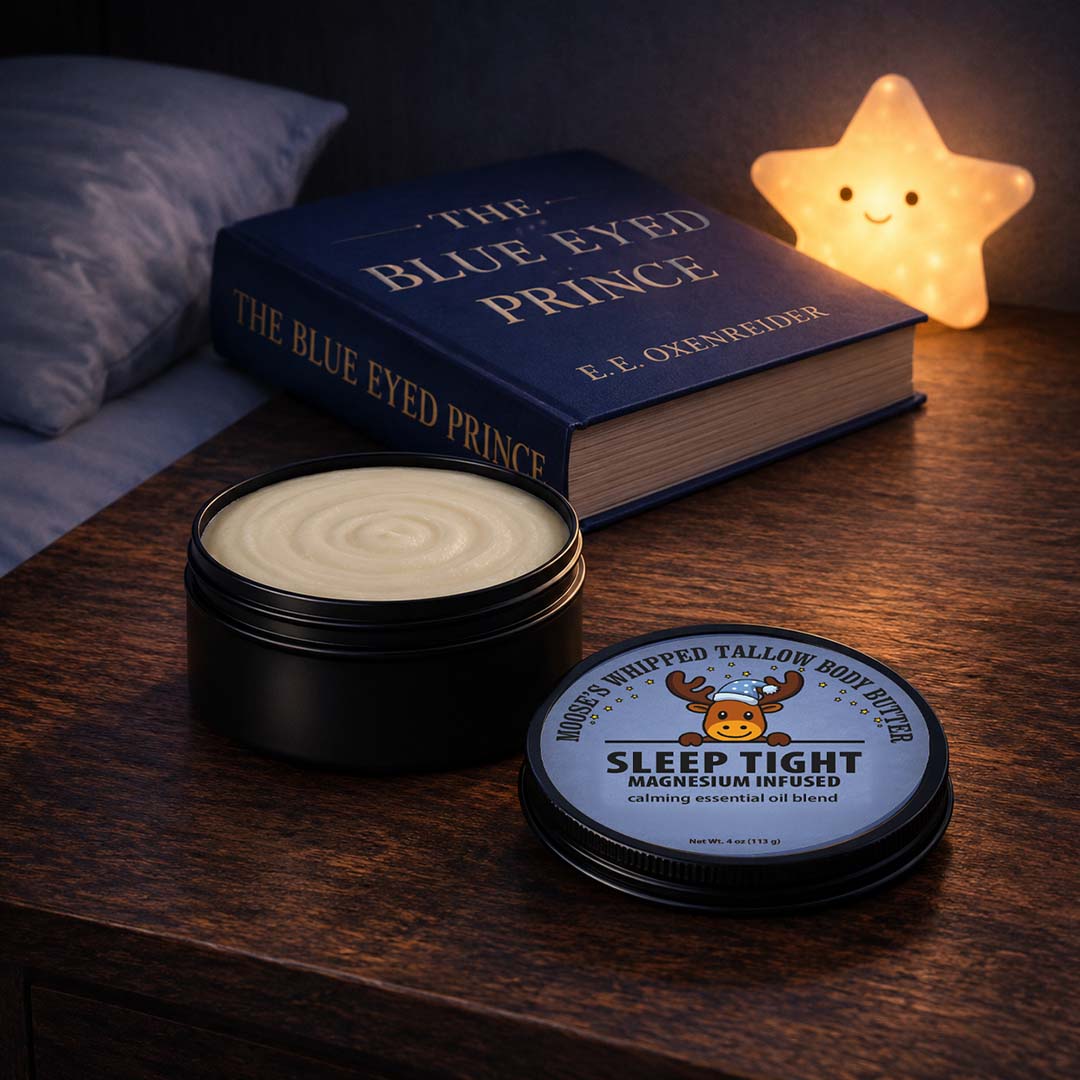
This product is meant for topical, cosmetic use as part of your wind-down routine, not as a mineral supplement. Every batch is handmade in small runs in Lebanon, PA, and backed by our 30-day guarantee, so trying it out costs you nothing but curiosity. Add it to your nightstand and see how the ritual feels for you.
Where To Read More On Magnesium And Sleep
For readers who want to dig into the primary sources instead of taking our word for it:
- The NIH Office of Dietary Supplements magnesium fact sheet covers proven roles and supplementation limits in plain language.
- The 2017 review on transdermal magnesium remains the clearest scientific take on why absorption claims fall short.
- NPR’s reporting on magnesium lotion and sleep balances expert skepticism with why the ritual still matters to people.
Favor systematic reviews and clinical guidance over influencer testimonials whenever the two disagree.
This article is general information, not a substitute for advice from a qualified doctor. Consult a qualified healthcare professional about your own circumstances before acting on anything here.
Sources
- Myth or Reality—Transdermal Magnesium? - PMC
- Magnesium lotion is popular for sleep. Does it work? : NPR
- Magnesium Spray for Sleep UK 2026: What the Evidence Actually Shows and What Works Instead — Walton Surgery
- Is Magnesium Spray Effective? Transdermal Magnesium Evidence
- Magnesium - Health Professional Fact Sheet | ODS
FAQ
Does Topical Magnesium Really Help You Sleep?
It probably helps through relaxation and skin comfort rather than through raising your body’s magnesium levels, since reviews have found no reliable evidence of meaningful absorption.
How Long Before Bed Should You Apply Magnesium Cream?
Most people apply it 20 to 30 minutes before lights out, giving it time to absorb into the skin before getting into bed.
Can You Absorb Too Much Magnesium Topically?
Systemic overabsorption through skin is unlikely given how little magnesium crosses the skin barrier, though concentrated products can still irritate skin locally.
Does Magnesium Cream On Your Feet Help You Sleep?
Feet have thinner skin and respond well to massage, so applying there may support the calming ritual, though it will not meaningfully change your blood magnesium levels.


0 comments