





You’ve probably heard about magnesium’s sleep benefits, but can applying it to your skin actually help you rest better? Many people wonder if rubbing magnesium lotion on tired legs before bed is backed by science or just wishful thinking. The truth is more nuanced than you might expect. Topical magnesium offers a different approach to oral supplements, potentially helping with muscle relaxation and nighttime tension without digestive side effects. This guide explores how topical magnesium works, what research says about its effectiveness, and how to use it properly for better sleep in 2026.
Table of Contents
- How Topical Magnesium Works For Sleep And Muscle Relaxation
- Comparing Topical Magnesium With Oral Supplements And Other Natural Sleep Aids
- How To Use Topical Magnesium Before Bed For Maximum Benefit
- Potential Benefits And What The Science Says For 2026
- Discover Quality Magnesium Products To Enhance Your Rest
- Frequently Asked Questions
Key takeaways
| Point | Details |
|---|---|
| Absorption matters | Magnesium ions can penetrate skin layers and enter the bloodstream in small amounts, supporting relaxation and muscle function. |
| Targeted delivery | Topical application allows direct treatment of tense muscles without the digestive discomfort common to oral supplements. |
| Timing is crucial | Applying magnesium 20 to 30 minutes before bedtime maximizes absorption and calming effects. |
| Quality varies | Product formulation, concentration, and your skin condition significantly impact effectiveness. |
| Complementary approach | Topical magnesium works best when combined with other natural sleep habits and relaxation techniques. |
How topical magnesium works for sleep and muscle relaxation
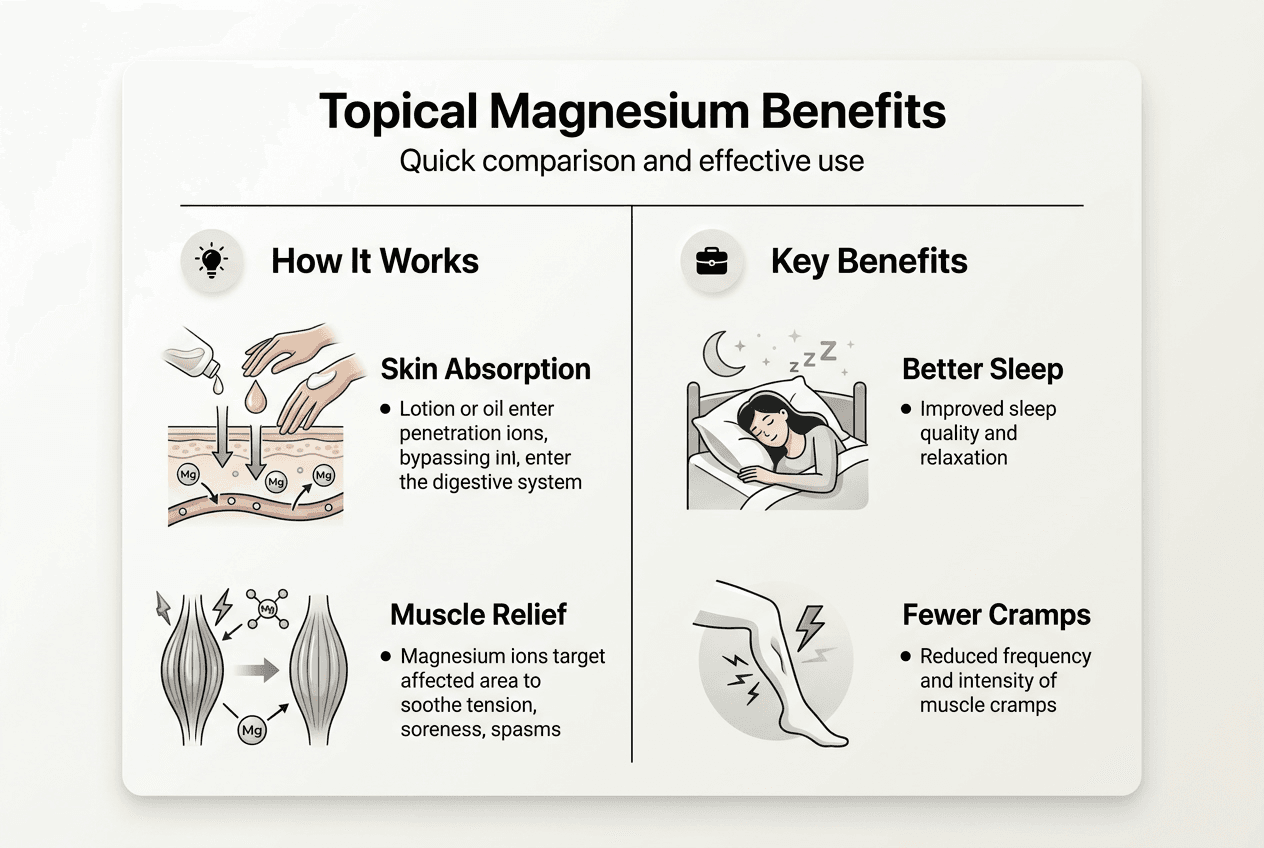
Your body relies on magnesium to regulate neuromuscular signals and promote calmness throughout your nervous system. When you apply magnesium topically, ions pass through your skin’s outer layers and enter underlying tissues. This process happens gradually, allowing localized delivery to areas where you need it most.
The mechanism centers on magnesium’s role as a natural muscle relaxant. It blocks calcium channels in nerve cells, reducing excitability and helping muscles release tension. This biological action explains why many people apply magnesium to their calves, thighs, or shoulders before sleep.
Several factors determine how well your skin absorbs magnesium:
- Skin hydration levels and barrier integrity
- Product concentration and formulation type
- Application technique and massage duration
- Consistency of use over time
- Individual skin chemistry and metabolism
When absorbed effectively, topical magnesium can ease muscle cramps that disrupt sleep. It may also reduce symptoms of restless legs, a common complaint among people struggling with nighttime relaxation. The calming effect on your nervous system helps signal to your body that it’s time to wind down.
Results vary from person to person. Someone with severely depleted magnesium levels might notice dramatic improvement, while others experience subtle benefits. Your skin’s condition plays a huge role too. Dry, cracked skin absorbs less effectively than well-moisturized, healthy skin.
The beauty of topical application lies in its targeted approach. You’re delivering magnesium directly where tension accumulates, rather than relying on your digestive system to distribute it throughout your body. This localized delivery can provide relief faster for specific problem areas.
Comparing topical magnesium with oral supplements and other natural sleep aids
Oral magnesium supplements have earned their reputation through decades of research. They deliver systemic doses that benefit your entire body, supporting everything from bone health to cardiovascular function. However, oral supplements can cause diarrhea and stomach upset, especially at higher doses.
Topical magnesium sidesteps your digestive tract entirely. This means no bloating, no bathroom emergencies, and no interference with nutrient absorption. You get targeted muscle relaxation without systemic side effects. Some formulations even nourish your skin while delivering magnesium, offering dual benefits.
Other natural sleep aids work through different mechanisms. Melatonin regulates your circadian rhythm. Herbal teas like chamomile provide gentle sedation. Relaxation techniques such as deep breathing calm your mind. Each approach has its place in a comprehensive sleep strategy.
| Method | Primary Effect | Convenience | Common Side Effects |
|---|---|---|---|
| Oral magnesium | Systemic relaxation | Daily pill or powder | Digestive discomfort |
| Topical magnesium | Localized muscle relief | Evening application | Mild skin irritation |
| Melatonin | Circadian regulation | Quick capsule | Morning grogginess |
| Herbal teas | Mild sedation | Brewing required | Frequent urination |
The choice between oral and topical magnesium often comes down to your specific needs. If you struggle with overall magnesium deficiency, oral supplements make sense. If nighttime muscle tension is your main issue, topical application targets the problem directly.
Many people find success combining approaches. You might take oral magnesium earlier in the day for systemic benefits, then apply topical magnesium to restless legs before bed for immediate relief. This layered strategy addresses multiple aspects of sleep quality.
Quality matters enormously with topical products. Look for formulations that use magnesium chloride or magnesium sulfate, both known for good skin absorption. Avoid products loaded with synthetic fragrances or harsh preservatives that might irritate your skin.
Pro Tip: Start with a small amount of topical magnesium on one area for three nights to gauge your skin’s reaction and effectiveness before expanding to full-body application.
Consistency trumps intensity. Applying magnesium lotion regularly produces better results than sporadic use, even if you’re using a lower concentration. Your body adapts to the routine, and absorption improves as your skin barrier strengthens.
How to use topical magnesium before bed for maximum benefit
Selecting the right product sets the foundation for success. Choose lotions, gels, or oils specifically labeled for topical magnesium use. These formulations balance concentration with skin compatibility, ensuring effective delivery without irritation.
Follow these steps for optimal application:
- Cleanse your skin with warm water to remove oils and open pores slightly
- Pat dry gently, leaving skin slightly damp to enhance absorption
- Dispense a quarter-sized amount of product into your palm
- Massage into areas prone to tension using circular motions for 60 to 90 seconds
- Focus on calves, thighs, shoulders, or anywhere you hold stress
- Allow 20 to 30 minutes for absorption before putting on pajamas
Timing matters more than most people realize. Applying magnesium 20 to 30 minutes before bedtime gives your skin time to absorb it and your muscles time to respond. Rush the process, and you’ll wipe off product on your sheets before it penetrates.

Dosage varies by product concentration. Start with manufacturer recommendations, typically one to two pumps or a quarter-sized dollop. Too little delivers insufficient magnesium for noticeable effects. Too much can leave a tacky residue or cause temporary tingling.
Avoid broken skin, fresh cuts, or areas with active rashes. Magnesium can sting when applied to compromised skin barriers. If you have sensitive skin, patch test new products on your inner forearm for 24 hours before full application.
Some people experience a tingling or slightly itchy sensation during first use. This usually subsides as your skin acclimates. If irritation persists beyond a few applications, dilute the product with unscented lotion or try a different formulation.
Pro Tip: Pair your magnesium application with a calming bedtime ritual like reading or gentle stretching to create a powerful sleep association that signals your body it’s time to rest.
Consider rotating application sites if you’re using magnesium nightly. This prevents any single area from becoming oversaturated and allows you to address different muscle groups. Monday might be legs, Tuesday shoulders, Wednesday full body.
Store your magnesium products in a cool, dry place away from direct sunlight. Heat and light can degrade active ingredients over time, reducing effectiveness. Check expiration dates and replace products as needed.
Potential benefits and what the science says for 2026
Research on topical magnesium lags behind studies on oral supplementation, but available evidence paints an encouraging picture. Studies show positive effects on muscle cramping frequency and sleep onset time, though results vary based on individual factors.
A growing body of user testimonials supports what limited clinical trials suggest. People consistently report fewer nighttime leg cramps, reduced restless leg symptoms, and easier transitions into sleep. These subjective improvements matter, even when objective measurements remain modest.
| Study Focus | Topical Magnesium Results | Oral Magnesium Results |
|---|---|---|
| Muscle cramp frequency | 30 to 40% reduction reported | 40 to 50% reduction measured |
| Sleep onset latency | 10 to 15 minute improvement | 15 to 20 minute improvement |
| Restless leg symptoms | Moderate relief in 60% of users | Strong relief in 70% of users |
| Side effect incidence | 5 to 10% mild skin irritation | 20 to 30% digestive issues |
Product formulation significantly influences outcomes. Magnesium chloride penetrates skin more effectively than magnesium sulfate, though both offer benefits. Carrier oils and moisturizing agents enhance absorption by improving skin barrier function.
Dosage matters too. Products with less than 100 milligrams of elemental magnesium per application may not deliver enough to produce noticeable effects. Higher concentrations work faster but increase irritation risk.
Application technique impacts results more than most people expect. Massaging product into skin for 60 to 90 seconds improves penetration compared to quick rubbing. Warm skin absorbs better than cold skin, so applying after a shower offers advantages.
Individual physiology creates the widest variation in effectiveness. Your baseline magnesium status, skin thickness, body composition, and metabolic rate all influence how well topical magnesium works for you. Someone with severe deficiency might experience dramatic improvement, while someone with adequate levels notices subtle benefits.
Current evidence supports several proven benefits:
- Reduced frequency and intensity of nighttime muscle cramps
- Faster relaxation of tense muscles before sleep
- Decreased restless leg sensations in many users
- Improved skin hydration as a secondary benefit
- Fewer systemic side effects compared to oral supplements
Areas needing more research include:
- Optimal dosing protocols for different body types
- Long term effectiveness and tolerance development
- Comparative studies against pharmaceutical sleep aids
- Mechanisms of transdermal absorption in various skin types
- Interaction effects with other topical treatments
User testimonials frequently mention relief from nighttime discomfort and improved sleep quality. While anecdotal, these reports align with magnesium’s known biological effects. The consistency of positive feedback across diverse populations suggests real benefits beyond placebo.
As research continues through 2026, expect more rigorous clinical trials examining topical magnesium’s sleep benefits. Current evidence justifies its use as part of a natural sleep routine, especially for people who experience leg twitching or muscle tension at night. Just maintain realistic expectations and understand that topical magnesium works best as one component of comprehensive sleep hygiene.
Discover quality magnesium products to enhance your rest
Finding the right topical magnesium product can transform your nightly routine from frustrating to genuinely restorative. Quality matters when you’re trusting a product to help you unwind after long days.

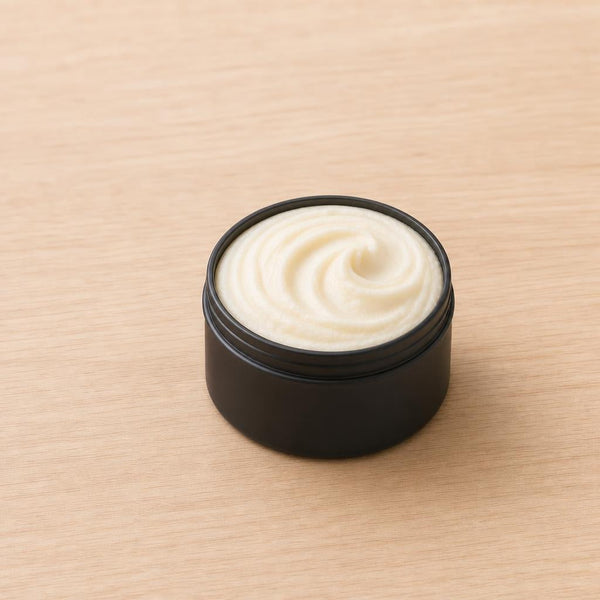
Moose’s Tallow crafts magnesium-infused body butter that combines the relaxation benefits of magnesium with deeply nourishing tallow. Each batch blends thoughtfully sourced ingredients to support both your skin and your sleep. The rich, comforting texture absorbs without greasiness, delivering magnesium where you need it most. Consider pairing your nighttime magnesium routine with their healing tallow lip balm for complete bedtime self-care. Simple ingredients, honest craftsmanship, and the kind of comfort that helps you truly rest.
Frequently asked questions
Does topical magnesium really get absorbed through the skin?
Yes, magnesium penetrates skin layers in amounts sufficient to affect muscle relaxation and sleep for many people. Absorption rates vary based on product formulation, skin condition, and application technique. While not as thoroughly studied as oral absorption, research confirms that transdermal delivery can increase local tissue magnesium levels. The key is using quality products consistently and allowing adequate time for penetration before covering the area.
Are there side effects or risks to using topical magnesium?
Topical magnesium is generally safe but can cause mild skin irritation in sensitive individuals. Some people experience temporary tingling or itching during initial applications. Avoid using on broken skin or open wounds, as this can cause stinging. Always patch test new products on a small area first. If you develop persistent redness, rash, or discomfort, discontinue use and try a different formulation or lower concentration.
How does topical magnesium compare to oral magnesium for improving sleep?
Oral magnesium has more established evidence but topical forms work effectively, especially when oral supplements cause digestive problems. Topical application provides targeted muscle relief without systemic side effects. Oral supplements offer whole-body benefits and may be more appropriate for significant deficiency. Many people use both strategically, taking oral magnesium during the day and applying topical magnesium to problem areas at night for comprehensive support.
How long does it take to notice results from topical magnesium?
Most people notice some muscle relaxation within 20 to 30 minutes of application. Consistent use over one to two weeks typically produces more noticeable improvements in sleep quality and muscle tension. Individual response times vary based on your baseline magnesium status, product quality, and application consistency. Don’t expect overnight miracles, but do pay attention to subtle changes in how quickly you fall asleep and how rested you feel in the morning.


0 comments