
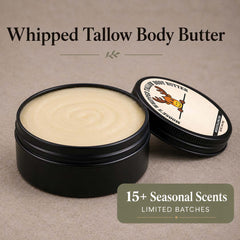
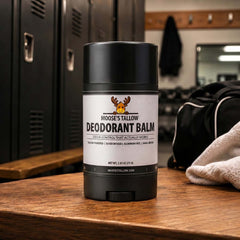



La artesanía honesta es la práctica de hacer productos con ingredientes transparentes, manos hábiles y métodos éticos que ponen la calidad por encima de la comodidad. Los beneficios de la artesanía honesta van mucho más allá del producto terminado. Moldean la confianza del consumidor, reducen el desperdicio ambiental y crean una conexión genuina entre quien fabrica y quien compra. Hoy los consumidores leen las etiquetas, hacen preguntas y esperan respuestas reales. El 72% de los compradores dice que la transparencia en la cadena de suministro aumenta su confianza en una marca. Ese número te dice todo sobre hacia dónde se dirige el mercado.
¿Cuáles son los verdaderos beneficios de la artesanía honesta?
La artesanía honesta, conocida en los círculos de fabricación como producción artesanal transparente, ofrece tres ventajas centrales: calidad superior del producto, confianza del consumidor y menor impacto ambiental. No son ideales abstractos. Se ven en los materiales que elige quien fabrica, en el tamaño de lote que decide y en la lista de ingredientes que está dispuesto a publicar por completo.
Los productos fabricados en masa suelen depender de rellenos, agua y estabilizadores sintéticos para reducir costos y alargar la vida útil. Los productos artesanales hacen lo contrario. Cada ingrediente se gana su lugar. En Moose’s Tallow, por ejemplo, el sebo de res siempre es la estrella. El aceite de coco fraccionado es el vehículo preferido porque es estable, resiste la oxidación, se absorbe sin residuos y dura en el estante sin aditivos. Ese tipo de formulación deliberada es lo que separa la artesanía honesta del lenguaje publicitario.
Las ventajas de la buena artesanía también se ven en la durabilidad. Un producto bien hecho no necesita reemplazarse tan seguido. Eso es bueno para tu bolsillo y bueno para el planeta.
¿Cómo produce la artesanía hábil productos mejores y más duraderos?
Los artesanos hábiles controlan cada paso de la producción. Ese control produce un acabado, una función y una vida útil que la fabricación en masa rara vez iguala.
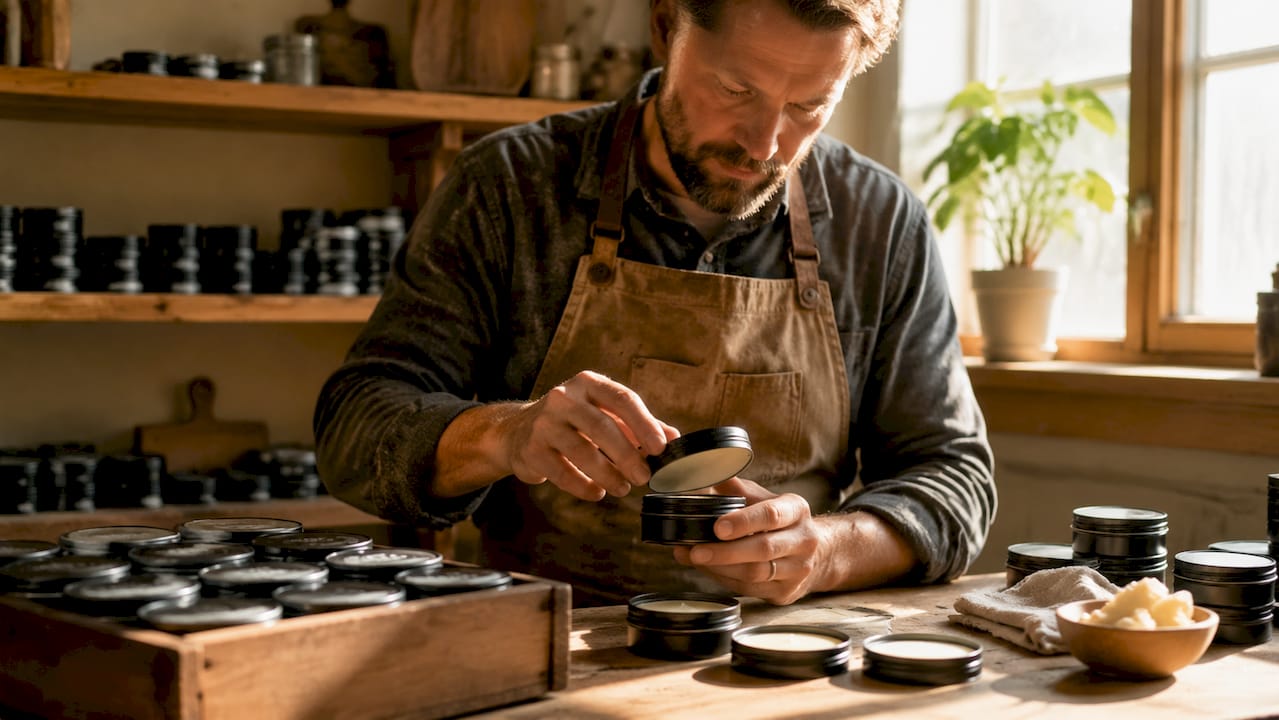
La producción en lotes pequeños es el ejemplo más claro. Cuando alguien fabrica en cantidades pequeñas, cada unidad recibe atención real. No hay una banda transportadora que avance demasiado rápido para un control de calidad. Los ingredientes se miden con cuidado, no se estiman a gran escala. El papel de la producción en lotes pequeños para mantener este estándar está bien documentado en las comunidades artesanales.
Esto es lo que separa la calidad artesanal de las alternativas fabricadas en masa:
- Selección de ingredientes. Los artesanos eligen los ingredientes por su función, no por ahorrar costos. El sebo de res, la cera de abeja, la vitamina E (tocoferoles), la jojoba, el ricino y el aceite infusionado con yema de huevo cumplen cada uno un propósito específico.
- Sin ingredientes de relleno. El agua es el primer ingrediente en la mayoría de las lociones comerciales. Diluye todo lo que viene después. Las fórmulas sin agua aportan más de lo que la piel realmente necesita.
- Integridad del proceso. Un fundido adecuado, una mezcla cuidadosa y temperaturas controladas conservan la calidad de los ingredientes de principio a fin.
- Etiquetado honesto. Cada ingrediente aparece en la lista. Nada se esconde detrás de “fragancia” o “mezcla patentada”.
Consejo: Cuando evalúes cualquier producto hecho a mano, cuenta los ingredientes y busca los primeros tres. Si el primer ingrediente es agua, la fórmula es en su mayoría agua. Si es sebo o un aceite funcional, estás recibiendo un producto realmente concentrado.
Los beneficios funcionales del producto impulsan la intención de recompra más que las afirmaciones ambientales por sí solas en el cuidado personal sostenible. Ese hallazgo importa. Significa que la calidad tiene que ser real, no solo declarada. La artesanía honesta ofrece esa calidad porque el proceso lo exige.
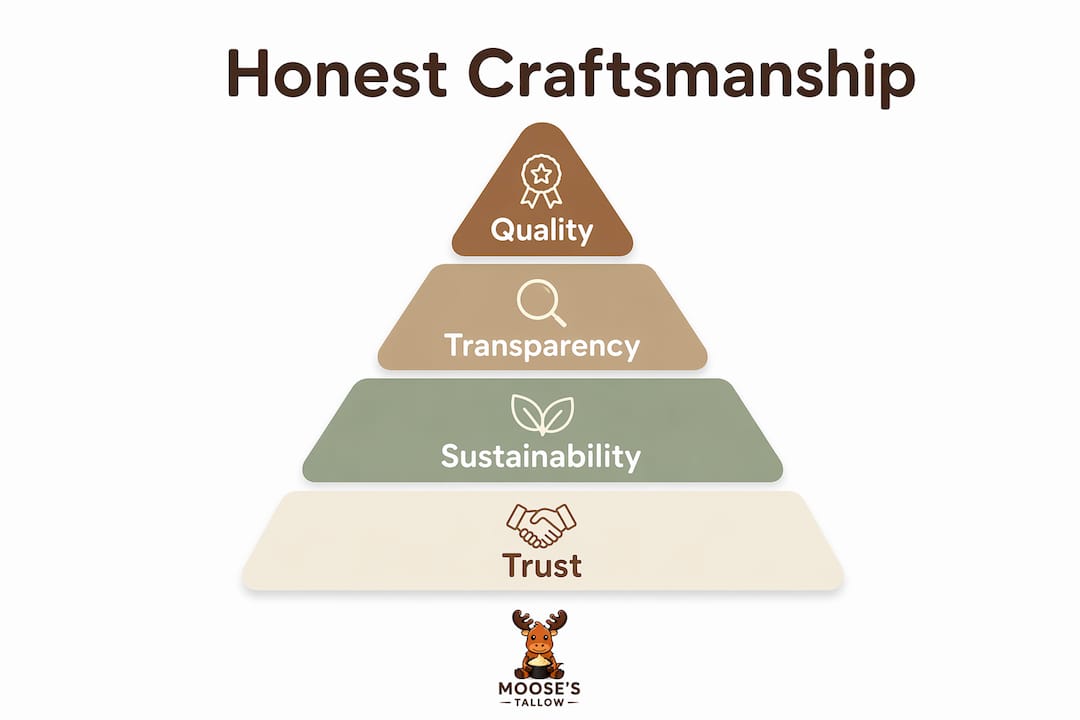
¿Cómo genera confianza en el consumidor la transparencia en la fabricación?
El 41% de los consumidores espera que las marcas revelen de forma proactiva cómo se fabrican sus productos. Esa expectativa pasó de ser una preferencia a ser un mínimo. Las marcas que la cumplen ganan lealtad. Las marcas que la ignoran la pierden.
Las divulgaciones digitales explican el 30% de la variación en la confianza del consumidor, y las divulgaciones sobre producción ética explican el 27% de la variación en la disposición a pagar un precio más alto. No son números pequeños. Significan que mostrar tu trabajo, es decir, publicar tu lista de ingredientes y tu historia de abastecimiento, afecta directamente cuánto valora un cliente tu producto.
“La transparencia ya no es opcional en los productos de consumo. Es esencial para la supervivencia de la industria y para generar confianza. Los compromisos de toda la industria con la divulgación digital construyen una confianza duradera del consumidor que ninguna campaña de marketing por sí sola puede replicar.”
El impacto de la artesanía ética en la lealtad a la marca también se relaciona con lo que los investigadores llaman la Paradoja de la Escala y la Autenticidad. El 68% de los consumidores más jóvenes prefiere productos artesanales rastreables y centrados en las personas frente a las alternativas fabricadas en masa. La paradoja es que, a medida que una marca crece, mantener esa integridad artesanal se vuelve más difícil. Las marcas que resuelven este problema, manteniendo lotes pequeños y listas de ingredientes honestas, son las que conservan clientes leales.
Lo que genera confianza duradera en una marca artesanal:
- Una lista de ingredientes publicada y completa, sin términos vagos
- Una historia de abastecimiento que dice de dónde vienen los materiales
- Producción constante en lotes pequeños con estándares de calidad visibles
- Un fundador o artesano que respalda el producto públicamente
Los consumidores exigen historias detrás de los productos con orígenes transparentes. Esa demanda no va a desaparecer. Está creciendo.
¿Por qué la artesanía honesta favorece la sostenibilidad?
La producción local en lotes pequeños limita el impacto ambiental de maneras que la fabricación a gran escala no puede. Cadenas de suministro más cortas significan menos kilómetros de transporte. Tiradas más pequeñas significan menos sobreproducción y menos desperdicio. Los artesanos que se abastecen localmente también apoyan las economías regionales y reducen la dependencia de los mercados globales de materias primas.
Los ingredientes naturales y apenas diluidos favorecen la sostenibilidad de una segunda manera. Cuando una fórmula no lleva agua, se envía en un envase más pequeño y ligero. Menos empaque, menos peso, menos combustible. Un producto concentrado también dura más por uso, lo que significa comprar menos unidades y desechar menos envases.
El abastecimiento ético es el tercer pilar. Así es como suelen abordarlo los productores artesanales:
- Abastecerse localmente cuando sea posible. Moose’s Tallow usa sebo de res fundido localmente en Lebanon, PA. Eso mantiene corta la cadena de suministro y honesta la historia de abastecimiento.
- Elegir ingredientes estables y duraderos. El aceite de coco fraccionado resiste la oxidación y alarga la vida útil sin conservantes sintéticos. Eso reduce el desperdicio de producto por deterioro.
- Evitar aditivos innecesarios. Cada ingrediente que no cumple una función es un recurso desperdiciado. Las fórmulas honestas no llevan nada de más.
- Comprometerse con la transparencia sobre el abastecimiento. Los consumidores que saben de dónde vienen los ingredientes pueden tomar decisiones informadas sobre la huella ambiental de sus compras.
Las prácticas de cuidado de la piel ecológicas en la producción artesanal van más allá de la elección de ingredientes. Reflejan una filosofía: el desperdicio es señal de mala artesanía. Cuando haces algo bien, no necesitas hacer más de lo necesario.
¿Qué valor emocional y cultural aportan los productos hechos a mano?
El valor de los artesanos hábiles va mucho más allá del producto físico. Los productos hechos a mano llevan una historia humana. Esa historia le importa a quien los compra.
La investigación sobre la participación en la artesanía muestra que los programas de manualidades de seis semanas produjeron mejoras medibles en el bienestar psicológico y la identidad cultural de los participantes. Involucrarse con la artesanía, ya sea como quien fabrica o quien compra, conecta a las personas con la tradición y entre sí. Esa conexión tiene un peso emocional real.
El Efecto IKEA añade otra capa. El esfuerzo que termina en una tarea completada con éxito infla el valor percibido de un producto. Cuando los consumidores se sienten parte de la historia de un producto, a través de un abastecimiento transparente, una artesanía visible o la narrativa personal de un fundador, lo valoran más. La versión frustrante de este efecto funciona al revés. Un producto que se siente opaco o impersonal crea distancia, no apego.
Comprar productos hechos de forma ética también apoya un sentido de propósito. Las compras éticas se relacionan con la felicidad eudaimónica, ese tipo de felicidad que viene de vivir en línea con tus valores. Elegir un producto hecho a mano con ingredientes honestos no es solo una transacción. Es un pequeño acto de coherencia entre lo que crees y lo que compras.
- Los productos hechos a mano llevan imperfecciones humanas y únicas que señalan autenticidad
- La historia personal de un fundador, como la decisión de Brian Smith de reconstruir su rutina de cuidado de la piel desde cero, crea una conexión emocional real
- El cuidado de la piel artesanal para familias refleja valores que los productos fabricados en masa no pueden replicar
Consejo: Cuando leas la historia de origen de una marca, busca detalles concretos. Un fundador que nombra el problema exacto que resolvió, y los ingredientes exactos que eligió, te muestra la misma honestidad que pone en su producto.
Puntos clave
La artesanía honesta ofrece calidad superior, confianza duradera del consumidor y beneficios ambientales reales porque exige transparencia, producción hábil y una selección intencional de ingredientes en cada paso.
| Punto | Detalles |
|---|---|
| Calidad por intención | Cada ingrediente de una fórmula honesta cumple una función. Nada es relleno. |
| La transparencia genera lealtad | Las marcas que revelan su abastecimiento e ingredientes ganan una confianza medible del consumidor y disposición a pagar más. |
| Los lotes pequeños limitan el desperdicio | La producción local en tiradas pequeñas reduce la sobreproducción, el empaque y las emisiones de la cadena de suministro. |
| El valor emocional es real | Los productos hechos a mano conectan a los compradores con la tradición y el propósito, aumentando el valor percibido y la satisfacción. |
| La eficacia sostiene la recompra | El desempeño funcional del producto impulsa la lealtad más que las afirmaciones ambientales por sí solas. |
Por qué la artesanía honesta importa más ahora que nunca
Empecé Moose’s Tallow porque leí la etiqueta de una loción y conté 52 ingredientes. El primero era agua. Ese momento no fue solo frustrante. Fue esclarecedor. Si el primer ingrediente de un producto para la piel es agua, estás pagando por agua. Todo lo demás está ahí para estabilizar, conservar o disimular ese hecho.
Lo que he aprendido desde entonces es que la artesanía honesta no es una preferencia de nicho. Es una expectativa que crece. Los consumidores de 2026 saben leer las etiquetas mejor que cualquier generación anterior. Saben qué es el aceite de coco fraccionado. Saben por qué importa que no lleve agua. Están haciendo preguntas más difíciles y merecen respuestas reales.
El reto para las marcas artesanales es mantenerse honestas a medida que crecen. La tentación de añadir un ingrediente más barato, estirar una fórmula con agua u ocultar el abastecimiento tras un lenguaje vago se hace más fuerte bajo la presión del negocio. Creo que las marcas que resisten esa tentación son las que vale la pena apoyar. No porque sean perfectas, sino porque intentan ser sinceras. Eso es lo que las tradiciones de cuidado de la piel del viejo mundo hicieron bien, y lo que los artesanos modernos necesitan proteger.
Brian Smith
Moose’s Tallow: cuidado de la piel artesanal hecho con ingredientes honestos
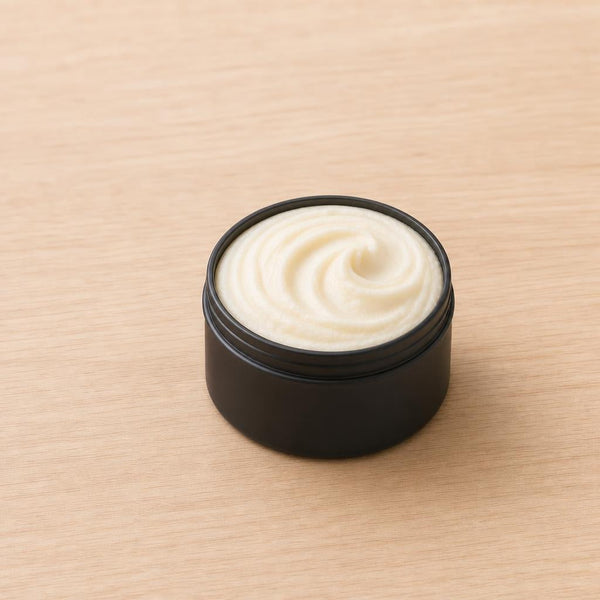
Moose’s Tallow hace cada producto a mano, en lotes pequeños, en Lebanon, PA. El sebo de res siempre es la base. El aceite de coco fraccionado, la cera de abeja, la vitamina E (tocoferoles), la jojoba, el ricino y el aceite infusionado con yema de huevo completan fórmulas que no llevan nada de más. Cada ingrediente aparece en la lista, cada lote se hace con cuidado y cada producto se envía con una garantía de 60 días.
Si quieres ver cómo se ve la artesanía honesta en un producto para la piel, el bálsamo labial de sebo reparador es un buen punto de partida. No lleva agua, se hace con una lista corta de ingredientes y está pensado para quienes ya no quieren conformarse con rellenos. También puedes conocer más sobre los estándares de belleza ética para entender qué buscar en el mercado más amplio del cuidado personal.
Preguntas frecuentes
¿Qué es la artesanía honesta?
La artesanía honesta es la práctica de hacer productos con ingredientes transparentes, abastecimiento ético y métodos de producción hábiles. Cada ingrediente cumple un propósito y nada se le oculta al consumidor.
¿Por qué importa la transparencia en los productos hechos a mano?
La transparencia en la cadena de suministro aumenta la confianza del 72% de los consumidores. Las marcas que publican listas completas de ingredientes e historias de abastecimiento ganan más lealtad y logran una mayor disposición a pagar.
¿Cómo mejora la calidad la producción en lotes pequeños?
La producción en lotes pequeños da a quienes fabrican un control directo sobre cada unidad. Ese control reduce errores, conserva la integridad de los ingredientes y permite controles de calidad reales que la fabricación a gran escala no puede replicar.
¿De verdad duran más los productos hechos a mano?
Los productos hechos a mano con ingredientes estables y funcionales, como las fórmulas sin agua que usan aceite de coco fraccionado, resisten la oxidación y la degradación por más tiempo que las alternativas diluidas y llenas de rellenos.
¿Cómo afecta al bienestar comprar productos éticos?
Las compras éticas favorecen la felicidad eudaimónica al reforzar una identidad moral positiva y reducir la culpa. Comprar en línea con tus valores produce un sentido de propósito duradero, no solo una satisfacción momentánea.
Recomendado
- El papel de la producción en lotes pequeños en la artesanía de calidad – Moose’s Tallow
- Beneficios reales del cuidado de la piel artesanal para toda tu familia – Moose’s Tallow
- Por qué importa el cuidado de la piel artesanal: calma y nutre de forma natural – Moose’s Tallow
- Ingredientes honestos: la clave para una piel más sana en 2026 – Moose’s Tallow


0 comentarios