

TL;DR:
- Handcrafted skincare, made in small batches with intentional ingredients, offers fresher products and personalized formulations. While providing benefits like enhanced nutrient density, it requires careful safety practices, as natural ingredients can cause reactions and may lack regulation. Transparency and proper testing are essential for choosing safe, effective handcrafted skincare for yourself, your family, and your pets.
Most people assume that if something is “natural” or “handcrafted,” it must be safer and better for their skin. That assumption sounds reasonable, but it leaves out a lot of important context. Handcrafted skincare can be genuinely wonderful, offering fresher ingredients, cleaner formulations, and real nourishment for sensitive skin, but only when it’s made thoughtfully and used wisely. This guide walks you through what handcrafted skincare actually means, what the science says about its benefits, and how to make smart, confident choices for yourself, your children, and even your pets.
Key Takeaways
| Point | Details |
|---|---|
| Not all natural is safer | Handcrafted does not promise safety or effectiveness—ingredient transparency and testing do. |
| Unique benefits for families | Handcrafted skincare allows customization for sensitivities and can offer potent, fresh nourishment for skin, kids, and pets. |
| Tallow is highly nourishing | Tallow-based balms support dry, sensitive skin but require careful selection to avoid contamination or irritation. |
| Safety requires diligence | Always patch test and buy from trusted makers who use proven safety practices and share ingredients. |
What defines handcrafted skincare?
Handcrafted skincare is produced in small batches, typically by individuals or small brands rather than large manufacturing facilities. The process involves minimal industrial processing, and ingredient sourcing tends to be more intentional. Rather than scaling for maximum output, the focus is on quality and care at every step.
Small-batch production offers real advantages. Small-batch production ensures freshness, higher potency of ingredients, and customization, but it also requires proper preservation for water-based products to prevent microbial contamination. That last part matters more than many buyers realize.
Here is what genuinely sets handcrafted skincare apart from mass-produced alternatives:
- Ingredient intentionality: Every component is typically chosen for a specific purpose, not just shelf appeal or cost reduction.
- Freshness: Shorter production cycles mean ingredients have less time to degrade before they reach you.
- Customization: Formulas can be adjusted for specific skin concerns, sensitivities, or preferences.
- Transparency: Small-batch makers often share more detail about their sourcing and process.
- Minimal fillers: There is less incentive to pad formulas with cheap filler ingredients.
Where handcrafted products can fall short is regulation. Unlike large commercial brands, small producers are not always subject to the same level of testing or oversight. Reviewing cosmetic safety guidance before choosing a handcrafted product is a smart step, particularly for people with allergies or sensitive skin.
Pro Tip: When evaluating handcrafted skincare, look for brands that list every ingredient in plain language and explain why each one is included. That kind of transparency is a strong indicator of honest craftsmanship.
For those exploring options, our roundup of the best tallow moisturizers offers a useful starting point for comparing handcrafted formulas.
Core benefits of handcrafted skincare
With a clear understanding of what makes skincare handcrafted, let’s explore the most important benefits you might see from using these products.
The most consistent advantage of handcrafted skincare is nutrient density. When ingredients are sourced carefully and used fresh, they arrive on your skin with more of their original beneficial properties intact. This matters for skin barrier health, hydration, and overall resilience.
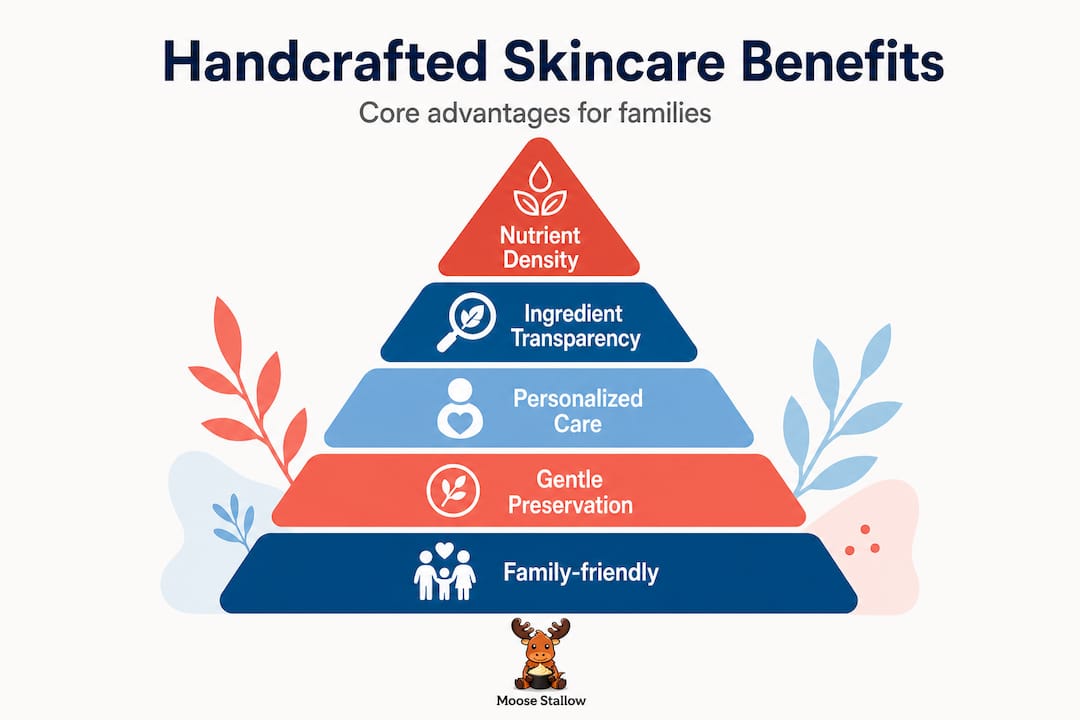
Research backs this up in meaningful ways. Herbal moisturizers showed significant improvements in hydration, fine lines, and dryness starting from week two of use, and they passed standard irritancy, pH, and spreadability tests. That is not just anecdotal evidence. It points to real, measurable outcomes.
Key benefits that health-conscious users consistently report include:
- Improved hydration from ingredients like tallow, shea, and honey that work in harmony with skin biology
- Reduced sensitivity reactions due to fewer synthetic additives and preservatives
- Better suitability for children and babies, whose skin is thinner and more permeable
- Gentler daily use for those managing conditions like eczema, psoriasis, or rosacea
- Transparency about what you are applying, which matters when you care deeply about what goes on your family’s skin
Learning how to maximize tallow hydration can also help you get the most out of any tallow-based formula you choose.
“The best skincare is not the most complex. It is the most compatible with your skin’s own chemistry.”
Those interested in anti-aging skincare tips built around natural ingredients will find that handcrafted options often align well with those goals, particularly when formulated with active botanicals and skin-compatible fats.
Tallow-based skincare: Nourishment for skin, family, and pets
Among handcrafted ingredients, tallow stands out. Let’s look at what makes tallow-based skincare so beneficial and how you can use it for every family member, including the four-legged ones.
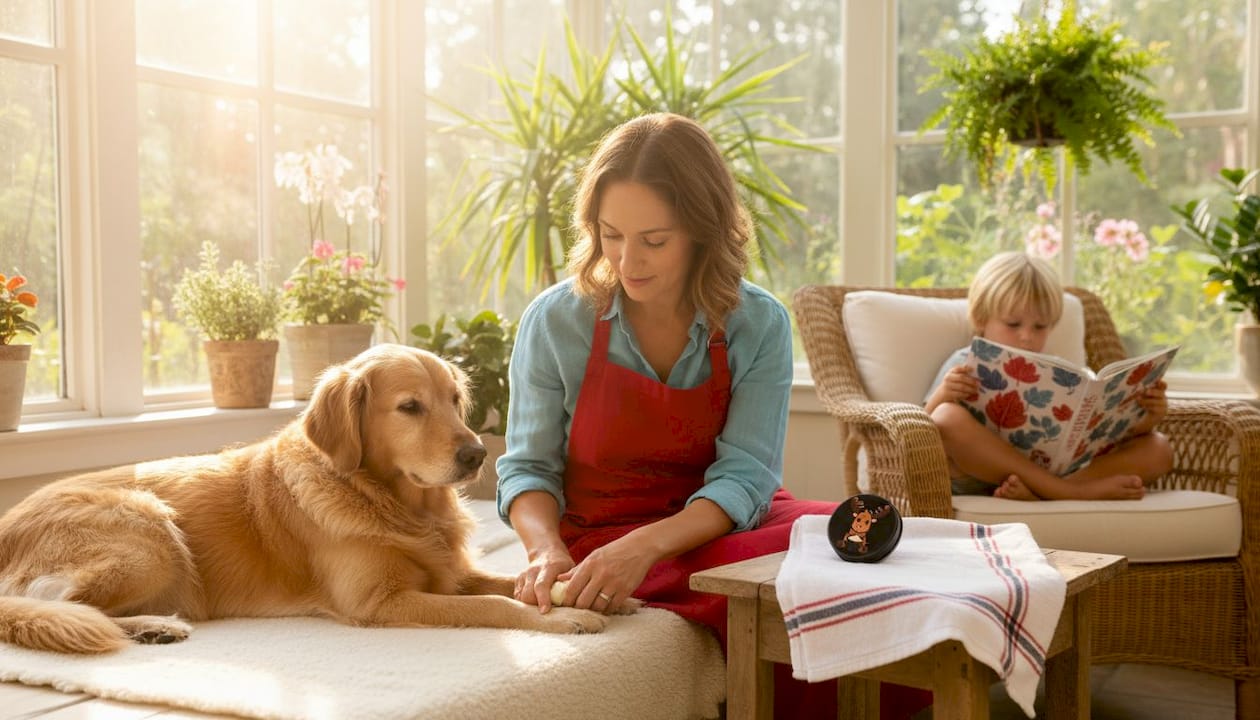
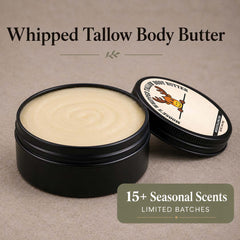
Tallow is rendered beef fat, and it has been used on skin for generations. The reason it keeps coming back is straightforward: tallow mimics the skin’s natural lipids, is rich in vitamins A, D, E, and K, has anti-inflammatory properties, and provides deep hydration. The flip side is that it can potentially clog pores in acne-prone skin and carries contamination risk if not properly rendered.
Here is a simple comparison to help you decide if tallow-based skincare fits your needs:
| Feature | Tallow-based balm | Typical commercial lotion |
|---|---|---|
| Ingredient complexity | Minimal, intentional | Often 20+ ingredients |
| Skin lipid compatibility | High | Variable |
| Vitamin content | A, D, E, K naturally present | Usually synthetic additives |
| Preservative needs | Low (anhydrous formulas) | High (water-based) |
| Suitable for sensitive skin | Often yes | Depends on formula |
| Safe for pets | Generally yes | Often no |
How to use tallow skincare safely and effectively:
- Start with a patch test. Apply a small amount to your inner wrist or behind the ear and wait 24 hours before wider use.
- Use sparingly on the face. A pea-sized amount is usually enough. Tallow is rich and absorbs slowly.
- Apply to damp skin. This boosts absorption and helps lock in moisture more effectively.
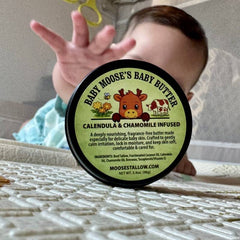
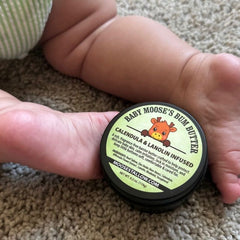
- For babies and children, stick to fragrance-free, minimal formulas and always test first.
- For pets, apply to dry paws, noses, or irritated areas. Tallow balms for pets are lick-safe and non-toxic, but patch testing is still recommended since no formal clinical trials exist yet.
Pro Tip: If your dog has cracked paw pads in winter, a plain tallow balm with no added essential oils is one of the gentlest options available. Rub it in after a walk and let it absorb before they walk on flooring.
Understanding why tallow works for dry skin and how it holds up compared to plant oils is worth exploring if you are choosing between formulas. Our breakdown of tallow vs plant oils covers the key differences in a clear, practical way.
Navigating safety and challenges: What every buyer should know
While handcrafted skincare can be incredibly nourishing, safety is essential. Here is how to make smart, safe choices for you and your loved ones.
The word “natural” does not equal safe. Plenty of natural substances cause skin reactions, and potential irritants in natural skincare include essential oils, citrus extracts, and botanical allergens that appear in many well-intentioned handcrafted products.
Proper safety practices for any skincare product you choose should include:
- Preservative efficacy testing: Water-based products require this to prevent microbial growth.
- Patch testing: Non-negotiable for new products, especially for children, allergy-prone individuals, and pets.
- pH consideration: Effective preservation requires a pH typically between 3 and 8, and natural antimicrobials alone are rarely sufficient for water-based formulas.
- Stability testing: Ensures a product remains safe and effective throughout its intended shelf life.
- Packaging review: Look for opaque or airtight containers that protect active ingredients from light and air.
“Challenge testing, pH adjustment, and stability checks are not optional extras. They are the baseline for any product you apply to skin regularly.”
One important practical note: anhydrous (water-free) products like tallow balms carry significantly lower contamination risk than creams or lotions. That is one reason tallow formulas are often simpler to preserve safely. If you have sensitive skin, a well-formulated tallow skincare routine is worth exploring as a lower-risk starting point.
Why ingredient transparency matters more than labels
Here is something I genuinely believe after years of making and studying skincare formulas: labels are the least reliable thing about a product.
“Handcrafted,” “natural,” “clean,” and “non-toxic” are marketing terms. They tell you something, but not enough. What actually protects your family is reading the ingredient list and understanding what you are looking at. Botanicals can irritate and cause allergic reactions, and “natural” or handcrafted does not guarantee safety. Experts consistently emphasize testing over label claims.
At Moose’s Tallow, we build every formula around that principle. Every ingredient earns its place. Nothing is there for show. When you pick up one of our products, you should be able to look at the ingredient list and recognize everything on it, or ask us directly why it is included.
The brands worth trusting are the ones that welcome those questions. They can explain their preservation approach, their sourcing, and their testing practices without getting defensive. That openness is not just good marketing. It is the right way to operate when families are depending on you.
When choosing a tallow moisturizer, use the same criteria you would apply to food: simple, recognizable ingredients and a maker you can actually contact.
Explore safe and nourishing handcrafted tallow skincare
Ready to experience the real benefits of handcrafted skincare? Choosing a reputable brand that uses safety-tested, minimal ingredients makes all the difference. At Moose’s Tallow, every product is made in small batches with carefully chosen ingredients that genuinely serve your skin. Whether you are managing dry patches, caring for sensitive little ones, or looking for something gentle enough to use on your pet’s irritated nose, our handcrafted tallow balms are formulated with that level of care in mind. If you want a clean option with skin protection built in, our Tallow Zinc Sun Balm is a great place to start. Explore the full collection and find what fits your family’s daily routine.
Frequently asked questions
Is handcrafted skincare always better than commercial products?
Handcrafted skincare can offer fresher, more personalized formulations, but it is not always safer or more effective than regulated commercial products. The best choice depends on ingredients, production practices, and whether safety-tested formulations have been used.
Can I safely use tallow balms on my pet’s skin?
Tallow balms can be safe for pets and are often lick-safe, but patch testing is still recommended and no added essential oils should be present, since many are toxic to animals.
How do I check if handcrafted skincare is safe?
Look for products that use challenge testing, proper preservation methods, and offer full ingredient transparency. Safety requires challenge testing and pH control, not just natural ingredients, and always patch test before regular use.
Are there risks to using “natural” skincare?
Yes, even natural or handcrafted products can irritate or trigger allergies. Botanicals can cause reactions just as synthetic ingredients can, so always check the full ingredient list and patch test on a small area first.


0 comments