

Pick body butter for very dry or sensitive skin, and pick lotion for light, quick daily hydration. Butters are thick and rich in oils, so they seal moisture in. Lotions are water-based, so they sink in fast but fade sooner. If your skin runs dry, our water-free tallow butters are built for exactly that job.
TL;DR:
- For very dry, flaky, or skin exposed to winter weather, apply butter at night; oily skin, hot weather, and rushed mornings favor lotion.
- Apply either product immediately after bathing while skin remains damp; when layering, put lotion on first, then add a thin butter layer to seal moisture.
- Moose’s water free butters use rendered beef suet, beeswax, and fractionated coconut oil; their formulas need less preservative support than water based products.
- Warm a small scoop between your palms, then let the butter settle for a few minutes before dressing to limit transfer onto clothing.
- For babies or sensitive skin, choose butter without fragrance and with a short ingredient list, rather than assuming every rich formula will suit.
What body butter is and how it works
Body butter is a fat-rich moisturizer with little or no water. That thick base is what you feel on your skin. Moisturizers combine humectants, occlusives, and emollients. Humectants pull in water. Occlusives sit on top and slow evaporation. Emollients smooth the surface.
Butters lean on the last two. In our formulas, these ingredients do the work:
- Beef suet tallow: the main ingredient in our water-free butters.
- Beeswax: one of the ingredients in our formulas.
- Fractionated coconut oil: our preferred carrier. It is stable, resists oxidation, and absorbs easily.
- Vitamin E (tocopherols): one of the ingredients in our formulas.
Expect a slower sink-in. A thin layer can leave a little residue on clothes until it settles.
Pro Tip: Warm a pea-sized scoop between your palms first. It melts into a smooth film and spreads further.
What lotion is and how it differs from butter
Lotion is a water-based emulsion. Water is usually the first ingredient, blended with oils and thickeners. Lotions are lighter and sink in quickly, but they usually give less lasting hydration than thicker, oil-rich formulas.

Water changes how a product is made. Water-based formulas may use preservatives to support shelf stability. Most lotions also add humectants such as glycerin, plus emulsifiers to hold water and oil together. That is why ingredient lists run long.
Lotion still has a place. It suits oilier skin, hot weather, and mornings when you need to dress fast. It spreads easily over large areas like legs and arms. The trade-off is that you may need to reapply through the day.
Body butter vs lotion: the direct comparison
The two differ most in what they are made of. Here is how they line up:
- Texture: butter is thick and dense. Lotion is light and pourable.
- Water content: lotions carry more water. Our butters are water-free, with minimal dilution.
- Absorption: lotion sinks in fast. Butter takes a few minutes and can feel heavier.
- Durability: butter feels richer on skin. Lotion feels lighter.
- Key ingredients: our butter uses tallow and beeswax. Lotion often contains water and humectants.
Sealing power rises with oil content. Occlusive agents coat the skin’s outer layer and cut water loss, and the effect runs from ointment (strongest) down to lotion (lightest).
That ranking explains the whole debate. More oil means a stronger seal. More water means a lighter feel. Neither is wrong. They solve different problems.
For more on how tallow compares with typical creams, read why we choose tallow over creams for sensitive skin.
Who should use body butter and who should use lotion
Match the product to your skin, the season, and the body area:
- Very dry, flaky, or winter-exposed skin: body butter. Use it at night for the longest wear.
- Normal to oily skin: lotion. It keeps the feel light.
- Hot weather and quick mornings: lotion for speed, butter only on dry patches.
- Baby and sensitive skin: a fragrance-free butter with a short ingredient list.
- Hands, feet, and heels: a thicker butter, layered if needed.
Dermatologists note there is no one-size-fits-all moisturizer. Lotions may suffice for younger or oilier skin, while thicker formulas suit seasonal dryness.
Pro Tip: Keep both on hand. Use lotion in summer and butter once the heat comes on in fall.
For a look at texture in practice, see our Dark Cocoa Whipped Tallow Body Butter.
How to apply body butter or lotion for the best results
The method matters as much as the product. Clinical guidance supports a soak-and-seal technique: apply right after bathing, while skin is still damp.
- Pat skin lightly with a towel. Leave it damp.
- Take a palm-sized amount for each arm or leg.
- Rub it between your hands until warm.
- Press it into the skin, then smooth it out.
- For extra protection, add lotion first, then a thin butter on top.
Let it settle a few minutes before dressing. Apply at night for deep care. Dry areas like heels can take a second layer.
Dry climates add a twist. Humectants work better when you seal them in, as this note on hyaluronic acid in dry climates explains.
Why we make water-free tallow butters
We started Moose’s Tallow after a health scare. Our founder, Brian “Moose” Smith, read his lotion label. It had a long ingredient list, and water came first. He wanted something simpler.
- Every product is handmade in small batches in Lebanon, PA.
- We use properly rendered local beef suet tallow.
- Formulas are water-free and lightly diluted.
- Every ingredient is chosen on purpose, never as filler.
We believe skin does not need long ingredient lists. It needs the right ingredients.
Water-free formulas also mean less need for preservatives. For a practical walk through our label standards, see our tallow product checklist.
Why shorter ingredient lists win
A routine only works if you keep doing it. I find that short, clear labels make that easier. When you can read every ingredient, you trust the jar and use it daily.
A water-free butter may suit skin that feels dry. Let it settle before dressing, and see how your skin feels. Fractionated coconut oil keeps the texture light.
— Brian Smith
Our butters for dry, sensitive, and sun-tired skin
If you are ready to switch, here is where we would start:
- Coconut After Sun Body Butter: for summer-dry skin and after-sun care, with a light scent and a stable carrier oil.
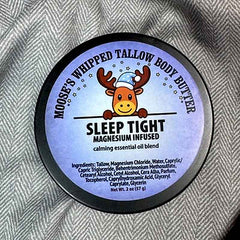
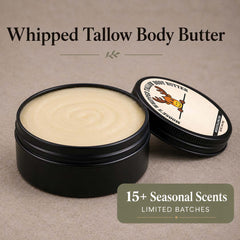
- Whipped Tallow Body Butter: a daily whole-body option. The whipped texture spreads with ease.
- Natural Tallow Baby Butter with Calendula & Chamomile: made for baby and sensitive skin.
You can browse the full range in our tallow body care collection or see every product. Pick one, try it after your next shower, and see how your skin feels by morning.
FAQ
Is body butter better than lotion for dry skin?
For dry skin, yes. Dermatologists recommend thicker moisturizers like creams and ointments over lotions when skin runs dry. Lotion still works well for oilier skin or quick daytime use.
Can I use body butter as lotion?
Yes. Use less than you think, and warm it in your hands first. It will feel richer and absorb more slowly than a typical lotion.
Should I use body butter or lotion first?
If you layer, put lotion on first for quick hydration. Then add a thin layer of butter to seal it in. Apply both while skin is still damp.
Should you use body butter every day?
You can, especially in dry seasons or on very dry areas. Many people use butter at night and lotion in the morning. Adjust to how your skin feels.
Sources
- How to pick the right moisturizer for your skin
- Moisturizers
- Restoring Skin Hydration and Barrier Function: Mechanistic Insights Into Basic Emollients for Xerosis Cutis
0 comentarios