


Nocturnal pruritus, the clinical term for nighttime itching, comes from a mix of circadian shifts and moisture loss. As night falls, skin blood flow and temperature rise while your body’s natural anti-inflammatory hormones drop, so irritation that felt mild at noon can feel unbearable by midnight. Skin also loses water faster overnight, a process called transepidermal water loss, which leaves it drier and more reactive right when you’re trying to sleep.
Two moves help most people tonight. Cool your bedroom down a few degrees, and apply a thick, water-free moisturizer before you lie down.
- Lower the thermostat slightly before bed
- Apply a heavy, water-free balm while skin is still a little damp
- Skip long, hot showers right before sleep
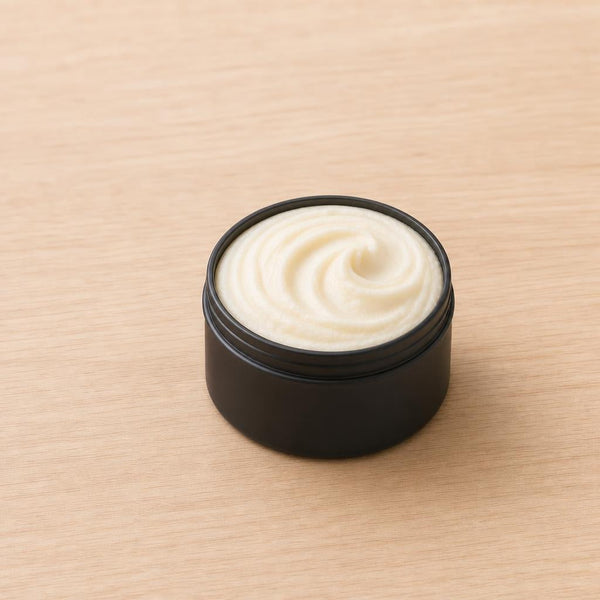
Pro Tip: Keep a jar of balm on your nightstand. If you wake up itching, you want relief within reach, not a walk to the bathroom.
Key Takeaways
Nighttime itching results from circadian shifts in skin temperature and moisture loss, and a cool room plus a water-free moisturizer applied at bedtime addresses both at once.
| Point | Details |
|---|---|
| Itch peaks at night for physiological reasons | Rising skin temperature and dropping anti-inflammatory hormones make irritation feel worse after dark. |
| Dry air and rough fabric make it worse | Heating, low humidity, and synthetic bedding all pull moisture from skin overnight. |
| Some causes need medical attention | Unexplained weight loss, night sweats, or spreading rash call for a clinician visit. |
| Evening moisturizing works better | Skin absorbs topical products more efficiently at night due to increased permeability. |
| Moose’s Tallow supports the nightly routine | Sleep Tight Magnesium Body Butter and Trail Relief balm are built on water-free tallow for nighttime use. |
What Causes Itchy Skin at Bedtime?
If you’re waking up scratching, your body is usually telling you one of four things: your skin is dry, your bedroom environment is working against you, an underlying skin condition is flaring, or something systemic is going on. Here’s how to start sorting it out.
Watch for these symptoms:
- A strong urge to scratch that hits mainly at night or right at bedtime
- Visible rash, redness, or raised patches
- Scratch marks or broken skin you didn’t notice creating
- Trouble falling or staying asleep because of the itch
The physiology behind this is fairly simple. Your body’s internal clock lowers cortisol at night, and cortisol happens to be a natural anti-inflammatory. At the same time, skin temperature and blood flow both increase, which makes nerve endings more sensitive to itch signals. Add in the faster water loss mentioned earlier, and you get skin that’s drier, warmer, and more reactive, all at once.
Your bedroom itself can make this worse:
- Forced-air heating or air conditioning that dries out indoor humidity
- Rough or synthetic bedding and sleepwear
- Laundry detergents or fabric softeners with fragrance
- A mattress or pillow harboring dust or old allergens
Skin conditions also tend to flare after dark. Eczema (atopic dermatitis) usually shows up as dry, scaly, intensely itchy patches, often in the creases of elbows and knees. Psoriasis brings thicker, well-defined red plaques with silvery scale. Scabies causes a relentless itch that’s often worse at night, sometimes with thin, thread-like burrow marks between fingers. Contact dermatitis shows up wherever your skin touched an irritant, whether that’s a new detergent or a plant from the yard.
Could a Health Condition Be Behind Your Itchy Skin?
Sometimes the itch has nothing to do with your skin at all. Certain medications, including some blood pressure drugs, opioids, and statins, list itching as a known side effect. If you started a new prescription around the same time the itching began, that timing is worth mentioning to your doctor.
Hormonal shifts matter too. Pregnancy and menopause both change how skin holds moisture and how nerves respond to irritation. On the metabolic side, diabetes is a well-known cause of persistent itch, and so are thyroid disorders, kidney disease, and liver disease. Skin also gets thinner and less able to hold onto moisture as we age, which is part of why nighttime itch becomes more common later in life.
Some signs mean this isn’t a skincare problem, and you should call a clinician soon:
- Itching paired with unexplained weight loss
- Recurring night sweats
- Bruising you can’t explain
- Wounds from scratching that won’t heal or start bleeding easily
- Itching that spreads all over your body with no clear trigger
What Happens at a Doctor’s Visit for Persistent Itching?
A clinician will usually start with questions before ordering anything. Expect to talk about when the itch started, where it shows up, whether it’s worse at a specific time of night, and what products or medications you’re currently using.
From there, testing depends on what your history suggests:
- Basic blood work to check kidney, liver, and thyroid function
- Allergy testing if a specific trigger is suspected
- A skin scraping to rule out scabies
- A skin biopsy if a rash doesn’t have an obvious cause
A referral to a dermatologist makes sense if the itch persists past a few weeks, doesn’t respond to basic moisturizing and environmental changes, or comes with a rash that keeps changing shape or spreading.
What Actually Relieves Itchy Skin at Night?
Most nights, the fix doesn’t need to be complicated. Here’s the order that tends to work best, starting with the lowest-effort, lowest-risk steps first.
- Cool the room. A slightly cooler bedroom, plus a humidifier during dry winter months, keeps skin from losing extra moisture overnight.
- Choose soft, breathable fabrics. Cotton sleepwear and bedding cause far less friction against irritated skin than synthetic blends.
- Wash with fragrance-free detergent. Residue from scented detergents is a common, overlooked trigger.
- Keep showers lukewarm and brief. Hot water strips the skin’s natural oils, which only feeds the itch cycle. Pat skin dry instead of rubbing.
- Moisturize while skin is still damp. Apply a thick, water-free balm within a few minutes of drying off to help seal in moisture.
Timing here matters more than people realize. Since skin permeability naturally increases at night, an evening application can absorb more effectively than the same product used in the morning. That makes your bedtime routine the most useful moment of the day to moisturize, not an afterthought.
For symptomatic relief in the moment, cooling ingredients like menthol work by stimulating cool receptors in the skin, which can ease the sensation of itch without addressing the underlying cause. Calamine offers a similar cooling effect for some people. A cold, damp washcloth pressed against an itchy patch works the same way and costs nothing. For more stubborn flares, some clinicians recommend wet-wrap therapy, where a damp layer of clothing goes over freshly moisturized skin, followed by a dry layer on top, to boost how well the moisturizer absorbs overnight.
One more thing: if scratching has broken the skin, keep the area clean and covered where possible. Broken skin is an open door for infection, and an infected scratch is a much bigger problem than the itch that caused it.
Pro Tip: Trim your fingernails short if nighttime scratching is a habit. It sounds small, but it meaningfully cuts down on how much damage happens while you’re half asleep.
How Moose’s Tallow Approaches Nighttime Skin Care
Moose’s Tallow builds every product on properly rendered, local beef suet tallow. No water, no filler, nothing added just to bulk up the ingredient list.
Tallow’s fatty-acid profile sits close to your skin’s own oils, so it absorbs cleanly instead of sitting on top. Because our formulas skip water entirely, they help lock existing moisture in rather than adding more that just evaporates. That’s the whole idea behind a water-free balm: less to evaporate, more staying power through a dry night.
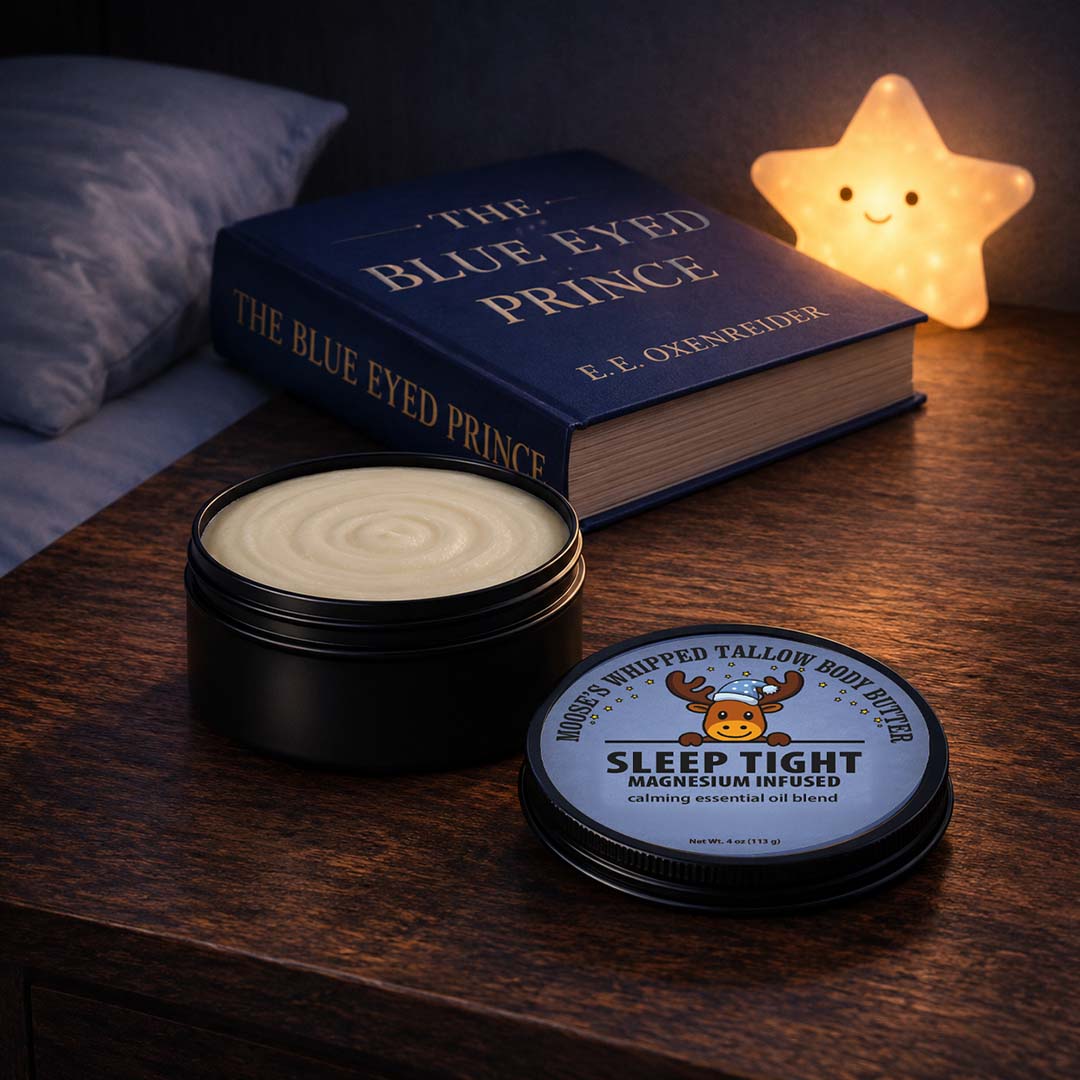
- Sleep Tight Magnesium Body Butter is built for nightly moisture support, made with tallow, fractionated coconut oil, and jojoba.
- Natural Bug Bite & Itch Relief Balm, Trail Relief, targets localized spots like insect bites.
Apply a thin layer before bed, on damp skin if possible. A little goes a long way with water-free balms. Patch-test any new product on your inner arm first if you have sensitive skin.
Simple Habits That Keep Nighttime Itch From Coming Back
Prevention beats treating a flare at 2 a.m. every time. A consistent evening moisturizing routine, using a heavier balm during colder months, keeps your skin barrier stronger before dryness even sets in.
A few other habits make a real difference over time:
- Skip long, hot baths in favor of shorter, lukewarm showers
- Use gentle, fragrance-free cleansers instead of heavily perfumed soap
- Wash bedding weekly in unscented detergent
- Swap rough or synthetic sheets for softer, breathable fabric
- Build a wind-down routine that lowers stress before bed, since stress measurably worsens itch perception
None of these require a big lifestyle overhaul. They’re small, repeatable choices that add up over weeks, not overnight fixes.
A Founder’s Note on Keeping Bedtime Simple
I built Moose’s Tallow around one idea: skin doesn’t need fifty-two ingredients, it needs the right ones. When my own skin is dry and irritated at night, I keep it simple. Cool the room, apply a heavy water-free balm, and let the ingredients do their job without extra fillers getting in the way.
A Nightly Routine Built Around Real Ingredients
If cooling your room and switching detergents hasn’t fully solved the problem, the moisturizer itself might be the weak link. Many lotions are mostly water with a long list of fillers behind it, which means they evaporate fast and leave skin dry again within hours. Moose’s Tallow skips that entirely. Every product starts with properly rendered beef suet tallow, paired with fractionated coconut oil as our preferred carrier oil for its stability and easy absorption, plus beeswax, vitamin E, jojoba, castor, and egg yolk infused oil where it fits the formula.

For nighttime relief specifically, the Sleep Tight Magnesium Body Butter is worth adding to your bedside routine tonight. It’s water-free by design, so it’s built to support your skin barrier through a dry night rather than evaporating within the hour. If your itch is more localized, from a bug bite or a rough patch, the Trail Relief balm is the more targeted pick. Order either one directly from Moose’s Tallow and try it as part of tonight’s wind-down routine.
For general gentle-skincare habits alongside your nightly routine, this guide to sensitive skin practices covers useful ground too.
Sources
- Why do I itch more at night? - Harvard Health
- Itchy Skin at Night: Causes, Remedies & Treatments - Cleveland Clinic
- Nocturnal pruritus and sleep disturbance associated with dermatologic disorders - PMC
FAQ
Why do I itch all over my body at night? Whole-body nighttime itching usually comes from circadian changes that raise skin temperature and lower natural anti-inflammatory hormones. Dry indoor air and rough bedding often make it worse.
What vitamin deficiency causes itching? Low vitamin D and, less commonly, low iron have both been linked to itchy skin in some people. A blood test with your doctor is the only reliable way to confirm a deficiency.
What does diabetes itch feel like? Diabetes-related itching is often widespread, persistent, and tied to very dry skin, sometimes concentrated on the lower legs. It can also occur alongside poor circulation or nerve changes.
Is nighttime itching a symptom of a disease? It can be, especially if it comes with weight loss, night sweats, or bruising, since conditions like kidney, liver, or thyroid disease can cause itch. Most cases, though, trace back to dry skin or environmental triggers rather than serious illness.
Can a water-free moisturizer help with nighttime itch? A thick, water-free balm applied before bed can help support the skin barrier and reduce moisture loss overnight. Products like Moose’s Tallow’s body butter are designed for exactly this kind of nightly use.
This article is general information, not a substitute for advice from a qualified doctor. Consult a qualified healthcare professional about your own circumstances before acting on anything here.


0 comentarios