





You jolt awake at 2 a.m., heart racing, because your leg just kicked involuntarily under the covers. It happens again the next night, and the next. You wonder if something is wrong, if you should be worried, or if there’s a simple explanation. Nighttime leg twitching is surprisingly common, yet it leaves many people confused and frustrated. This article breaks down the main causes behind those mysterious movements, explains the differences between harmless jerks and conditions that need attention, and offers natural remedies to help you sleep more soundly and wake up refreshed.
Table of Contents
- Understanding Why Your Legs Twitch At Night
- Differentiating Between Types Of Nighttime Leg Twitching
- Effective Natural Remedies To Reduce Leg Twitching And Improve Sleep
- When To Seek Medical Advice For Leg Twitching At Night
- Explore Natural Sleep And Wellness Products To Support Healthy Legs
- Frequently Asked Questions About Nighttime Leg Twitching
Key takeaways
| Point | Details |
|---|---|
| Common types | Periodic limb movements, hypnic jerks, and nocturnal leg cramps each have distinct characteristics and timing. |
| Sleep disruption | These involuntary movements can fragment sleep cycles, leading to daytime fatigue and reduced sleep quality. |
| Natural approaches | Stretching before bed, improving sleep hygiene, and managing stress effectively reduce twitching frequency. |
| Medical evaluation | Frequent, painful, or worsening twitching warrants professional assessment to rule out underlying disorders. |
Understanding why your legs twitch at night
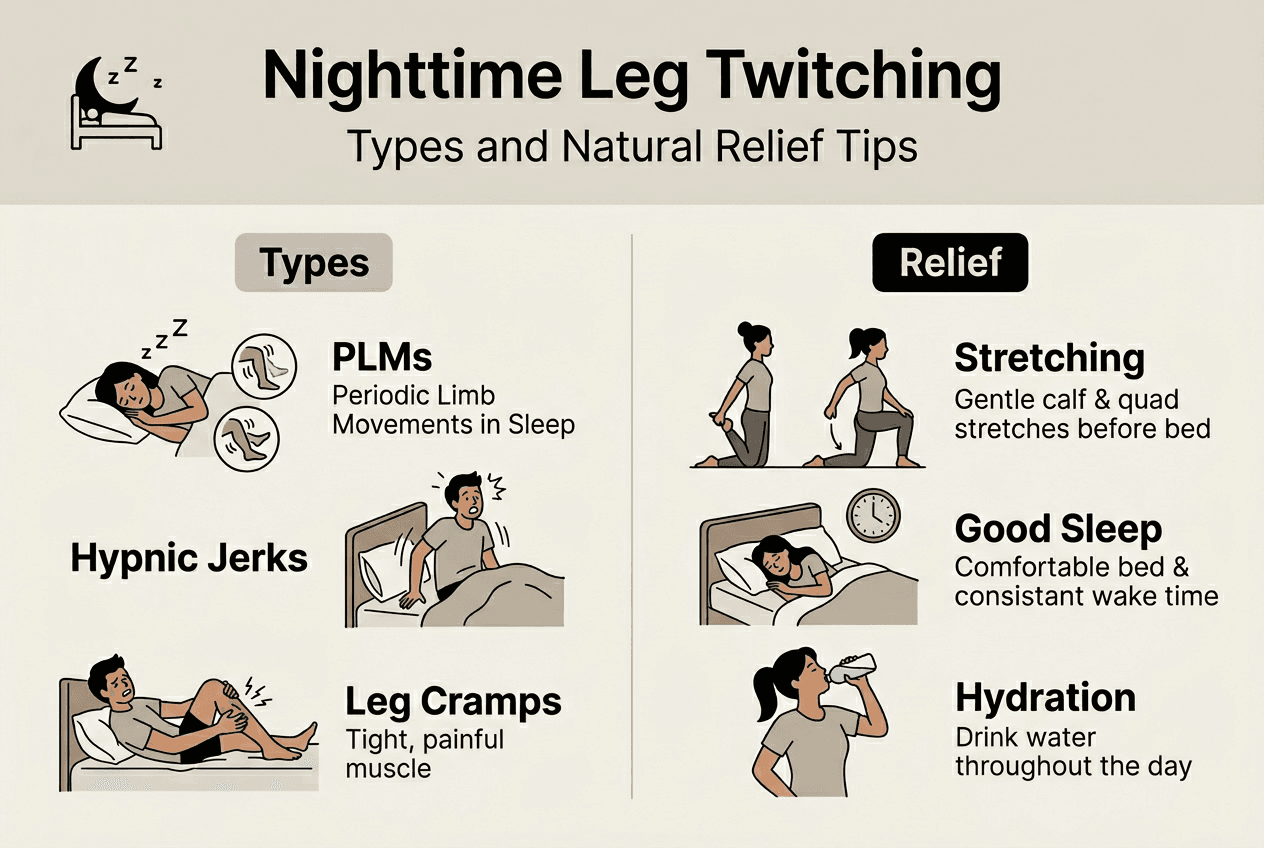
Leg twitching during sleep falls into three main categories, each with unique triggers and patterns. Periodic limb movements (PLMs) involve repetitive involuntary limb movements during sleep causing disruption, typically occurring every 20 to 40 seconds in clusters throughout the night. These movements range from subtle toe flexing to dramatic leg kicks that can wake you or your partner. PLMs happen most often during non-REM sleep stages, particularly the lighter phases before deep sleep sets in.
Hypnic jerks are sudden, involuntary muscle contractions during the transition to sleep, affecting up to 70% of people occasionally. You experience them as you drift off, that split-second sensation of falling followed by a full-body jerk that snaps you back to alertness. Unlike PLMs, hypnic jerks occur only during sleep onset and rarely repeat throughout the night. Most people have them sporadically without any underlying health issue.
Nocturnal leg cramps present differently as intense, painful muscle contractions that lock your calf or foot in a rigid spasm. These cramps strike suddenly during sleep, causing sharp pain that forces you awake. They last anywhere from a few seconds to several minutes, leaving residual soreness that can linger into the next day. The pain distinguishes cramps from other twitching types, which typically cause movement without significant discomfort.
Sleep stage timing matters:
- PLMs cluster during lighter non-REM stages
- Hypnic jerks happen exclusively at sleep onset
- Nocturnal cramps occur randomly, often in deeper sleep phases
- REM sleep usually sees fewer movement disturbances
All three types disrupt your sleep architecture, preventing you from cycling smoothly through restorative sleep stages. Even if you don’t fully wake, your brain registers the movement and shifts to a lighter sleep state. Over time, this fragmentation accumulates, leaving you tired despite spending adequate hours in bed. Understanding which type you experience helps target the right relief strategies, as each responds to different interventions. For comprehensive guidance on managing nighttime leg discomfort, explore natural ways to calm restless legs that complement medical approaches.
Differentiating between types of nighttime leg twitching
Accurate identification starts with tracking frequency, timing, and associated symptoms. Periodic limb movement disorder is diagnosed when movements exceed thresholds causing significant sleep impairment, specifically more than 15 movements per hour in adults or 5 per hour in children. These movements follow a predictable pattern, repeating in sequences that can last from minutes to hours. You might not remember them, but a bed partner often notices the rhythmic kicking.
Hypnic jerks stand apart through their timing and singular nature. They strike only as you transition from wakefulness to sleep, that vulnerable moment when your muscles relax and your brain begins shutting down conscious control. The sensation often includes a feeling of falling or floating, triggering a protective startle response. Most people experience one jerk per night at most, though stress and sleep deprivation increase frequency.
Nocturnal leg cramps cause painful, intense muscle contractions distinct from PLMs, primarily targeting the calf muscles but sometimes affecting feet or thighs. The pain forces immediate waking, and you instinctively stretch or massage the affected area for relief. Unlike PLMs, cramps don’t repeat in regular patterns and may occur only once per night or sporadically across weeks.
| Feature | Periodic Limb Movements | Hypnic Jerks | Nocturnal Leg Cramps |
|---|---|---|---|
| Timing | Throughout night | Sleep onset only | Random during sleep |
| Pain level | Minimal to none | None | Severe |
| Frequency | Repetitive clusters | Single occurrence | Sporadic |
| Sleep stage | Non-REM light sleep | Transition phase | Any stage |
| Awareness | Often unaware | Usually aware | Always aware |
Misdiagnosis happens frequently because people lump all nighttime leg activity together. You might describe PLMs as cramps to your doctor, leading to inappropriate treatment recommendations. Distinguishing matters because periodic limb movements may signal underlying neurological conditions or sleep disorders requiring specific therapies. Cramps respond well to stretching protocols, while PLMs might need medication or treatment of associated conditions like sleep apnea.
Pro Tip: Keep a sleep diary for two weeks noting when twitching occurs, whether it wakes you, if pain is present, and any patterns you notice. This information helps healthcare providers make accurate diagnoses and recommend targeted treatments.
People often confuse these movements with restless legs syndrome, but that condition involves uncomfortable sensations while awake, not involuntary movements during sleep. Understanding the distinction prevents unnecessary worry and guides you toward effective solutions. If you experience frequent leg discomfort at night, learning to calm restless legs for better sleep provides additional context for managing symptoms.
Effective natural remedies to reduce leg twitching and improve sleep
Stretching emerges as the most evidence-backed natural intervention for nighttime leg issues. Stretching exercises before bedtime are effective as first-line treatment for nocturnal leg cramps, particularly when targeting the calf and hamstring muscles. Hold each stretch for 30 seconds, repeat three times, and perform the routine within an hour of bed. This lengthens muscle fibers, reduces tension, and decreases the likelihood of involuntary contractions during sleep.
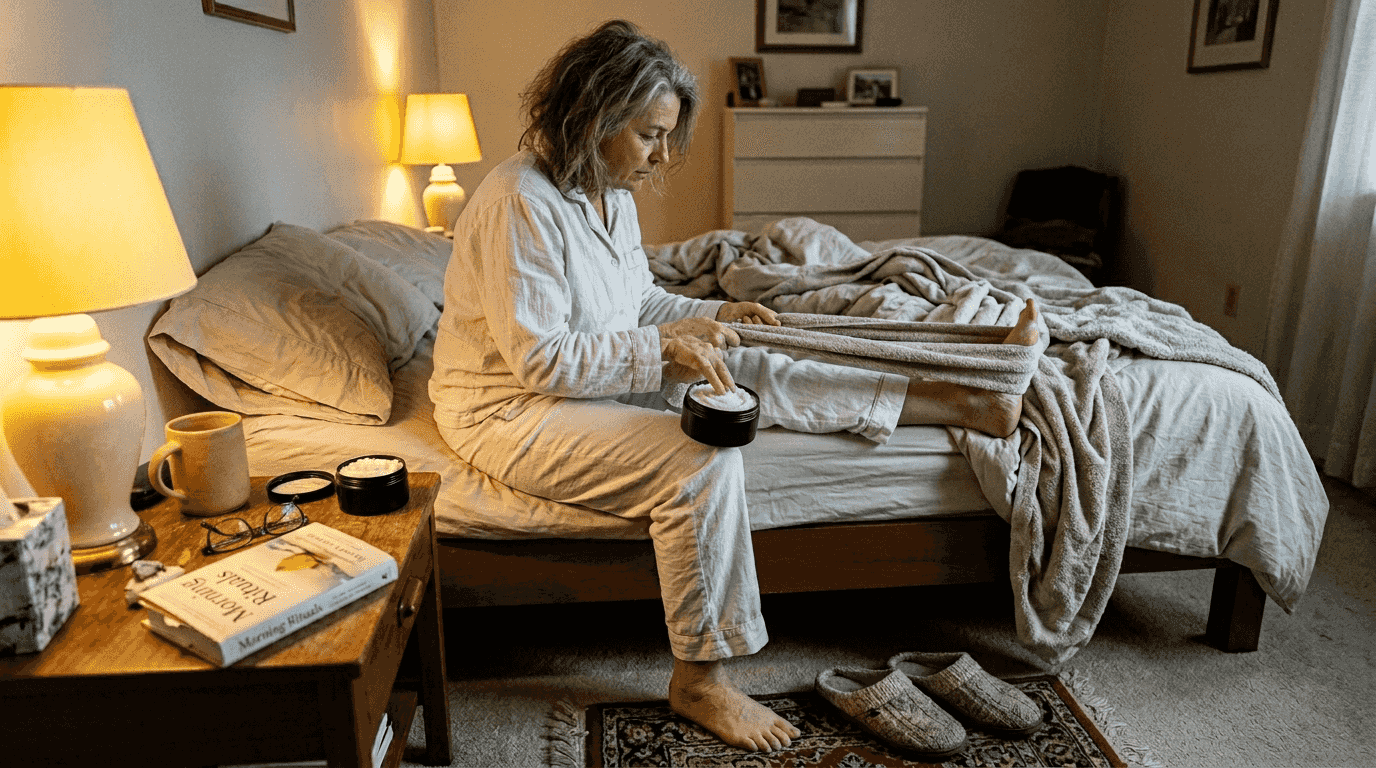
Contrary to popular belief, magnesium supplementation is not effective for nocturnal leg cramps according to controlled studies. Despite widespread recommendations, oral magnesium fails to reduce cramp frequency or severity in most people. The disconnect between folk wisdom and research findings surprises many, but the evidence consistently shows minimal benefit. However, topical magnesium products may support relaxation through skin absorption, offering a different pathway than oral supplements. For detailed information on how magnesium interacts with sleep mechanisms, review the magnesium sleep science guide.
Sleep hygiene improvements address hypnic jerks and periodic limb movements by reducing nervous system arousal. Establish a consistent sleep schedule, keep your bedroom cool and dark, and avoid screens for 90 minutes before bed. Stress management through deep breathing, progressive muscle relaxation, or gentle yoga lowers cortisol levels that can trigger involuntary movements. When your nervous system operates in a calmer state, the threshold for muscle activation increases.
Bedtime routine for reducing leg twitching:
- Perform calf and hamstring stretches 30 to 60 minutes before bed
- Take a warm bath or shower to relax muscles and signal sleep time
- Practice 10 minutes of deep breathing or meditation to calm your nervous system
- Ensure your bedroom temperature stays between 60 and 67 degrees Fahrenheit
- Avoid caffeine after 2 p.m. and alcohol within three hours of bedtime
- Keep a consistent sleep and wake time, even on weekends
Pro Tip: Never use quinine for leg cramps despite its historical use, as serious cardiac and hematologic side effects outweigh any potential benefits. Focus on safe, natural methods with proven effectiveness.
Hydration and regular exercise show mixed results in research, but many people report subjective improvement. Dehydration can increase muscle irritability, so maintaining adequate fluid intake throughout the day makes physiological sense. Moderate exercise earlier in the day promotes better sleep quality overall, though timing matters since vigorous activity close to bedtime can increase arousal. Experiment with these approaches to see if they reduce your symptoms, keeping in mind individual responses vary widely.
When to seek medical advice for leg twitching at night
Certain warning signs indicate your leg twitching needs professional evaluation rather than self-management. Seek medical advice if movements occur more than three times per week, cause significant daytime sleepiness, or prevent you from falling or staying asleep. Frequent disruptions suggest an underlying condition requiring diagnosis and treatment beyond basic lifestyle changes.
Pain accompanying twitching always warrants investigation, especially if it worsens over time or spreads to new areas. Patients with nocturnal leg cramps often have more medical comorbidities and medications than controls, meaning cramps can signal broader health issues needing attention. Conditions like peripheral artery disease, diabetes, or electrolyte imbalances manifest through nighttime leg symptoms before other signs appear.
Neurological symptoms demand immediate medical assessment. See a doctor if hypnic jerks are frequent, disruptive, or accompanied by unusual symptoms such as tingling, numbness, weakness, or coordination problems. These signs may indicate nerve compression, spinal issues, or neurological disorders requiring specific treatment. Early evaluation prevents progression and improves outcomes.
Situations requiring medical consultation:
- Twitching occurs nightly and disrupts your sleep quality
- Movements are accompanied by pain, tingling, or numbness
- You experience daytime fatigue despite adequate time in bed
- Symptoms worsen despite trying natural remedies for several weeks
- Twitching develops after starting a new medication
- You have underlying conditions like diabetes, kidney disease, or neurological disorders
Restless legs syndrome differs from the twitching types discussed here, involving uncomfortable sensations while awake that create an irresistible urge to move. If you experience creeping, crawling, or pulling sensations in your legs before sleep, mention this to your doctor as it requires different treatment approaches. Distinguishing between movement disorders ensures you receive appropriate care.
Some leg twitching is completely normal and harmless, occurring occasionally without pattern or consequence. However, persistent symptoms affecting your quality of life deserve investigation. Track your symptoms for two weeks before your appointment, noting frequency, timing, pain levels, and any factors that seem to trigger or relieve twitching. This information helps your healthcare provider make accurate diagnoses and recommend effective treatments. For additional strategies on managing nighttime leg discomfort naturally, explore natural restless legs remedies that complement medical care.
Explore natural sleep and wellness products to support healthy legs
Managing nighttime leg twitching works best with a holistic approach combining lifestyle changes, natural remedies, and supportive products. Moose’s Tallow offers handcrafted wellness products designed to complement your efforts toward better sleep and muscle comfort. Our featured beef tallow products use simple, intentional ingredients that nourish skin and support relaxation as part of your evening routine.

Our magnesium infused tallow body butter combines the deep moisturizing benefits of grass-fed beef tallow with topical magnesium to support muscle relaxation before bed. While oral magnesium supplements show limited effectiveness for leg cramps, topical application offers a different pathway for those seeking natural sleep support. The rich, comforting texture absorbs without greasiness, making it an ideal addition to your bedtime stretching and relaxation routine. For more guidance on natural approaches to leg comfort at night, explore our detailed article on natural ways to calm restless legs for comprehensive strategies you can implement tonight.
Frequently asked questions about nighttime leg twitching
What causes leg twitching during sleep?
Periodic limb movements, hypnic jerks, and nocturnal leg cramps are the three main causes of nighttime leg twitching. Factors like stress, sleep deprivation, caffeine intake, and certain medications increase frequency. Neurological conditions, electrolyte imbalances, and muscle fatigue also contribute to involuntary movements during sleep.
How can I tell if my leg twitching is normal or a disorder?
Normal twitching happens occasionally, doesn’t cause pain, and doesn’t affect your daytime functioning or sleep quality. Frequent movements occurring more than three times weekly, causing significant sleep disruption, or accompanied by pain may indicate a disorder. Track your symptoms for two weeks and consult a healthcare provider if twitching persists or worsens.
Are magnesium supplements effective for night leg cramps?
Studies show oral magnesium supplements do not significantly reduce leg cramp frequency or severity despite common recommendations. Research consistently demonstrates minimal benefit from supplementation for most people. Topical magnesium products may help with relaxation through skin absorption, offering a different approach than oral supplements. For comprehensive information on magnesium and sleep, review the magnesium sleep benefits guide.
What natural remedies reduce leg twitching at night?
Nightly stretching of calf and hamstring muscles is the most effective natural remedy, particularly for nocturnal leg cramps. Hold stretches for 30 seconds, repeat three times, and perform within an hour of bedtime. Maintaining good sleep hygiene, managing stress through relaxation techniques, and keeping a consistent sleep schedule also reduce twitching frequency across all types.



0 comments