


Nutrir la piel reseca del contorno de ojos significa dar hidratación específica y apoyo activo a la barrera cutánea en la piel más fina y delicada del rostro. Los pasos para nutrir el contorno de ojos reseco no son complicados, pero necesitan el orden correcto, los ingredientes correctos y constancia de verdad. La mayoría de la gente descuida uno de esos tres. El contorno de ojos tiene menos glándulas sebáceas que el resto del rostro, por eso es el primer lugar donde aparecen la tirantez, la descamación y las finas líneas de deshidratación. La buena noticia es que el cuidado enfocado en la barrera puede lograr una mejora visible en pocas semanas si sigues una rutina clara y honesta.
¿Cuáles son los pasos para nutrir el contorno de ojos reseco?
El primer paso es saber qué tipo de resequedad tienes. No toda la resequedad del contorno de ojos se ve ni se comporta igual. Tratar la deshidratación igual que el daño de la barrera da resultados lentos y a veces más irritación.
Los cuatro patrones más comunes son:
- Deshidratación y tirantez. La piel se siente tirante y se ve apagada. Aparecen líneas finas al sonreír. Tomar poca agua y el aire acondicionado son causas comunes. Este tipo responde más rápido a los humectantes y a los cambios de hábitos.
- Daño de la barrera con descamación. La piel se descama o se siente áspera al tacto. Esto indica una barrera dañada que necesita reparación oclusiva, no solo humedad. Reparar la barrera toma de 4 a 6 semanas de cuidado constante.
- Dermatitis de contacto o eccema. El enrojecimiento, la comezón o la hinchazón acompañan a la resequedad. Casi siempre la causa es un ingrediente de algún producto. Este tipo necesita reiniciar los productos antes que nada.
- Aspecto apagado por pérdida de agua transepidérmica. La piel se ve plana y cansada, pero sin descamación visible. El agua se escapa más rápido de lo que la piel puede retener. Los oclusivos son la solución principal aquí.
Si sospechas de dermatitis de contacto o una reacción a un producto, deja todos los productos de la zona de los ojos por una semana para reiniciar la piel. Luego reincorpora los productos de uno en uno, dejando cinco días entre cada uno. Este método aísla el ingrediente que causa el problema. Saltarte este paso significa que sigues aplicando el irritante y te preguntas por qué nada mejora.
¿Qué ingredientes realmente nutren e hidratan la zona de los ojos?
Los ingredientes correctos trabajan por capas. Cada capa cumple una función específica, y saltarte una rompe la cadena.
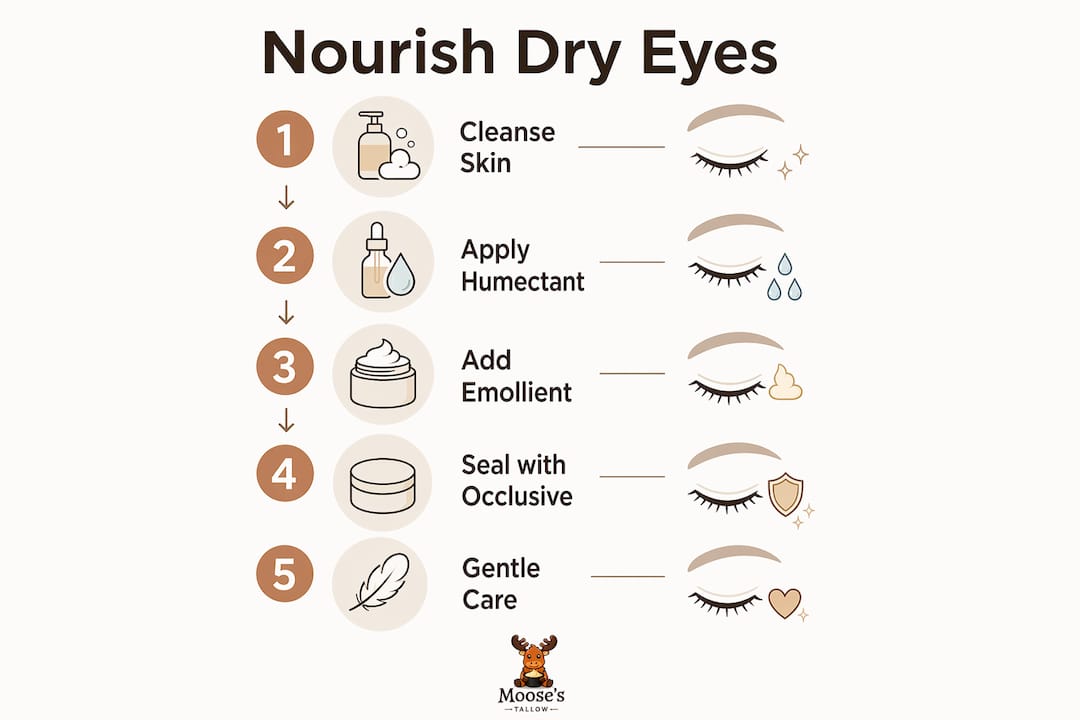
Los humectantes atraen agua hacia la piel. El ácido hialurónico es el ejemplo más conocido. Aplícalo primero, sobre la piel húmeda, para que lleve humedad al tejido en vez de tomarla de las capas más profundas. El glicerol funciona igual y aparece en muchas fórmulas sin fragancia.
Los emolientes alisan y suavizan la superficie de la piel. El aceite de jojoba y el de ricino entran en esta categoría. Rellenan los huecos de la superficie de la piel y hacen que la textura se sienta menos áspera. El aceite de yema de huevo aporta vitaminas liposolubles que apoyan la función de las células de la piel.
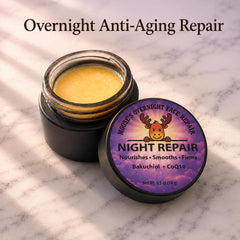
Los oclusivos sellan todo. Aquí es donde el sebo de res se gana su lugar. El perfil de ácidos grasos del sebo es parecido al sebo natural de la piel, así que se absorbe sin residuos y forma una barrera que deja respirar la piel. La cera de abeja aporta estructura y prolonga esa capa protectora. El aceite de coco fraccionado es el vehículo preferido porque resiste la oxidación, se absorbe con facilidad y se mantiene estable con el tiempo. La vitamina E (tocoferoles) completa la fórmula al proteger contra el daño de los radicales libres.
| Tipo de ingrediente | Ingredientes de ejemplo | Función principal |
|---|---|---|
| Humectante | Ácido hialurónico, glicerol | Atraer y retener agua en la piel |
| Emoliente | Jojoba, ricino, aceite de yema de huevo | Alisar la superficie, rellenar huecos de la piel |
| Oclusivo | Sebo de res, cera de abeja | Sellar la humedad, proteger la barrera |
| Antioxidante | Vitamina E (tocoferoles) | Proteger la piel del estrés oxidativo |
Aceites como el de oliva, la manteca de karité, el de semilla de uva y el de almendra son comunes en los productos masivos. No son ingredientes que Moose's Tallow use, y por una buena razón. Muchos de estos aceites tienen perfiles de ácidos grasos inestables que se oxidan rápido y pueden irritar la piel sensible. El sebo, en cambio, es estable, está bien procesado y coincide con lo que la piel ya reconoce.
Consejo: Aplica el humectante sobre la piel que aún está algo húmeda de la limpieza y luego sigue de inmediato con el oclusivo. Tienes unos 60 segundos. Después de eso, la humedad de la superficie se evapora y el humectante tiene menos con qué trabajar.
¿Cómo debes aplicar los tratamientos nutritivos en el contorno de ojos reseco?
La técnica importa tanto como los ingredientes. Aplicar los productos de forma correcta mejora la absorción y protege el tejido delicado del daño mecánico.
- Limpia con suavidad. Usa un limpiador sin fragancia que no reseque. Evita el agua caliente en la zona de los ojos. El agua caliente elimina los aceites naturales de la piel y empeora la resequedad.
- Deja la piel húmeda, no seca. Deja una capa ligera de agua en la piel del contorno de ojos antes de aplicar cualquier producto. La piel húmeda absorbe los humectantes y emolientes mejor que la piel seca.
- Aplica primero el humectante. Usa una pequeña cantidad de suero de ácido hialurónico o un producto a base de glicerol. Dale golpecitos suaves con el dedo anular. El dedo anular hace menos presión que cualquier otro dedo, lo que protege el frágil tejido del contorno de ojos.
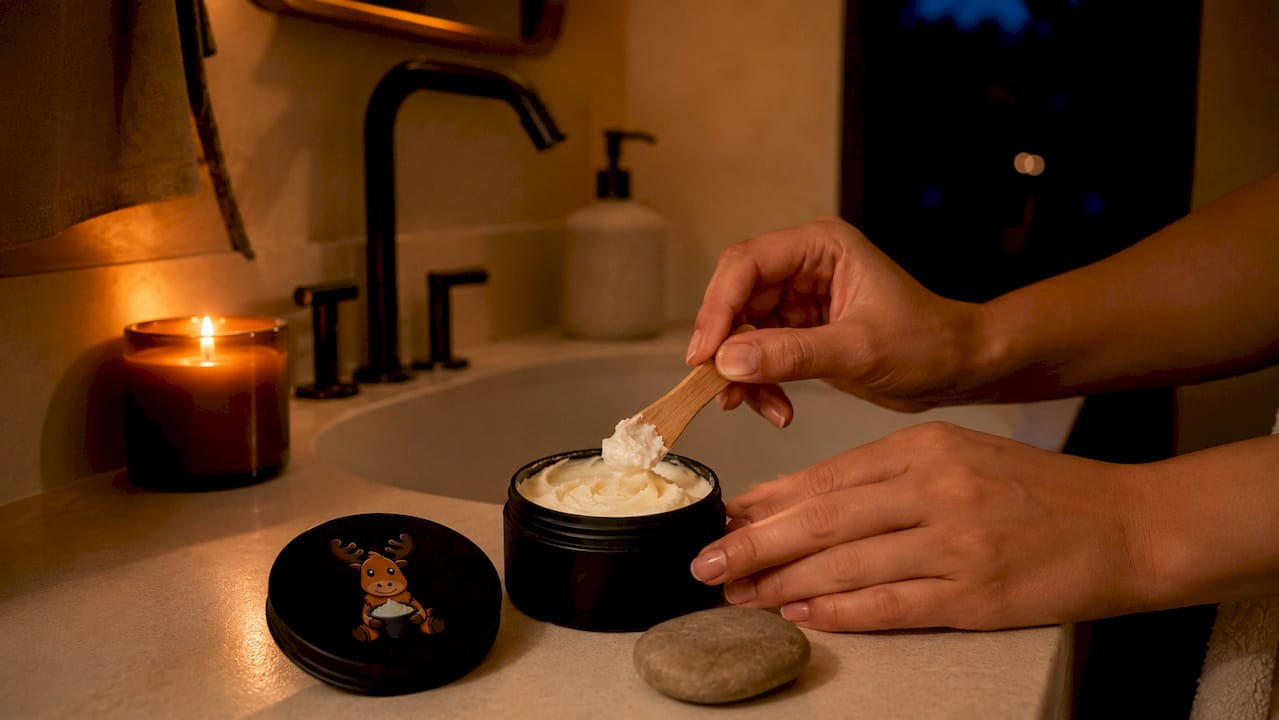
- Sella con un oclusivo. Toma una cantidad del tamaño de un grano de arroz de crema a base de sebo o de un bálsamo con cera de abeja. Caliéntalo entre las yemas de los dedos y luego dale golpecitos ligeros sobre la capa de humectante. No frotes ni jales la piel.
- Repite en la mañana y en la noche. La constancia es la variable más importante. Una sola aplicación no construye una barrera. Dos aplicaciones al día, todos los días, sí.
Consejo: Durante la noche es cuando tu piel hace la mayor parte de su reparación. Un tratamiento rico en oclusivos aplicado antes de dormir, como un tratamiento nocturno para los ojos a base de sebo, le da a la barrera horas para reconstruirse sin exponerse al viento, los rayos UV ni el aire acondicionado.
Algunos hábitos apoyan la rutina de forma directa. Evita frotarte los ojos, sobre todo cuando estás cansado. Frotar estira la piel y descompone el colágeno con el tiempo. Usa un humidificador en tu recámara si vives en un clima seco o usas calefacción central. Reduce el alcohol, que acelera la pérdida de agua del tejido de la piel. No son cambios drásticos, pero quitan obstáculos que sabotean hasta la mejor rutina tópica.
¿Cómo influye la salud interna en la hidratación de la piel del contorno de ojos?
El cuidado tópico atiende la superficie. La salud interna determina con qué cuenta esa superficie.
- Agua con electrolitos. El agua sola hidrata las células, pero los electrolitos ayudan al cuerpo a retener esa agua a nivel celular. El sodio, el potasio y el magnesio cumplen un papel. Tomar agua sin electrolitos puede eliminar minerales antes de que las células absorban lo suficiente.
- Péptidos de colágeno y ácidos grasos esenciales. Los péptidos de colágeno en 10 g al día y el aceite de pescado o de linaza en 2 g al día apoyan la reparación de la barrera de la piel. Los resultados de esta combinación se notan después de 6 a 12 semanas de uso constante.
- Calidad del sueño. Las etapas 3 y 4 del sueño profundo son cuando la síntesis de colágeno llega a su punto máximo y la recuperación de la piel se acelera. El glicinato de magnesio ayuda a alcanzar esas etapas más profundas del sueño. El mal sueño se nota en el rostro más rápido que casi cualquier otro factor de hábitos.
- Chequeos de salud general. El hierro bajo y los desequilibrios de la tiroides afectan la textura de la piel y la retención de humedad. Si la piel de tu contorno de ojos sigue reseca a pesar de una buena rutina tópica y buenos hábitos de hidratación, vale la pena hablar con tu médico sobre un análisis de sangre básico.
Los remedios caseros naturales que apoyan un cuidado suave y no irritante pueden complementar tu rutina. Un enfoque de bienestar natural muchas veces combina bien con el apoyo tópico a la barrera para lograr resultados duraderos.
La deshidratación simple responde más rápido. La resequedad por deshidratación suele mejorar en 2 a 3 semanas de cuidado constante enfocado en la barrera. El daño de la barrera con descamación tarda más, por lo general de 4 a 6 semanas. Tener expectativas realistas evita que abandones una rutina que sí está funcionando.
Puntos Clave
El alivio duradero de la piel reseca del contorno de ojos requiere aplicar los ingredientes correctos en el orden correcto, con el apoyo de un sueño constante, buena hidratación y una técnica de aplicación suave.
| Punto | Detalles |
|---|---|
| Identifica tu tipo de resequedad | La deshidratación, el daño de la barrera y la dermatitis de contacto necesitan cada uno un enfoque distinto. |
| Aplica los ingredientes por capas correctamente | Aplica primero los humectantes sobre la piel húmeda y luego sella con un oclusivo como el sebo o la cera de abeja. |
| Usa una técnica de aplicación suave | Da golpecitos solo con el dedo anular; nunca frotes ni jales la piel del contorno de ojos. |
| Apoya la piel desde adentro | Los péptidos de colágeno, los ácidos grasos esenciales y un buen sueño aceleran la reparación de la barrera. |
| Ten un plazo realista | La deshidratación mejora en 2 a 3 semanas; reparar la barrera toma de 4 a 6 semanas de cuidado diario. |
Lo que he aprendido en años de trabajar con piel seca
Empecé Moose's Tallow porque leí la etiqueta de mi loción y conté 52 ingredientes. El primero era agua. Eso me dijo todo lo que necesitaba saber sobre por qué mi piel nunca se sentía de verdad nutrida.
El contorno de ojos fue lo que más me enseñó sobre la paciencia. La gente quiere resultados rápidos, y lo entiendo. Pero la piel debajo de los ojos es fina, casi no tiene glándulas sebáceas y tarda de verdad en reconstruirse. A las dos semanas, la mayoría siente una mejora. A las seis semanas, la ve. Los que renuncian en la tercera semana se pierden la recompensa.
También aprendí que se subestima la técnica. La mayoría se aplica la crema para ojos frotándola. Ese solo hábito arruina mucho producto bueno. El dedo anular, golpecitos suaves, la piel húmeda. Esas tres cosas cambian por completo la absorción. He visto gente cambiar a una fórmula más simple a base de sebo y lograr mejores resultados que con cremas caras llenas de agua, solo porque cambiaron la forma de aplicarla.
La parte interna también me sorprendió. El sueño y los electrolitos no son un consejo glamoroso. Pero he visto gente resolver una resequedad terca del contorno de ojos con glicinato de magnesio en la noche y una pizca de sal en el agua. La piel responde a lo que recibe el cuerpo. No puedes hidratar por fuera un cuerpo deshidratado ni uno que nunca llega al sueño profundo.
Mantén corta la lista de ingredientes. Mantén suave la aplicación. Dale seis semanas. Esa es la respuesta honesta.
Brian Smith
Moose's Tallow para la piel seca y delicada del contorno de ojos
Moose's Tallow crea cada producto alrededor del sebo de res, el aceite de coco fraccionado, la cera de abeja y la vitamina E. Estos son justo los ingredientes que necesita la piel del contorno de ojos: un oclusivo que coincide con los aceites naturales de tu piel, un vehículo que se absorbe sin tapar los poros, un sellador estructural y protección antioxidante. Nada de agua como primer ingrediente. Nada de rellenos. Cada ingrediente está ahí por una razón.
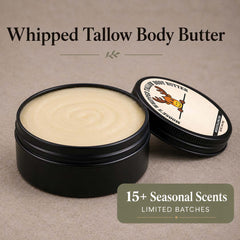
La manteca corporal batida de sebo funciona bien para la piel seca de todo el cuerpo, y el bálsamo labial de sebo muestra cómo se siente en la piel delicada una fórmula sin agua y centrada en la barrera. Todos los productos se envían dentro de Estados Unidos con una garantía de 60 días. Prueba uno y lee la etiqueta. Contarás los ingredientes en segundos.
Preguntas Frecuentes
¿Qué causa la resequedad en el contorno de ojos?
El contorno de ojos tiene menos glándulas sebáceas que el resto del rostro, por lo que pierde humedad con facilidad. Factores del ambiente como el aire acondicionado, tomar poca agua y los productos agresivos aceleran esa resequedad.
¿Cuánto tiempo toma ver resultados con los tratamientos nutritivos?
La resequedad por deshidratación suele mejorar en 2 a 3 semanas de cuidado constante. El daño de la barrera con descamación tarda de 4 a 6 semanas de tratamiento oclusivo dos veces al día para mostrar una mejora visible.
¿Cuál es el orden correcto para aplicar humectantes en el contorno de ojos?
Aplica primero un humectante como el ácido hialurónico sobre la piel húmeda y luego séllalo con un oclusivo, como una crema a base de sebo o un bálsamo con cera de abeja. Esta secuencia retiene la humedad en la piel en lugar de dejar que se evapore.
¿La alimentación y el sueño influyen en la resequedad del contorno de ojos?
Sí. Los péptidos de colágeno, los ácidos grasos esenciales y una hidratación rica en electrolitos ayudan a reparar la barrera de la piel desde adentro. La síntesis de colágeno alcanza su punto máximo durante el sueño profundo, así que la calidad del sueño influye de forma directa en la salud del contorno de ojos.
¿El sebo de res es seguro para la delicada zona de los ojos?
El sebo de res tiene un perfil de ácidos grasos parecido al sebo natural de la piel, así que se absorbe sin tapar los poros. El sebo bien procesado es lo bastante suave para la piel fina y sensible alrededor de los ojos.
Recomendado
- Eye Awake – Una alternativa natural al retinol para ojeras y líneas finas – Moose's Tallow
- ¿Qué es el cuidado nutritivo de la piel? Una guía para una piel más sana – Moose's Tallow
- Alivio para la piel seca: consejos comprobados y remedios naturales – Moose's Tallow
- Guía paso a paso para aplicar correctamente la crema para el contorno de ojos – Moose's Tallow


0 comentarios