What is nourishing skincare? A guide to healthier skin

What is nourishing skincare? A guide to healthier skin - Moose's Tallow


TL;DR:

  • Dry, tight skin often requires barrier reinforcement through nourishing skincare, not just hydration. True nourishing products restore lipids, support the skin’s natural defenses, and reduce water loss, especially for sensitive or damaged skin. Combining hydrating and nourishing steps in your routine optimizes skin health and barrier function over time.

If your skin still feels tight and rough after drinking plenty of water and using a lightweight lotion, water alone isn’t your answer. Most people hear “dry skin” and immediately reach for more hydration, but the real issue often runs deeper. True nourishing skincare is about reinforcing your skin’s natural defenses, replacing essential lipids, and creating a protective barrier that keeps moisture locked in and irritants locked out. This guide will break down exactly what that means and help you find what actually works, especially if you’re dealing with sensitive, dry, or reactive skin.

Key Takeaways

Point Details
Nourishing means barrier support Nourishing skincare goes beyond adding water and helps rebuild and protect your skin’s natural barrier.
Hydration and nourishment work together Most people need both hydrating and barrier-sealing steps for optimal skin health.
Look past the label Read ingredient lists and look for evidence of barrier support, not just the word ‘nourishing’ on the packaging.
Sensitive and dry skin need extra care If your skin feels tight, flaky, or stays dry, prioritize nourishing creams and balms that focus on repair.

Defining nourishing skincare: Beyond hydration

Now that we’ve challenged the misconception, let’s dig deeper into what nourishing skincare actually means and how it differs from just hydrating your skin.

“Nourishing skincare” supports the skin barrier and helps replace and retain lipids and nutrients that keep your skin resilient and comfortable. It’s a broader category than simple hydration. Hydration focuses on delivering water to skin cells using ingredients called humectants. Nourishing skincare uses oils, rich creams, and balms that physically reinforce the barrier, helping it function the way it was designed to.

Understanding what makes skincare natural is a useful starting point, because many nourishing products draw on ingredients that mimic or complement your skin’s own lipid makeup.

Signs that your skin is calling out for nourishing care, not just hydration:

  • Tightness or a feeling of “pulling” after washing your face
  • Flaky or rough patches that don’t respond to lightweight moisturizers
  • Dry areas that return within hours of applying lotion
  • Irritation, redness, or sensitivity that shows up without an obvious cause
  • Skin that looks dull or feels uncomfortable in cold or heated environments

Here’s a clear breakdown of how these three terms differ:

Term What it does Main ingredients Best for
Hydrating Adds water to skin cells Hyaluronic acid, aloe, glycerin Dehydrated or combination skin
Moisturizing Seals water to prevent evaporation Occlusives like petrolatum, beeswax Preventing water loss
Nourishing Supports barrier, replenishes lipids Oils, tallow, emollients, fatty acids Dry, sensitive, damaged skin

The takeaway here is that these three things are related but not interchangeable. Your skin may need all three, especially if you’re managing dryness or sensitivity over the long term.

How nourishing skincare works: The science of barrier support

Understanding the definition sets the stage. Here’s what nourishing skincare actually does for your skin, especially for those managing sensitivity or dryness.

Your skin’s outermost layer, the stratum corneum, acts like a protective wall. It keeps moisture in and irritants, allergens, and bacteria out. When that wall gets damaged or depleted, you feel it immediately: tightness, flaking, and heightened sensitivity are all warning signs. Nourishing moisturization reduces trans-epidermal water loss (TEWL) and reinforces the lipid organization in that outer layer, which is exactly what a compromised barrier needs.

Hands feeling dry skin texture at home

Nourishing products work by using two key types of ingredients. Emollients soften and smooth the skin surface by filling in gaps between skin cells. Occlusives form a physical layer on top to slow water evaporation. Together, they create conditions for the barrier to repair itself and stay intact.

Clinical research backs this up clearly. One study on a nourishing facial serum showed meaningful, measurable results:

Outcome measured Change observed
Facial dryness reduction 74.6% to 93.7% decrease
Trans-epidermal water loss Significantly reduced
Skin hydration increase 72.5% improvement
Adverse effects reported None

“Participants experienced a reduction in facial dryness ranging from 74.6% to 93.7%, with a 72.5% increase in measured skin hydration, and no adverse effects were recorded.” This kind of outcome doesn’t come from water alone. It comes from barrier-focused care.

Pro Tip: If your skin feels persistently dry or tight despite drinking plenty of water and using a gel moisturizer, your barrier probably needs nourishing care, not more hydration. Switch to richer emollient-based products and give it at least two weeks.

For those caring for natural moisturizers for sensitive skin, the goal is always the same: support the barrier first, everything else follows.

Nourishing vs. hydrating: Why you might need both

Since the terms often get mixed up, let’s clarify how and why you might need both hydrating and nourishing steps in your skincare routine.

Infographic comparing nourishing and hydrating skincare benefits

Most people don’t have to choose. Hydrating increases water content in the skin while moisturizing locks it in to prevent evaporation. The standard, effective order is to hydrate first, then seal with a moisturizer or barrier-supporting oil. Think of it as filling a bucket with water and then putting a lid on it.

Here’s a simple layering process that works for most skin types:

  1. Cleanse gently. Use a mild, non-stripping cleanser to prepare your skin without disrupting the barrier.
  2. Apply a hydrating layer. A water-based serum or mist with humectants like hyaluronic acid or aloe draws water to the skin surface.
  3. Follow with a nourishing product. A balm, cream, or oil-based product seals in that hydration and delivers lipids to the barrier.
  4. Finish with SPF in the morning. Protect the barrier you’ve just nourished from UV damage, which breaks it down over time.
  5. Repeat consistently. Barrier repair is cumulative. One good night doesn’t undo months of dryness.

Pro Tip: Don’t skip the nourishing step if you live in a dry climate, spend time in heated offices or homes, or travel by plane often. All of these environments pull moisture from your skin aggressively, and a lightweight lotion won’t cut it.

Parents often notice this pattern in their kids. A light splash of water or a simple rinse-off lotion doesn’t hold up for children’s skin through a full day. Richer, nourishing creams applied after bath time make a real, visible difference. The same principle applies to adults with sensitive or reactive skin.

Exploring the types of natural moisturizers available will help you identify which emollients and occlusives are best suited for your skin’s specific needs.

How to spot truly nourishing skincare products

With the basics clear, here’s how you can be a smart shopper and spot truly nourishing options amid the confusing shelves.

Here’s the honest truth: natural skincare is not strictly regulated, which means “nourishing” can appear on a label without the formula actually earning it. Marketing language like “deeply nourishing” or “intensely hydrating” tells you very little about what a product will actually do for your skin. What matters is the ingredient list.

Look for these things when reading a product label:

  • Emollients: Ingredients like jojoba oil, shea butter, beef tallow, or squalane that soften and fill in the skin’s surface gaps
  • Occlusives: Ingredients like beeswax, lanolin, or plant-based waxes that form a protective layer over the skin
  • Fatty acids: Especially oleic acid, linoleic acid, and stearic acid, which closely match the skin’s own lipid profile
  • Short ingredient lists: Fewer fillers mean a higher concentration of the ingredients that actually work
  • No unnecessary fragrance or harsh preservatives: These can disrupt the very barrier you’re trying to support

Look for brands that share evidence, test their products, and communicate honestly about what’s in their formulas and why. Marketing claims matter far less than what the formula actually contains and what real customers say about results.

You can also explore the nourishing skincare benefits of specific ingredients like beef tallow, which has a fatty acid profile remarkably compatible with human skin.

Pro Tip: Always patch test new nourishing products before applying them broadly, especially if you’re shopping for children or have known sensitivities. Apply a small amount to the inside of your wrist for 24 to 48 hours before committing to daily use.

Perspective: Why nourishing skincare is more than a buzzword

We see a lot of buzzwords in skincare. “Nourishing” has become one of them. But stripping away the marketing, there’s a real and important truth underneath it.

Most skin problems we encounter, whether it’s persistent dryness, red patches, or that uncomfortably tight feeling, trace back to a compromised barrier. It’s not a hydration problem first. It’s a structural problem. When the barrier is compromised, tightness and persistent dryness signal the need for barrier-restoring care, not just more water. We’ve seen this play out time and again, both in the research and in feedback from people who switched from lightweight, water-based products to genuinely barrier-supportive formulations.

Here’s something the beauty industry doesn’t say enough: being “natural” and being “effective” are not automatically the same thing. A product can be full of plant extracts and still do nothing for a damaged barrier. A product can sound clinical and technical and still be mostly filler. What matters is whether the formula actually supports barrier function. We look for that alignment in every product we make.

There’s also real value in tradition here. Tallow, for example, has been used for generations as a skin protectant. It fell out of fashion when synthetic alternatives became cheaper to produce. But the reason people keep coming back to it is simple: it works in a way that resonates with how skin is actually built. That’s not nostalgia. That’s functional compatibility.

If you’re deciding which products belong in your routine, use a simple benchmark. Refer to our tallow product checklist to evaluate any product against real criteria, not just label claims. Parents, sensitive skin users, and holistic wellness fans deserve products that deliver on their promises.

Find nourishing skincare that really works

If you want a shortcut to tried-and-true, nourishing options, see our recommended products below.

At Moose’s Tallow, every product starts with thoughtfully rendered beef tallow and a clear purpose: support your skin’s barrier, naturally. Our balms and barrier salves are handcrafted in small batches for sensitive, dry, and reactive skin, and many are safe for children too. Whether you’re soothing rough hands after a long day or building a gentle daily ritual, we’ve kept the ingredient lists short and the formulas honest. Start with our beef tallow zinc sun balm for protective, nourishing coverage, or explore our full nourishing skincare collection to find the right fit for your skin and your family.

Frequently asked questions

What’s the difference between nourishing and hydrating skincare?

Hydrating adds water to the skin using humectants, while nourishing skincare supports the barrier with emollients and lipids that replace and retain what the skin loses over time.

How do I know if my skin needs nourishing products?

If your skin feels tight, looks flaky, or stays dry despite drinking water, it’s likely a barrier issue. Compromised barriers need moisturizers that restore barrier function, not just hydration.

Are natural nourishing products safe for children and sensitive skin?

Many are suitable and gentle, but always patch test first. Natural skincare isn’t strictly regulated, so you should evaluate the ingredient function rather than relying on label claims alone.

Can I use both a hydrating and a nourishing product in my routine?

Yes, and most people genuinely benefit from both. Hydration increases water content while a nourishing product seals it in, making them a natural and effective pairing in any routine.

Featured Beef Tallow Items

View all
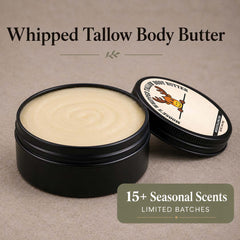
Whipped Tallow Body Butter

Whipped Tallow Body Butter

Whipped Tallow Body Butter

Locks in moisture for dry skin
$12.00
Sleep Tight Magnesium Body Butter

Sleep Tight Magnesium Body Butter

Sleep Tight Magnesium Body Butter

For restless legs & bedtime calm
$13.00
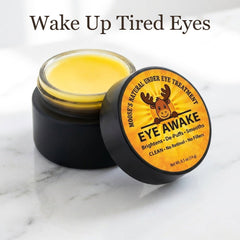
Eye Awake – A Natural Retinol Alternative

Eye Awake – A Natural Retinol Alternative

Eye Awake – A Natural Retinol Alternative

For dark circles, fine lines & tired eyes
Sale price  $30.00 Regular price  $32.00
All Natural Baby Butter with Calendula and Chamomille

All Natural Baby Butter with Calendula and Chamomille

All Natural Baby Butter with Calendula and Chamomille

Gentle moisture for baby’s delicate skin
$12.00