
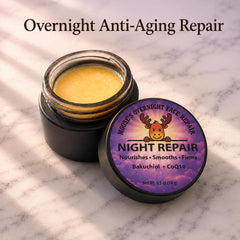




Short-term puffiness from a salty dinner or a bad night’s sleep usually responds to cold compresses, elevation, and less salt within a day or two. Bags caused by shifted fat pads or loose skin are structural, and no cream reverses that. Structural bags typically need a clinician’s help through fillers, lasers, or blepharoplasty. A gentle topical like Eye Awake can still play a role, smoothing and hydrating skin as part of a simple, honest routine.
TL;DR:
- Fluid-filled eye bags tend to respond quickly to cold compresses, elevation, and reducing salt intake, while structural bags require medical intervention.
- Aging, genetics, allergies, smoking, and dehydration are common causes of permanent fat shifts and loose skin in the lower eyelid.
- Home remedies work best for fluid puffiness, but persistent or structural bags need professional evaluation for fillers, laser treatments, or surgery.
- Topical products like Eye Awake are designed to hydrate and smooth skin, but cannot reshape fat pads or tighten loose skin.
- Identifying whether bags change with sleep and salt or remain constant helps determine if treatment can be home-based or requires a clinical approach.
What Causes Under-Eye Bags?
Under-eye bags are rarely one thing. Sometimes the tissue that holds fat in place weakens, and fat shifts down into the lower lid. Other times fluid pools under thin skin, and that swelling comes and goes. Mayo Clinic notes that aging, genetics, allergies, smoking, lost sleep, and fluid retention all play a part.
Pigmentation adds another layer. Dark shadowing can look like a bag even when there’s no swelling at all, which is why some people chase the wrong fix for years.
Common contributors include:
- Aging skin and weakened eyelid support structures
- Genetics (bags that run in the family, sometimes starting young)
- Allergies and sinus congestion
- Too much salt or too little sleep
- Smoking, which speeds up skin laxity
Here’s a quick self-check: if your bags shrink by morning after a good night’s sleep, you’re likely dealing with fluid. If they look the same every day regardless of sleep or salt, that’s a sign of structural change.
Fast, Safe Ways to Reduce Puffiness at Home
Most puffiness from fluid responds well to simple steps, and you can start tonight. Mayo Clinic’s guidance points to cold, elevation, and sleep habits as the first line of defense.
- Cold compress. Wrap ice in a soft cloth. Never place ice directly on skin. Apply for a few minutes at a time while sitting upright, not lying flat.
- Caffeinated tea bags. Chill two used tea bags, then rest them over closed eyes for several minutes. Caffeine tightens blood vessels near the surface, which can calm puffiness temporarily.
- Elevate your head. Sleep with an extra pillow. Gravity pulls fluid away from the face overnight.
- Cut salt before bed. Salty food holds water. Skip it late in the day if puffiness bothers you in the morning.
- Treat allergies directly. An antihistamine or a saline rinse can calm swelling tied to congestion, not just the eyes themselves.
- Stop rubbing. Rubbing irritates thin skin and makes puffiness worse. Take out contacts if they’re causing irritation.
- Quit smoking. It speeds up the skin changes that make bags look permanent.
Pro Tip: Keep a spoon in the freezer. The curved back fits the eye socket better than an ice cube and spreads the cold more evenly.
For more on daily habits that help, read our guide to natural under eye treatment.
Which Eye Creams and Ingredients Are Safe to Use?
Not every product marketed for eye bags belongs anywhere near your eyes. Caffeine works as a mild vasoconstrictor, which is why it shows up in so many eye creams. Hydrating emollients support the thin skin barrier around your eyes, and gentle retinol alternatives can smooth texture without the sting some people get from real retinol.
One warning worth repeating: some people apply hemorrhoid cream under their eyes for a quick tightening effect. These creams can contain phenylephrine or hydrocortisone, and they were never designed for eye-area skin. That’s a real irritation risk, not a shortcut worth taking.
We build Eye Awake differently. It’s water-free, using built on properly rendered and beef suet tallow instead of watered-down lotion bases. Fractionated coconut oil serves as the carrier oil because it resists oxidation, absorbs easily, and holds up on the shelf, unlike heavier plant oils. Beeswax and vitamin E (tocopherols) round out the barrier support.
A few practical rules for any eye product:
- Patch test on your inner arm first.
- Use a small amount. A little goes further under the eye than anywhere else on your face.
- Apply at night with a light patting motion, never a rub.
- Keep product away from the lash line to avoid migration into the eye.
For step-by-step technique, see our guide to applying eye cream correctly.
Do Non-Surgical Treatments Like Fillers and Lasers Work?
When home care and topicals stop helping, in-office treatments fill the gap between skincare and surgery. Dermal fillers can soften the shadow where the lower lid meets the cheek, sometimes called the tear trough. It’s a temporary fix, delivered by a clinician, and it addresses volume loss rather than fat bulging outward.
Laser resurfacing and chemical peels target skin quality and pigmentation instead of the underlying fat. Mayo Clinic notes these techniques carry real risk for darker skin tones, so the clinician’s experience with your specific skin type matters as much as the technology.
Other options clinicians may discuss:
- PRP (platelet-rich plasma): aims to improve skin quality using your own blood plasma.
- Fat-repositioning techniques: less invasive than full surgery, sometimes combined with fillers.
- Combination approaches: filler plus a resurfacing treatment for both volume and texture.
Matching the treatment to the actual cause avoids wasted money and unnecessary risk. A vascular shadow needs a different fix than a genuine fat bulge.
What Does Eyelid Surgery Involve?
Blepharoplasty is the surgical option, and it’s the one real fix for fat that has permanently shifted. Surgeons use one of two approaches depending on your anatomy.
- Transconjunctival: the incision sits inside the lower eyelid. This approach works well for patients with good skin elasticity and avoids any visible external scar.
- Transcutaneous: the incision runs just below the lash line, giving the surgeon more access to remove or tighten excess skin along with fat.
The goal in either approach is the same: reposition or remove displaced fat, tighten loose skin or muscle, and smooth the transition between lower lid and cheek. Most procedures are outpatient. Expect swelling and bruising for a short period after surgery, with final results settling in over time.
When Should You See a Doctor About Eye Bags?
Some symptoms mean it’s time to stop trying home remedies and call a professional.
- Watch for pain, redness, discharge, or sudden severe swelling. These aren’t typical puffiness signs.
- See a dermatologist for skin-quality concerns, an oculoplastic surgeon for structural fat or skin issues, or an ophthalmologist if vision or eye health is involved.
- Bring photos taken over several months, a list of products you’ve tried, and a simple timeline of when the swelling started.
A clear history speeds up the visit and helps the clinician tell fluid from fat at a glance.
Why We Built Eye Awake the Way We Did
Brian Smith started Moose’s Tallow after flipping over a lotion bottle and counting 52 ingredients, with water listed first. That moment changed how he thought about skincare for his own family, including the delicate skin around the eyes.
Eye Awake follows that same thinking. It’s built on grass-fed beef suet tallow, a fatty-acid profile close to your skin’s own oils, with fractionated coconut oil as the carrier for stability and easy absorption. Beeswax and vitamin E round out barrier support, with no water and minimal dilution.
- Water-free formula, so nothing is diluted down to filler
- Fractionated coconut oil chosen over heavier plant oils for shelf stability
- Every ingredient included on purpose, never as padding
It’s a cosmetic step, not a medical one, and it fits cleanly alongside the safety habits in this guide.
An Honest Take on Eye Bag Remedies
Most advice on this topic treats every eye bag the same, and that’s the real problem. People spend months on serums chasing a fat pad that was never going to shrink from a cream, then get frustrated when nothing works. The fix isn’t a better product. It’s an honest look at whether your bags change day to day.
If yours shift with sleep and salt, home care and a gentle topical routine genuinely help, and you don’t need to overspend chasing more. If they’ve looked the same for years regardless of how you sleep, no cream on the market changes that, and a consultation with a clinician is the more honest next step. Skincare should support what it can actually support. That’s the whole idea behind keeping formulas simple in the first place.
— Brian Smith
Where to Find Eye Awake
Eye Awake is our tallow-based eye cream, made for the tired, thin skin under your eyes. It leans on beef suet tallow and fractionated coconut oil instead of a long list of fillers, with vitamin E added for barrier support. That combination gives it the stability and gentle absorption this guide recommends, without water diluting things down.

It won’t reshape fat pads or tighten loose skin. It’s a cosmetic step for your nightly routine, meant to sit alongside the habits and cautions covered above. If your puffiness is the fluid-based kind that responds to sleep and cold compresses, this is where a simple, ingredient-transparent product fits in. You can check it out and order directly from the Eye Awake product page.
This article is general information, not a substitute for advice from a qualified doctor. Consult a qualified healthcare professional about your own circumstances before acting on anything here.
Sources
- Bags under eyes - Diagnosis and treatment - Mayo Clinic
- How to Get Rid of Bags Under Your Eyes - Johns Hopkins Medicine
- Transconjunctival lower lid blepharoplasty overview - NCBI Bookshelf
FAQ
What causes puffy under-eye bags?
Puffy bags usually come from weakened tissue letting fat shift downward, or from fluid pooling under thin skin. Aging, genetics, allergies, smoking, and lost sleep are the most common contributors.
How can I get rid of bags under my eyes quickly, naturally?
A cold compress wrapped in cloth, elevating your head while you sleep, and cutting salt before bed are the fastest natural steps. These work best on fluid-based puffiness, not structural fat.
What deficiency causes baggy eyes?
There’s no well-established nutrient deficiency that causes baggy eyes. The more common drivers are lost sleep, allergies, salt intake, and the natural aging of eyelid tissue.
Can eye bags be reversed?
Fluid-related puffiness can improve with sleep, hydration, and cold compresses. Structural bags from shifted fat generally need a clinician’s help through fillers or blepharoplasty for lasting change.


0 comentarios