

La barrera cutánea es la capa más externa de la epidermis y es la principal defensa de tu piel frente al mundo exterior. Retiene la humedad y bloquea el paso de irritantes, alérgenos y contaminación. La mayoría de la gente nunca piensa en ella hasta que algo sale mal. Cuando se debilita, lo notas rápido: tirantez, descamación, enrojecimiento y una sensación de escozor con productos que antes no te molestaban. Entender qué es la barrera cutánea y cómo funciona te da una base real para tomar mejores decisiones sobre lo que le pones a tu piel.
¿Qué es el daño en la barrera cutánea y cómo reconocerlo?
Una barrera cutánea dañada se manifiesta de formas que es fácil confundir con otros problemas. Las señales de daño en la barrera incluyen sequedad persistente, enrojecimiento, inflamación, falta de luminosidad, brotes frecuentes y escozor al aplicar productos. Estos síntomas aparecen porque la piel pierde la capacidad de regular la humedad y bloquear los irritantes al mismo tiempo.
Una de las señales de alerta más claras es una nueva sensibilidad a productos que has usado durante años. El escozor con productos que antes tolerabas indica una permeabilidad alterada de la piel. Las terminaciones nerviosas de tu piel reaccionan porque una barrera debilitada deja que los ingredientes penetren más de lo que deberían.
Las causas más comunes de daño en la barrera también son las más ignoradas. La sobreexfoliación, la acumulación de muchos activos y la limpieza agresiva alteran la capa de lípidos que mantiene unida la barrera. Los factores ambientales como la exposición a los rayos UV y la contaminación empeoran el daño. Un pH alterado de la piel añade otra capa de inestabilidad, y el resultado es una mayor pérdida de agua transepidérmica (TEWL), lo que significa que tu piel se seca más rápido de lo que puede recuperarse.
Consejo pro: Si tu piel reacciona de repente a un limpiador suave o al agua sola, es una señal fuerte de que tu barrera está dañada. Suspende todos los activos de inmediato y simplifica tu rutina.
- Sequedad o tirantez persistente que no mejora con una crema hidratante normal
- Enrojecimiento o manchas sin una causa clara
- Descamación o textura áspera, sobre todo en las mejillas y la frente
- Escozor o ardor al aplicar tónico, sérum o incluso agua
- Brotes en zonas donde normalmente no te salen
¿Cómo funciona la barrera cutánea a nivel biológico?
La barrera cutánea se construye sobre una estructura que los dermatólogos llaman el modelo de “ladrillos y cemento”. El estrato córneo actúa como la principal capa física de la barrera: los corneocitos son los ladrillos y una matriz lipídica funciona como el cemento entre ellos. Esa matriz lipídica está compuesta por ceramidas, colesterol y ácidos grasos que trabajan juntos. Si quitas o dañas cualquiera de esos componentes, toda la estructura se debilita.
El manto ácido se sitúa sobre esta estructura. La barrera cutánea incluye distintas zonas de pH y un microbioma complejo que son fundamentales para la homeostasis y las respuestas inmunitarias. Alterar cualquiera de los dos provoca inflamación y reduce la función protectora. Por eso los jabones agresivos y alcalinos pueden causar tanto daño aunque parezca que limpian bien la piel.
El microbioma no es solo un residente pasivo. Se comunica de forma activa con el sistema inmunitario y ayuda a regular cómo responde la piel a las amenazas. Cuando agredes la piel una y otra vez con productos fuertes, alteras este equilibrio microbiano. La piel se vuelve reactiva, se inflama y le cuesta más defenderse.
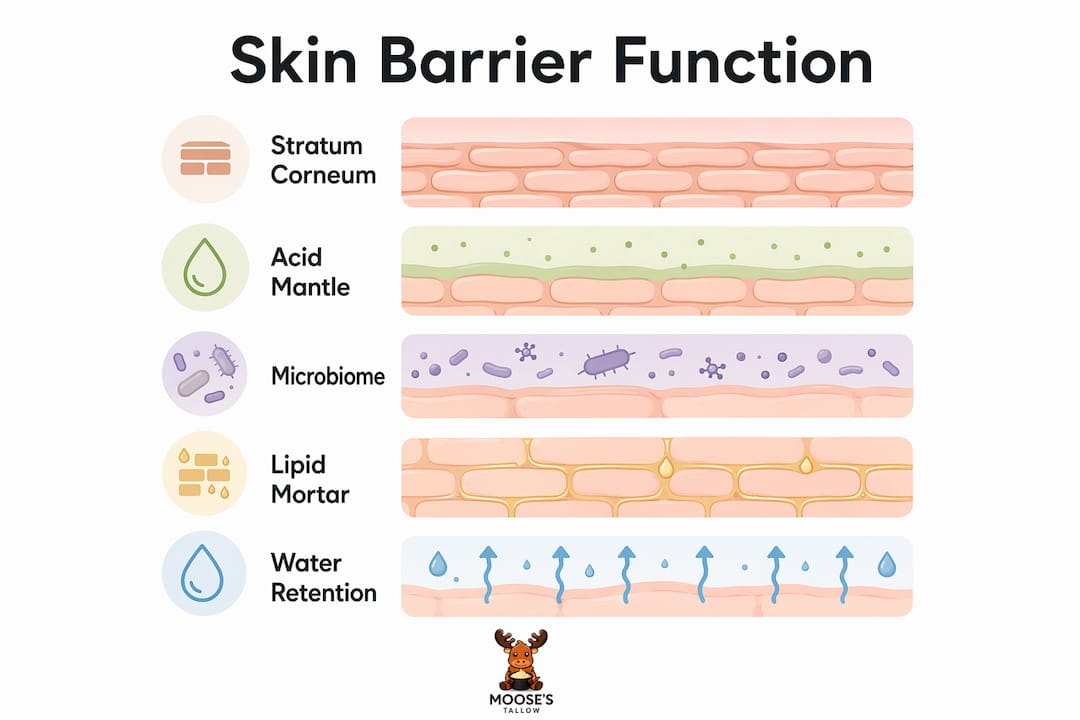
La pérdida de agua transepidérmica es la métrica clave de la salud de la barrera. Cuando el cemento lipídico está intacto, el agua se queda dentro de la piel. Cuando no lo está, el agua se evapora sin freno y deja la piel seca, tirante y vulnerable. La barrera no solo protege de lo que entra. También controla lo que se queda dentro.
| Componente de la barrera | Función |
|---|---|
| Estrato córneo | Capa física más externa; primera línea de defensa |
| Corneocitos | Células muertas de la piel que forman los “ladrillos” estructurales |
| Ceramidas | Lípidos que mantienen unidos los corneocitos y evitan la pérdida de agua |
| Colesterol | Estabiliza la matriz lipídica y aporta flexibilidad |
| Ácidos grasos | Completan la proporción de lípidos necesaria para la integridad de la barrera |
| Manto ácido | Mantiene un pH bajo para favorecer el microbioma y bloquear patógenos |
Consejo pro: La proporción de lípidos importa tanto como los ingredientes en sí. Las ceramidas por sí solas no bastan. Tu piel necesita ceramidas, colesterol y ácidos grasos juntos para reconstruir bien el cemento.
¿Cuáles son los métodos eficaces para reparar la barrera cutánea?
Reparar una barrera cutánea dañada requiere paciencia y una rutina simplificada. La recuperación suele tardar de 2 a 4 semanas de cuidado suave y constante. La mayoría espera resultados más rápidos y se rinde demasiado pronto, o sigue usando productos que prolongan el daño sin darse cuenta.
Seguir usando productos con fragancia o con conservantes agresivos puede prolongar la inestabilidad de la barrera aunque estés intentando recuperarte. Este es uno de los errores más comunes. Un producto etiquetado como “suave” todavía puede contener alcohol, fragancia sintética o conservantes que irritan una barrera dañada.
Una reparación eficaz depende de la sinergia lipídica entre ceramidas, colesterol y ácidos grasos. Los productos de un solo ingrediente son menos eficaces que las mezclas que imitan el equilibrio natural de lípidos de la piel. Por eso el sebo de res funciona tan bien como base. Su perfil de ácidos grasos es parecido a los aceites naturales de la piel, así que se absorbe bien y apoya la barrera sin alterarla.
Esta es una rutina de reparación práctica que puedes seguir:
- Cambia a un limpiador suave que no reseque. Usa agua tibia. El agua caliente elimina los lípidos de la superficie de la piel. Un limpiador que te deja la piel tirante es demasiado fuerte.
- Aplica una crema hidratante rica en lípidos justo después de limpiar. Busca productos que combinen ceramidas, colesterol y ácidos grasos. El sebo de res, el aceite de coco fraccionado, la jojoba, la cera de abejas, la vitamina E (tocoferoles), el aceite de ricino y el aceite infusionado con yema de huevo favorecen este equilibrio de lípidos.
- Suspende todos los exfoliantes, retinoides y productos a base de ácidos. Son útiles para una piel sana. Son dañinos para una barrera que ya está dañada. Reintrodúcelos poco a poco después de que tu piel se haya estabilizado.
- Evita los productos con fragancia y con alcohol. Ambos eliminan lípidos e irritan la piel sensibilizada. Revisa con cuidado las etiquetas de ingredientes, incluidas las fragancias “naturales”.
- Aplica protector solar de amplio espectro todos los días. La exposición a los rayos UV empeora el daño de la barrera y ralentiza la recuperación. Este paso no es negociable, ni siquiera en invierno.
- Usa los oclusivos con cuidado. El slugging, es decir, aplicar una capa oclusiva gruesa, puede ayudar a sellar la humedad en zonas secas o agrietadas. No es adecuado para pieles inflamadas o con tendencia acneica, donde puede atrapar bacterias y empeorar los brotes.
Consejo pro: La reparación es un proceso de varios pasos: atacar la alteración, sellar la humedad y volver a unir las células de la piel. Hidratar solo la superficie no basta. Tienes que abordar las tres capas del problema.
Cómo fortalecer tu barrera cutánea con ingredientes y hábitos
La salud de la barrera a largo plazo viene de decisiones simples y constantes. El enfoque de la lista de cuidados para piel sensible funciona porque elimina las variables que causan daño y mantiene el foco en lo que de verdad apoya la piel.
La calidad de los ingredientes importa más que la cantidad. Mucha gente con piel seca o reactiva ha probado producto tras producto, cada uno con una lista larga de ingredientes, y ha visto poca mejora. El problema suele ser la dilución y el relleno. Los productos a base de agua están diluidos por definición. Una fórmula sin agua aporta los ingredientes activos a plena concentración, sin relleno que ocupe espacio.
La elección del aceite portador también marca una diferencia real. El aceite de coco fraccionado es el portador preferido por su estabilidad, su resistencia a la oxidación, su fácil absorción y su vida útil. No se pone rancio rápido y no deja un residuo pesado. Los aceites vegetales comunes como el de oliva, aguacate y semilla de uva se oxidan más rápido y pueden alterar el equilibrio de lípidos de la piel con el tiempo.
Los hábitos de vida refuerzan lo que empieza tu rutina de cuidado. Estos son los que más importan:
- Limpia con agua tibia y un limpiador suave y sin fragancia. La limpieza suave conserva el manto ácido y el pH bajo del que depende una barrera sana.
- Protege tu piel del sol todos los días. La radiación UV degrada la matriz lipídica y acelera el TEWL.
- Evita la exposición prolongada al clima extremo, sobre todo al aire frío y seco y al viento, que roban humedad de la superficie de la piel.
- Lee las etiquetas de ingredientes. Saber qué ingredientes evitar en el cuidado de la piel es tan importante como saber cuáles buscar.
- Mantén tu rutina al mínimo durante la recuperación y cuando tu piel esté reactiva. Añadir más productos rara vez ayuda y muchas veces empeora las cosas.
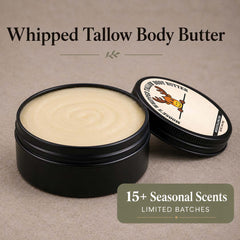
Los productos de Moose’s Tallow se basan en este principio. El sebo de res es siempre el ingrediente central. Cada uno de los demás ingredientes, incluidos el aceite de coco fraccionado, la cera de abejas, la vitamina E, la jojoba, el aceite de ricino y el aceite infusionado con yema de huevo, se elige para apoyar la barrera sin añadir complejidad innecesaria. Nada se incluye como relleno. Para quienes quieren entender los beneficios del cuidado tradicional de la piel, este enfoque cobra sentido de inmediato.
Puntos clave
La barrera cutánea es una estructura de varias capas rica en lípidos que necesita ceramidas, colesterol y ácidos grasos trabajando juntos para retener la humedad y bloquear los irritantes de forma eficaz.
| Punto | Detalles |
|---|---|
| Estructura de la barrera | El estrato córneo usa un modelo de ladrillos y cemento de corneocitos y lípidos para proteger la piel. |
| Señales de daño | El escozor, la sequedad, el enrojecimiento y una nueva sensibilidad a productos conocidos indican una barrera dañada. |
| Tiempo de reparación | Se necesita un cuidado suave y constante durante 2 a 4 semanas para una recuperación completa de la barrera. |
| Sinergia lipídica | Las ceramidas, el colesterol y los ácidos grasos deben trabajar juntos; los productos de un solo ingrediente se quedan cortos. |
| Simplicidad de ingredientes | Las fórmulas sin agua, mínimas y con ingredientes con propósito apoyan la barrera sin alterarla. |
Lo que he aprendido tras años de trabajar con sebo
La gente suele llegar al cuidado con sebo después de una larga lista de productos que no funcionaron. Lo entiendo. Cuando miré la etiqueta de mi propia loción y conté 52 ingredientes, siendo el agua el primero, me di cuenta de que había estado usando un producto que era casi todo relleno. Ese momento cambió por completo cómo pienso sobre el cuidado de la piel.
El error más común que veo es buscar tratamientos agresivos cuando la piel ya está sufriendo. La gente supone que si un poco de exfoliación es bueno, más debe ser mejor. No lo es. Una barrera dañada no necesita más estímulo. Necesita descanso, los lípidos adecuados y tiempo. He visto piel recuperarse increíblemente bien cuando la gente simplemente deja de hacer de más.
El sebo de res funciona porque su perfil de ácidos grasos es de verdad parecido a lo que tu piel ya produce. No es un ingrediente de moda. Es uno de los materiales de cuidado de la piel más antiguos de la historia, y la razón por la que sigue volviendo es simple: funciona. Combínalo con aceite de coco fraccionado para dar estabilidad, añade cera de abejas para proteger y vitamina E como apoyo antioxidante, y tienes una fórmula que de verdad refleja lo que necesita la barrera cutánea.
La paciencia es lo más difícil. El alivio inicial puede llegar en pocos días. La reparación completa tarda semanas. Eso no es un fracaso. Es biología. La piel necesita tiempo para reconstruir bien su matriz lipídica, y apurarla con activos o productos nuevos solo reinicia el reloj.
Brian Smith
Moose’s Tallow y el apoyo natural a la barrera cutánea
Los productos de Moose’s Tallow están hechos para quienes quieren ingredientes reales sin relleno. El Healing Tallow Lip Balm es una fórmula sin agua elaborada con sebo de res, cera de abejas y vitamina E. Apoya la barrera cutánea en una de las zonas más sensibles y expuestas del rostro. Para quienes tienen mascota, el Puppy Paw Nourishing Balm usa el mismo enfoque basado en sebo para proteger y nutrir las almohadillas de las patas que sufren desgaste diario. Todos los productos se envían desde Lebanon, PA, con una garantía de 30 días y listas de ingredientes honestas que de verdad puedes leer.
Preguntas frecuentes
¿De qué está hecha la barrera cutánea?
La barrera cutánea está formada por el estrato córneo, una capa de células muertas de la piel llamadas corneocitos, unidas por una matriz lipídica de ceramidas, colesterol y ácidos grasos.
¿Cómo sé si mi barrera cutánea está dañada?
La sequedad persistente, el enrojecimiento, la descamación y el escozor con productos que antes tolerabas son las señales más claras de una barrera cutánea dañada.
¿Cuánto tarda en repararse la barrera cutánea?
La reparación de la barrera suele tardar de 2 a 4 semanas de cuidado suave y constante. Esto significa evitar exfoliantes, retinoides y productos con fragancia, y usar cremas hidratantes ricas en lípidos y un limpiador suave.
¿Qué daña más la barrera cutánea?
La sobreexfoliación, los limpiadores agresivos, los productos con alcohol, la exposición a los rayos UV y la contaminación son las principales causas del daño en la barrera. Aplicar demasiados ingredientes activos a la vez también altera la matriz lipídica.
¿El sebo de res es bueno para la barrera cutánea?
El sebo de res tiene un perfil de ácidos grasos parecido a los aceites naturales de la piel. Se absorbe bien y favorece el equilibrio de lípidos que necesita la barrera, lo que lo convierte en una base ideal para el cuidado que la fortalece.


0 comentarios