

Choosing the right skincare ingredients can feel overwhelming, especially when you’re trying to navigate natural options like tallow. Many people struggle to tell the difference between high-quality, ethically sourced tallow and lower-grade products filled with synthetic additives. Without clear guidance, it’s easy to end up with something that doesn’t deliver the moisturizing, barrier-supporting results you’re hoping for. This guide walks you through exactly what to look for when evaluating tallow ingredients, from sourcing and processing to labeling and storage. You’ll learn practical criteria to help you make confident, informed choices that benefit your skin, especially if you deal with dryness or sensitivity.
Table of Contents
- Key takeaways
- Understanding tallow and why quality matters
- What to look for in quality tallow ingredients
- Step-by-step guide to evaluating tallow ingredients on product labels
- Common mistakes and how to avoid them when choosing tallow ingredients
- Explore quality tallow skincare products from Moose’s Tallow
- How to identify quality tallow ingredients: frequently asked questions
Key Takeaways
| Point | Details |
|---|---|
| Grass fed sourcing | Choose tallow from grass fed, pasture raised cattle to maximize nutrient density and skin benefits. |
| Minimal processing | Look for tallow that is rendered gently and free from synthetic preservatives or fillers to preserve nutrients. |
| Clear labeling and testing | Prefer products with complete ingredient lists and third party testing to verify quality and purity. |
| Storage freshness | Store tallow properly and use within its freshness window to maintain potency and skin benefits. |
| Hydration barrier | Quality tallow improves skin hydration and supports the barrier, especially for dry or sensitive skin. |
Understanding tallow and why quality matters
Tallow is rendered beef fat that has been used in skincare for generations. What makes it so valuable is its unique fatty acid profile, which closely mimics the natural oils in human skin. This biological compatibility means tallow absorbs easily without leaving a greasy film, delivering deep moisture exactly where your skin needs it. The fat contains vitamins A, D, E, and K, along with conjugated linoleic acid and palmitoleic acid, all of which support skin barrier function and repair.
Tallow offers superior skin hydration and barrier support compared to many plant oils, particularly for people dealing with chronic dryness or sensitivity. Because it’s so similar to sebum, the oil your skin naturally produces, tallow works with your body rather than against it. This makes it an excellent choice for conditions like eczema, psoriasis, or just everyday winter dryness.
“Tallow’s fatty acid composition mirrors human skin lipids more closely than most botanical oils, making it uniquely effective for restoring and maintaining the skin barrier. Its rich nutrient content supports cellular repair and long-term skin health.”
The quality of tallow directly impacts how well it performs. Poorly sourced or processed tallow may lack these beneficial compounds or contain contaminants that irritate skin. Here’s what sets quality tallow apart:
- Sourced from grass-fed, pasture-raised cattle for optimal nutrient density
- Minimally processed to preserve natural vitamins and fatty acids
- Free from synthetic preservatives, fragrances, and fillers
- Rendered at controlled temperatures to avoid oxidation
- Stored properly to maintain freshness and potency
When you understand what makes tallow effective, you can better evaluate whether a product will actually deliver the tallow skincare benefits you’re looking for. The difference between high-quality and low-quality tallow isn’t just marketing. It shows up in how your skin feels, how quickly you see results, and whether the product causes irritation or provides genuine relief.
What to look for in quality tallow ingredients
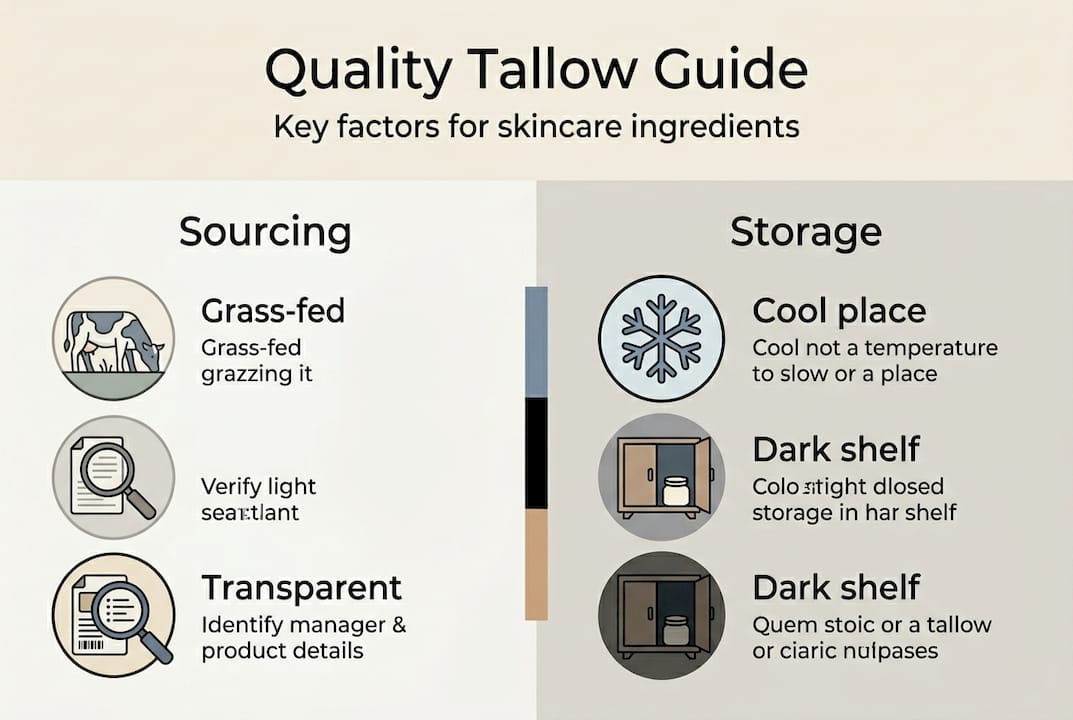
Identifying superior tallow ingredients requires attention to several key factors. Start with sourcing, the foundation of quality. High-quality tallow must come from grass-fed cattle and avoid synthetic additives. Grass-fed beef fat contains higher levels of omega-3 fatty acids, vitamin E, and beta-carotene compared to grain-fed alternatives. These nutrients translate directly into better skin nourishment and anti-inflammatory benefits. Look for products that specifically state “grass-fed” or “pasture-raised” on the label.
Processing methods matter just as much as sourcing. Tallow should be rendered using gentle heat to preserve its nutritional integrity. High-temperature processing or chemical extraction can destroy beneficial compounds and create oxidized fats that may irritate skin. Quality producers use traditional rendering techniques that take more time but yield a purer, more effective product. The tallow should be filtered to remove impurities without harsh chemical treatments.
Here’s what to avoid when evaluating tallow ingredients:
- Synthetic preservatives like parabens, phenoxyethanol, or BHT
- Artificial fragrances or dyes that serve no skincare purpose
- Fillers such as mineral oil or petrolatum that dilute the tallow
- Vague labeling like “beef fat” without specifying grass-fed sourcing
- Products with long ingredient lists full of unrecognizable chemicals
Pro Tip: Check if the brand provides transparency about their sourcing and rendering process. Reputable companies often share details about their suppliers, batch testing, and quality control measures. If this information isn’t readily available on their website or product packaging, reach out directly. A company confident in their quality will be happy to answer questions.
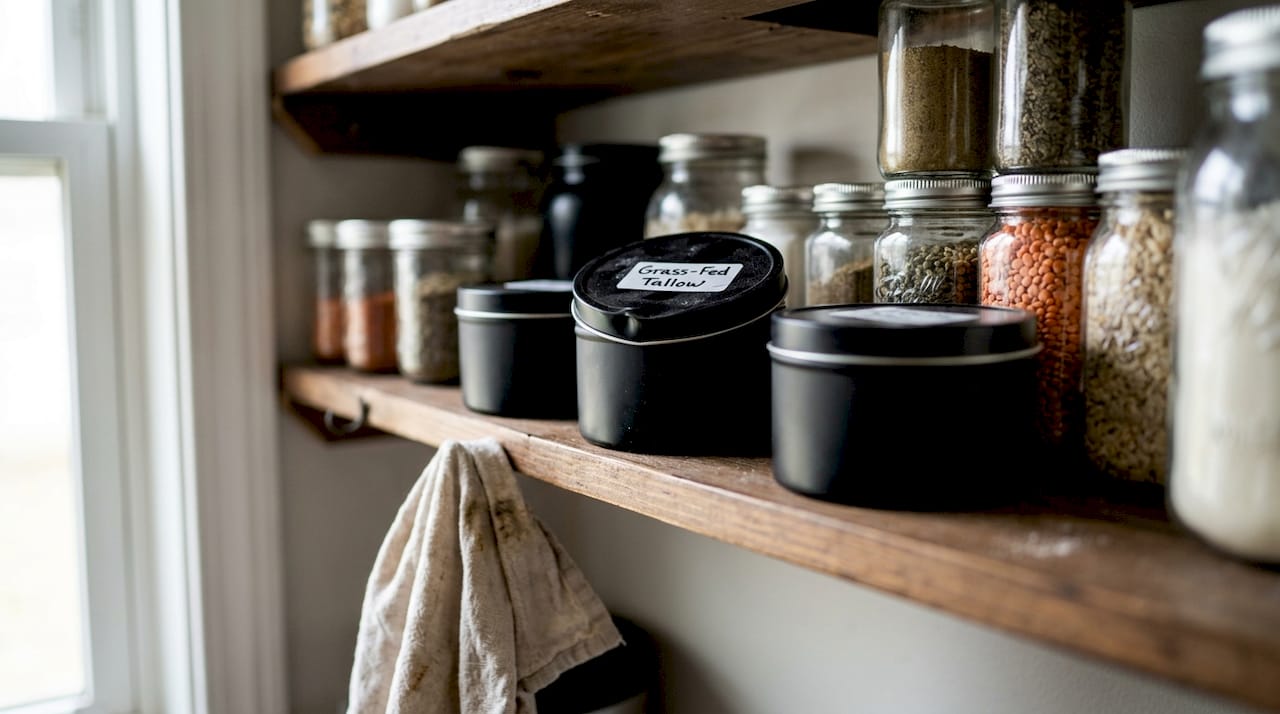
Storage practices influence tallow’s effectiveness over time. Because tallow contains unsaturated fats, it can oxidize when exposed to heat, light, or air. Quality products come in opaque or dark glass containers that protect against light degradation. They should be stored in cool, dry places, and many brands recommend refrigeration after opening. Check the storing tallow properly guidelines to understand how to maintain your product’s potency once you bring it home.
Trustworthy labeling includes clear ingredient lists in order of concentration, with tallow typically appearing first. Look for certifications or third-party testing results that verify purity and sourcing claims. Some brands provide batch numbers so you can trace your product back to its source. The label should also include a manufacture or expiration date, since fresh tallow performs better than old product that’s been sitting on a shelf for months.
Step-by-step guide to evaluating tallow ingredients on product labels
Reading product labels effectively requires a systematic approach. Follow these steps to assess whether a tallow skincare product meets quality standards.
- Check the ingredient list order. Ingredients appear by concentration, so tallow should be first or second. If it’s buried in the middle, the product may contain more fillers than actual tallow.
- Verify sourcing claims. Look for specific language like “grass-fed beef tallow” or “pasture-raised.” Generic terms like “beef fat” or just “tallow” may indicate lower-quality sourcing.
- Scan for synthetic additives. Identify and research any ingredients you don’t recognize. Avoid products with parabens, phthalates, synthetic fragrances, or petroleum derivatives.
- Look for certifications. Third-party verification from organizations testing for purity, organic status, or ethical sourcing adds credibility to quality claims.
- Note the container type. Quality tallow products typically come in glass jars or tubes that protect against light and air exposure better than plastic.
- Check freshness indicators. Look for manufacture dates, expiration dates, or batch numbers that help you determine how long the product has been sitting.
Understanding product labels is crucial to ensure tallow quality and authenticity. The way information is presented tells you a lot about a brand’s priorities. Companies committed to quality provide detailed, transparent labeling. Those cutting corners often use vague language or bury important details in fine print.
Here’s a comparison table to help you spot the difference between high-quality and low-quality tallow ingredients:
| Quality Indicator | High-Quality Tallow | Low-Quality Tallow |
|---|---|---|
| Sourcing | Grass-fed, pasture-raised, ethically sourced | Generic “beef fat,” no sourcing details |
| Ingredient List | Short, recognizable ingredients, tallow listed first | Long list with synthetic preservatives and fillers |
| Processing | Minimally processed, gently rendered | Heavily processed, may use chemical extraction |
| Additives | Natural oils, beeswax, essential oils (if any) | Parabens, artificial fragrances, mineral oil |
| Packaging | Dark glass, airtight containers | Clear plastic, poor seal quality |
| Transparency | Detailed sourcing info, batch numbers, testing results | Vague claims, no verification available |
| Price Point | Moderate to higher, reflects quality sourcing | Suspiciously cheap, likely corners cut |
Pro Tip: Cross-reference product labels with online reviews and third-party testing sites. Real customer experiences often reveal whether a product lives up to its labeling claims. Look for reviews from people with similar skin concerns to yours, and pay attention to comments about texture, absorption, and results over time.
When interpreting tallow labels, remember that ingredient order matters more than marketing buzzwords. A product can claim to be “natural” or “pure” while still containing mostly fillers. The ingredient list is your most reliable source of truth. Take the time to read it carefully, research unfamiliar ingredients, and compare products side by side before making a purchase decision.
Common mistakes and how to avoid them when choosing tallow ingredients
Many consumers make predictable errors when selecting tallow skincare products. Understanding these pitfalls helps you avoid wasting money on inferior products that won’t deliver results. The most common mistake is choosing based solely on price. While quality tallow costs more than mass-produced alternatives, extremely cheap products often cut corners on sourcing, processing, or ingredient quality. You end up with something that may look like tallow skincare but lacks the beneficial properties that make tallow effective.
Another frequent error is ignoring ingredient details beyond the first item listed. Some products feature tallow prominently on the label but bury synthetic additives or cheap fillers further down the ingredient list. These additions can counteract tallow’s benefits or cause irritation, especially for sensitive skin. Always read the complete ingredient list, not just the marketing claims on the front of the package.
Improper storage ruins even the best tallow products. Many consumers overlook ingredient transparency and proper storage, compromising product quality. Leaving tallow in a hot bathroom, exposing it to direct sunlight, or using dirty fingers to scoop product from a jar introduces contaminants and accelerates oxidation. These practices degrade the fatty acids and vitamins that make tallow beneficial, leaving you with rancid product that may irritate rather than nourish your skin.
“The quality of tallow skincare depends as much on how you store and use it as on how it’s made. Proper handling preserves the delicate balance of nutrients and prevents contamination. Treat your tallow products with care, and they’ll deliver consistent results throughout their shelf life.”
Here are practical tips to avoid these common mistakes:
- Research brands thoroughly before purchasing, looking for transparency about sourcing and processing
- Compare ingredient lists across multiple products to understand what’s standard versus what’s filler
- Invest in quality over quantity, buying smaller amounts of superior product rather than large quantities of cheap alternatives
- Store tallow in cool, dark places, and consider refrigeration for extended shelf life
- Use clean spatulas or spoons to remove product from jars, never dipping fingers directly
- Pay attention to texture and smell, as changes indicate oxidation or contamination
- Start with sample sizes when trying new brands to test quality before committing to full-size products
Another mistake is expecting instant results. Quality tallow works with your skin’s natural processes, which takes time. Give new products at least two to three weeks of consistent use before evaluating effectiveness. Some people give up too quickly, switching products before their skin has had a chance to respond. Patience combined with proper product selection yields the best outcomes.
Finally, many people fail to adjust their skincare routine seasonally. Tallow products that work beautifully in winter may feel too heavy in humid summer weather. Quality doesn’t change, but your skin’s needs do. Consider having different formulations for different seasons, or adjust how much product you use based on weather and your skin’s current condition. Check tallow storage tips to understand how seasonal factors affect product stability and performance.
Explore quality tallow skincare products from Moose’s Tallow
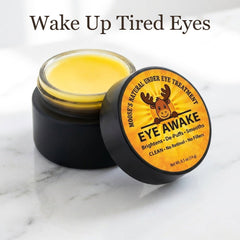
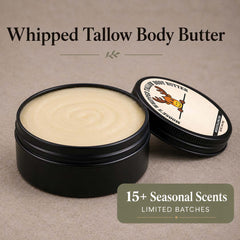
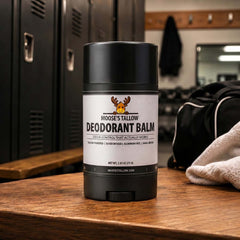
Now that you understand how to identify quality tallow ingredients, you might be wondering where to find products that meet these standards. Moose’s Tallow offers a carefully curated collection of tallow-based skincare made from ethically sourced, grass-fed beef tallow. Every batch is handcrafted in small quantities to ensure freshness and potency, with transparent ingredient lists that reflect a commitment to purity and effectiveness.
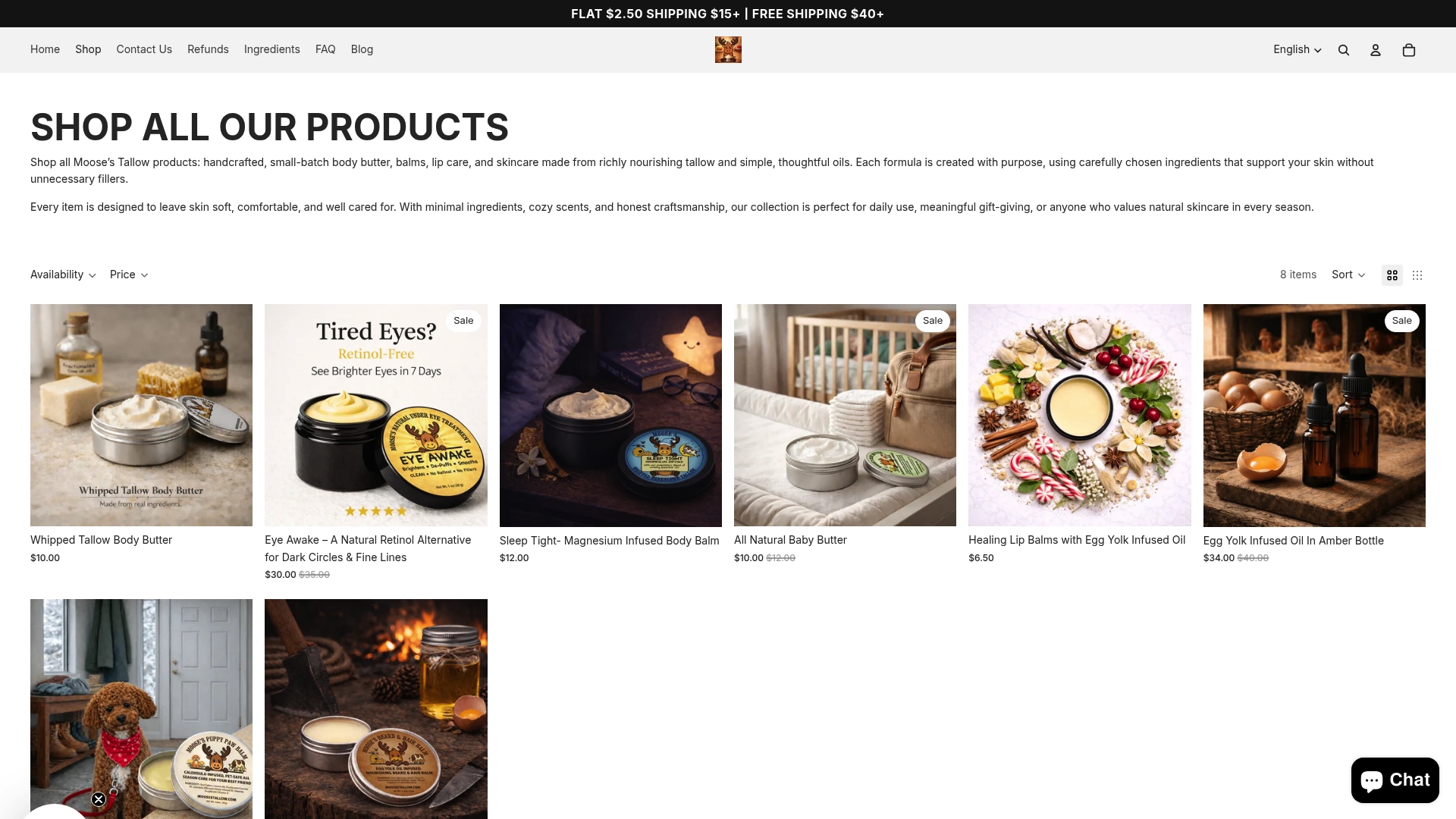
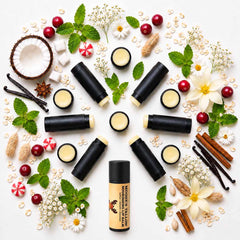
The healing tallow lip balm exemplifies the brand’s approach to quality. It combines grass-fed tallow with complementary natural ingredients like beeswax and carefully selected oils, creating a formula that deeply moisturizes without synthetic additives. The product line focuses on simplicity and intention, ensuring every ingredient serves a purpose for your skin’s health and comfort.
Whether you’re dealing with chronic dryness, sensitive skin, or simply want to incorporate more natural ingredients into your routine, the Moose’s Tallow product collection provides options backed by the quality criteria discussed throughout this guide. Each product is designed to nourish, protect, and bring warmth to your daily skincare ritual, with the comfort and effectiveness that comes from honest craftsmanship and superior ingredients.
How to identify quality tallow ingredients: frequently asked questions
What does grass-fed mean and why is it important for tallow quality?
Grass-fed means cattle were raised primarily on pasture, eating their natural diet of grass rather than grain-based feed. This diet produces tallow with higher levels of omega-3 fatty acids, conjugated linoleic acid, and fat-soluble vitamins like A and E. These nutrients make grass-fed tallow more anti-inflammatory and nourishing for skin compared to conventional tallow from grain-fed cattle.
How can I tell if tallow is suitable for sensitive skin from the label?
Check for short ingredient lists with recognizable, natural components and no synthetic fragrances, dyes, or preservatives. Tallow itself is generally well tolerated by sensitive skin due to its similarity to human sebum, but added ingredients can cause reactions. Look for products that specifically mention being formulated for sensitive skin and avoid anything with common irritants like artificial fragrances or parabens.
Are synthetic additives common in tallow skincare and why avoid them?
Synthetic additives appear in many commercial tallow products to extend shelf life, enhance texture, or add fragrance. Common examples include parabens, phenoxyethanol, artificial colors, and synthetic fragrances. These ingredients can irritate sensitive skin, disrupt the skin barrier, and counteract tallow’s natural benefits. Quality tallow products use minimal, natural preservation methods instead, relying on proper formulation and storage to maintain freshness.
What storage conditions keep tallow ingredients fresh and effective?
Tallow stays fresh longest when stored in cool, dark places away from direct sunlight and heat sources. Ideal storage temperature is below 75°F, with refrigeration recommended for extended shelf life, especially in warm climates. Keep containers tightly sealed when not in use to prevent oxidation from air exposure. Using clean utensils to remove product rather than fingers helps prevent bacterial contamination that can shorten shelf life.
Where can I find trustworthy tallow skincare products online?
Look for brands with transparent sourcing information, detailed ingredient lists, and customer reviews that verify quality claims. Check the tallow product checklist for specific criteria to evaluate potential purchases. Reputable companies provide batch information, third-party testing results, and clear communication about their production methods. Start with brands that specialize in tallow skincare rather than companies that offer it as just one product among many conventional options.
Recommended
- Tallow product checklist 2026: Choose safe natural skincare – Moose’s Tallow
- Nourishing skincare with beef tallow: benefits explained – Moose’s Tallow
- Master Tallow Skincare Routine Workflow for Sensitive Skin – Moose’s Tallow
- How to Choose Tallow Moisturizer Naturally for Healthier Skin – Moose’s Tallow


0 comments