

The most effective keratosis pilaris remedy pairs gentle exfoliation with steady barrier-repair moisturizing. This two-part approach softens the trapped keratin causing rough bumps while protecting skin from the dryness that makes them stand out. There’s no permanent fix here. Think of it as ongoing management, not a cure, and results depend on sticking with the routine. Moose’s Tallow products can support the moisturizing half of that equation without overcomplicating your shelf space.
TL;DR:
- Regular exfoliation and moisturizing are essential because they loosen keratin plugs and restore the skin barrier to reduce bumps’ visibility.
- Short, warm showers and patting skin dry prevent further dryness and irritation, supporting ongoing KP management.
- Keratolytic ingredients like lactic acid, urea, and salicylic acid are most effective for keratosis pilaris, while topical retinoids can help but may cause irritation.
- In stubborn cases, professional treatments like chemical peels, microdermabrasion, or laser therapy may be necessary after several months of at-home care.
- Consistent use of thick, fragrance-free products containing stable carrier oils, such as beef suet tallow and fractionated coconut oil, improves skin texture over time.
What Causes Keratosis Pilaris, and Why This Remedy Works
Keratosis pilaris happens when keratin, a tough protein your skin makes naturally, builds up and plugs a hair follicle. That plug shows up as a small, rough bump, often on the upper arms, thighs, or cheeks. It’s harmless. It’s also stubborn, and dry skin makes it worse because a weak skin barrier lets more moisture escape, which leaves the bumps looking rougher and more textured than they would on well-hydrated skin.
This condition is common. It affects 50 to 70% of teenagers and about 40% of adults, and it often fades by the time someone hits their 30s, though plenty of adults deal with it well beyond that. Genetics play a role. So does climate, season, and how dry your skin runs in general.
The two-part remedy works because it attacks the problem from both sides:
- Exfoliation loosens and softens the keratin plug so it stops sitting on top of the skin like a tiny callus.
- Moisturizing restores the barrier, which keeps new dryness from forming and making the bumps more noticeable.
A small clinical trial testing a combined exfoliation and moisturizing approach found short-term improvement in skin texture, which backs up what most dermatology guidance already recommends: don’t pick one tactic, use both.
Expect this to be seasonal. Winter air dries skin out fast, and KP often looks worse from December through March. Summer humidity tends to help. None of this means the condition is getting worse. It means your skin’s environment changed, and your routine should flex with it.
Home Remedies for Keratosis Pilaris You Can Start Today
Most of the improvement happens in the shower and in the five minutes right after it. Small changes to how you bathe do more for keratosis pilaris skin care than any single product.
- Turn down the water temperature. Hot water strips natural oils fast. Warm water is gentler on a compromised barrier.
- Cut shower time. Long soaks pull moisture out of skin, even when the water feels comfortable.
- Pat dry, don’t rub. A rough towel job irritates bumps that are already inflamed.
- Moisturize on damp skin. Applying a barrier cream within a few minutes of stepping out traps water in the skin instead of letting it evaporate.
- Switch to a soap-free cleanser. Traditional bar soap can leave skin tighter and drier than before you washed.
Clinicians commonly recommend warm showers, gentle cleansers, and damp-skin moisturizing as first-line self-care for this exact reason. It’s not complicated. It’s just consistent.
Beyond the shower, two habits matter more than people expect. Running a humidifier during dry months keeps indoor air from pulling moisture out of your skin while you sleep. And tight, rough fabrics, think stiff denim or scratchy wool, rub against bumps all day and can make irritation worse. Loose, breathable clothing gives already-sensitive skin a break.
If you’re adding anything new, whether it’s a cleanser, an exfoliating scrub, or a moisturizer, patch test it on a small area first and wait 24 hours. Introduce one new product at a time. If you add three things at once and your skin reacts, you won’t know which one caused it.
Pro Tip: Keep your moisturizer in the bathroom, not the bedroom. If it’s not within arm’s reach the second you’re out of the shower, that critical damp-skin window closes before you bother.
Which Active Ingredients Treat Keratosis Pilaris Best?
Keratolytics are the ingredient category doing most of the heavy lifting in over-the-counter keratosis pilaris treatment. These are gentle chemical exfoliants that dissolve the bonds holding dead skin and keratin together, rather than scrubbing them off by force.
Look for these on a label:
- Lactic acid and glycolic acid, both alpha hydroxy acids that loosen surface buildup.
- Urea, which softens rough patches and helps skin hold onto moisture at the same time.
- Salicylic acid, a beta hydroxy acid that can get into the follicle itself.
Mayo Clinic lists these keratolytics alongside emollients as the standard first approach for improving how KP looks and feels.
Topical retinoids (vitamin A derivatives) are the next tier up. They speed up cell turnover, which can help unclog follicles over time, but they also irritate easily, especially on already-dry skin. No single vitamin supplement reliably clears KP, so treat retinoids as a topical tool, not a pill you swallow. Anyone pregnant or breastfeeding should talk to a doctor before using a retinoid, since some formulations aren’t considered safe during that time.
Start slow. Two to three applications a week is plenty at first. Layer a moisturizer on top of any active ingredient to buffer the drying effect, and back off frequency if you see redness, stinging, or peeling that doesn’t settle down. If irritation persists past a week or two of easing up, that’s the point to check in with a dermatologist rather than push through it.
When Home Care Isn’t Enough: In-Office Treatments
Most keratosis pilaris solutions start and end at home, but stubborn cases sometimes need more firepower. Dermatology offices offer a handful of procedures for skin that hasn’t responded to months of consistent self-care.
- Chemical peels use stronger concentrations of the same acids found in over-the-counter products, applied under supervision.
- Microdermabrasion physically buffs away the top layer of rough skin.
- Pulsed dye and Nd:YAG lasers target redness and can even out skin tone around bumps.
- Fractional lasers work on deeper texture changes over multiple visits.
These treatments often improve texture and redness, but none of them guarantee KP won’t come back, and most require several sessions spaced weeks apart. Side effects can include temporary redness, sensitivity, or in rare cases, changes in skin pigment.
Clinical guidance generally frames this as a ladder, not a first stop: emollients and keratolytics come first, and retinoids or in-office procedures enter the picture only if that foundation doesn’t move the needle after a real trial period. If you’ve given a home routine two to three months and see nothing, that’s a reasonable point to ask a dermatologist about next steps.
A Sample Routine and What to Expect Week by Week
A workable routine doesn’t need ten steps. It needs the right two or three, done consistently.
- Morning: Cleanse with a mild, soap-free wash. Apply a lightweight moisturizer while skin is still damp.
- Evening: Shower with warm water, keep it short, and pat dry. Apply a keratolytic product two to three nights a week.
- Every night: Follow any active ingredient with a thicker barrier cream or body butter, especially on KP-prone patches.
Introduce one active ingredient at a time and give it two full weeks before judging whether it’s helping. If skin turns red or flaky, cut back to once or twice weekly rather than quitting outright.
Timeline matters here, so set expectations early. Most people notice slightly smoother texture within a few weeks. Visible reduction in bump size and redness usually takes a couple of months of steady use. Consistency is the whole game, since routines stopped abruptly often see the bumps return.
Take a photo under the same lighting every couple of weeks. Memory is a bad judge of gradual change, and a photo log shows progress you might otherwise miss. If skin is getting worse instead of better, or bumps become painful or infected looking, stop and check with a clinician.
Pro Tip: Photograph the same patch of skin at the same time of day. Morning light and evening light make bumps look completely different, and that alone can trick you into thinking a product isn’t working.
How to Choose Products for Keratosis Pilaris Skin Care
The best lotions for keratosis pilaris share a few traits regardless of brand: they’re thick enough to sit on skin rather than evaporate, they skip added fragrance that can irritate already-sensitive patches, and they use a carrier oil that won’t turn rancid on your bathroom shelf.
- Texture: A rich, occlusive formula holds moisture in better than a thin, watery lotion.
- Fragrance-free: Added scent is one of the most common triggers for irritation on bumpy, dry skin.
- Carrier oil quality: Fractionated coconut oil resists oxidation, absorbs cleanly, and holds up on a shelf far better than many plant oils.
- Ingredient count: Fewer, purposeful ingredients mean fewer chances for a reaction.
Fractionated coconut oil earns its place in a lot of barrier creams because it’s stable and doesn’t leave the greasy film some heavier oils do. When it’s paired with beef suet tallow, a fat that mirrors the composition of skin’s own oils, the combination absorbs without pooling on the surface.
Buying notes worth keeping in mind: check the size against how much surface area you’re treating (a small tube won’t last for whole-arm coverage), patch test before full use, and plan to reapply daily since keratosis pilaris and dry skin respond better to consistency than to one heavy application a week.
Why Moose’s Tallow Approaches Barrier Repair the Way We Do
Moose’s Tallow started after our founder, Brian Smith, had a health scare and read his old lotion label for the first time. Fifty two ingredients. Water listed first. That didn’t sit right with him, so he started making something simpler at home.
Every batch is water-free and made by hand in small runs. Here are the main ingredients and why we choose them:
- Beef suet tallow, properly rendered and locally sourced, forms the base because its fatty-acid profile is close to skin’s own oils.
- Fractionated coconut oil carries everything else while resisting oxidation on the shelf.
- Beeswax adds structure and a light protective layer.
- Vitamin E (tocopherols) helps keep the oils stable over time.
- Jojoba, castor, and egg yolk infused oil round out the formula with purpose, not filler.
Apply a small amount to damp skin after a shower, when bumps need moisture most. We back every order with a 30-day guarantee to support your trial. For more on how the fatty acids in tallow line up with your skin barrier, see how tallow supports sensitive skin.
A Founder’s Note on Getting Skin Care Right
I built these formulas because I wanted fewer ingredients I couldn’t pronounce and more that actually made sense for skin. There’s no shortcut here. Bumpy, dry skin needs a routine you’ll stick with, not a miracle in a jar. What I can promise is honest formulas and real ingredients. Try it, and if it’s not right for you, our 30-day guarantee has you covered.
— Brian Smith
Fit Barrier Repair Into Your Routine With Moose’s Tallow
If you’ve read this far, you already know the fix isn’t one product. It’s a routine, and the moisturizing half of that routine needs something thick, simple, and reliable. That’s the gap Moose’s Tallow fills. Our formulas skip water and fillers entirely, so what you’re putting on damp, bumpy skin is beef suet tallow, fractionated coconut oil, and a short list of purposeful extras, nothing more.
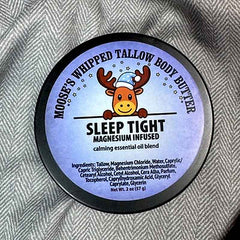
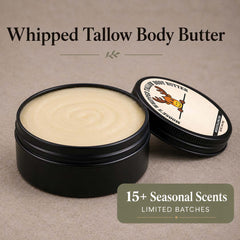
For larger patches on arms or thighs, the Whipped Tallow Body Butter covers ground fast and locks in moisture right after a shower. Small, rough spots on hands respond well to the Beef Tallow Hand Cream, and chapped patches near the lips or cheeks do better with the Beef Tallow Lip Balm than a heavier cream. Apply any of the three to damp skin and reapply once dryness creeps back in. Every order ships with a 30-day guarantee, so start with one product and build your routine from there.
Sources
- Keratosis pilaris - Diagnosis and treatment — Mayo Clinic
- Keratosis pilaris treatment and self-care for this common skin condition — Harvard Health
- Keratosis pilaris: Treatment and self-care for this common skin condition — Cleveland Clinic
- Keratosis pilaris — NCBI / clinical overview
FAQ
What do Koreans use for keratosis pilaris?
Korean skin care routines commonly lean on gentle chemical exfoliants like AHAs and mild cleansing followed by heavy layering of moisturizer, the same softening-plus-barrier-repair logic recommended by Mayo Clinic for KP generally.
What is the white stuff that comes out of my keratosis pilaris?
That’s usually the keratin plug itself, sometimes mixed with trapped oil, and it’s the same buildup that clogs the follicle and creates the visible bump.
Does keratosis pilaris ever fully go away?
It often fades noticeably by the time someone reaches their 30s, but for many adults it persists at a low level and needs ongoing management rather than a one-time fix.
Which vitamin reduces keratosis pilaris?
No single vitamin supplement reliably clears KP; topical vitamin A in retinoid form can help with cell turnover, but it works as a skin-applied treatment, not a pill.
0 comments