

TL;DR:
- Tallow acts as an occlusive and emollient, reducing water loss and softening skin.
- Proper patch testing and cautious, layered application are essential to prevent irritation or breakouts.
- It is best suited for dry, non-acne-prone skin and may pose risks for sensitive or oily skin types.
If you’ve tried lotion after lotion and your dry skin still feels tight, rough, or just never quite right, you’re not alone. A lot of conventional moisturizers rely on fillers, synthetic emollients, and fragrance that temporarily mask the problem without truly supporting your skin’s barrier. Tallow, rendered beef fat used in skincare for generations, is getting fresh attention as a natural alternative for people who want simpler ingredients and real nourishment. This guide walks you through what tallow can actually do for dry skin, who should approach it carefully, and how to apply it safely so you get the best possible outcome without surprises.
Key Takeaways
| Point | Details |
|---|---|
| Start with a patch test | Always try tallow on a small area first to check for irritation or reactions. |
| Apply sparingly to clean skin | Less is more—use just enough on clean, slightly damp skin to avoid clogged pores. |
| Monitor closely for side effects | Watch for redness, bumps, or breakouts and stop using tallow if these appear. |
| Choose fresh, high-quality tallow | Ensure your balm is pure and stored correctly to prevent spoilage or irritation. |
| Consider alternatives if issues arise | If tallow doesn’t suit your skin, switch to proven moisturizers recommended by dermatologists. |
What you need to know before using tallow on dry skin
Tallow is both an occlusive and an emollient. In plain terms, it sits on the skin’s surface to slow down water loss while also softening and smoothing the outer layer. That dual action is why people find it so appealing for persistently dry or flaky skin. Understanding dry skin relief with tallow starts with understanding what it can and cannot do.
Benefits worth noting:
- Creates a protective lipid barrier that reduces transepidermal water loss
- Softens rough, flaky patches with consistent use
- Contains a naturally short ingredient list, which matters for reactive skin
- Absorbs reasonably well when warmed and applied in thin layers
- Free of the synthetic additives found in many commercial moisturizers
Risks you should not ignore:
- Can clog pores and trigger breakouts, especially on oily or combination skin
- May irritate reactive or sensitive skin types
- Pure tallow can go rancid without preservatives if stored poorly
- No robust clinical trials yet to confirm long-term superiority over conventional moisturizers
It is honest to say that beef tallow is not a one-size-fits-all moisturizer; it may clog pores, trigger irritation, or worsen some sensitive or acne-prone conditions, and evidence is limited. That’s not a reason to dismiss it entirely. It is a reason to go in with realistic expectations. Similarly, research on tallow’s skincare claims is still limited, and potential side effects include clogged pores, irritation, allergic reactions, and spoilage.
| Skin type | Likely experience | Risk level |
|---|---|---|
| Dry, non-acne-prone | Softer, more hydrated feel | Low to moderate |
| Sensitive, reactive | Possible irritation | Moderate |
| Acne-prone or oily | Breakouts, congestion | High |
| Combination | Mixed results | Moderate |
| Eczema-prone | Variable; patch test essential | Moderate to high |
Who should avoid tallow entirely: If you have active acne, a recent skin injury, rosacea, seborrheic dermatitis, or a history of cystic breakouts, it is safer to work with a dermatologist before adding tallow to your routine. Always use the tallow product safety checklist to evaluate any new product.
How to prepare your skin and your tallow balm
With the right information on hand, you’re ready to gather your tools and balm for the safest, most effective experience.
Choosing your tallow:
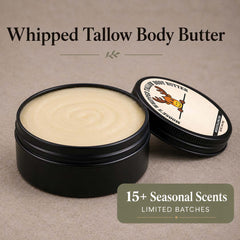
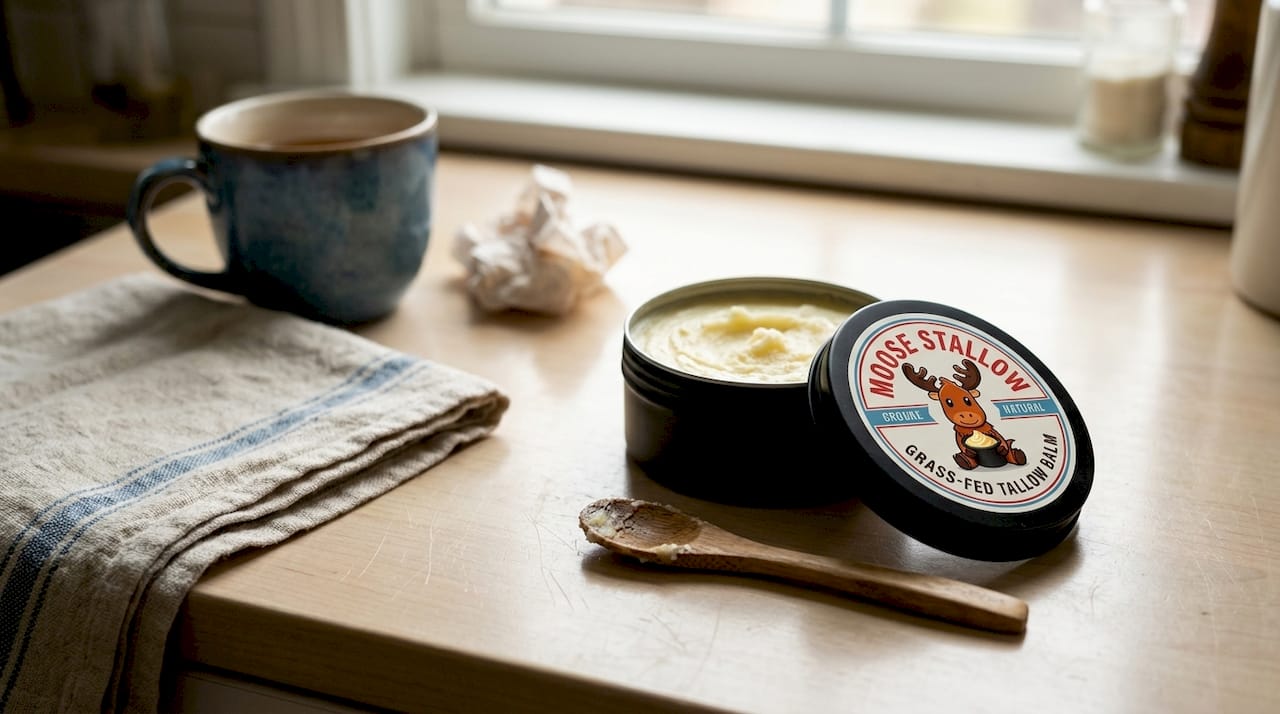
The quality of the tallow matters enormously. Look for pure, grass-fed rendered beef tallow with a clean, mild smell. Rancid tallow smells sharp, sour, or off, and you should never apply it to your skin. Some balms combine tallow with simple oils like olive oil or jojoba, which can make the texture lighter and easier to spread. When choosing a tallow moisturizer, keep the ingredient list short and purposeful.
Pure tallow vs. tallow balm: a quick comparison
| Feature | Pure tallow | Tallow balm |
|---|---|---|
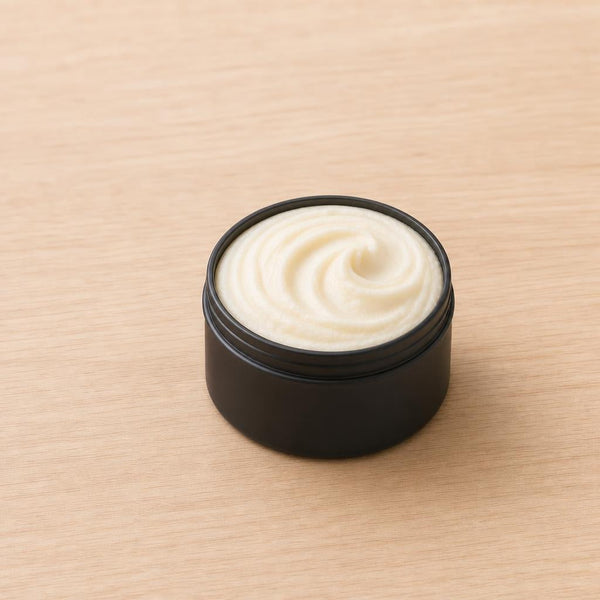
| Texture | Dense, waxy | Smoother, more spreadable |
| Ingredient control | Minimal (one ingredient) | Varies by formula |
| Ease of application | Requires more warming | Easier to apply directly |
| Shelf life | Can go rancid faster | Depends on added oils |
| Best for | Experienced users, DIY | Beginners, sensitive skin |
Understanding how tallow compares to plant oils can also help you figure out which format suits your skin’s texture preferences.
Step-by-step preparation:
- Wash your hands thoroughly before touching your tallow or your face.
- Check your tallow or balm for any off smell, discoloration, or unusual texture. If anything seems wrong, do not use it.
- Cleanse your face or the target area with a mild, fragrance-free cleanser.
- Pat your skin gently with a clean towel. Leave it slightly damp, not soaking wet.
- Scoop a small, pea-sized amount of tallow or balm and set it aside. You need less than you think.
- Perform a patch test before any full application (see the next section for the full process).
Best dermatologist practice is to use after cleansing and apply only a small amount consistently for best results. That guidance holds true whether you’re working with straight tallow or a blended balm.
Pro Tip: Warm the tallow between your fingertips for about ten seconds before applying. This softens the texture and helps it spread more evenly in a very thin layer, which lowers the risk of pore congestion.
Step-by-step: How to apply tallow for soothing dry skin
Once your skin and balm are prepped, follow this process to give tallow a safe, controlled trial on your dry skin.
Phase 1: Patch test (days 1 to 2)
- Apply a tiny amount, about the size of a rice grain, to the inside of your forearm or behind your ear.
- Leave it on without washing for 24 to 48 hours.
- Check for redness, bumps, itching, or any unusual reaction at the site.
- If the area stays calm, you can proceed to a broader test. If you see any reaction at all, stop and wash the area.
Phase 2: First full application
- Wash your hands and face with your mild cleanser. Pat skin to slightly damp.
- Scoop a pea-sized amount of tallow balm and warm it between your fingertips.
- Gently smooth a thin layer over the dry areas. Do not rub aggressively.
- Allow it to absorb for a few minutes before getting dressed or going to bed.
- Apply at night when your skin’s repair processes are most active.
Phase 3: Monitor closely (days 1 to 7)
Watch your skin daily in good lighting. Notice any changes in texture, tone, or the appearance of bumps. The small amount, warm between fingers, apply to clean or damp skin, watch for 1 to 2 days approach gives your skin time to respond without overwhelming it.
Review detailed tallow balm application techniques for area-specific guidance, whether you’re treating dry hands, rough elbows, or a flaky face. And keep in mind that the best tallow lotion uses go beyond the face to include other areas of very dry or cracked skin.
Pro Tip: Never apply tallow over broken, cracked-open, or actively inflamed skin. The occlusive nature of tallow can trap bacteria against damaged tissue and slow healing rather than support it.
What to expect and how to troubleshoot
You’ve followed the steps. Here’s how to tell if it’s working and what to do if your skin reacts.
What a positive response looks like:
- Skin feels noticeably softer and more supple within a few days
- Dry patches become less flaky and more even in texture
- No new bumps, redness, or itching appear
Warning signs to take seriously:
- New pimples, blackheads, or whiteheads forming in treated areas
- Persistent redness or warmth in the skin
- Itching, hives, or a rash
- Worsening tightness or discomfort rather than relief
It’s important to know that acne-prone, clogged-pore, or active-breakout skin calls for extra caution even after a successful patch test. And potential side effects, including clogged pores, irritation, allergic reactions, and increased sunburn sensitivity, are real considerations for anyone adding tallow to their regular routine.
| Result | What it means | What to do |
|---|---|---|
| Softer, calmer skin | Tallow is working for you | Continue with small amounts |
| New breakouts | Tallow may be too occlusive | Stop use, cleanse gently |
| Redness or itching | Possible irritation or reaction | Stop immediately, consult a professional |
| No change | May not suit your skin type | Try an alternative moisturizer |
| Increased sun sensitivity | Likely with pure tallow | Always apply SPF during the day |
If problems persist after stopping use, or if your skin worsens significantly, switch to a proven, dermatologist-recommended moisturizer and book an appointment with a skincare professional. You can also look at a skincare routine built for sensitive skin or explore whether tallow for eczema relief is appropriate for your situation with professional guidance.
Why slow, cautious use of tallow beats trendy skincare shortcuts
Here is the honest, sometimes uncomfortable truth about natural skincare trends. Tallow is not magic. It is not going to undo years of damage overnight, and it is not going to work perfectly for every person who tries it. The internet is full of glowing testimonials, but those accounts rarely mention the weeks of careful patch testing, the adjustments made when skin reacted, or the people for whom tallow simply did not work at all.
We believe in tallow deeply, and we built Moose’s Tallow on that belief. But we also believe in giving you the full picture. Dermatologist guidance generally favors proven, science-backed moisturizers, especially for long-term management of chronic conditions. That’s a fact we respect, not dismiss. Tallow deserves a fair, careful trial, not blind enthusiasm.
What makes tallow worth exploring is that for the right person, with the right formulation and the right application, it genuinely delivers. It supports the skin barrier without a long list of questionable additives. It absorbs without leaving a heavy, greasy film when used correctly. And it carries a history of use that many modern ingredients simply do not have. The essential guide to tallow lotion breaks down those benefits without overpromising.
The lesson is simple: approach tallow with patience, not urgency. Test before you commit. Monitor honestly. And be fully willing to pivot if your skin tells you it’s not the right fit. That kind of thoughtful skincare is always better than chasing a trend.
Explore tallow-based skincare solutions
Ready to try tallow safely? Start with products formulated for dry and sensitive skin. At Moose’s Tallow, every product is handcrafted in small batches using thoughtfully rendered beef tallow and a short list of ingredients that actually earn their place. We take the guesswork out of sourcing and formulation so you can focus on how your skin responds. If you’re looking for added sun protection alongside deep moisture, our tallow zinc sun butter balm is a favorite for daily use. Browse the full range and find your starting point when you explore all tallow products and see what fits your skin’s needs.
Frequently asked questions
Is tallow safe for very sensitive or eczema-prone skin?
Tallow can still irritate sensitive or eczema-prone skin, so always patch test first and stop use immediately if any redness, bumps, or itching develop. A dermatologist consultation is a smart step if you have a known reactive condition.
Will tallow clog my pores or cause acne?
For acne-prone or oily skin, tallow can clog pores and increase breakouts, so stick to thorough patch testing and discontinue right away if any congestion or new blemishes appear.
How long does it take to see results when using tallow?
Most users notice whether tallow is helping or causing a reaction within the first 1 to 2 days of use, though continued improvement in skin texture may take a week or more of consistent, careful use.
Can I use tallow alongside my regular moisturizer?
Yes, but apply tallow as the final step in your routine to seal in moisture, and use only a small amount consistently to avoid oily buildup or pore congestion.
Does pure tallow require special storage?
Yes. Store pure tallow in a cool, airtight container away from heat and sunlight, since pure tallow may spoil or go rancid faster than products with added preservatives.


0 comments