

A true allergy to shea butter is rare. Most reactions people blame on shea actually come from fragrance, preservatives, or a product used on already-irritated skin. If you break out after using a shea-based lotion, stop it, watch your skin for two to three days, and consider a patch test. Groups like the FARRP program at the University of Nebraska and the American Academy of Allergy, Asthma & Immunology back this up.
TL;DR:
- True shea butter allergy is extremely rare, especially in refined forms like shea stearin, which are unlikely to contain allergenic proteins.
- Most skin reactions attributed to shea are caused by fragrances, preservatives, or other additives present in skincare products.
- Patch testing can accurately confirm if a skincare product causes an allergic reaction without the need for extensive in-office procedures.
- Shea from the nut of the shea tree does not show significant cross-reactivity with peanut or tree nut allergies based on scientific reviews.
- Checking ingredient labels thoroughly, especially for preservatives and fragrances, helps prevent reactions more effectively than avoiding shea butter itself.
How Common Is a Shea Butter Allergy, Really?
Shea butter allergy shows up rarely in the medical literature. FARRP reviewed the evidence and concluded that shea nut butter does not pose a known or likely allergy risk, even for people with peanut or tree nut allergies. That is a strong statement from a food allergy research group, and it lines up with what dermatologists see in clinic.
A few things explain the low numbers:
- Case reports of true shea allergy exist, but they are uncommon and usually involve skin that was already broken, cracked, or inflamed.
- Lab testing has failed to find allergy-triggering proteins in shea butter samples, which is a big reason reactions stay rare.
- Refining removes even more of the plant material that could theoretically cause a problem, leaving less behind to react to.
Highly refined shea derivatives, sometimes labeled shea stearin, go through extra processing that strips out protein residues. FDA assessment documents found no detectable allergens in tested shea stearin samples. If you are cautious by nature, that distinction between refined and unrefined shea is worth knowing.
What Actually Causes Most Skincare Reactions?
Before you blame shea butter, look at everything else in the jar. Fragrance and preservatives cause far more skin reactions than plant butters do, and shea usually gets pulled into suspicion simply because it sits high on the ingredient list.
The most common culprits in skincare products are:
- Fragrance or perfume — this single word can hide dozens of individual chemicals, and U.S. labeling rules do not require every one to be listed by name.
- Preservatives like phenoxyethanol, parabens, and methylisothiazolinone (MI), which keep water-based products from growing bacteria but are known contact allergens.
- Emulsifiers, the ingredients that blend oil and water together in traditional lotions.
- Essential oils, often added for scent but capable of triggering the same kind of reaction as synthetic fragrance.
A large review of moisturizer allergy cases found that botanicals like shea butter had low reaction rates compared to fragrance and preservative ingredients. A more recent 2026 surveillance study found minimal cross-reactivity between fragrance allergens and botanicals, which supports using plant-based emollients in fragrance-free formulas for people who already react to scented products.
Pro Tip: When a lotion causes a rash, read the ingredient list from the middle down, not just the top. Preservatives and fragrance often hide past the halfway point, and that is usually where the real problem lives.
What Symptoms Mean You’re Having an Allergic Reaction?
Local skin reactions are the most common type, and they usually show up where you applied the product, with symptoms and causes explained in detail. Watch for redness, itching, small bumps, blistering, or swelling. These signs can appear within hours or take a day or two to build, which is part of why people don’t always connect the dots right away.
Rare but serious signs need immediate attention:
- Swelling of the face, lips, or tongue
- Difficulty breathing or a tight feeling in the throat
- Hives spreading well beyond the application site
- Dizziness or a sudden drop in energy after topical use
Severe systemic reactions to topical products are uncommon, and case reports describing contact anaphylaxis usually involve application to damaged skin, with preservatives more often named as the trigger than the base moisturizer. If a rash keeps coming back in the same spot every time you use a certain product, that pattern points toward a true contact allergy, not random irritation, and it’s worth getting checked.
How Does Allergy Testing for Skincare Products Work?
Patch testing is the standard way allergists confirm a contact allergy, and it’s more involved than a quick scratch test.
- Application. Small amounts of suspected allergens, or the actual product itself, are placed under adhesive patches on your back.
- Waiting period. The patches stay covered and undisturbed for about 48 hours.
- First reading. Your allergist removes the patches and checks your skin for reactions.
- Second reading. A follow-up reading happens at 72 to 96 hours, since some reactions take longer to appear.
This process typically takes two to three office visits, and some clinics use standardized panels like T.R.U.E. TEST, which screens for 35 known contact allergens in one sitting. Bring the actual product, its full ingredient list, and a simple timeline of when the reaction started. That information helps your allergist test the right things instead of guessing.
Does a Tree Nut or Peanut Allergy Mean You Should Avoid Shea?
Shea comes from the nut of the shea tree, which leads a lot of people to assume cross-reactivity with peanut or tree nut allergies. The evidence does not support that fear.
- FARRP’s review found no convincing evidence of clinically relevant cross-reactivity between shea and other tree nuts, even for people with existing nut allergies.
- A lab study by Chawla and colleagues tested shea butter directly and found no detectable IgE-binding proteins, the specific molecules responsible for triggering allergic reactions.
- Sharing a botanical family or common name does not automatically mean two foods trigger the same immune response. Cashews and mangoes are related, but plenty of cashew-allergic people eat mango without issue.
If you have a severe, systemic history with tree nuts or peanuts, talk to your allergist before eating anything containing shea, even though topical use carries very low documented risk.
How Can You Test Products at Home Before You Trust Them?
You don’t need a dermatologist’s office to catch most reactions before they become a problem.
- Dab a small amount of the product on the inside of your forearm.
- Cover loosely, if you want, and leave it alone.
- Check the spot at 24 hours, then again at 48 to 72 hours, since some reactions build slowly.
- Stop immediately and wash off if you notice spreading redness, blistering, or swelling.
Beyond the patch test, get in the habit of reading labels the way an allergist would. Watch for fragrance, perfume, phenoxyethanol, parabens, and any essential oil blends. A short, transparent ingredient list is more useful than a “hypoallergenic” claim on the front of the bottle. That word isn’t federally regulated, so it tells you very little on its own. If you’re rebuilding your skincare shelf around fewer, better-understood ingredients, this checklist for sensitive skin walks through what to prioritize.
Pro Tip: Never patch test on skin that’s already broken, cracked, or actively flaring. Damaged skin reacts more easily to almost anything, and it will give you a false positive.
How Moose’s Tallow Thinks About Ingredient Safety
I started Moose’s Tallow after staring at a lotion label with 52 ingredients on it. Water was the first one. That moment changed how I think about skin.
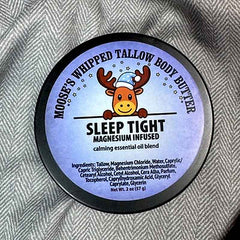
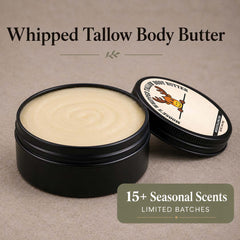
Every product we make starts with properly rendered, local beef suet tallow. We keep formulas water-free and lightly diluted, because fewer ingredients mean fewer chances for something to go wrong on your skin. When we do add a carrier oil, we reach for fractionated coconut oil. It resists oxidation, absorbs cleanly, and holds up on the shelf better than heavier plant oils. Beeswax, vitamin E (tocopherols), jojoba, castor, and egg yolk infused oil round out our formulas, each one chosen for a reason, never as filler. We don’t use shea butter, olive oil, or other vegetable oils. If you’re curious how tallow stacks up against shea specifically, we broke it down here.
Why the Simplest Skincare Choice Is Often the Right One
Most people chasing a shea butter allergy diagnosis are really chasing peace of mind. My honest read on the evidence: stop the product, give your skin a few days, and check the label before you check the plant butter. Fragrance and preservatives cause far more trouble than shea ever does. If a rash keeps returning, see an allergist and get it patch tested properly.
— Brian Smith
A Low-Ingredient Option If You’re Rebuilding Your Skincare Shelf
If reading ingredient labels has become your new hobby, you’re exactly who we built Moose’s Tallow for. Every product starts with local beef suet tallow instead of water, so there’s less in the jar to react to in the first place.
Our Beef Tallow Lip Balm for Dry & Chapped Lips skips shea, lanolin, and petroleum, all common lip balm bases that some people find irritating. For the smallest skin in the house, our Natural Tallow Baby Butter with Calendula & Chamomile keeps the formula short and the ingredients transparent. Heading outside, Tallow & Zinc Outdoor Sun Balm pairs tallow with zinc oxide for basic sun coverage without a long chemical list.
Every order ships small-batch and handmade, backed by a satisfaction guarantee. Browse the full product lineup and check the ingredient list on any product page before you buy. That’s the whole point.

This article is general information, not a substitute for advice from a qualified doctor. Consult a qualified healthcare professional about your own circumstances before acting on anything here.
Sources
- Shea Nut Butter | Food Allergy Research & Resource Program
- Shea butter contains no IgE-binding soluble proteins (Chawla et al., 2011) — PubMed
- Moisturizer allergy: diagnosis and management — PMC
- Cross-reactivity and botanicals study — PubMed (2026)
FAQ
What Are the Top 3 Rarest Allergies?
True shea butter allergy would rank among the rarer skin allergies, though no formal ranking of “rarest allergies” exists in the medical literature. What’s better documented is that fragrance and preservative allergies are far more common than reactions to plant-based emollients like shea butter, based on dermatology surveillance data.
Is Shea Butter Part of the Nut Family?
Shea butter comes from the nut of the shea tree, but it does not behave like a tree nut allergen. FARRP’s review found no convincing evidence of cross-reactivity, and lab testing has found no allergy-triggering proteins in shea samples.
Can Shea Butter Irritate Eczema?
Shea butter rarely irritates eczema and is more often used to soothe dry, cracked skin. If a shea-based product does cause a flare, additives like fragrance or preservatives are the more likely trigger. See our guide on eczema-friendly skincare for more on choosing gentle emollients.
Is Shea Butter OK if You Have a Nut Allergy?
Topical shea butter is considered low risk for people with peanut or tree nut allergies, according to FARRP’s expert opinion. If you have a severe, systemic nut allergy, talk to your allergist before eating foods containing shea, since eating it carries different considerations than applying it to skin.
0 comments