

The routine that works: oil on damp beard hair, a light balm to seal it in, and daily brushing to train direction. Do this today, right after your shower, while hairs are still soft. Some brands make tallow beard balm and tallow hair clay products for this job.
TL;DR:
- Washing only two to three times a week prevents dryness and helps maintain natural oils that keep beard hairs lying flat.
- Applying oil on damp beard hair and sealing with balm offers better hydration and hold than using products separately or on dry hair.
- Daily brushing in a consistent direction, combined with low-heat blow-drying and cooling, trains beard hairs to stay in place and reduces flyaways over time.
- Coarse, curly, or straight beards require tailored strategies such as increased brushing, targeted trimming, or heat application to manage stubborn flyaways.
- Inconsistent routines and frequent product changes hinder progress; sticking with a simple oil, balm, and brushing system yields steady improvements in beard control.
How Do You Tame Beard Flyaways With a Daily Routine?
Flyaways calm down with repetition, not with one miracle product. The steps below work together. Skip one, and the others do less.
Wash two to three times a week. Daily washing strips natural oils. Stripped hair gets drier and springs up more, not less. A gentle cleanser two or three times a week keeps skin and hair balanced. On off days, just rinse with warm water.
Apply oil to damp hair. Right after a shower, while your beard is still damp, warm two to four drops of beard oil between your palms. Work it from the skin at the root out to the tips. Damp hair takes oil better than dry hair. This single habit does more for softening your beard than almost any other step.
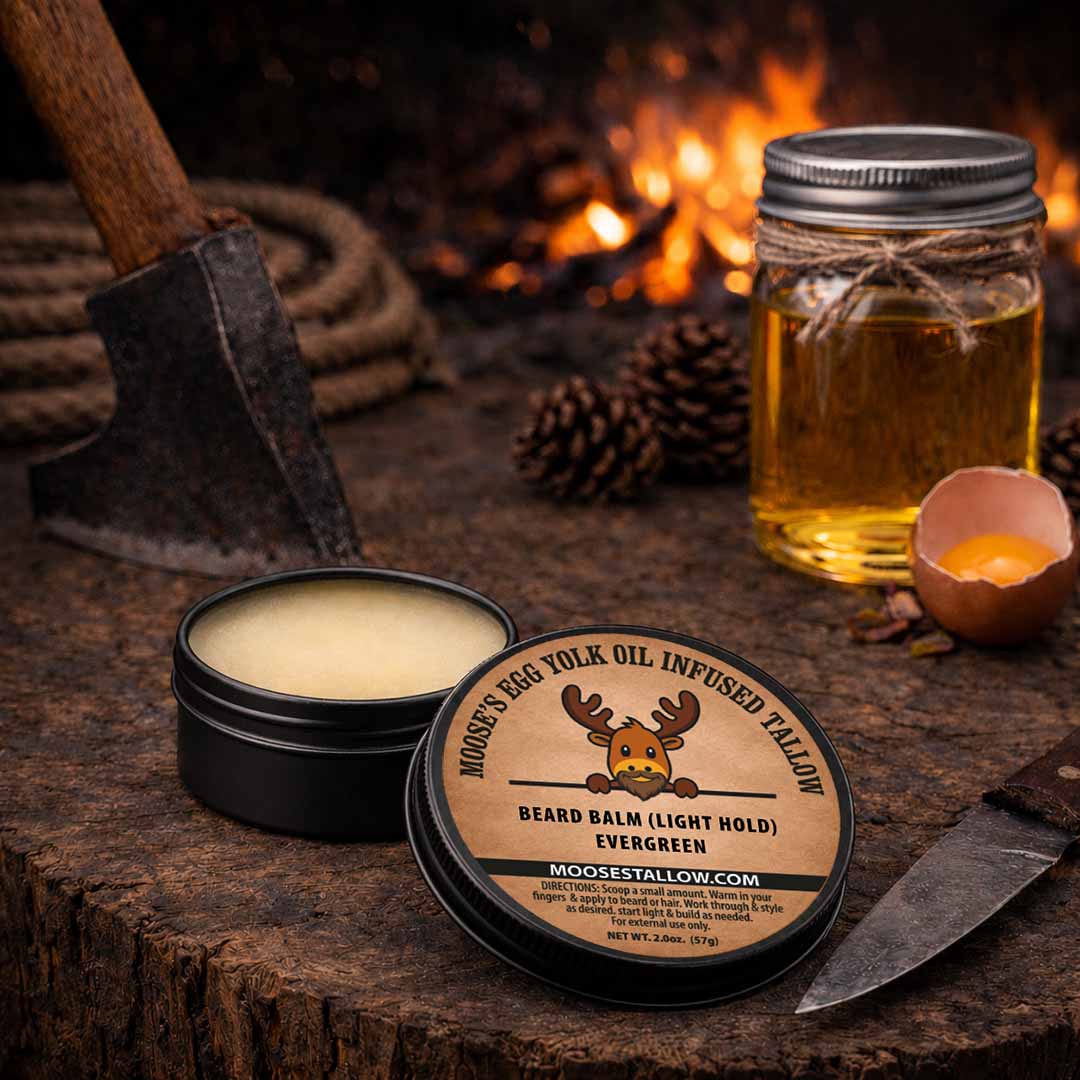
Follow with balm for hold. Balm is thicker than oil and adds light hold. Scoop a pea-sized amount, warm it between your fingers until it turns glossy, then distribute it through the beard the same way. This seals in the moisture from the oil step and gives stray hairs something to hold onto.
Brush daily, same direction, same order. Brush from the neck up, then the cheeks, then the chin, spending about 30 to 60 seconds total. Daily brushing gradually trains hair to lay in one direction. A practical grooming routine that combines washing, oil, and mechanical training is widely recognized as the most reliable way to cut down on flyaways over several weeks.
Weekly or biweekly extras. Once a week, work in a leave-in conditioner for extra hydration. Every two weeks, check for split or frayed ends and snip only those with small scissors.
- Wash 2 to 3 times a week, rinse on off days
- Oil on damp hair, root to tip
- Balm right after oil for hold and seal
- Brush daily in one direction
- Leave-in conditioner weekly, micro-trims biweekly
Pro Tip: Keep your oil and balm bottles right next to your towel. If the products aren’t in your line of sight after a shower, the habit falls apart within a week.
Which Tools and Techniques Actually Train Flyaways?
The right tool matters as much as the right product. A boar-bristle brush works better than plastic because the bristles are closer in structure to your own hair, spreading oil evenly with less static buildup than plastic bristles produce. Static is one of the biggest reasons flyaways look worse by afternoon.
Here’s the order that gets the most out of each tool:
- Brush first, dry beard. Clear tangles and knock down loose debris before you add anything.
- Apply oil, then balm. Oil hydrates, balm seals and adds hold. Skipping the order and doing balm alone leaves hair drier underneath.
- Blow-dry on low heat, moving the nozzle constantly. Aim it downward, following your brush strokes. This step, done with oil first and balm second, gives you longer same-day hold than air drying alone.
- Finish on cool air. A cool blast at the end helps hair set in the direction you just brushed it.
- Comb only to detangle, brush to train. A wide-tooth comb is for working out knots after washing. Save the brush for daily direction training.
- Trim lone flyaways individually. Use small, sharp scissors on single stray hairs. Cut conservatively. One hair at a time beats a fast pass with clippers that can leave a gap.
Keep the dryer on its lowest heat setting. High heat dries out the hair shaft and makes flyaways worse within days, not better.
Why Won’t Some Flyaways Lie Flat No Matter What?
Three things usually cause stubborn flyaways: dry skin, split ends, and hair that grows at an odd angle.
Start with your skin. Dermatologists recommend moisturizing the skin beneath your beard and using a gentle cleanser rather than regular soap, since dry skin under the beard leads to dry, unruly hair on top of it. If your skin still feels tight or flaky after switching products, that’s worth a look from a dermatologist rather than more grooming tricks.
- Dry, flaky skin under the beard: switch to a gentle cleanser and moisturize daily
- Split, frayed ends: micro-trim only those hairs, not the whole beard
- Hairs that grow sideways or upward: brush training helps but won’t fully override the angle
- Short beard stage (under 4 weeks): balm adds weight, but patience matters more than product
Beard hair is thicker and stiffer than the hair on your head, and it grows from follicles that point in different directions. That structure is why some hairs never lie perfectly flat, no matter how much you brush or trim. Training can shift direction over time, but it works with your growth pattern, not against it.
How Tallow Fits Into a Flyaway Routine
I started Moose’s Tallow after reading my own lotion label. Fifty-two ingredients, and water listed first. I wanted something simpler for my own skin, and it turned out beards need the same thing.
Water-free tallow formulas sit close to your skin’s own oil profile, so they absorb without leaving a greasy film, and they help hold moisture in dry, flyaway-prone hair. Here’s where our two beard products fit:
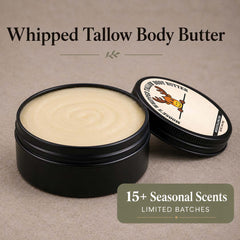
- Tallow Beard Balm, infused with egg yolk oil, goes on after oil for light hold and a moisture seal
- Tallow Hair Clay, also infused with egg yolk oil, works when you want a stronger hold and a matte finish instead of shine
- Both use fractionated coconut oil as the carrier oil, chosen for its stability, resistance to oxidation, and clean absorption
- Beeswax, vitamin E, jojoba, and castor round out the formula, each doing a specific job, never added as filler
- Orders often come with satisfaction guarantees and have customer feedback.
Do Curly, Straight, and Coarse Beards Need Different Fixes?
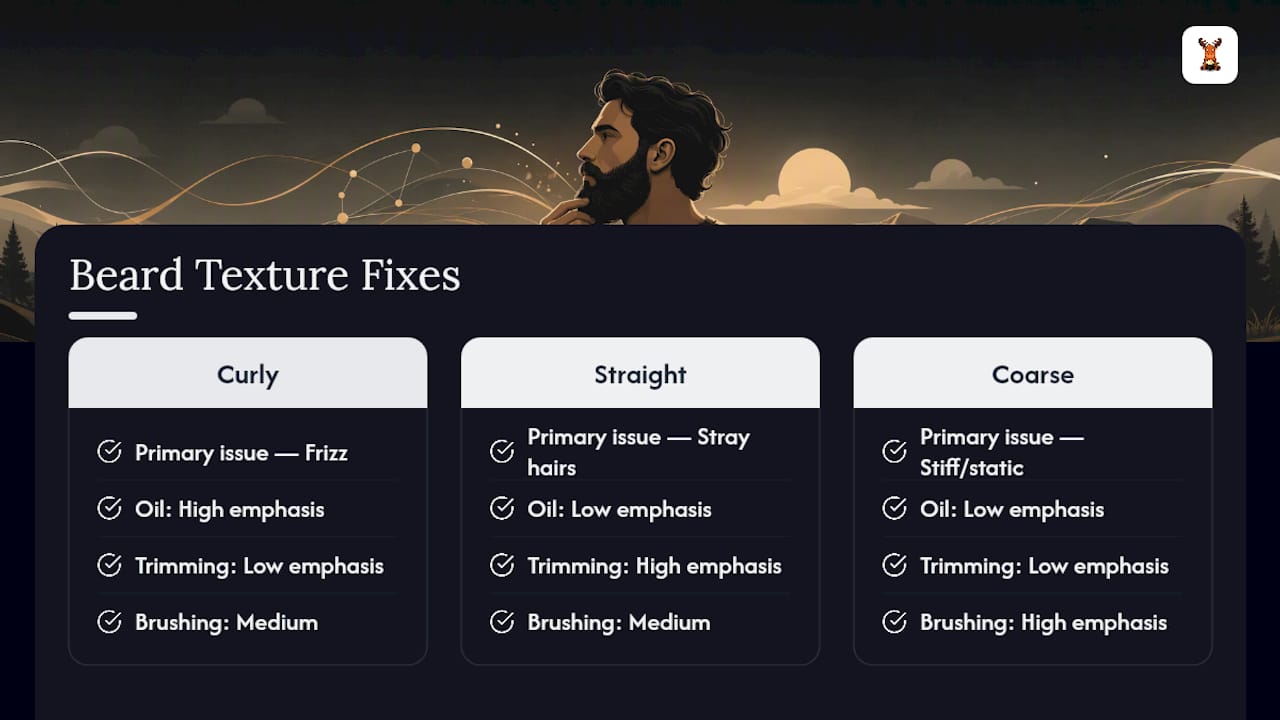
Texture changes what “tame” even means for your beard.
Curly beards tend to frizz more than they flyaway in the classic sense. Oil first, on damp hair, calms the frizz. Balm afterward gives curls just enough weight to relax the shape without gluing them flat.
Straight beards show individual stray hairs more clearly since there’s no natural curl to hide them. This is where targeted trimming and directional brushing pay off fastest. A stray hair on a straight beard stands out the way it wouldn’t in a curlier pattern.
Coarse beards hold the most static and resist lying flat the longest, since thicker hair shafts take more effort to bend. Lean harder on the boar-bristle brush here, and give the low-heat blow-dry step a real chance. Coarse hair responds to heat and hold better than to oil alone.
Across all three textures, the order stays the same: hydrate first, add light hold second, train with a brush third. What changes is how much of each step you use. Curly beards want more oil, straight beards want more targeted trimming, coarse beards want more brushing and heat.
Does Diet Affect How Unruly Your Beard Gets?
What you eat and drink shows up in your beard weeks later, not overnight. Hair is built largely from protein, so a diet low in protein can leave hair thinner and more prone to breaking, which shows up as frizz and flyaways.
Hydration matters just as much. Dehydrated skin produces drier hair, and dry hair is stiffer and harder to train flat. Drinking water consistently, not just when you remember, supports the same skin barrier that beard oil is working on from the outside.
Biotin, zinc, and omega-3 fatty acids come up often in grooming advice for hair health, though results vary person to person and take time to show. None of this replaces a topical routine. Diet supports the hair you’re growing; oil, balm, and brushing manage the hair you already have. Treat the two as complementary, not interchangeable.
How Does Weather Make Beard Flyaways Worse?
Dry winter air pulls moisture straight out of your beard, and indoor heating makes it worse. That’s usually the season flyaways spike the hardest.
Humidity swings the other way. High humidity causes hair to absorb moisture unevenly, which is what makes some beards frizz up the moment you step outside on a muggy day. Wind adds mechanical disruption on top of both: it physically lifts hairs out of the direction you just trained them.
A few adjustments help across seasons:
- In dry weather, add an extra drop of oil and consider a humidifier at home
- In humid weather, a balm’s light hold resists frizz better than oil alone
- On windy days, a quick brush and balm touch-up before heading out keeps hair in place longer
- Wind and sun both dry out hair over time, so reapplying oil in the evening helps undo the day’s damage
None of this is about avoiding the outdoors. It’s about matching your product step to what the air is doing to your beard that day.
Wax, Cream, or Balm: Which Styling Product Fits Your Beard?
Not every beard type wants the same finishing product. The category matters more than the brand.
Wax gives the strongest, stiffest hold. It’s built for shaping mustaches or sculpting specific sections, but it can feel heavy and unnatural across a full beard.
Cream typically leans on water and light oils for a soft, natural look with minimal hold. Creams work fine for very short beards but often don’t have enough grip to control longer flyaways.
Balm sits in the middle: enough hold to control stray hairs, without the stiffness of wax. This is why balm is the workhorse product in most daily routines, including the one outlined above.
Clay gives a different finish entirely: a matte, textured look with firmer hold than balm, useful when you want more shape and less shine.
When you’re comparing carrier oils across any of these formats, fractionated coconut oil holds up better over time than oils like olive, avocado, or grapeseed. Those vegetable oils oxidize faster and can leave a heavier, sometimes greasy residue. Fractionated coconut oil stays lightweight, resists spoiling on the shelf, and absorbs cleanly, which is why it’s the carrier we build our formulas around.
Consistency Beats Chasing New Products
Most men blame their beard for flyaways when the real problem is an inconsistent routine. Switching products every few weeks resets your progress every time. Stick with oil, balm, and daily brushing, and expect visible change within a few weeks, not overnight. When you do trim, go small. A micro-trim now saves you from a much bigger cut later.
— Brian Smith
Where to Start: Balm, Clay, and Building the Habit
Moose’s Tallow builds this routine into two products instead of ten. That’s the real advantage here: no shelf of six different half-used bottles, just an oil-to-balm-to-brush system that does its job with ingredients you can actually pronounce.
Reach for Tallow Beard Balm for Men, infused with egg yolk oil, right after your morning oil to seal in moisture and add light hold. When you want a stronger, matte finish instead, swap in Tallow Hair Clay, also infused with egg yolk oil. Both are handmade in small batches from properly rendered local beef suet tallow, water-free, and lightly diluted so nothing dilutes the tallow itself.
The recap: oil on damp hair, balm or clay to seal and shape, then brush to train. Browse the full Moose’s Tallow catalog if you want to build out the rest of your routine, backed by a 30-day guarantee on every order.
Sources
- American Academy of Dermatology — Healthy Beard care
- Imaios — Hairs of the beard (anatomy)
- BarberSupplyHub — Complete Beard Grooming Guide
FAQ
What Is the 3 Month Beard Rule?
It refers to letting a beard grow untouched for about three months before shaping it, since early growth is often patchy or uneven before it fills in.
How Do You Tame Unruly Beard Hairs?
Apply oil to damp beard hair, follow with a light balm to seal and add hold, then brush daily in one direction to train the hairs over several weeks.
How Do You Stop Beard Hairs From Sticking Up?
Daily brushing with a boar-bristle brush, combined with oil and balm, trains hair to lie flatter. A low-heat blow-dry with a cool finish adds temporary extra hold.
How Do You Fix Stray Hairs on a Beard?
Trim individual stray hairs conservatively with small scissors rather than cutting a whole section, and use balm or Tallow Hair Clay to keep the hair weighed down between trims.
How Much Does Moose’s Tallow Beard Balm Cost?
Tallow Beard Balm for Men starts from $20, and pricing is listed on the product page.
0 comments