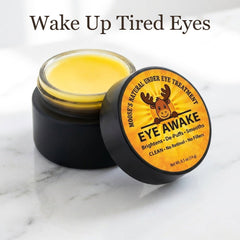
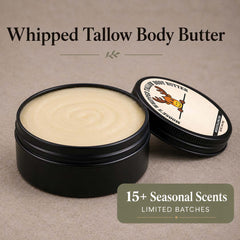
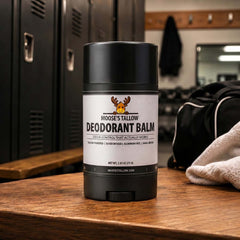


What is beef suet? It is the hard, rich fat from around a cow’s kidneys. Suet is the purest fat used to make tallow. Rendering it gives a clean, stable tallow for skincare. This is the fat we render for our tallow balms.
If you’ve explored natural skincare, you’ve likely heard about beef tallow’s benefits. But there’s confusion around what beef suet actually is and why it matters for your skin. Suet isn’t just another name for tallow, it’s the raw fat from around a cow’s kidneys and organs, the most prized source for creating nutrient-rich tallow. While a cow yields hundreds of pounds of fat, only 10-15 pounds is true suet, making it rare and valuable. Understanding this distinction helps you choose skincare products that deliver genuine nourishment instead of generic formulations.
Table of Contents
- Understanding Beef Suet: What It Is And How It Differs From Tallow
- What Is Beef Suet Used For? From The Kitchen To Skincare
- Nutritional And Skincare Properties Of Beef Suet: What Makes It Special
- How Beef Suet-Based Tallow Compares To Other Skincare Fats
- Incorporating Beef Suet Into Your Natural Skincare Routine
- Explore Quality Beef Suet Tallow Skincare Products
- Frequently Asked Questions
Key takeaways
| Point | Details |
|---|---|
| Beef suet is the purest fat | Found around the kidneys and organs, suet produces the highest quality tallow for skincare. |
| Rich in skin-loving nutrients | Contains vitamins A, D, E, and K plus essential fatty acids that deeply hydrate and repair. |
| Superior to many plant oils | Suet-based tallow provides better moisture retention and skin barrier support than common alternatives. |
| Proper sourcing matters | Authentic suet-based products ensure maximum skincare benefits and nutrient potency. |
| Storage preserves effectiveness | Cool, dark storage in airtight containers maintains the quality of suet tallow products. |
Understanding beef suet: what it is and how it differs from tallow
Beef suet is the raw, hard fat that surrounds the kidneys and loins of cattle. This internal fat differs significantly from other beef fats found throughout the animal’s body. When you render suet through gentle heating, it transforms into tallow, the smooth, creamy substance used in skincare products. The key distinction is this: suet is the raw material, tallow is the finished product.
Many people use these terms interchangeably, but that creates confusion when shopping for skincare. Not all tallow comes from suet. Some manufacturers render general beef fat from various parts of the animal, which produces a lower quality product. Beef suet is the raw fat surrounding the kidneys and loin of cattle and is the best part of tallow for skin because it contains the highest concentration of beneficial nutrients.
The purity of suet makes it exceptional for skincare applications. Unlike fat from other areas that may contain more connective tissue or impurities, kidney suet is remarkably clean and dense. This purity translates directly to the quality of tallow produced. When properly rendered, suet creates a tallow that’s stable, nutrient-rich, and perfectly suited for nourishing your skin.
Here’s what sets suet apart from other beef fats:
- Suet has a higher melting point, creating a firmer texture that’s ideal for skincare formulations
- It contains more saturated fats, which provide better skin barrier protection
- The nutrient density in suet exceeds that of general beef fat
- Suet produces tallow with superior shelf stability and resistance to rancidity
- Its composition closely mirrors human sebum, making it naturally compatible with skin
Understanding these differences helps you recognize why products made specifically from suet-derived tallow offer advantages over those using general beef fat. The scarcity of true suet, just 10 to 15 pounds per animal, explains why quality suet-based products command attention among those seeking natural skincare benefits of beef tallow.
What is beef suet used for? From the kitchen to skincare
Long before it reached skincare, suet was a kitchen fat. Cooks value its high melting point and clean, mild flavor. It is the traditional fat in steak and kidney pudding, mincemeat, and old-fashioned pastry. In many kitchens it is also melted down for frying.
That melting-down step is where suet and skincare meet. When you heat raw suet slowly and strain it, you get tallow. That same clean, stable tallow is what we use in our balms. So the fat that makes a flaky crust is also the fat that softens dry skin.
Here is a simple way to keep the three common animal fats straight:
| Fat | Where it comes from | Best known for |
|---|---|---|
| Suet | Hard fat from around beef kidneys and loin | The raw fat. Baking, and rendering into tallow. |
| Tallow | Rendered (melted and strained) suet or beef fat | Cooking, frying, candles, and skincare balms. |
| Lard | Rendered pork fat | Softer texture. Pastry and frying, not from cattle. |
The short version: suet is the starting point, and tallow is what you get after you render it. Lard is the pork version, so it is a different fat entirely. If a recipe asks for suet and you only have tallow, the tallow is simply the cooked-down form of the same fat.
Nutritional and skincare properties of beef suet: what makes it special
Beef suet stands out in natural skincare because of its exceptional nutrient profile. This fat contains fat-soluble vitamins that your skin readily absorbs and uses. Vitamins A, D, E, and K work together to support skin health in ways that synthetic ingredients simply cannot replicate. Vitamin A promotes cell turnover and repair, vitamin D supports skin immunity, vitamin E provides antioxidant protection, and vitamin K helps with healing and reducing inflammation.
The fatty acid composition of suet deserves special attention. It contains conjugated linoleic acid (CLA), palmitic acid, stearic acid, and oleic acid in ratios that benefit skin health. These fatty acids don’t just sit on your skin’s surface, they penetrate deeply to nourish from within. Suet-derived tallow contains vitamins A, D, E, and K alongside essential fatty acids that support skin hydration and repair better than many plant oils.
Comparing suet tallow to common plant oils reveals its advantages:
| Property | Suet Tallow | Coconut Oil | Jojoba Oil | Shea Butter |
|---|---|---|---|---|
| Skin moisture retention | Excellent | Good | Good | Very Good |
| Vitamin content | A, D, E, K | Minimal | E only | A, E |
| Comedogenic rating | Low (2) | High (4) | Low (2) | Low (0-2) |
| Fatty acid diversity | High | Moderate | Moderate | Moderate |
| Skin barrier support | Excellent | Moderate | Good | Good |
The biological compatibility of suet tallow with human skin creates its effectiveness. Your skin produces sebum, a natural oil that protects and moisturizes. Suet tallow’s fatty acid profile closely resembles sebum, which means your skin recognizes it as familiar rather than foreign. This similarity allows the nutrients to absorb efficiently without clogging pores or causing irritation.
Key properties that make suet tallow exceptional for skincare:
- Provides deep hydration without leaving a greasy residue
- Supports the skin’s natural lipid barrier against environmental damage
- Delivers anti-inflammatory benefits through CLA and vitamin K
- Offers antioxidant protection via vitamin E
- Promotes skin cell regeneration with vitamin A
- Maintains stability and potency over time
Pro Tip: Choose suet tallow products that are minimally processed and rendered at low temperatures. High heat can destroy some of the beneficial vitamins and alter the fatty acid structure. Cold-processed or gently rendered tallow retains maximum nutritional value for your skin.
The emollient properties of suet tallow create a protective layer that locks in moisture while allowing your skin to breathe. Unlike petroleum-based products that create an impermeable barrier, tallow works with your skin’s natural functions. This makes it particularly effective for those dealing with dryness, sensitivity, or compromised skin barriers. The restorative qualities come from the combination of nutrients working synergistically, not from a single active ingredient.

How beef suet-based tallow compares to other skincare fats
When evaluating skincare fats, several criteria matter: hydration capacity, nutrient density, how the product feels on skin, and potential for allergic reactions. Beef suet tallow excels across these measures, but understanding the specific advantages helps you make informed choices about what belongs in your routine.
Let’s examine how suet tallow stacks up against popular alternatives:
| Skincare Fat | Hydration Power | Nutrient Density | Skin Feel | Allergy Risk | Best For |
|---|---|---|---|---|---|
| Beef Suet Tallow | Very High | Excellent | Rich, absorbs well | Very Low | All skin types, especially dry/sensitive |
| Coconut Oil | Moderate | Low | Can feel greasy | Low | Body use, not facial |
| Shea Butter | High | Moderate | Thick, slow absorbing | Low | Very dry skin, body |
| Argan Oil | Moderate | Good | Light, fast absorbing | Low | Normal to oily skin |
| Rosehip Oil | Moderate | Good | Light, non-greasy | Moderate | Aging skin, scarring |
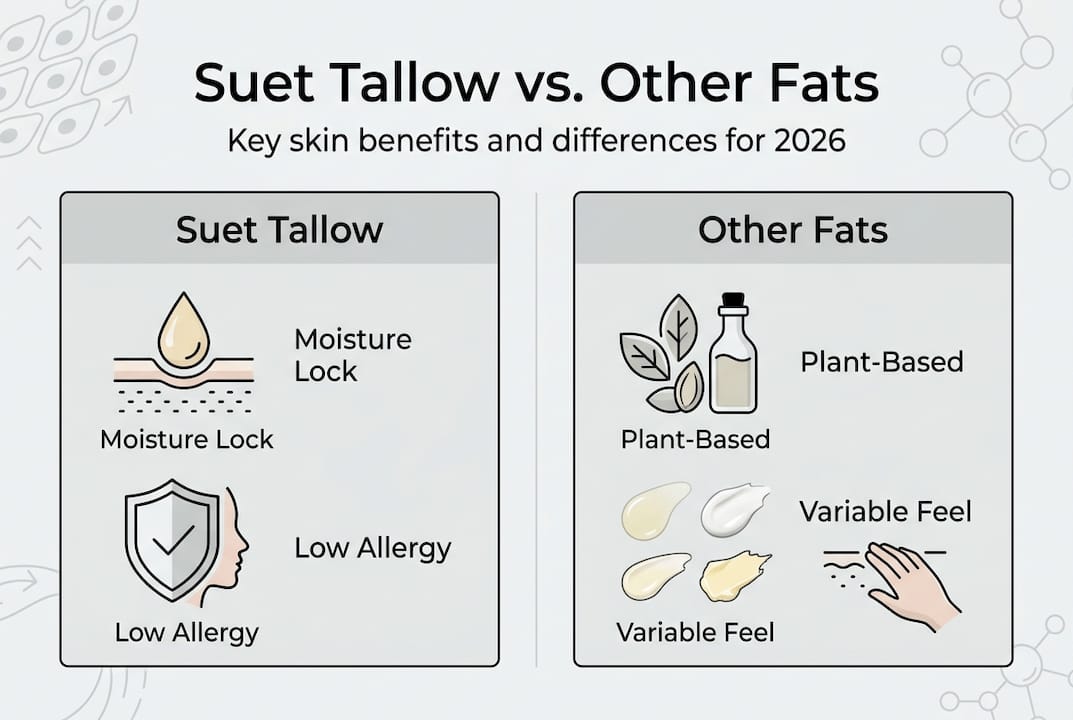
Suet tallow provides higher skin moisture retention and is less comedogenic than many common plant-based oils, making it suitable even for those prone to breakouts. The comedogenic rating of 2 means it’s unlikely to clog pores, unlike coconut oil which rates a 4 and frequently causes congestion in facial skin.
The fatty acid composition explains why suet tallow outperforms other options for skin barrier support. It contains approximately 50% saturated fats, 40% monounsaturated fats, and 10% polyunsaturated fats. This ratio closely matches the lipid composition of healthy human skin. When your skin barrier is compromised by weather, harsh products, or skin conditions, suet tallow provides the exact building blocks needed for repair.
Advantages of suet tallow over other skincare fats:
- Contains multiple fat-soluble vitamins rather than just one or two
- Offers superior long-term hydration due to its lipid structure
- Works effectively in both cold and warm climates
- Requires no additional preservatives due to natural stability
- Suits sensitive skin better than most plant oils
- Provides anti-inflammatory benefits not found in many alternatives
Potential limitations to consider:
- Vegan or vegetarian individuals may prefer plant-based options
- The texture feels richer than lightweight oils, which some people dislike
- Sourcing quality suet tallow requires more research than buying common oils
- Initial cost per ounce may be higher than mass-market plant oils
For those with sensitive skin, the low allergy risk of suet tallow stands out. Plant oils, even beneficial ones, can trigger reactions in some people. Nut-based oils pose obvious risks for those with allergies. Essential oils frequently added to plant-based products cause sensitivity. Suet tallow in its pure form contains none of these common irritants, making it a safer choice for reactive skin.
The feel of suet tallow on skin surprises many first-time users. Despite being an animal fat, it absorbs more readily than thick plant butters. The rich texture melts at body temperature, allowing it to spread easily and penetrate quickly. You’re left with soft, nourished skin rather than a greasy film. This makes it practical for daily use on face, hands, and body without the heavy feeling associated with some natural moisturizers.
Incorporating beef suet into your natural skincare routine
Starting with suet tallow skincare requires attention to product quality and proper usage techniques. Not all tallow products deliver the same benefits, so knowing what to look for protects your investment and your skin. The right approach maximizes the natural advantages while avoiding common pitfalls.
Follow these steps to choose authentic suet tallow skincare:
- Verify the product specifically states it’s made from beef suet, not just general beef tallow or fat
- Check for grass-fed or pasture-raised sourcing, which increases nutrient content
- Look for minimal ingredient lists with recognizable components
- Confirm the product is free from synthetic fragrances, preservatives, and fillers
- Research the brand’s rendering process, cold or low-heat methods preserve more nutrients
- Read reviews focusing on texture, absorption, and results for your specific skin concerns
Integrating suet tallow into your daily routine works best when you understand how it functions. For morning use, apply a small amount to damp skin after cleansing. The moisture helps the tallow spread and absorb more efficiently. At night, you can use a slightly heavier application since your skin repairs itself during sleep. The vitamins and fatty acids work overnight to restore and nourish.
For targeted healing, suet tallow excels at addressing problem areas. Apply it to dry patches, rough elbows, cracked heels, or irritated skin. The anti-inflammatory properties calm redness while the emollient qualities create a protective barrier. Many people find it effective for managing eczema, psoriasis, and dermatitis when conventional products fail.
Proper storage and product choice are key to preserving the potency of beef suet skincare products. Keep your tallow in a cool, dark place away from direct sunlight and heat sources. Light and heat accelerate oxidation, which degrades the beneficial fatty acids and vitamins. An airtight container prevents exposure to oxygen, the primary culprit in rancidity.
Pro Tip: If your tallow develops an off smell or changes color significantly, it has likely oxidized and lost potency. Quality suet tallow should have a mild, clean scent and maintain a creamy white to pale yellow color. Discard any product showing signs of rancidity, as oxidized fats can irritate skin rather than nourish it.
Complementary practices enhance the benefits of suet tallow:
- Exfoliate gently before application to remove dead skin cells and improve absorption
- Use tallow after showering when pores are open and skin is slightly damp
- Pair with hydrating serums or facial mists for extra moisture
- Apply to pulse points where skin is thinner for faster nutrient delivery
- Massage in circular motions to stimulate circulation and aid absorption
- Layer with sunscreen during the day, tallow alone doesn’t provide UV protection
When selecting products, pay attention to additional ingredients that complement suet tallow. High-quality formulations might include beeswax for added protection, vitamin E oil for enhanced antioxidant benefits, or essential oils for therapeutic properties. However, simpler is often better. Pure suet tallow delivers remarkable results without requiring a long ingredient list.
For those new to tallow skincare storage tips, start with a small amount to test how your skin responds. Most people experience immediate improvements in hydration and texture, but everyone’s skin is unique. Give your skin two weeks to adjust before deciding if suet tallow works for your needs. The natural compatibility with human skin means most people see positive results quickly.
Be cautious of products claiming to be suet tallow but listing numerous synthetic ingredients or using terms like “tallow blend” without specifying percentages. These formulations dilute the benefits and may include fillers that compromise effectiveness. Authentic suet tallow products from reputable sources provide transparency about sourcing, processing, and ingredients. Taking time to research ensures you get the genuine article rather than a substandard imitation.
Consider checking safe tallow skincare selection guidelines to make informed purchasing decisions. The right product transforms your skincare routine from a chore into a nourishing ritual that your skin genuinely benefits from.
Explore quality beef suet tallow skincare products
Now that you understand why beef suet creates superior tallow for skincare, finding products that deliver on these promises matters. Moose’s Tallow specializes in crafting skincare from genuine beef suet, not generic beef fat. Every batch starts with carefully sourced suet that’s gently rendered to preserve the vitamins, fatty acids, and nutrients your skin craves.

Our approach keeps formulations simple and intentional. We blend suet tallow with complementary natural ingredients that enhance rather than mask its benefits. No synthetic fillers, no harsh chemicals, just honest skincare that works with your skin’s biology. Whether you’re dealing with dryness, sensitivity, or simply want to nourish your skin naturally, our beef suet tallow skincare products offer the quality and purity you’ve been learning about. Experience the difference that true suet-based tallow makes in your daily skincare ritual.
Frequently asked questions
What is the difference between beef suet and beef tallow?
Beef suet is the raw, hard fat found around the kidneys and organs of cattle before any processing occurs. Tallow is the rendered form of beef fat, created by heating and purifying the raw fat. While tallow can come from various parts of the animal, suet specifically refers to kidney fat, which produces the highest quality tallow for skincare due to its purity and nutrient density.
Can beef suet tallow help with dry or sensitive skin?
Yes, suet tallow excels at addressing both dryness and sensitivity. The fatty acids and vitamins it contains penetrate deeply to hydrate and repair the skin barrier. Its composition closely resembles human sebum, making it naturally compatible and less likely to cause irritation compared to synthetic products or even some plant oils. Many people with eczema, psoriasis, and reactive skin find relief using suet-based tallow.
How should I store beef suet skincare products to maintain quality?
Store your suet tallow products in cool, dark locations away from direct sunlight and heat sources. Keep containers tightly sealed to prevent oxygen exposure, which causes oxidation and rancidity. Properly stored suet tallow maintains its potency for months. For more detailed guidance on preserving your products, check out tips on storing tallow skincare products.
Is beef suet tallow suitable for all skin types?
Beef suet tallow works well for most skin types, including dry, normal, combination, and even acne-prone skin. Its low comedogenic rating means it’s unlikely to clog pores. However, those with extremely oily skin might prefer using it sparingly or only on dry areas. The key is starting with a small amount and adjusting based on how your skin responds. Most people find it absorbs well without leaving a greasy residue.
Why is suet considered better than other beef fats for skincare?
Suet’s location around the kidneys means it’s exceptionally pure and dense compared to fat from other areas of the animal. It contains higher concentrations of beneficial nutrients and has fewer impurities or connective tissue. This purity translates to tallow that’s more stable, nutrient-rich, and effective for skincare applications. The limited quantity of true suet per animal, just 10 to 15 pounds, makes it a premium ingredient worth seeking out.
Can you cook with beef suet?
Yes. Suet is a classic cooking fat. It is used in puddings, mincemeat, and pastry, and it can be rendered for frying. The rendered form, called tallow, is the same fat we use for skin.
Is beef suet the same as tallow?
No, but they are closely linked. Suet is the raw fat from around the kidneys. Tallow is what you get after you melt and strain that suet. Suet is the ingredient, and tallow is the finished fat.
Recommended
- What is beef tallow: natural skincare benefits for 2026 – Moose’s Tallow
- Nourishing skincare with beef tallow: benefits explained – Moose’s Tallow
- Tallow product checklist 2026: Choose safe natural skincare – Moose’s Tallow
- Best tallow lotion uses for 25% better skin hydration in 2026 – Moose’s Tallow


0 comments