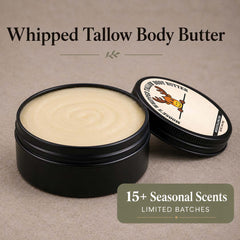
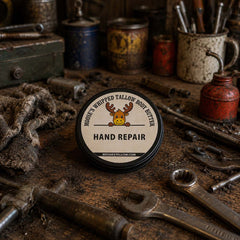
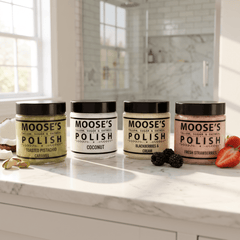
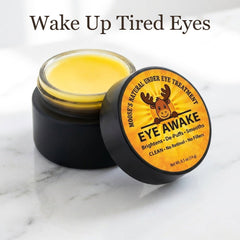


Tallow vs plant oils: which hydrates skin better? Tallow mirrors your skin’s own oils. That helps it absorb and support the skin barrier. Many plant oils sit on top or oxidize faster. Fractionated coconut oil is a stable exception we use as a carrier. Tallow needs no water or fillers.
You want the best natural moisturizer for your skin, but choosing between tallow and plant oils feels overwhelming. Both promise hydration and healing, yet their differences in absorption, compatibility, and feel can shape your results. This article breaks down the qualities, benefits, and practical considerations so you can confidently select the moisturizer that truly supports your skin’s health naturally.
Table of Contents
- How to Choose Between Tallow and Plant Oils for Skin Care
- Understanding the Biochemical Compatibility with Skin
- Moisturizing Efficacy and Skin Absorption
- Impact on Skin Sensitivity and Healing
- Sustainability and Ethical Sourcing Considerations
- Summary Comparison: Which Moisturizer Fits Your Skin Needs?
- Situational Recommendations for Choosing Your Natural Moisturizer
- Explore Moose’s Tallow for Natural Skincare Solutions
- Frequently Asked Questions
Key Takeaways
| Point | Details |
|---|---|
| Tallow mimics skin sebum | Its fatty-acid profile is similar to skin’s own oils, which is why many people find it deeply hydrating and easy to absorb. |
| Absorption and texture matter | Tallow tends to absorb well with minimal greasy residue, while many plant oils can leave a surface film. |
| Vitamin content drives nourishment | Tallow is naturally rich in fat-soluble vitamins A, D, E, and K; most plant oils offer primarily vitamin E. |
| Sensitivity varies by type | Tallow is generally considered low on the comedogenic scale; some plant oils like coconut may clog pores or irritate. |
| Sustainability favors tallow | Tallow uses meat-industry byproducts, reducing waste compared to some plant oils linked to deforestation. |
How to Choose Between Tallow and Plant Oils for Skin Care
Selecting the right natural moisturizer means weighing a few important factors. Your skin’s unique needs should guide your decision, not just marketing claims or trends.
Skin barrier compatibility tops the list. You want ingredients that work with your skin’s natural structure, not against it. Moisturizing feel and absorption help determine whether a product delivers lasting hydration or just sits on the surface.
Consider your skin sensitivity carefully. Some ingredients can trigger irritation or breakouts, while others soothe and comfort. Nourishing benefits matter too, especially if you deal with dryness, eczema-prone skin, or aging concerns.
Texture and residue influence daily comfort. Nobody wants to feel greasy or sticky hours after application. Environmental and ethical sourcing may also shape your choice if sustainability matters to you.
Key decision criteria include:
- Fatty acid profile and compatibility with skin sebum
- Vitamin content supporting skin repair and protection
- Absorption speed and residue levels after application
- Comedogenicity and irritation potential
- Sustainability and ethical production practices
Pro Tip: Always patch test new products on a small area before full application. Even natural ingredients can surprise you with unexpected reactions or textures.
When you choose tallow moisturizer naturally, you’re making an informed decision based on your skin’s biology, not just ingredient trends.
Understanding the Biochemical Compatibility with Skin
Your skin produces sebum, a natural oil that protects and moisturizes. The closer a moisturizer matches this sebum, the better it tends to integrate with your skin’s barrier.
Tallow’s fatty-acid profile is similar to human skin sebum, which supports its compatibility. It is rich in saturated fats, including palmitic and stearic acids that mirror your skin’s natural lipids. This similarity is part of why tallow tends to absorb so effectively.

Plant oils take a different approach. Common plant oils like jojoba have different ester profiles that affect how they support the skin barrier. Many plant oils are higher in monounsaturated fats that provide surface occlusion but lack the close structural match to sebum that tallow offers.
Vitamin content separates these options further. Tallow is naturally rich in fat-soluble vitamins A, D, E, and K. These vitamins are traditionally valued for supporting skin and helping protect against environmental stress. Plant oils typically provide vitamin E, with some exceptions like rosehip offering vitamin C.
This nutritional difference matters for skin health:
- Vitamin A is associated with skin renewal
- Vitamin D supports overall skin health
- Vitamin E is a well-known antioxidant
- Vitamin K is traditionally linked to skin comfort
The similarity between tallow and skin sebum supports easy absorption and barrier compatibility. Your skin recognizes tallow as familiar, which many people find allows comfortable, effective moisturization. Plant oils work differently, offering benefits but without the same structural similarity.
For those seeking tallow for dry skin relief, this compatibility often translates into noticeable comfort.
Moisturizing Efficacy and Skin Absorption
How well a moisturizer hydrates and how quickly it absorbs determine its real-world performance.
Many people find tallow deeply hydrating, helping the skin hold onto moisture and feel comfortable. Tallow’s sebum-like fats are part of why it tends to absorb well rather than simply sitting on the surface.
Tallow tends to absorb readily into skin with minimal greasy residue. Users consistently report a light, comfortable feel soon after application. Plant oils provide surface occlusion but often leave noticeable residue. Coconut oil, for example, creates a barrier but can feel heavy or greasy for hours.
Texture and user experience vary noticeably:
| Moisturizer Type | Hydration Feel | Absorption | Greasiness |
|---|---|---|---|
| Tallow | Deeply hydrating | Fast | Low |
| Jojoba Oil | Light hydration | Moderate | Moderate |
| Coconut Oil | Occlusive | Slow | High |
For many people, tallow offers a clear advantage in both feel and comfort. You get deep hydration without the sticky aftermath that can come with heavier plant oils.
User reports favor tallow for daily moisturizing. People describe skin that feels nourished but not coated, hydrated but not oily. This balance makes tallow practical for face, hands, and body without worrying about transfer to clothing or discomfort.
Pro Tip: Layer tallow with lightweight carrier oils like fractionated coconut for enhanced texture if you want extra glide during application. The tallow does the heavy lifting for hydration while the oil improves spreadability.
For consistent dry skin relief with tallow, the combination of comfort and nourishment is hard to beat.
Impact on Skin Sensitivity and Healing
Sensitive skin calls for careful ingredient selection. What soothes one person may irritate another, but some patterns are widely observed.
Certain plant oils like coconut oil rate higher on the comedogenic scale, meaning they may be more likely to clog pores and trigger breakouts for some people. Olive oil can also carry irritation risk for sensitive skin types. These oils work well for some but create problems for others.
Tallow is generally considered low in irritation and comedogenic risk compared with more problematic plant oils. Many people with eczema-prone, rosacea-prone, and sensitive skin find tallow-based products gentle. Its similarity to skin’s own oils may help reduce reactivity.
Tallow is also valued for its nourishing fats and vitamins. Tallow naturally contains vitamins A, D, E, and K, which are traditionally associated with skin comfort and resilience. Many people find these nutrients help soothe and support the look of stressed skin.
Plant oils offer different benefits:
- Argan oil provides antioxidant support through vitamin E
- Rosehip oil delivers vitamin C, often used for brightening
- Jojoba oil mimics sebum structure but lacks fat-soluble vitamin diversity
The vitamin profile in tallow supports overall skin nourishment. Vitamin A is associated with skin renewal, vitamin D with skin health, vitamin E with antioxidant protection, and vitamin K with skin comfort. Plant oils typically excel in one or two areas but lack this full spectrum.
For those with dry or compromised skin barriers, choosing a gentle moisturizer can help prevent flare-ups and support comfort. Tallow’s saturated fats are well suited to replenishing the skin’s lipid barrier.
If you need tallow for sensitive skin, the gentle profile combined with nourishing vitamins makes an ideal foundation. Consider a tallow routine for sensitive skin to build these benefits systematically.
Sustainability and Ethical Sourcing Considerations
Your skincare choices impact more than your skin. Environmental and ethical factors matter to many health-conscious consumers.
Tallow uses animal fat leftover from meat production, reducing overall waste. Rather than discarding these fats, rendering them for skincare creates value from byproducts. This circular approach minimizes waste in the food system.
As a byproduct of cattle farming, tallow makes use of what would otherwise be waste, while some plant oils are linked to deforestation and other environmental concerns. Palm oil production, for instance, has been associated with habitat destruction in Southeast Asia. Some tropical oils carry similar concerns about land use and biodiversity.
Sustainable sourcing practices vary widely among plant oils. Responsibly grown jojoba, argan, and rosehip oils exist, but verification requires research. Certifications help, but not all producers pursue them.
Key sustainability considerations:
- Tallow reduces waste by using meat-industry byproducts
- Some plant oils are linked to deforestation, habitat loss, and monoculture farming
- Water usage for plant oil cultivation can strain local resources
- Transportation footprints vary based on ingredient origin
Ethical sourcing extends beyond environmental impact. Labor practices, fair wages, and community benefit matter too. Small-scale tallow producers often source locally, supporting regional agriculture. Large-scale plant oil production sometimes involves difficult labor conditions.
Choosing responsibly sourced tallow supports circular-economy principles. You’re using a resource that would otherwise go to waste while avoiding the land-use conflicts associated with some plant agriculture.
For those exploring benefits of tallow skincare, sustainability adds another layer of value. Understanding tallow skincare myths helps separate environmental facts from misconceptions.
Summary Comparison: Which Moisturizer Fits Your Skin Needs?
A side-by-side comparison clarifies the trade-offs between tallow and popular plant oils.
| Factor | Tallow | Jojoba Oil | Coconut Oil |
|---|---|---|---|
| Hydration Feel | Deeply hydrating | Light hydration | Occlusive |
| Absorption Speed | Fast | Moderate | Slow |
| Residue Level | Low | Moderate | High |
| Vitamin Content | A, D, E, K | E | E |
| Comedogenicity | Low | Low | High |
| Sustainability | Byproduct use | Moderate | Variable |
Tallow shines across multiple dimensions. Many people find it deeply hydrating, quick to absorb, low in residue, and rich in a full spectrum of skin-supporting vitamins. Its low comedogenicity makes it suitable for sensitive and acne-prone skin.
Plant oils offer niche benefits but vary widely in performance:
- Jojoba oil mimics sebum structure but lacks vitamin diversity
- Coconut oil provides antimicrobial properties but risks pore clogging
- Argan oil delivers antioxidants but absorbs slowly
- Rosehip oil supports brightening but may oxidize quickly
Best use cases help match products to needs. For very dry skin that needs deep barrier support, tallow’s rich fats and vitamin profile are ideal. For sensitive or eczema-prone skin, tallow’s gentle profile helps reduce flare-up potential.
If you want lightweight daily moisturizing without greasiness, tallow again leads. Its quick absorption and comfortable feel suit face and body application without sticky residue.
Plant oils work best for targeted purposes. Use rosehip for vitamin C brightening, argan for antioxidant protection, or jojoba for sebum regulation. Layer them with tallow for comprehensive benefits, letting tallow handle hydration while plant oils address specific concerns.
Guidance for selection:
- Dry, cracked, or mature skin: Choose tallow for deep hydration and barrier support
- Sensitive or reactive skin: Select tallow to minimize irritation while supporting comfort
- Oily or acne-prone skin: Use tallow but avoid heavy plant oils like coconut
- Targeted anti-aging: Combine tallow with rosehip or argan for layered benefits
Understanding how to choose tallow moisturizer naturally empowers you to match your specific skin profile with the right product.
Situational Recommendations for Choosing Your Natural Moisturizer
Applying this knowledge to real situations helps you make confident decisions. Here are targeted recommendations based on common skin conditions and goals.
-
For very dry and cracked skin, use tallow-based moisturizers for deep hydration and barrier support. Many people find tallow especially comforting for dry, cracked skin. The saturated fatty acids help replenish the lipid barrier, while vitamins A and D support skin comfort. Apply immediately after bathing when skin is slightly damp for maximum absorption.
-
For sensitive or eczema-prone skin, choose gentle tallow formulas to reduce irritation risks. The low comedogenic profile and nourishing vitamins help soothe reactive skin without triggering flare-ups. Avoid fragranced products and stick with pure or minimally scented options.
-
If you want lightweight, fast-absorbing daily care, tallow offers minimal greasiness and good nourishment. Use a thin layer on face and body after cleansing. The quick absorption lets you dress soon after without transfer concerns. This works well for morning routines when time matters.
-
Some plant oils suit targeted anti-aging but lack the full barrier support of tallow. Layer rosehip oil over tallow at night for vitamin C brightening, or add argan oil for extra antioxidant protection. Let tallow provide the foundation while plant oils address specific aging concerns.
Pro Tip: Patch test new products on your inner forearm for 24 hours before facial application. Layer tallow with gentle plant oils for customized skincare, adjusting ratios based on seasonal needs and skin response.
For practical application, start with tallow for dry skin as your base moisturizer. Add targeted plant oils only after confirming tallow compatibility. This approach builds from a solid foundation rather than experimenting with multiple variables at once.
If sensitivity concerns you, explore tallow for sensitive skin applications specifically. Many people find tallow a gentle starting point compared with some popular plant oils, especially coconut and olive.
Explore Moose’s Tallow for Natural Skincare Solutions
Now that you understand the qualities and benefits, it’s time to experience quality tallow skincare firsthand. Moose’s Tallow crafts premium natural products designed for deep hydration and skin barrier support using thoughtfully rendered, grass-fed beef tallow rich in vitamins A, D, E, and K.
Explore our featured beef tallow items to discover small-batch formulas that absorb well without greasy residue. Whether you need tallow for dry skin relief or want to learn more about the benefits of tallow skincare, we provide both products and education to support your natural skincare journey with ingredients trusted for their nourishing and moisturizing qualities.
Frequently Asked Questions
What skin types benefit most from tallow moisturizers?
Dry, sensitive, mature, and eczema-prone skin types tend to gain the most from tallow’s deep hydration and barrier support. The low comedogenic profile also suits normal and combination skin without clogging pores.
Can plant oils cause breakouts or irritation?
Yes, certain plant oils like coconut and olive rate higher on the comedogenic scale and can clog pores or trigger breakouts for some people. Some individuals also experience contact irritation from plant oils, especially those with fragrance compounds or unstable fatty acids that oxidize.
How quickly does tallow absorb compared to typical plant oils?
Tallow tends to absorb quickly with minimal residue, while many plant oils take longer and leave a film. Its similarity to skin sebum helps tallow penetrate rather than sitting on the surface.
Is tallow suitable for daily facial use?
Absolutely. Tallow’s easy absorption, low irritation profile, and vitamin-rich composition make it well suited to daily facial application. Use a thin layer morning and night for consistent hydration without greasiness.
Are there sustainability concerns using animal fats in skincare?
Tallow actually supports sustainability by using meat-industry byproducts that would otherwise go to waste. This circular approach reduces waste compared with some plant oils linked to deforestation and habitat destruction.


0 comments