

En resumen:
- Los aceites hidratantes sellan la humedad que ya tienes y conviene aplicarlos sobre la piel húmeda para una hidratación óptima.
- Elegir aceites estables y de buena absorción como la jojoba, el coco fraccionado y el sebo asegura una nutrición de la piel eficaz y duradera.
No todos los aceites son para tu piel. Con tantos frascos en los estantes de las tiendas y por todas las redes sociales, elegir los correctos de una buena lista de aceites hidratantes es más que adivinar. La verdad es que los aceites no le agregan agua a tu piel. Sellan la humedad que ya está ahí. Esa diferencia lo cambia todo en la forma de comprarlos y de aplicarlos. Esta guía cubre los mejores aceites hidratantes que vale la pena conocer, qué hace especial a cada uno y cómo usarlos sin gastar dinero en ingredientes que no cumplen.
Puntos clave
| Punto | Detalles |
|---|---|
| Los aceites sellan, no hidratan | Aplica los aceites sobre la piel húmeda para retener la humedad, no solo sobre la piel seca. |
| La jojoba va bien con todos los tipos de piel | La jojoba imita el sebo humano y no tapa los poros, así que es segura para todos. |
| El coco fraccionado es el mejor aceite portador | Ofrece una estabilidad superior, fácil absorción y una larga vida útil. |
| Menos es más | Empezar con dos o tres aceites bien elegidos cubre la mayoría de las necesidades de la piel de forma eficaz. |
| La estabilidad importa para la vida útil | Elegir aceites resistentes a la oxidación reduce el desperdicio y baja el riesgo de irritación de la piel. |
Cómo evaluar los aceites hidratantes antes de comprar
Entender qué separa un buen aceite de uno excelente te ahorra mucho ensayo y error.
Lo primero que debes saber: los aceites son emolientes y selladores, no humectantes. No atraen agua hacia la piel. La atrapan. Eso significa que aplicar aceite solo sobre la piel seca no te dará la hidratación profunda que buscas.
Esto es lo que debes buscar al evaluar tus opciones:
- Velocidad de absorción: Los aceites ligeros se absorben rápido y se sienten limpios en la piel. Los más pesados tardan más y funcionan mejor para zonas muy secas o para usar de noche.
- Índice comedogénico: Los aceites no comedogénicos no tapan los poros. Esto importa sobre todo en la piel grasa o propensa al acné.
- Resistencia a la oxidación: Los aceites que se ponen rancios rápido pueden irritar la piel y oler mal. La estabilidad es una verdadera señal de calidad.
- Transparencia en los ingredientes: Saber exactamente qué lleva un producto y por qué es la base de la confianza.
- Respeto por el medio ambiente: Los aceites de origen responsable y con poco procesamiento van de la mano con un cuidado de la piel consciente.
Consejo: Fíjate si un aceite tiene tocoferoles (vitamina E) añadidos. Los tocoferoles alargan la vida útil y protegen el aceite de la oxidación, lo que beneficia tanto al producto como a tu piel.
1. Aceite de jojoba
La jojoba es técnicamente una cera líquida, no un aceite. Eso es lo que la hace única. Imita el sebo humano más de cerca que cualquier otro ingrediente de origen vegetal, por eso funciona bien en todos los tipos de piel, incluida la grasa y la sensible.
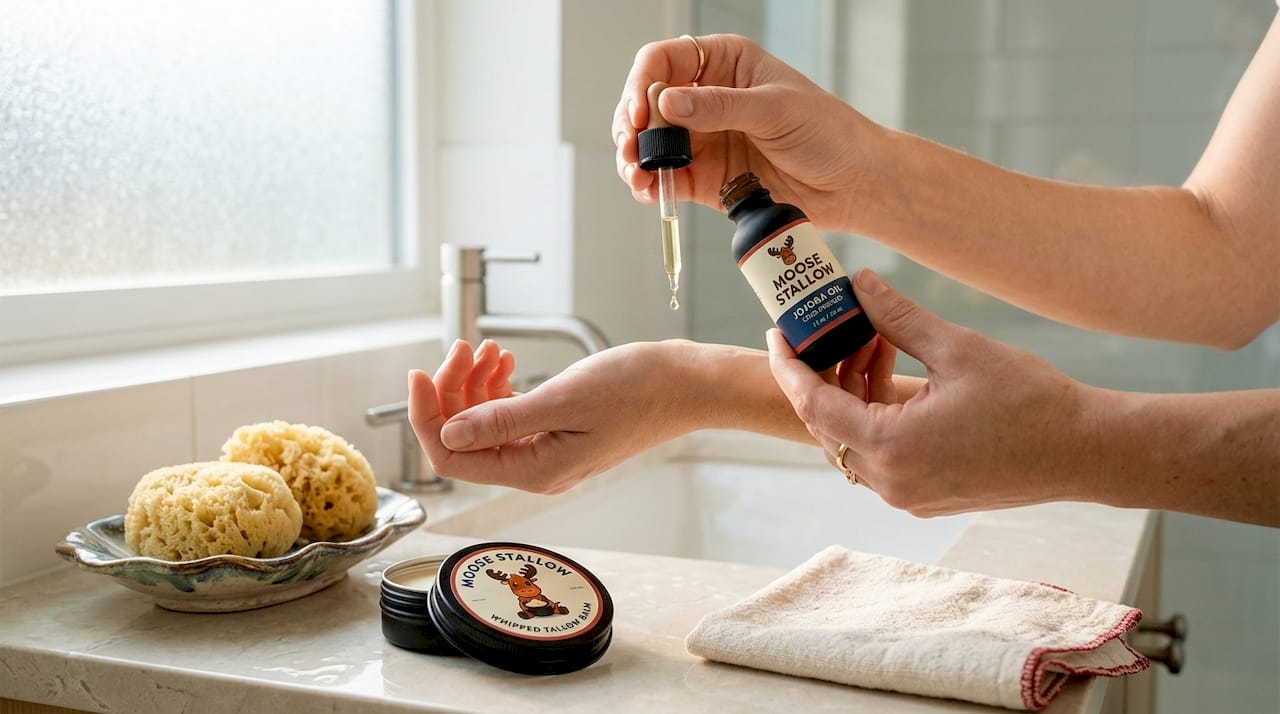
Se absorbe rápido, no deja residuo grasoso y tiene un índice comedogénico bajo. Si es tu primera vez con los aceites faciales, la jojoba es el punto de partida más seguro. Es de esos ingredientes que se ganan su lugar sin pedir mucho a cambio.
2. Aceite de coco fraccionado
El aceite de coco fraccionado es distinto del aceite de coco normal. El proceso de fraccionado elimina los ácidos grasos de cadena larga y deja un aceite ligero y sin olor que se mantiene estable mucho más tiempo que la mayoría de los aceites vegetales.
Se absorbe con facilidad, resiste la oxidación y se mezcla bien con otros ingredientes. Por eso es el aceite portador preferido para las mezclas de aceites hidratantes. No se pone rancio en tu estante y no se siente pesado en la piel. Para el uso diario y las fórmulas con varios ingredientes, es difícil de superar.
3. Aceite de ricino
El aceite de ricino es espeso, rico y para usar con intención. No es algo que te untes por toda la cara. Más bien funciona mejor en zonas muy secas: talones agrietados, codos ásperos, parches muy secos o labios.
Su alto contenido de ácido ricinoleico le da fuertes propiedades oclusivas, es decir, crea una capa protectora que retiene la humedad durante horas. Úsalo en pequeñas cantidades, mezclado con un aceite portador más ligero para equilibrar la textura.
4. Aceite infusionado con yema de huevo
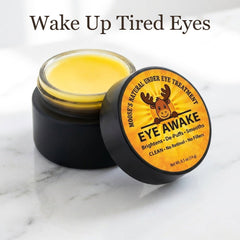
Este sorprende a la gente. El aceite infusionado con yema de huevo lleva vitaminas A, D y E directamente a la piel. Estos nutrientes ayudan a reparar la barrera y a que la piel se recupere de la sequedad o el daño con el tiempo.
Es un ingrediente nutritivo y denso en nutrientes que funciona muy bien en la piel comprometida o sensible. Moosestallow lo usa a propósito porque cada ingrediente necesita una razón clara para estar ahí. El aceite infusionado con yema de huevo se gana su lugar haciendo un trabajo real en la barrera de la piel.
5. Cera de abeja
La cera de abeja no es un aceite hidratante, pero merece estar en esta lista porque trabaja junto a los aceites para retener todo lo que te aplicaste. Forma una capa protectora y transpirable sobre la piel sin tapar los poros.
Combinada con aceites como la jojoba o el coco fraccionado, la cera de abeja hace que la hidratación dure más. Es un ingrediente de apoyo, pero eficaz. Piénsalo como el ingrediente que ayuda a que todo lo demás haga su trabajo por más tiempo.
6. Tocoferoles (vitamina E)
Los tocoferoles son antioxidantes. Protegen a los demás aceites de una fórmula de la oxidación, lo que alarga la vida útil y mantiene el producto en su mejor forma.
Para tu piel, la vitamina E cuida la barrera y ayuda a calmar la inflamación. La cera de abeja y los tocoferoles juntos actúan como estabilizadores naturales, por eso los encuentras a ambos en productos bien formulados. No son las estrellas del espectáculo. Protegen a las que sí lo son.
7. Sebo de res
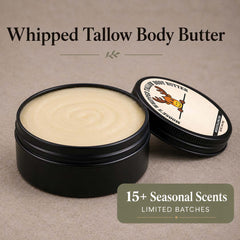
El sebo merece su propia sección. El sebo de res fundido contiene ácidos grasos muy parecidos a los que se encuentran en la piel humana. Esa compatibilidad hace que se absorba bien y cuide la barrera de la piel sin quedarse sobre ella.
Es uno de los ingredientes hidratantes más antiguos que se conocen, y Moosestallow construye cada producto en torno a él por una buena razón. Hidrata en profundidad, cuida la función de la barrera y se absorbe sin dejar sensación grasosa. El sebo es la base. Todo lo demás trabaja con él.
Comparación rápida de los aceites hidratantes
Esta tabla te da una referencia rápida para elegir el aceite adecuado según el tipo de piel, la velocidad de absorción y la riqueza.
| Aceite | Velocidad de absorción | Ideal para | Riesgo comedogénico | Nivel de riqueza |
|---|---|---|---|---|
| Jojoba | Rápida | Todos los tipos de piel | Muy bajo | Ligera |
| Coco fraccionado | Rápida | Todos los tipos de piel, mezclas | Bajo | Ligera a media |
| Ricino | Lenta | Zonas secas, uso puntual | Bajo (en pequeñas cantidades) | Pesada |
| Infusionado con yema de huevo | Media | Piel sensible o con la barrera dañada | Bajo | Media |
| Cera de abeja | N/D (oclusiva) | Sellado y protección | Muy bajo | N/D |
| Tocoferoles | Rápida | Todos los tipos como ingrediente de apoyo | Muy bajo | Ligera |
| Sebo de res | Media | Piel seca, sensible, nutrición para todo el cuerpo | Bajo | Media a rica |
Los aceites más ligeros como la jojoba y el coco fraccionado funcionan bien para el uso diario en la cara. Los más ricos como el ricino y el sebo van mejor para el cuerpo, las manos o las zonas muy secas. Mezclar un aceite más pesado con coco fraccionado reduce la textura espesa y conserva los beneficios nutritivos.
Cómo usar los aceites hidratantes de forma eficaz
Sacar el máximo provecho de los aceites para nutrir la piel se reduce al momento y a cómo los combinas por capas.
- Aplica sobre la piel húmeda. Justo después de limpiarla, cuando la piel todavía está un poco mojada, es el mejor momento. Aplicar los aceites sobre la piel húmeda atrapa la humedad que queda y aprovecha al máximo el efecto barrera.
- Usa aceites más ligeros en la piel grasa o propensa al acné. La jojoba y el coco fraccionado se absorben rápido y no congestionan los poros.
- Usa aceites más ricos para la piel seca. El sebo, el ricino (mezclado) y las opciones infusionadas con yema de huevo son más adecuados como aceites hidratantes para la piel seca.
- No te excedas con los aceites más pesados. Con poca cantidad basta. Más no significa más hidratación. A menudo significa más acumulación.
- Empieza con dos o tres aceites. Empezar con jojoba y coco fraccionado cubre la mayoría de las necesidades de la piel sin complicar tu rutina.
Consejo: Si un aceite se siente grasoso después de unos minutos, seguramente usaste demasiado o lo aplicaste sobre la piel seca. Reduce la cantidad a la mitad y aplicalo justo después de secar la piel con toques suaves.
Los problemas comunes como los brotes o la sensación grasosa suelen deberse a la forma de aplicación, no al aceite en sí. Ajusta el momento y la cantidad antes de descartar un ingrediente.
Mi opinión honesta sobre elegir los aceites correctos
He pasado mucho tiempo trabajando con ingredientes naturales, y el patrón al que siempre vuelvo es este: lo simple le gana a lo complejo siempre.
La gente llega a nosotros abrumada por listas de diez o quince aceites que “debería” usar. En mi experiencia, dos o tres aceites estables y bien elegidos hacen más que un cajón lleno de los que están de moda. La jojoba y el coco fraccionado cubren muchas necesidades. Suma el sebo como base y tendrás una rutina de verdad nutritiva y sin ruido.
También he notado que muchos aceites populares que la gente elige primero, como algunos de los aceites vegetales más frágiles, se oxidan rápido. Los aceites rancios no solo huelen mal. Pueden irritar la misma barrera de la piel que debían cuidar. La estabilidad no es un extra. Es lo esencial.
La rutina de cuidado natural de la piel que le recomendaría a cualquiera es simple: empieza con lo mínimo, usa ingredientes de calidad y suma más solo si lo necesitas. Tu piel te dirá cuándo algo está funcionando.
Brian
Productos de Moosestallow creados en torno a estos aceites
En Moosestallow no agregamos ingredientes solo para alargar la etiqueta. Cada producto empieza con sebo de res local, fundido con cuidado, y se mezcla con aceites en los que confiamos: jojoba, coco fraccionado, ricino y opciones infusionadas con yema de huevo. La cera de abeja y los tocoferoles completan nuestras fórmulas para proteger y prolongar lo que llevan dentro. El resultado es un cuidado de la piel honesto y eficaz que se siente bien al usarlo y en el que es fácil confiar. Si buscas productos creados con los mismos principios de este artículo, nuestra colección completa es un buen punto de partida.
Preguntas frecuentes
¿Cuál es el mejor aceite para la piel seca?
El sebo de res, el aceite de ricino mezclado con un aceite portador y el aceite infusionado con yema de huevo son buenas opciones para la piel seca. Nutren en profundidad y cuidan la barrera de la piel de forma eficaz.
¿Cómo uso los aceites hidratantes sin sentir la piel grasosa?
Aplica una pequeña cantidad sobre la piel húmeda justo después de limpiarla. Los aceites ligeros como la jojoba y el coco fraccionado se absorben rápido y casi no dejan residuo.
¿Puedo mezclar distintos aceites entre sí?
Sí. El aceite de coco fraccionado es una base excelente para mezclar por su estabilidad y aroma neutro. Añade un aceite más rico como el de ricino en proporciones pequeñas para zonas muy secas.
¿Son los aceites mejores que las cremas hidratantes normales?
Los aceites son mejores para sellar la humedad gracias a sus ácidos grasos, pero funcionan mejor como paso posterior a la hidratación, no como sustituto de ella.
¿Qué aceites son seguros para la piel sensible?
La jojoba y el coco fraccionado son bien tolerados por la mayoría de las pieles sensibles. El aceite infusionado con yema de huevo también ayuda a reparar la barrera con suavidad. Prueba siempre un aceite nuevo en una zona pequeña antes de usarlo por completo.
Recomendados
- Sebo vs aceites vegetales: 22 % más hidratación para tu piel – Moose’s Tallow
- Tipos de hidratantes naturales: las mejores opciones para la piel sensible – Moose’s Tallow
- Hidratantes naturales para la piel sensible: lo que de verdad funciona – Moose’s Tallow
- Los 5 mejores hidratantes de sebo de 2026 – Moose’s Tallow


0 comentarios