

TL;DR:
- Natural moisturizers should have simple, fragrance-free, low comedogenic ingredients suitable for sensitive skin.
- Evidence supports ceramide creams and petrolatum as effective, while tallow lacks strong clinical proof.
- Personalized skincare choices depend on skin type, with caution advised when trying trending ingredients like tallow.
If you have sensitive skin, finding a moisturizer that genuinely soothes without triggering redness, breakouts, or irritation can feel like an impossible task. Online recommendations range from ancient remedies like beef tallow to dermatologist-approved ceramide creams, and the advice often contradicts itself. We wanted to cut through that noise. This guide reviews the most popular natural moisturizing options, looks honestly at the evidence behind each one, and helps you figure out what actually makes sense for your skin.
Key Takeaways
| Point | Details |
|---|---|
| Choose evidence-backed ingredients | Prioritize ceramide creams and petrolatum for proven results with sensitive skin. |
| Tallow carries specific risks | Tallow is not clinically tested and may clog pores or cause allergic reactions in sensitive skin. |
| Check comedogenicity and regulation | Always verify ingredient scores and product oversight to avoid flare-ups. |
| Application technique matters | Apply moisturizers to damp skin and avoid common irritants for best results. |
How to choose natural moisturizers for sensitive skin
Before you spend money on any moisturizer, natural or otherwise, it helps to understand what you’re actually looking for. Not all “natural” products are gentle, and not all gentle products are effective. For sensitive skin specifically, the wrong choice can cause more harm than skipping moisturizer altogether.
Start with ingredients, not marketing. The label might say “clean” or “natural,” but those words have no legal definition in skincare. What actually matters is what’s inside. Look for short, recognizable ingredient lists. The fewer the unknowns, the easier it is to track down what your skin reacts to.
Here are the key qualities to evaluate before buying:
- Fragrance-free formulas. Fragrance, whether synthetic or derived from essential oils, is one of the most common skin irritants. Even natural essential oils can cause contact dermatitis in sensitive individuals.
- Low comedogenic rating. Comedogenicity (a scale from 0 to 5) measures how likely an ingredient is to clog pores. For sensitive skin, aim for ingredients rated 0 to 2.
- Occlusive and humectant pairing. Occlusives (like tallow or petrolatum) lock moisture in. Humectants (like glycerin or hyaluronic acid) draw water to the skin. Using both together delivers better results than either alone.
- No synthetic preservatives or dyes. These are frequent culprits in sensitive skin reactions.
- Third-party testing or regulation compliance. Unregulated products carry real risk. Look for brands that are transparent about their sourcing and testing practices.
You can use our safe natural skincare checklist to evaluate any product before you try it.
Research on moisturizers in inflammatory skin conditions confirms that applying moisturizers to damp skin maximizes absorption by optimizing the synergy between humectants and occlusives, while avoiding irritants like fragrance and essential oils is critical for inflammatory or sensitive skin types.
Pro Tip: Apply your moisturizer within two minutes of stepping out of the shower while your skin is still slightly damp. This dramatically improves how much moisture gets locked in.
Tallow-based moisturizers: Theoretical benefits and evidence gaps
Tallow, rendered beef fat, has seen a massive resurgence on social media as a “ancestral” skincare solution. The reasoning sounds logical at first. Tallow’s fatty acid profile, rich in oleic, palmitic, and stearic acids, does resemble human sebum. Theoretically, this similarity could make it more compatible with skin than many synthetic alternatives.
Here’s where it gets complicated. We believe in honest skincare, and that means being transparent about what the science actually says.
The potential benefits often discussed include:
- Fatty acid compatibility with natural skin lipids
- Occlusive properties that may help retain moisture
- Minimal processing compared to heavily refined commercial creams
- Historical use spanning many generations
But the risks are real and worth knowing:
- Comedogenicity. Tallow carries a comedogenic rating of 2 to 3, meaning it has moderate pore-clogging potential, particularly for acne-prone or oily skin.
- Rancidity risk. Animal fats can go rancid over time, and applying oxidized fat to your skin introduces free radicals that can accelerate aging and irritation.
- Allergic reactions. Some individuals react to animal-derived proteins or contaminants in improperly processed tallow.
- Lack of clinical data. There are no published RCTs on tallow for sensitive skin. Every positive claim traces back to anecdote or social media content, not controlled research.
“Dermatologists caution that tallow may clog pores and cause breakouts, particularly in acne-prone or oily skin. They prefer proven ceramide-based products over tallow for sensitive skin.” Source: Scripps Health
We think tallow has real potential, especially for very dry, non-acne-prone skin. But we also think you deserve to know that tallow vs creams for sensitive skin is a nuanced conversation, not a simple answer. If you’re curious about the broader picture, our overview of beef tallow benefits walks through both the strengths and the honest limitations.
Pro Tip: If you want to try tallow-based skincare, do a patch test on your inner arm for 48 hours before applying to your face. This is especially important if you have reactive or breakout-prone skin.
Alternatives: Ceramide creams, petrolatum, and plant oils
If tallow isn’t the right fit for your skin type, or you simply want products with stronger clinical backing, there are several well-researched alternatives worth considering.

Ceramide creams are among the most studied options for sensitive and compromised skin. Ceramides are lipids that occur naturally in your skin barrier. When the barrier is damaged, as it often is in eczema, rosacea, or chronically dry skin, replenishing ceramides directly supports repair. Ceramide moisturizers improve barrier function in atopic dermatitis, and dermatologists widely recommend them for reactive skin types.
Petrolatum is a deeply unglamorous ingredient, but it’s one of the most effective occlusives available. It forms a physical seal over the skin that dramatically slows water loss. In fact, petrolatum reduces TEWL by 98%, where TEWL stands for transepidermal water loss, the process by which moisture evaporates through skin. No natural alternative currently matches that number.
Plant oils occupy a middle ground. Oils like jojoba, rosehip, and squalane offer hydration and some barrier support, but you need to check their comedogenic ratings carefully. For comparison, see tallow vs plant oils to understand how they stack up on hydration and absorption.
| Moisturizer type | Barrier support | Clinical evidence | Comedogenic risk | Regulation status |
|---|---|---|---|---|
| Ceramide creams | High | Strong (multiple RCTs) | Very low | Regulated |
| Petrolatum | Very high | Strong (98% TEWL reduction) | Very low | Regulated |
| Tallow | Moderate (theoretical) | Weak (anecdote only) | Moderate (2-3) | Unregulated |
| Plant oils | Moderate | Some evidence | Varies widely | Partially regulated |
Key takeaways from this comparison:
- Ceramide creams and petrolatum have the strongest clinical support for sensitive skin
- Plant oils can work well, but you need to research each specific oil
- Tallow’s effectiveness is plausible but unproven at a clinical level
- Regulation and quality control differ significantly across these categories
Situational recommendations: Who should use what?
The right moisturizer depends on your specific skin concerns, not just a general label like “sensitive skin.” Here’s a practical breakdown based on skin type and situation.
-
Severely dry skin without acne history. Petrolatum is your most reliable option for intense moisture lock, especially during flare-ups or harsh winters. Tallow is also worth considering here, given its occlusive nature and fatty acid profile, though tallow for dry skin works best when the skin is neither oily nor acne-prone.
-
Eczema or compromised skin barrier. Ceramide creams are the most evidence-backed choice. They directly replenish what eczema-affected skin is missing and have solid clinical data supporting their use in atopic dermatitis.
-
Sensitive but relatively balanced skin. A combination approach often works best. A ceramide or plant-oil moisturizer during the day, and a slightly heavier occlusive like petrolatum or a well-formulated tallow balm at night, addresses both hydration and barrier protection.
-
Acne-prone or oily skin with sensitivity. Avoid tallow. Its comedogenic rating of 2 to 3, combined with missing RCT-level evidence of safety for this skin type, makes it a risky choice. Opt for lightweight ceramide serums or non-comedogenic plant oils like squalane.
-
Skin with known allergies. Patch test everything. Both plant oils and animal-derived fats carry allergy potential. Fragrance-free ceramide products tend to have the lowest overall allergen load.
If you want guidance tailored to tallow products specifically, our guide on choosing tallow moisturizer helps you evaluate quality markers and application strategies.
| Skin type | Best moisturizer | Use with caution | Avoid |
|---|---|---|---|
| Very dry, non-acne-prone | Petrolatum, tallow | Plant oils | High-fragrance products |
| Eczema, compromised barrier | Ceramide creams | Petrolatum | Tallow, essential oils |
| Oily or acne-prone | Lightweight ceramides, squalane | Low-comedogenic plant oils | Tallow, heavy occlusives |
| Balanced but reactive | Ceramide or plant oil blend | Tallow (patch test first) | Fragrance, parabens |
Why evidence matters more than Instagram hype
Here’s my honest take. We make tallow-based products, and I believe in them. But I also believe you deserve the full picture. Tallow is trending right now because it sounds ancestral and pure, and there’s something genuinely appealing about that. The problem is that trending does not equal proven.
Social media claims about tallow consistently outpace the science behind them. And when someone with already-compromised sensitive skin tries an unregulated product based on viral content alone, the consequences can be real: breakouts, irritation, or worsened inflammation. The tallow skincare myths we see repeated online often skip over those risks entirely.
My advice: use evidence as your baseline, then personalize from there. Ceramide creams and petrolatum are proven. Tallow may be right for some people. But start with what’s verified, and only add trending ingredients once you understand your own skin’s response. That’s not anti-natural. That’s just honest skincare.
Shop top-rated natural moisturizers for sensitive skin
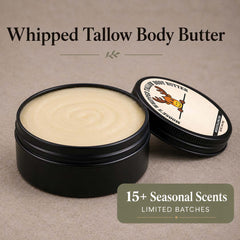
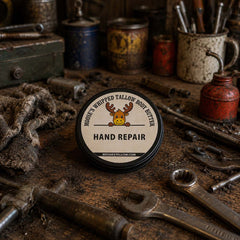
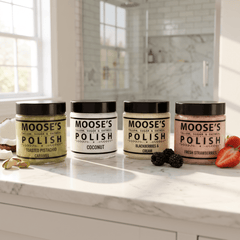
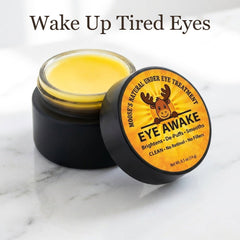
Ready to find a product that fits your skin? We’ve carefully formulated our products for people who want clean, purposeful ingredients without synthetic fillers or mystery additives. Our whipped tallow body butter is crafted for deep nourishment and absorbs beautifully without a heavy residue. If you spend time outdoors, our tallow zinc sun balm combines protective zinc with the natural richness of tallow. Every batch is handcrafted in small runs so you’re always getting a fresh, quality product.
Frequently asked questions
Is beef tallow safe for sensitive skin?
No high-level clinical evidence currently supports tallow for sensitive skin, and dermatologists warn it can cause breakouts, clog pores, and trigger allergic reactions, particularly in acne-prone or oily skin types. Research also notes a comedogenic rating of 2 to 3, which is worth considering before applying to the face.
What ingredient should I avoid in natural moisturizers for sensitive skin?
Avoid fragrances and essential oils, as these are among the most common known irritants and can significantly worsen skin sensitivity or trigger contact dermatitis. Expert guidance consistently lists fragrance avoidance as a top priority for sensitive and inflamed skin.
Why are ceramide creams trusted for sensitive skin?
Ceramide moisturizers are clinically proven to restore the skin barrier and reduce irritation, with multiple studies showing meaningful improvement in atopic dermatitis and barrier-compromised conditions.
Does petrolatum work well for sensitive skin?
Petrolatum is one of the most effective occlusives available and reduces water loss by 98%, making it a reliable choice for severe dryness and sensitive skin, especially during flare-ups or cold weather.


0 comments