

A trustworthy skincare review passes five checks: the reviewer’s skin resembles yours, they tested for weeks not days, they show real ingredients, the rating spread looks natural, and they disclose gifted or affiliate products. Skip any review missing most of these, no matter how glowing it sounds.
Before trusting any review, run through this:
- Does the reviewer’s skin type or concern match yours?
- Did they test for at least a few weeks?
- Do they mention or show actual ingredients?
- Does the product have a mix of ratings, not just five stars?
- Do they disclose free products, discounts, or affiliate links?
- Are before/after photos dated and shot in consistent light?
Key Takeaways
Trustworthy skincare reviews combine a matching skin type, a multi-week testing period, visible ingredients, a natural rating spread, and clear disclosure of gifted products.
| Point | Details |
|---|---|
| Match the reviewer to your skin | Look for shared skin type, concern, and climate before trusting their results. |
| Demand a real testing period | Favor reviews written after several weeks over first-use impressions. |
| Read the actual ingredient list | Focus on the first several ingredients, not just the marketing headline claim. |
| Watch the rating distribution | A natural spread of stars is more credible than a wall of five-star posts. |
| Choose transparent formulas | Moose’s Tallow builds every product on visible, intentional ingredients you can verify against any review. |
Tools and Reading for Checking Ingredients and Review Signals
- Ingredient decoding tools for translating INCI names.
- Independent forums for longer, candid accounts.
- A second retail platform for cross-checking ratings.
At-a-Glance Checklist You Can Run on Any Review
Some checks take seconds. Others take a few minutes. Both matter.
Fast checks (30 to 60 seconds):
- Look for a “verified purchase” tag near the reviewer’s name.
- Scan for a stated timeframe. “Used for six weeks” beats “love this.”
- Check if photos have dates or timestamps.
Slower checks (a few minutes):
- Click the reviewer’s profile. Do they review many products in one day, or write detailed posts over time?
- Compare lighting and background across their before/after shots.
- Search the product name plus “review” on another site to see if the story holds up.
Weight these signals, don’t just count them. A review with a stated testing period and a disclosed free sample outweighs five fast, vague, five-star posts with no detail. One honest, specific account beats a pile of shallow ones.
Whose Opinion on Skincare Reviews Actually Matters to You?
Not every five-star review applies to your skin. A reviewer with oily, acne-prone skin in humid Florida isn’t a useful guide if you have dry, sensitive skin in dry Colorado winters. Look for what skincare people sometimes call a “skin twin”: someone who shares your skin type, your main concern, and roughly your climate and routine.
Details worth checking:
- Stated skin type (dry, oily, combination, sensitive) and specific concerns like eczema or rosacea.
- Climate and season, since humidity changes how any balm or cream performs.
- How often they use the product and alongside what else in their routine.
- Age range, when relevant to the concern (fine lines versus acne, for instance).
Peer reviewers who match your skin often matter more than a stranger with vague credentials. A bio that says “esthetician” without naming a product line or explaining their reasoning carries less weight than a detailed peer review from someone with your exact skin type.
Pro Tip: Click through a reviewer’s full history. Someone who reviews shoes, coffee, and skincare all in one week is less convincing than someone who’s written five detailed skincare reviews over six months.
How to Read the Ingredient List Reviewers Cite
Ingredients on a label appear in order of concentration, with the highest amounts listed first as explained in this ingredient transparency guide. The first five to seven ingredients usually make up most of the formula. It usually means it’s there in a smaller amount.
A useful reviewer names actual ingredients instead of repeating marketing language. Look for reviews that mention:
- The first several ingredients on the label, not just the “hero” ingredient the brand promotes.
- Whether a carrier or stabilizer, like fractionated coconut oil, shows up and how it might affect texture or shelf life.
- Whether the formula looks padded with fillers or kept simple and purposeful.
Reviewers don’t need lab equipment to be credible. A fair review might read: “The first ingredient is beef tallow, followed by fractionated coconut oil and vitamin E. No fragrance or filler oils that I could find.” That’s specific enough to act on, without pretending to know exact percentages.
For a deeper walkthrough, evaluating skincare ingredients like a pro means checking the full INCI list, not just the front-of-package claims, and cross-referencing anything unfamiliar in an ingredient decoding tool.
What Separates a Trustworthy Review From a Fake One?
Real review sets look messy. You’ll see four-star reviews next to five-star ones, a few one-star complaints, and reviewers who mention both what worked and what didn’t.
Trust signals to look for:
- A spread of ratings rather than a wall of five stars.
- Many verified purchases, not just unverified comments.
- Balanced posts that mention a downside along with the praise.
- Photos taken in consistent lighting, with visible timestamps or dates.
- Clear disclosure when a product was gifted or discounted for review.
Red flags run the opposite direction. Watch for a sudden spike in five-star reviews within a short window, or several reviews using nearly identical phrasing. Vague praise like “amazing product, changed my life” with no mention of how long they used it or what skin type they have is a weak signal on its own. Combine two or three of these red flags and you’ve likely found an incentivized or manipulated review. Don’t just read the top reviews. The three-star middle ground often holds the most honest, detailed accounts.
How Long Should a Reviewer Test a Product Before Judging It?
Skin changes slowly. A review written after one use tells you almost nothing about how a product performs over time. Testing across several weeks in real conditions filters out placebo effects and short-term reactions that fade or worsen with continued use.
| Timeframe | What it can tell you |
|---|---|
| First use to 1 week | Texture, scent, initial comfort, any immediate irritation |
| 2 to 4 weeks | Whether the product fits into a routine and how skin adjusts |
| 4 weeks and beyond | Longer-term comfort, consistency of results, barrier-related changes |
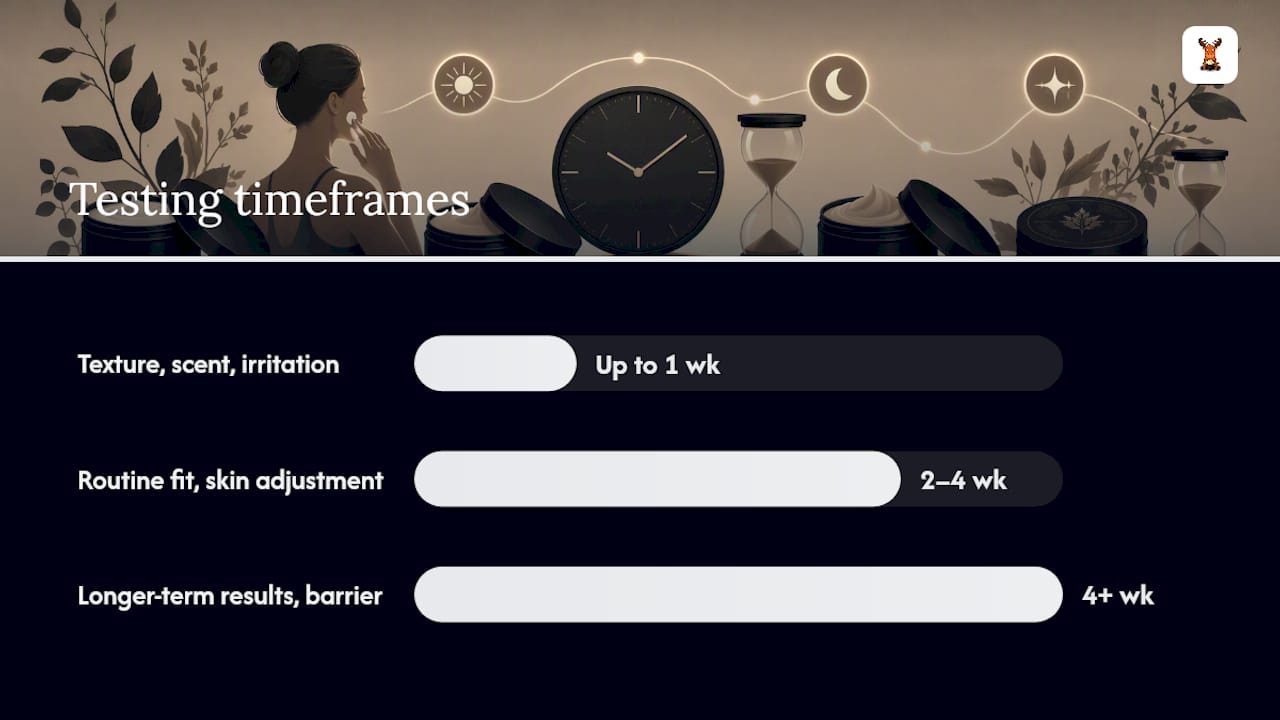
A reviewer who says “day one, love it” is describing a first impression, not a verdict. Someone who posts updates at two weeks, four weeks, and beyond, with consistent notes each time, is giving you a real read on the product.
Pro Tip: Look for reviewers who mention specific milestones (“still no breakouts at week three”) rather than one-time reactions. Dated photos taken in the same spot and light are worth more than any single glowing sentence.
What Do Claims Like “Dermatologist-Tested” Actually Mean?
Many front-of-package claims aren’t strictly regulated. Phrases like “dermatologist-tested” or “hypoallergenic” sound clinical, but they don’t guarantee a specific standard or a completed study you can check.
Some claims carry more weight than others. A named, dated study or a specific third-party certification is worth more than a vague label term with no source behind it. If a reviewer repeats a brand’s language word for word without pointing to any evidence, treat that claim as marketing, not proof.
A stronger review might say: “The brand cites a study on their site; I couldn’t verify the sample size, but the ingredient list backs up the claim.” That’s a reviewer doing real work instead of parroting a slogan. Check what’s actually trusted about a product’s labeling before taking any claim at face value.
Fast Checks Before You Trust a Review or Buy
Run these in order, especially before a higher-cost purchase:
- Open the reviewer’s profile and scan their history for consistency.
- Search the product name on a second site or forum to compare feedback.
- Read the full ingredient list, not just the marketing bullet points.
- Look for a disclosure statement about gifted or discounted products.
- Compare before/after photos for matching lighting and visible dates.
For a low-cost lip balm, a quick scan might be enough. For anything pricier or applied near sensitive skin, spend the extra few minutes.
Useful resources for this work:
- Ingredient decoding sites to translate unfamiliar INCI names.
- Independent forums and skincare communities for longer, less polished accounts.
- A second retail platform to cross-check ratings and see if they hold steady.
Why Ingredient Transparency Shapes How We Read Reviews
At Moose’s Tallow, I look for the same things I ask you to look for: fewer ingredients, and each one there on purpose. Our formulas start with properly rendered local beef suet tallow, then fractionated coconut oil, beeswax, vitamin E, jojoba, castor, and egg yolk infused oil. Nothing hides behind a long list.
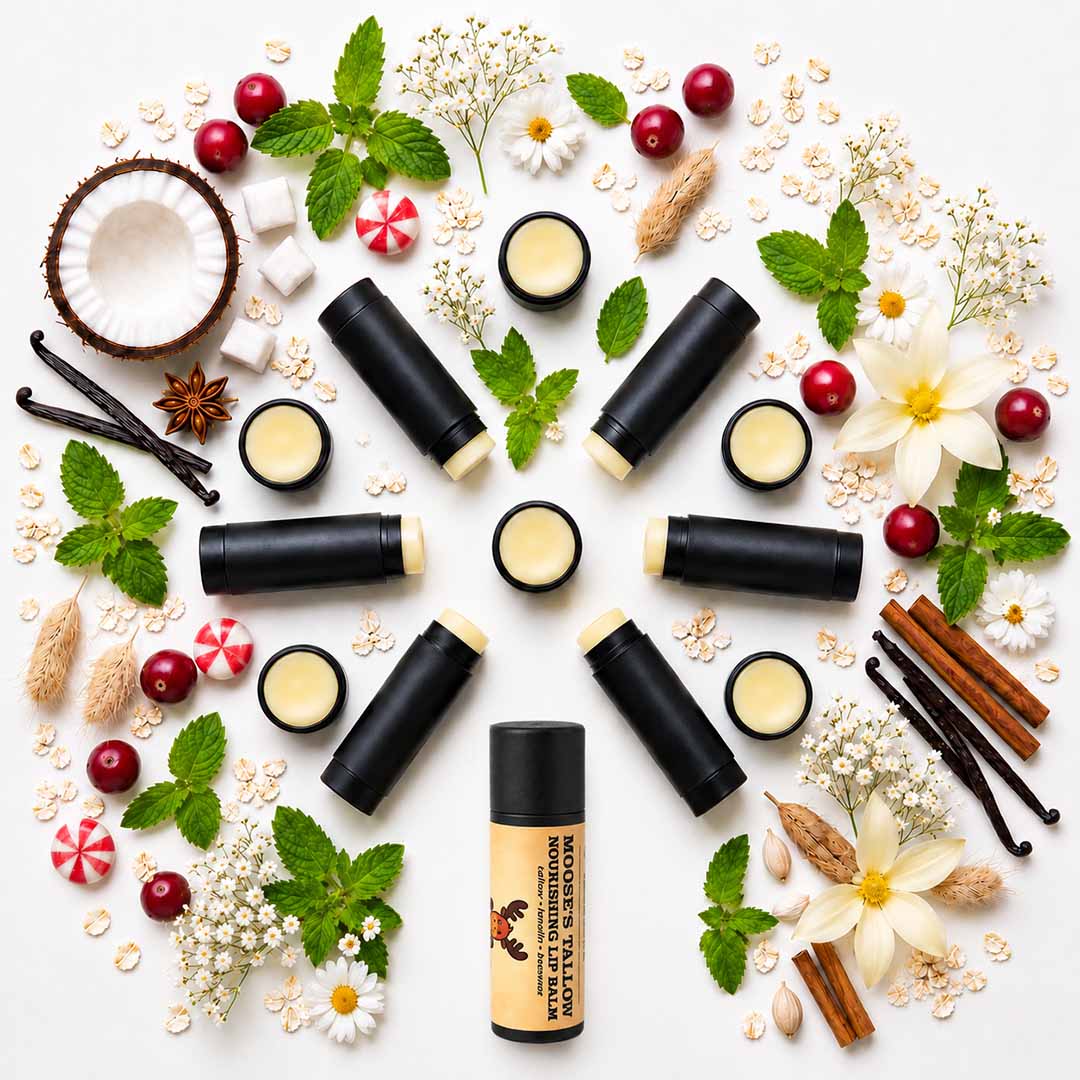
That’s why we back every order with a 30-day guarantee and keep our reviews honest and visible. If a formula can’t stand up to a plain ingredient list, it shouldn’t be on the shelf.
A Simple, Transparent Formula You Can Check for Yourself
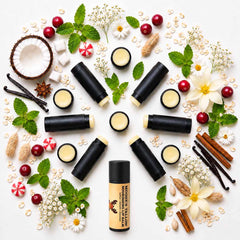
If you want to practice everything above on a real product, start small. The Vanilla Beef Tallow Lip Balm is a good place to test your new review-reading skills. The formula is short: beef suet tallow, fractionated coconut oil, and vitamin E, with nothing added as filler.
You can check the full ingredient list right on the label and packaging, then compare it against what any reviewer claims. No long list to decode, no vague marketing language to untangle. We stand behind it with a 30-day guarantee, and our product page carries real customer reviews you can read using the same checklist you just learned. Give it a look and see how the ingredients match the claims.
Sources
- Skin Care Ingredients: How to Read the Label | Allure
- Product testing: why long-form testing reveals real results – Qualtrics
- ReviewAI guides — beauty
- How to Spot Fake Reviews Online: 10 Trust Requirements 2026 — DailyGenius
FAQ
How Do I Read a Skincare Product Label?
Check the ingredient list first, since items are listed by concentration with the biggest amounts at the top. Then compare any front-of-package claim, like “dermatologist-tested,” against the actual ingredients before trusting it.
How Do I Read a Skincare Batch Code?
Batch codes vary by brand and usually appear stamped or printed on the packaging near the barcode. Check the brand’s own website or packaging insert for how to decode it, since there’s no universal format across skincare companies.
How Long Should I Test a Skincare Product Before Trusting a Review About It?
Look for reviews spanning several weeks rather than a single use. Short-term impressions rarely reflect how a product performs once skin adjusts to it.
What’s the Biggest Red Flag in a Fake Skincare Review?
A sudden cluster of nearly identical five-star reviews posted within a short window, with no mention of skin type or timeframe, is one of the clearest signs of manipulation.
Does a High Star Rating Mean a Product Is Trustworthy?
Not on its own. Check the distribution of ratings and read a few three-star reviews, since a high average can hide a burst of fast, incentivized five-star posts.


0 comentarios