


Natural methods can meaningfully lower your odds of stretch marks, but nothing guarantees prevention. Your best shot combines three habits: daily topical barrier care on prone areas, steady nutrition with enough protein and vitamin C, and avoiding rapid weight swings. Start now, not after marks appear, and keep expectations honest. Genetics still gets a vote.
TL;DR:
- Applying a lipid-rich, water-free balm twice daily before stretch marks appear reduces mechanical stress on skin and supports barrier function during rapid growth phases.
- A diet high in protein, vitamin C, zinc, and essential fatty acids enhances collagen synthesis, which helps maintain skin elasticity and resilience against tearing.
- Starting a topical barrier routine early in pregnancy, during puberty, or before intense muscle gain offers better prevention than waiting until marks develop.
- Genetic predisposition influences stretch mark risk, meaning even consistent habits may not fully prevent marks in individuals with a family history of skin tearing.
- Sun protection contributes to overall skin health by preventing collagen breakdown from UV exposure, reducing the likelihood of more noticeable or severe stretch marks.
What Causes Stretch Marks?
Stretch marks form when skin stretches faster than it can adapt. The real damage happens below the surface, in the dermis, where mechanical tension and hormonal shifts break down collagen and elastin fibers. That’s why puberty growth spurts, pregnancy, and rapid muscle gain all carry risk. Some clinical reviews report incidence as high as 88% in certain pregnant populations, though rates vary widely by skin type, age, and genetics.
This matters for how you approach prevention. A few things worth knowing upfront:
- Stretch marks are dermal scars, not surface stains.
- Surface moisturizers soothe and hydrate but don’t rebuild torn collagen fibers.
- Hormonal changes (pregnancy, puberty) soften connective tissue, making it more prone to tearing under stretch.
That’s the whole reason a smart routine works on two fronts at once: supporting the skin barrier from outside, and feeding collagen production from inside.
How to Prevent Stretch Marks Naturally With a Daily Topical Routine
Start early. Whether you’re pregnant, growing fast, or building muscle, apply a barrier-supporting balm before you see any marks, not after. Consistency beats any single “miracle” ingredient. Twice a day on prone zones, belly, hips, thighs, breasts, works better than an occasional heavy layer.
Lipid-rich, water-free formulas do two jobs at once. They occlude the surface, slowing water loss, and some ingredients pull moisture into the skin. One modeling study on stratum corneum behavior found that emollient penetration correlates with reduced mechanical stress on skin. Less mechanical stress at the surface is a reasonable, if incomplete, piece of the prevention puzzle.
Some ingredients get more research attention than others. Centella asiatica and hyaluronic acid show up in small trials with promising but low-quality evidence for reducing severity, and clinical reviews are careful to note that proof of true prevention remains thin. Treat these as reasonable additions, not guarantees.
Here’s a simple routine to follow:
- Shower or bathe, then pat skin damp, not dry.
- Apply a lipid-rich balm to belly, hips, thighs, and breasts while skin is still slightly damp.
- Massage in small circles for 60 to 90 seconds per area. This helps distribute the product and may support circulation.
- Repeat in the evening, especially during rapid growth phases.
- Reapply to any area that feels tight or itchy during the day.
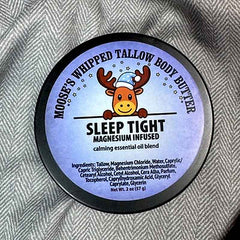
Ingredient choice matters here. Moose’s Tallow formulas lean on beef suet tallow because its fatty-acid profile sits close to your skin’s own oils, which helps it absorb without sitting greasy on top. Fractionated coconut oil works as the carrier because it resists oxidation and stays stable on the shelf, unlike heavier vegetable oils such as olive or avocado, which can feel sticky and don’t offer the same absorption. Beeswax adds a light occlusive layer, and vitamin E (tocopherols) brings antioxidant support to the mix. Nothing extra, nothing filler.
Pro Tip: Keep your balm in the shower or right next to your towel. The habit sticks better when the product is already in your hand, not buried in a drawer three rooms away.
For more on how carrier oils behave differently on skin, this practical list of moisturizing oils breaks down the differences by skin type.
What Diet and Hydration Habits Support Skin Elasticity?
Skin needs raw materials to rebuild collagen, and that comes from food, not lotion. Prioritize vitamin C, adequate protein, zinc, essential fatty acids, and polyphenol-rich produce. Nutritional reviews tie these nutrients directly to collagen synthesis and antioxidant defenses that keep skin resilient under stretch.
A simple plate pattern covers most of this without overthinking it:
- Protein at every meal: eggs, fish, chicken, beans, or Greek yogurt.
- Citrus, bell peppers, or berries daily for vitamin C.
- Nuts, seeds, or fatty fish a few times a week for essential fatty acids.
- Colorful vegetables and dark chocolate in moderation for polyphenols, which help fight the oxidative stress that degrades collagen.
Hydration plays its own role. Some studies on dietary water intake found that people who increased their water intake, especially those starting from low baseline hydration, saw measurable improvements in skin hydration. That’s not a stretch-mark cure, but well-hydrated skin handles mechanical tension better than dry, brittle skin does.
Skip the high-dose supplement aisle unless your provider recommends it. Whole foods deliver nutrients alongside fiber and other compounds that work together; isolated megadoses don’t replicate that, and some carry real risks. Talk to a clinician before adding anything beyond a basic multivitamin.
Pregnancy-Focused Prevention: Timing and Safe Choices
Pregnancy stretches skin faster than almost anything else your body will experience, which is exactly why starting early matters so much here. Begin your topical routine in the first trimester, not the third. Consistency across nine months beats a pricier product used sporadically.
Choose gentle, fragrance-free, lipid-rich moisturizers. Avoid products with retinoids, high-dose salicylic acid, or other harsh actives unless your provider clears them specifically. Your skin is more reactive during pregnancy, and so are your hormones.
A few things to keep in mind:
- Follow your provider’s recommended weight-gain range for your pregnancy; gradual gain reduces the rate of skin stretch.
- Gentle movement, walking, prenatal yoga, swimming, supports circulation without triggering rapid weight change.
- Run any new topical product, especially ones with essential oils or active ingredients, past your prenatal care provider first.
- Watch for sudden swelling or rapid weight jumps and mention them at your next appointment.
New parents managing postpartum routines alongside newborn care might find this flexible daily routine guide useful for building consistency without adding pressure to an already full day.
When Should You See a Dermatologist?
Topical care improves comfort and surface hydration, but clinical evidence for true prevention remains limited. See a dermatologist if marks spread rapidly, look unusual, or come with other skin changes worth checking. Procedural options like laser therapy or microneedling exist for treating existing marks. Think of these as corrective tools, not guarantees, and definitely not substitutes for the daily habits that reduce risk in the first place.
Why Moose’s Tallow Formulas Focus on Barrier Support
The founder started this brand after reviewing lotion labels with many ingredients, including water first. He wanted simpler, honest skincare, so every batch is handmade, water-free, and lightly diluted.
The ingredient logic is simple. Tallow mirrors skin’s lipids, so it absorbs instead of sitting on top. Fractionated coconut oil resists oxidation and stays stable on shelves. Beeswax adds gentle occlusion. Vitamin E provides antioxidant support.
For daily use, that means one balm for belly, under-breast, and thigh application, no juggling bottles. Orders come with a 30-day guarantee, and ingredient lists stay short on purpose.
Does Genetics Affect Your Stretch Mark Risk?
Genetics plays a real role, and no amount of perfect habit-building erases that fact entirely. If your mother or sisters developed extensive stretch marks during pregnancy or puberty, your own connective tissue may share that same tendency toward tearing under stretch. Family history shapes how much collagen and elastin your skin produces and how elastic that tissue stays under tension.
This doesn’t mean natural prevention is pointless if genetics work against you. It means your expectations need calibrating differently than someone with naturally elastic, stretch-mark-resistant skin. Two people can follow an identical topical and nutrition routine and land in very different places, one with faint marks, one with none, purely based on inherited skin structure.
Skin tone factors in too. Stretch marks often appear more visible against contrasting skin, though they form at similar rates across skin types. What varies more is how noticeable they end up once they fade to their final coloring.
The practical takeaway: don’t judge your routine’s success against someone else’s results, especially online. If your mother developed marks despite good habits, budget for the likelihood that you might too, and treat prevention as risk reduction, not risk elimination. That reframe alone saves a lot of unnecessary frustration around month seven of pregnancy, when marks that were always going to show up finally do.

Why Does Sun Protection Matter for Skin Health?
Sun protection isn’t a stretch-mark prevention tool on its own, but it plays a supporting role in overall skin resilience that’s easy to overlook. Ultraviolet exposure breaks down collagen and elastin over time, the same structural fibers already under mechanical stress from rapid stretching. Layering UV damage on top of that stress doesn’t help your skin’s ability to adapt.
Sunburned or sun-damaged skin also loses elasticity and moisture retention, which works against everything a good topical routine tries to accomplish. If you’re pregnant or in a growth phase and spending time outdoors, daily sunscreen on exposed prone areas, shoulders, chest, upper thighs if they’re uncovered, keeps skin in better condition to handle the tension it’s already managing internally.
There’s a secondary benefit worth mentioning too. Existing stretch marks, especially ones that have matured to a lighter, silvery color, can become more noticeable with sun exposure because surrounding skin tans while the scarred tissue doesn’t. Consistent sun protection keeps that contrast from becoming more pronounced over a summer season.
None of this replaces the core habits, topical barrier care, steady nutrition, gradual weight change, but it rounds out a genuinely whole-skin approach rather than treating stretch marks as an isolated problem to solve with one product.
Why Gradual Weight Gain Matters Beyond Pregnancy
Pregnancy gets most of the attention in stretch mark conversations, but it’s far from the only time skin faces rapid stretch. Puberty growth spurts, quick bodybuilding bulk phases, and fast weight gain or loss from any cause all put the same mechanical stress on the dermis that pregnancy does.
Teenagers going through rapid height and weight changes often develop stretch marks on thighs, hips, and lower back, areas where growth outpaces skin’s ability to adapt gradually. The mechanism is identical to pregnancy: tissue stretches faster than collagen and elastin can accommodate, and fibers tear.
Bodybuilders and athletes chasing fast muscle gain face a similar risk, particularly around the shoulders, upper arms, and thighs. A slower, more gradual approach to bulking, rather than an aggressive short-term mass phase, gives skin more time to stretch without tearing. The same logic applies to significant weight loss: dropping weight too quickly leaves skin without time to retract gradually, which can produce marks on its own.
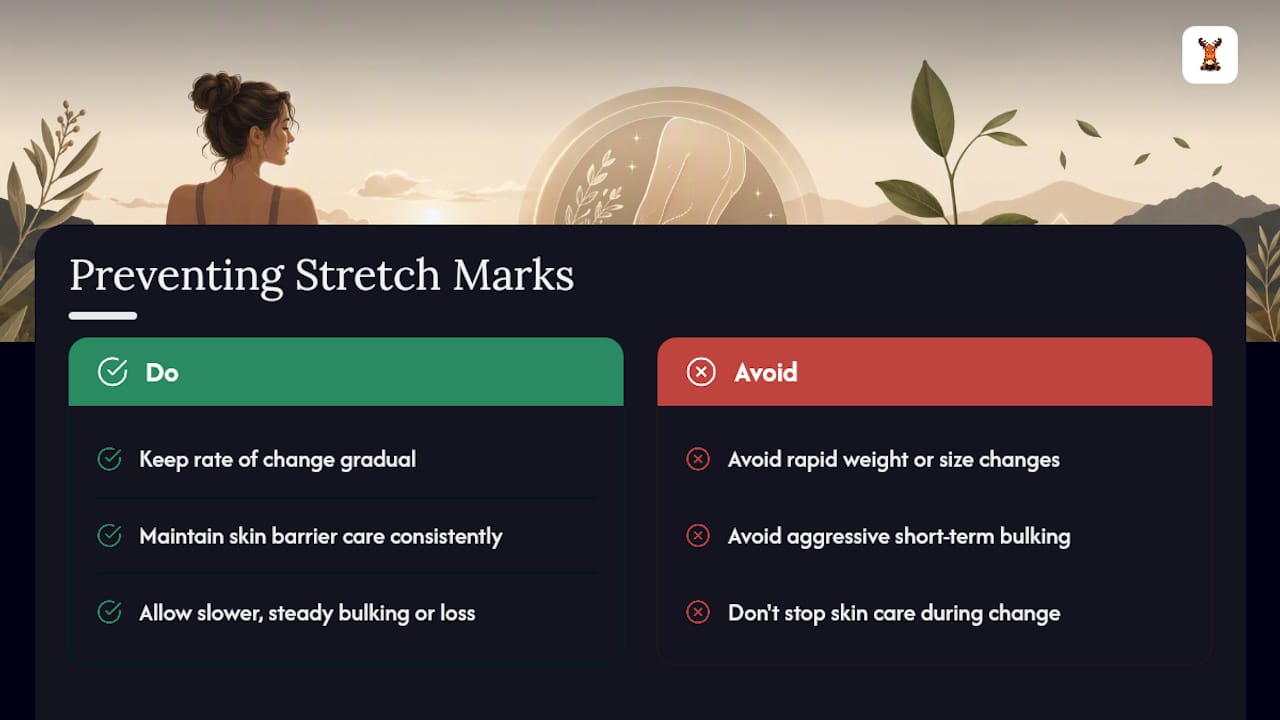
The practical lesson carries across every one of these situations. Whether you’re sixteen and growing fast, six months pregnant, or three months into a bulking cycle, the same two levers apply: keep the rate of change as gradual as your goals allow, and keep skin barrier care consistent throughout. Speed is the enemy here, not the goal itself.
Habit Over Hero Products
Here’s what I keep coming back to: there’s no single ingredient that outperforms a boring daily habit. Pick a gentle, transparent formula, apply it consistently, eat well, and stay patient. Steady care beats chasing the next miracle product every time.
— Brian Smith
Building a Prevention Routine With Moose’s Tallow
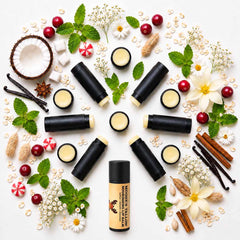
Two products fit naturally into the routine described above. The Natural Tallow Baby Butter with Calendula & Chamomile works well for daily belly, thigh, and general body hydration, calendula and chamomile add a calming touch without any harsh actives. For high-friction zones like under-breast, inner thigh, or hip creases, the Baby Bum Butter with tallow and zinc offers a thicker barrier that holds up where skin rubs against itself or clothing.
Both build on the same short ingredient list: beef suet tallow for barrier support, fractionated coconut oil for stable absorption, beeswax for gentle occlusion, and vitamin E for antioxidant support. No water, no filler, nothing added just to pad a label.
If you’re building a natural prevention routine, whether pregnant, growing, or just committed to consistent skin care, start with one balm and stick with it daily. Browse the full tallow-based body care lineup and pick the one that fits your prone areas best.
This article is general information, not a substitute for advice from a qualified doctor. Consult a qualified healthcare professional about your own circumstances before acting on anything here.
Sources
- Striae Distensae - StatPearls / NCBI Bookshelf
- Role of nutritional elements in skin homeostasis (PMC review)
FAQ
Is there any way to actually prevent stretch marks?
No method guarantees prevention, but consistent topical barrier care, good nutrition, steady hydration, and gradual weight change all reduce risk meaningfully, especially when started early.
How can I reduce stretch marks naturally at home?
Apply a lipid-rich, water-free balm daily to prone areas, massage it in gently, eat a protein and vitamin C rich diet, and keep your water intake steady throughout the day.
Does low vitamin D cause stretch marks?
There’s no established direct link between low vitamin D and stretch mark formation; the stronger nutritional connections point to protein, vitamin C, zinc, and essential fatty acid intake for collagen support.
What ingredients actually help support skin during rapid stretching?
Lipid-rich, water-free formulas with barrier-supporting ingredients like beef suet tallow, fractionated coconut oil, and vitamin E help hydration and comfort, though clinical evidence for true prevention remains limited.
When should I start a stretch mark prevention routine during pregnancy?
Start in the first trimester rather than waiting for visible stretching. Early, consistent application matters more than any single product’s price point.
0 comentarios