

TL;DR:
- Las lociones naturales para bebé se formulan con ingredientes suaves de origen vegetal y animal, como sebo de res, aceite de coco, cera de abeja y tocoferoles, para nutrir la piel del bebé de forma segura. Cada fórmula responde a necesidades específicas, como la reparación profunda de la barrera o una hidratación ligera, lo que te permite elegir según el estado de la piel. Elegir productos con ingredientes transparentes, regulación adecuada y métodos de aplicación correctos aumenta al máximo la seguridad y la eficacia para la piel delicada del bebé.
Las lociones naturales para bebé son productos hidratantes hechos con ingredientes suaves de origen vegetal y animal, pensados para nutrir y proteger la piel del bebé de forma segura. Los tipos principales de lociones naturales para bebé incluyen bálsamos a base de sebo de res, fórmulas de aceite de coco fraccionado, cremas con cera de abeja y mezclas enriquecidas con tocoferoles. Cada tipo cumple un propósito distinto, desde la reparación profunda de la barrera hasta la hidratación ligera de todos los días. Saber cuál se adapta al estado de la piel de tu bebé te ayuda a elegir con confianza en lugar de adivinar frente al estante de la tienda.
1. ¿Cuáles son los tipos principales de lociones naturales para bebé?
Los tipos de lociones naturales para bebé se entienden mejor por sus ingredientes clave. Cada ingrediente aporta un beneficio específico a la piel del bebé, y las mejores fórmulas combinan dos o más con un propósito claro.
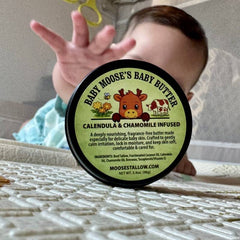
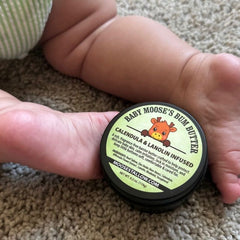
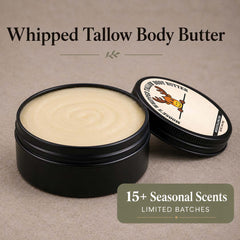
- Lociones a base de sebo de res: El sebo se obtiene de la grasa de res y es rico en ácidos grasos que se parecen mucho al perfil lipídico de la propia piel. Hidrata en profundidad, apoya la barrera cutánea y se absorbe sin dejar un residuo pesado. En Moosestallow, el sebo siempre es la estrella de cada fórmula.
- Fórmulas de aceite de coco fraccionado: El aceite de coco fraccionado es un vehículo ligero y estable que resiste la oxidación y se absorbe rápido. No se pone rancio como muchos otros aceites vegetales, lo que lo convierte en una base preferida para el cuidado de la piel del bebé.
- Cremas con cera de abeja: La cera de abeja crea una capa oclusiva y transpirable sobre la piel. Retiene la humedad sin tapar los poros, lo que la hace ideal para zonas propensas a rozaduras o irritación.
- Mezclas enriquecidas con tocoferoles: Los tocoferoles son una forma natural de vitamina E. Actúan como antioxidantes en la fórmula y protegen tanto la vida útil de la loción como la piel del bebé del estrés oxidativo.
- Fórmulas de jojoba y aceite de ricino: La jojoba imita de cerca el sebo natural de la piel. El aceite de ricino aporta densidad y ayuda a que otros ingredientes penetren mejor. Ambos funcionan bien como ingredientes de apoyo en una fórmula limpia.
- Lociones con yema de huevo: La yema de huevo contiene lecitina y emulsionantes naturales que ayudan a que los ingredientes se integren de forma suave y favorecen la suavidad de la piel. Es un añadido menos común, pero de verdad efectivo, en el cuidado natural elaborado en lotes pequeños.
Consejo pro: Lee la lista de ingredientes de arriba abajo. Los ingredientes que aparecen primero forman la mayor parte del producto. Si el agua o un relleno aparece primero, los ingredientes activos están muy diluidos.
2. Cómo cada tipo de loción beneficia distintas condiciones de la piel del bebé
Elegir el hidratante natural adecuado para bebés depende de las necesidades específicas de la piel de tu bebé. No todas las fórmulas funcionan igual en cada tipo de piel.

Los bálsamos a base de sebo son la opción más fuerte para la piel seca o descamada. Su perfil de ácidos grasos apoya directamente la barrera cutánea, y por eso funcionan bien en la piel propensa al eczema. Las guías pediátricas 2026 de la American Academy of Dermatology incluyen el baño seguido del uso de hidratante como rutina central de cuidado, con 26 recomendaciones basadas en evidencia. Eso significa que hidratar de forma constante no es opcional para los bebés con piel seca o sensible. Es el cuidado estándar.
Las lociones a base de aceite de coco fraccionado son la mejor opción para el uso diario. Se absorben rápido y se sienten ligeras en la piel, lo que las hace prácticas para aplicar en todo el cuerpo después del baño. Las fórmulas con cera de abeja se aplican mejor en zonas específicas, como el área del pañal o las rodillas, donde la piel recibe más fricción y necesita una capa protectora. Los bálsamos más espesos para la sequedad localizada y las lociones más ligeras para la hidratación de rutina son la recomendación clínica, y esa guía coincide directamente con la forma en que se comportan estos tipos de ingredientes.
Los tocoferoles protegen la piel del daño ambiental y ayudan a que la propia loción se mantenga fresca por más tiempo. Las fórmulas de jojoba y aceite de ricino funcionan bien en el cuero cabelludo y el rostro, donde se prefieren texturas más ligeras. Adaptar el tipo de loción a la zona del cuerpo es un hábito sencillo que marca una diferencia real en los resultados.
Consejo pro: Aplica la loción justo después del baño, cuando la piel todavía está un poco húmeda. Este método de “remojar y sellar”, respaldado por la guía clínica sobre retención de humedad, retiene la hidratación mucho mejor que aplicarla sobre piel seca.
3. Cómo elegir la mejor loción natural para bebé
Elegir la mejor crema orgánica para bebé empieza por leer la etiqueta con honestidad. La transparencia de los ingredientes y la mínima dilución son las dos señales más claras de un producto de calidad.
| Característica | Qué buscar |
|---|---|
| Orden de los ingredientes | Ingredientes activos (sebo, cera de abeja) primero en la lista, no agua ni rellenos |
| Estabilidad del aceite vehículo | Aceite de coco fraccionado preferido sobre aceites propensos a la oxidación |
| Textura adecuada | Bálsamo espeso para zonas secas, loción más ligera para uso diario en todo el cuerpo |
| Perfil de alérgenos | Sin fragancia sintética, colorantes ni alérgenos vegetales comunes |
| Cumplimiento regulatorio | El producto cumple los requisitos MoCRA de la FDA sobre seguridad y etiquetado |
La palabra “natural” en una etiqueta no garantiza seguridad. Los términos de marketing como “natural” u “orgánico” no garantizan seguridad ni eficacia. Los padres deben evaluar directamente la calidad de los ingredientes y el cumplimiento regulatorio. Bajo las regulaciones MoCRA de la FDA, los cosméticos naturales igualmente deben cumplir con el registro de instalaciones, la sustentación de seguridad y los requisitos de etiquetado. No hay excepciones para las afirmaciones de belleza limpia o natural.
Las fórmulas de Moosestallow dan prioridad al sebo de res y al aceite de coco fraccionado porque ambos ingredientes rinden sin una dilución innecesaria. El aceite de coco fraccionado es estable, resiste la oxidación y se absorbe de forma limpia. Alarga la vida útil sin conservadores sintéticos. Esa combinación de rendimiento y simplicidad es lo que lo hace el vehículo preferido en las formulaciones naturales honestas. Puedes explorar por qué las lociones naturales gustan a los padres para saber más sobre lo que en realidad buscan los cuidadores en una fórmula.
4. Alternativas seguras de loción natural para bebé y opciones caseras
Algunos padres quieren hacer su propia loción para bebé sin alérgenos en casa. Es una meta razonable, pero tiene límites reales que conviene conocer desde el principio.
- Solo aceite de coco fraccionado: Es el punto de partida más sencillo y seguro. Se absorbe bien, tiene una larga vida útil y casi no presenta riesgo de alérgenos. Aplica una pequeña cantidad directamente sobre la piel después del baño.
- Mezcla de aceite de coco fraccionado y cera de abeja: Derrite la cera de abeja en el aceite de coco fraccionado a baja temperatura y deja que se enfríe hasta formar un bálsamo. Así creas una crema barrera sencilla, de dos ingredientes y sin aditivos sintéticos.
- Añadir tocoferoles: Agregar una pequeña cantidad de tocoferoles (aceite de vitamina E) a una base casera alarga la vida útil y aporta protección antioxidante a la piel.
- Base infusionada con yema de huevo: La yema de huevo se puede infusionar con suavidad en un aceite vehículo para aportar lecitina natural. Es una técnica más avanzada y requiere una preparación cuidadosa para evitar que se eche a perder.
Las recetas caseras de loción para bebé tienen un riesgo constante: la falta de un sistema conservador. Sin una conservación adecuada, las fórmulas con agua pueden desarrollar bacterias en pocos días. Por eso, los bálsamos sin agua hechos con sebo, cera de abeja y aceite de coco fraccionado son la opción casera más segura. En caso de duda, una fórmula comercial de un fabricante transparente que trabaja en lotes pequeños es la opción más confiable. Los hidratantes siguen siendo la base para cuidar la piel seca y sensible del bebé, ya sea que los hagas o los compres.
Puntos clave
Las lociones naturales para bebé más eficaces combinan una base nutritiva como el sebo de res con un vehículo estable como el aceite de coco fraccionado, aplicadas de forma constante después del baño para dar el máximo apoyo a la barrera cutánea.
| Punto | Detalles |
|---|---|
| El orden de los ingredientes importa | Los ingredientes activos al principio de la lista indican una fórmula menos diluida y más eficaz. |
| Adapta el tipo de loción a la necesidad de la piel | Usa bálsamos espesos de sebo para zonas secas y fórmulas de coco más ligeras para el uso diario. |
| Aplica después del baño para mejores resultados | El método de “remojar y sellar” mejora mucho la retención de humedad en la piel del bebé. |
| Las etiquetas “naturales” requieren revisión | Las regulaciones MoCRA de la FDA aplican a todos los cosméticos; las afirmaciones de “natural” no garantizan seguridad. |
| Las opciones caseras funcionan mejor sin agua | Los bálsamos de sebo y cera de abeja sin agua son la opción casera más segura para la piel del bebé. |
Mi opinión honesta sobre las lociones naturales para bebé, tras años formulando
Empecé a hacer productos a base de sebo porque quería algo en lo que pudiera confiar para la piel de mi propia familia. Eso significaba conocer cada ingrediente por su nombre y entender por qué estaba ahí.
Lo que he descubierto es que la mayoría de los padres no buscan la fórmula más de moda. Quieren algo que de verdad funcione y que no cause una reacción. El sebo de res logra eso mejor que casi todos los ingredientes con los que he trabajado. Se absorbe sin sensación grasosa, apoya la barrera cutánea y tiene un historial que se remonta a generaciones.
Lo único en lo que discreparía es la idea de que más ligero siempre significa mejor para los bebés. El aceite de coco fraccionado es mi vehículo preferido para el uso diario por su estabilidad y su absorción limpia. Pero para un bebé con piel realmente seca o propensa al eczema, un bálsamo de sebo más rico aplicado justo después del baño es la opción más eficaz. La textura debe seguir a la función, no a la preferencia.
También creo que la transparencia de los ingredientes no es negociable. Si una marca no puede decirte con exactitud qué hay en el frasco y por qué, esa es una señal a la que vale la pena prestar atención. Cada ingrediente de una fórmula de Moosestallow se gana su lugar. Eso no es una frase de marketing. Es como formulamos de verdad. Puedes leer más sobre cómo construir una buena rutina de hidratación para bebés si quieres una guía práctica sobre los tiempos y la aplicación.
Brian
Explora las lociones naturales para bebé de Moosestallow
Moosestallow formula cada producto en torno al sebo de res y al aceite de coco fraccionado porque esos ingredientes dan resultados reales sin rellenos innecesarios. Cada lote se elabora a mano en pequeñas cantidades y con total transparencia de ingredientes, así siempre sabes qué le pones a la piel de tu bebé. Ya sea que tu pequeño necesite un apoyo profundo de la barrera o un hidratante diario más ligero, hay una fórmula creada para esa necesidad específica. Visita la colección completa de Moosestallow para encontrar una loción natural para bebé que se adapte a tu rutina y a tus valores. Ingredientes simples. Elaboración honesta. Una piel que te hará sentir bien.
Preguntas frecuentes
¿De qué están hechas las lociones naturales para bebé?
Las lociones naturales para bebé están hechas con ingredientes de origen vegetal y animal, como sebo de res, aceite de coco fraccionado, cera de abeja, jojoba y tocoferoles. Evitan fragancias sintéticas, colorantes y conservadores químicos.
¿La FDA regula las lociones naturales para bebé?
Sí. Bajo las regulaciones MoCRA de la FDA, todos los cosméticos etiquetados como naturales u orgánicos deben cumplir los requisitos de seguridad y etiquetado. No hay excepciones por afirmaciones de belleza natural o limpia.
¿Cuándo debo aplicar loción natural a mi bebé?
Aplica la loción justo después del baño, cuando la piel todavía está un poco húmeda. Este método de “remojar y sellar” cuenta con el respaldo de las guías clínicas de hidratación y mejora mucho la hidratación y la función de barrera.
¿Puedo hacer una loción casera segura para bebé?
Sí, con límites. Las mezclas sin agua de aceite de coco fraccionado y cera de abeja son la opción casera más segura porque no necesitan un sistema conservador. Evita agregar agua a las fórmulas caseras sin una conservación adecuada.
¿Cuál es la mejor loción natural para el eczema del bebé?
Los bálsamos más espesos a base de sebo aplicados justo después del baño son la opción más eficaz para la piel de bebé propensa al eczema. Las guías pediátricas 2026 de la AAD confirman que la hidratación constante después del baño es una parte central del cuidado del eczema basado en evidencia.
Recomendado
- Hidratantes naturales: cuidado de la piel más seguro para la familia, explicado – Moose’s Tallow
- Por qué las madres prefieren la loción natural para sus hijos – Moose’s Tallow
- Rutinas de hidratación para bebés: guía para padres – Moose’s Tallow
- ¿Es seguro el sebo de res para la piel del bebé? Guía experta – Moose’s Tallow


0 comentarios