

Beef tallow has quietly become one of the most talked-about ingredients in natural parenting circles. Parents dealing with eczema-prone or sensitive baby skin are turning to it as a clean, simple alternative to conventional lotions. But beef tallow’s safety for infants remains a genuinely divided topic among dermatologists and pediatric experts. Some swear by its biocompatibility. Others urge real caution. If you’re a parent trying to make the best call for your baby, you deserve a clear, honest look at what the evidence actually says, not just what’s trending on social media.
Table of Contents
- Understanding beef tallow and its appeal for baby skin
- What does science say? Evidence and expert concerns for infants
- Comparing beef tallow and conventional baby moisturizers
- Practical tips and safety steps for parents considering tallow
- A balanced perspective: Why the safest choice puts evidence first
- Looking for safe, natural solutions? Discover more options
- Frequently asked questions
Key Takeaways
| Point | Details |
|---|---|
| Biocompatible oils | Beef tallow’s fatty acids are similar to human sebum, which is why it appeals to natural-minded parents. |
| Limited infant evidence | There is little research on beef tallow safety for babies, so most experts urge caution. |
| Medical recommendations | Pediatricians prefer moisturizers with ceramides or petrolatum due to proven safety and regulation. |
| Safe use steps | If parents try tallow, they should source carefully, patch test, and watch for skin reactions. |
Understanding beef tallow and its appeal for baby skin
Beef tallow is rendered fat from cattle, typically from around the kidneys. When processed carefully, it becomes a smooth, stable fat rich in oleic acid, palmitic acid, and stearic acid. These are the same fatty acids found in healthy human skin. That’s the core of its appeal.
Tallow’s fatty acids closely mirror human sebum, the natural oil your skin produces to stay moisturized and protected. This biological similarity is why many natural health advocates describe it as “bioidentical” to what your skin already knows. For parents who want to avoid synthetic chemicals, that’s a genuinely compelling argument.
Here’s a quick look at how tallow compares to human sebum and a typical baby lotion:
| Component | Beef tallow | Human sebum | Typical baby lotion |
|---|---|---|---|
| Oleic acid | ~45% | ~25% | Varies (synthetic) |
| Palmitic acid | ~26% | ~23% | Varies |
| Stearic acid | ~20% | ~10% | Minimal |
| Synthetic additives | None | None | Often present |
| Regulation | Unregulated | N/A | FDA-regulated |
Parents drawn to beef tallow’s natural benefits often point to a few key reasons:
- Simple ingredient list: One ingredient, nothing hidden.
- No synthetic preservatives or fragrances that might irritate delicate skin.
- Long history of use across generations before modern lotions existed.
- Anecdotal success with eczema, cradle cap, and dry patches.
The surge in popularity is real. Parents sharing before-and-after photos of their babies’ skin on social media have helped fuel a wave of interest. And honestly, the desire to use something simple and recognizable on your baby’s skin makes complete sense. We get it. You can also explore more about beef tallow benefits to understand the full picture before making a decision.
What does science say? Evidence and expert concerns for infants
Now that we know what beef tallow is, what does the science, and modern experts, really say about using it on baby skin?
The honest answer is: the research is thin. There is some support for tallow’s biocompatibility in general skincare literature, but infant-specific studies are nearly nonexistent. Most dermatologists are cautious, not because tallow is definitively harmful, but because we simply don’t have enough data.

| Safety factor | Beef tallow | Regulated baby moisturizer |
|---|---|---|
| Infant-specific studies | Very limited | Available |
| Standardized formulation | No | Yes |
| Contamination risk | Possible | Controlled |
| Pore-clogging potential | Possible | Low (ceramide-based) |
| Major org. endorsement | None | AAD, AAP guidance |
Dermatologists warn about specific risks for sensitive or infant skin, including possible irritation and contamination from unregulated sources. Small-batch or homemade tallow products carry no guaranteed quality control.
“There are no endorsements or formal warnings from major pediatric organizations regarding beef tallow for infants, and limited infant research means parents are largely operating without a safety net of clinical evidence.”
Here’s what medical professionals generally recommend for parents navigating baby skincare:
- Start with regulated products that have been tested for infant safety.
- Consult your pediatrician before introducing any new product, natural or not.
- Patch test everything on a small area of skin before full application.
- Watch closely for reactions including redness, swelling, or increased itching.
- Prioritize products with ceramides for eczema-prone skin, per dermatology guidance.
For parents curious about how tallow specifically affects baby hydration, the tallow baby hydration benefits page offers a closer look at what’s known. The gap between enthusiast claims and clinical evidence is real, and it’s worth understanding before you apply anything to your baby’s skin.
Comparing beef tallow and conventional baby moisturizers
The question remains: how does beef tallow stack up against mainstream options recommended by pediatricians?
| Feature | Beef tallow | Ceramide creams | Petrolatum ointments |
|---|---|---|---|
| Ingredient source | Animal fat | Synthetic/natural | Petroleum-derived |
| Skin barrier support | Possible | Clinically proven | Clinically proven |
| Fragrance-free options | Yes | Yes | Yes |
| Regulation | None | FDA-regulated | FDA-regulated |
| Eczema guidance | Anecdotal | Recommended | Recommended |
| Absorption | Good | Good | Occlusive |
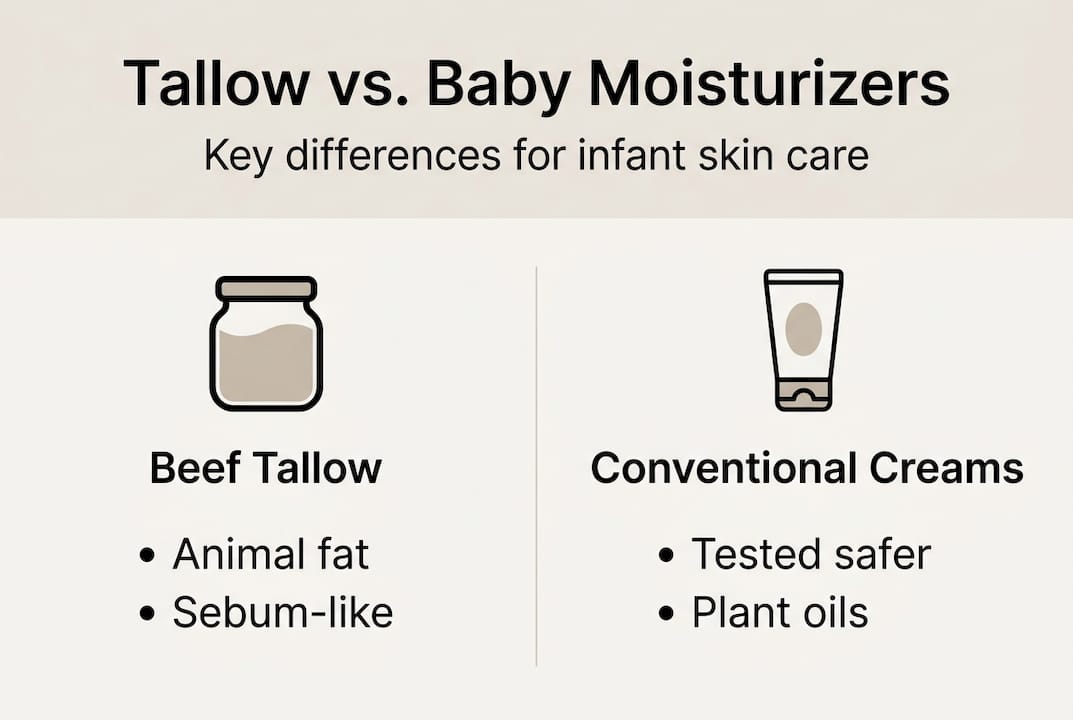
Medical authorities prefer regulated moisturizers with ceramides for infant skin conditions, particularly eczema. Ceramides are lipids that naturally occur in the skin barrier, and products that contain them have been studied specifically for infant use.
That said, not every parent is comfortable with petroleum-derived products either. Some babies react to preservatives or fragrances in commercial lotions. That’s a legitimate concern. Here’s when each option might make sense:
- Ceramide creams: Best for eczema-prone skin with a dermatologist’s guidance.
- Petrolatum ointments: Excellent for sealing moisture after bathing, especially in dry climates.
- Beef tallow (carefully sourced): A potential option for parents seeking minimal-ingredient care, with proper precautions.
For a deeper side-by-side breakdown, the tallow vs creams comparison is worth reading. And if you’re curious about tallow for facial hydration specifically, tallow face hydration covers that ground well.
Pro Tip: Before applying any new moisturizer to your baby’s skin, including tallow, apply a small amount to the inner forearm and wait 24 hours. If there’s no redness, swelling, or irritation, it’s generally safer to proceed. Always loop in your pediatrician first.
Practical tips and safety steps for parents considering tallow
If you’re considering tallow for your baby’s sensitive skin, here’s what you need to know to make the safest choice possible.
The biggest variable with tallow is sourcing. Unlike regulated baby lotions, tallow products don’t go through standardized safety testing. Contamination and lack of regulation are the top concerns raised by medical experts, and they’re valid. Here’s how to minimize risk if you choose to try it:
- Source carefully. Look for tallow rendered from grass-fed, pasture-raised cattle with no added preservatives or fillers.
- Check the ingredient list. The shorter, the better. Avoid anything with synthetic fragrance, especially for newborns.
- Patch test first. Apply a small amount to the inner arm or behind the ear. Wait 24 to 48 hours before broader use.
- Start with a small area. Don’t apply all over until you’ve confirmed your baby tolerates it.
- Monitor closely. Watch for any change in skin texture, color, or your baby’s comfort level.
Pro Tip: For babies with eczema or known skin sensitivities, choose a tallow product that is fragrance-free and contains no honey or beeswax, as these can be sensitizing for very young skin. Calendula and chamomile-infused options, when carefully formulated, may offer additional soothing benefits.
Stop using tallow and contact your doctor if you notice any of the following:
- Increased redness or swelling at the application site.
- New or worsening rash that wasn’t there before.
- Excessive crying or discomfort after application.
- Hives or raised bumps on the skin.
- Any sign of infection, including oozing or crusting.
For parents specifically managing eczema, the guide on tallow for eczema relief walks through how some families approach it thoughtfully and safely.
A balanced perspective: Why the safest choice puts evidence first
After reviewing the facts, here’s the most grounded way to think about tallow for baby skin.
We understand the pull toward natural care. When you’re holding a baby with raw, irritated skin, the last thing you want is a long list of ingredients you can’t pronounce. The instinct to reach for something simple and old-world makes complete sense to us. That’s actually why we do what we do.
But there’s an important difference between “natural” and “proven safe for infants.” Proponents report dramatic improvements for issues like eczema, and those stories are real to the families who lived them. The problem is that anecdote isn’t the same as evidence, especially when we’re talking about newborn skin, which is thinner, more permeable, and more reactive than adult skin.
The gap between what enthusiasts claim and what clinical studies confirm is still wide. That doesn’t mean tallow is dangerous. It means we owe it to our babies to stay honest about what we know and what we don’t. We believe in tallow deeply, and we also believe in transparency. The tallow for hydration research is promising, but more infant-specific data is needed before anyone should treat it as a replacement for medically-guided care. Use it thoughtfully, talk to your pediatrician, and never let a trend outrun your own careful judgment.
Looking for safe, natural solutions? Discover more options
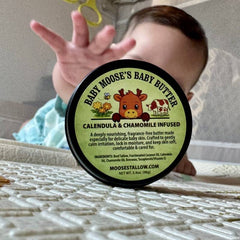
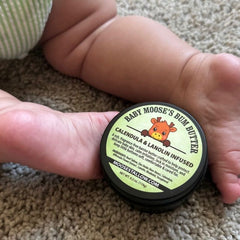
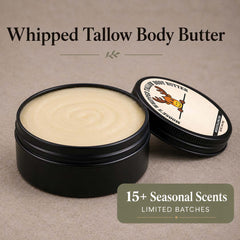
As you weigh your options, know that trusted, thoughtfully prepared skincare solutions are available. At Moose’s Tallow, we take sourcing seriously because we know you’re applying this to someone you love more than anything. Our Baby Butter is formulated with no fragrance and no honey, making it a gentler choice for sensitive infant skin. We also offer a calendula and chamomile-infused version, crafted to soothe and calm. Every batch is small, intentional, and made with ingredients that earn their place. If you’re looking for a starting point, our healing tallow lip balm is a great way to experience the quality firsthand. Browse our full line of all tallow products and find what fits your family best.
Frequently asked questions
Is beef tallow safe for my baby’s sensitive skin?
Dermatologists caution against use on infant skin due to possible irritation and lack of regulation, so research remains limited and careful patch testing is strongly advised before use.
What are the risks of using beef tallow on babies?
Risks include potential pore clogging, skin irritation, and contamination from unregulated sources, since tallow lacks the safety testing required of commercial baby products.
Are there safer alternatives to beef tallow for baby moisturization?
Yes. Medical authorities favor ceramide and petrolatum-based products for infant skin, as these have been clinically tested and are widely recommended by pediatric dermatologists.
Has beef tallow been proven to help with baby eczema?
Some parents report real improvements, but limited formal research means no major medical body has confirmed beef tallow as a safe or effective treatment for baby eczema.


0 comments