

Many parents avoid tallow for their baby’s skin, fearing it will feel greasy or cause irritation. Yet tallow’s fatty-acid profile is similar to infant skin’s natural sebum, which makes it remarkably compatible and gentle. This article explains why tallow stands out as a natural moisturizer for babies, how it compares to alternatives like coconut oil and shea butter, and what criteria help you choose the right product for your little one’s delicate skin.
Table of Contents
- How To Choose The Right Skincare For Your Baby: Key Criteria
- Understanding Tallow: Composition And Skin Compatibility
- Skin Barrier Support And Protection With Tallow
- Comparing Tallow To Other Natural Baby Moisturizers
- Safety And Allergy Considerations For Babies
- Application Tips For Parents: How To Use Tallow Safely And Effectively
- Summary Comparison And Situational Recommendations
- Discover Moose’s Tallow: Natural Baby Skincare Solutions
Key Takeaways
| Point | Details |
|---|---|
| Skin compatibility | Tallow’s fatty-acid profile is similar to infant skin sebum, which helps it hydrate deeply. |
| Barrier support | Regular use supports the skin barrier and helps the skin hold onto moisture. |
| Natural vitamins | Tallow is naturally rich in skin vitamins A, D, E, and K for nourishment and protection. |
| Low allergy risk | Properly rendered tallow is considered low in allergy risk, gentler than many plant oils. |
| Easy absorption | Compared to coconut oil and shea butter, tallow tends to absorb well and leave less residue. |
How to Choose the Right Skincare for Your Baby: Key Criteria
Selecting a moisturizer for your baby requires careful thought. Infant skin is thinner and more permeable than adult skin, making it vulnerable to irritants and moisture loss. You want a product that balances safety, effectiveness, and gentleness.
Skin compatibility and sensitivity are paramount. Your baby’s skin barrier is still developing, so ingredients should support rather than disrupt this natural process. Moisturizers should hydrate deeply while reinforcing the barrier to help protect against environmental stressors.
Ingredient purity matters. Products with minimal, recognizable ingredients reduce the risk of allergic reactions and sensitization. Synthetic fragrances, preservatives, and dyes can trigger irritation in sensitive infant skin. Tallow-based products with minimal ingredients may help reduce irritation risk compared to many synthetic lotions.
Texture affects compliance. A moisturizer that absorbs well without greasiness makes application easier and keeps your baby comfortable. Nobody wants residue rubbing onto clothes or bedding.
Brand transparency builds trust. Look for companies that disclose sourcing, processing methods, and testing. Reviews from other parents offer real-world insights into product performance and safety. When you choose tallow moisturizer naturally, prioritize brands that share full ingredient lists and manufacturing practices.
Pro Tip: Always perform a patch test by applying a small amount to your baby’s inner arm and waiting 24 hours before full application.
Understanding Tallow: Composition and Skin Compatibility
Tallow is rendered beef fat that has been used for skin care for centuries. Modern processing removes impurities while preserving the beneficial fatty acids and vitamins that make tallow well suited for infant skin.
Beef tallow’s fatty-acid profile is similar to human sebum, which supports deep hydration without heavy residue. It is rich in oleic acid, a monounsaturated fat that absorbs into skin easily, along with palmitic, stearic, and other saturated fats that provide structure and stability.
Naturally occurring vitamins set tallow apart from many plant-based alternatives. Vitamins A, D, E, and K are fat-soluble nutrients traditionally valued for supporting skin and helping protect against environmental stress. These vitamins are present in tallow in forms skin can readily use.
Modern rendered tallow tends to absorb well, dispelling the myth that animal fats sit heavily on skin. Properly processed tallow has a smooth, creamy texture that melts on contact with body heat. It spreads easily and absorbs into the outer skin layer without leaving a heavy greasy film.
“Tallow has been trusted for generations because it works with your skin’s natural biology, not against it.”
The benefits of tallow skincare extend to all ages, but they are especially valuable for babies whose skin barriers are still maturing. This biological compatibility makes tallow a thoughtful choice for parents seeking natural, effective moisturization that reflects traditional wisdom about this time-tested ingredient.
Skin Barrier Support and Protection with Tallow
Your baby’s skin barrier is the first line of defense against irritants, allergens, and moisture loss. A strong barrier keeps skin hydrated, comfortable, and resilient. Tallow provides the lipids that help build and maintain this protective layer.
Tallow helps the skin hold onto moisture, which supports infant skin hydration. This means your baby’s skin can stay softer and more supple throughout the day, with less dryness, flaking, and discomfort.
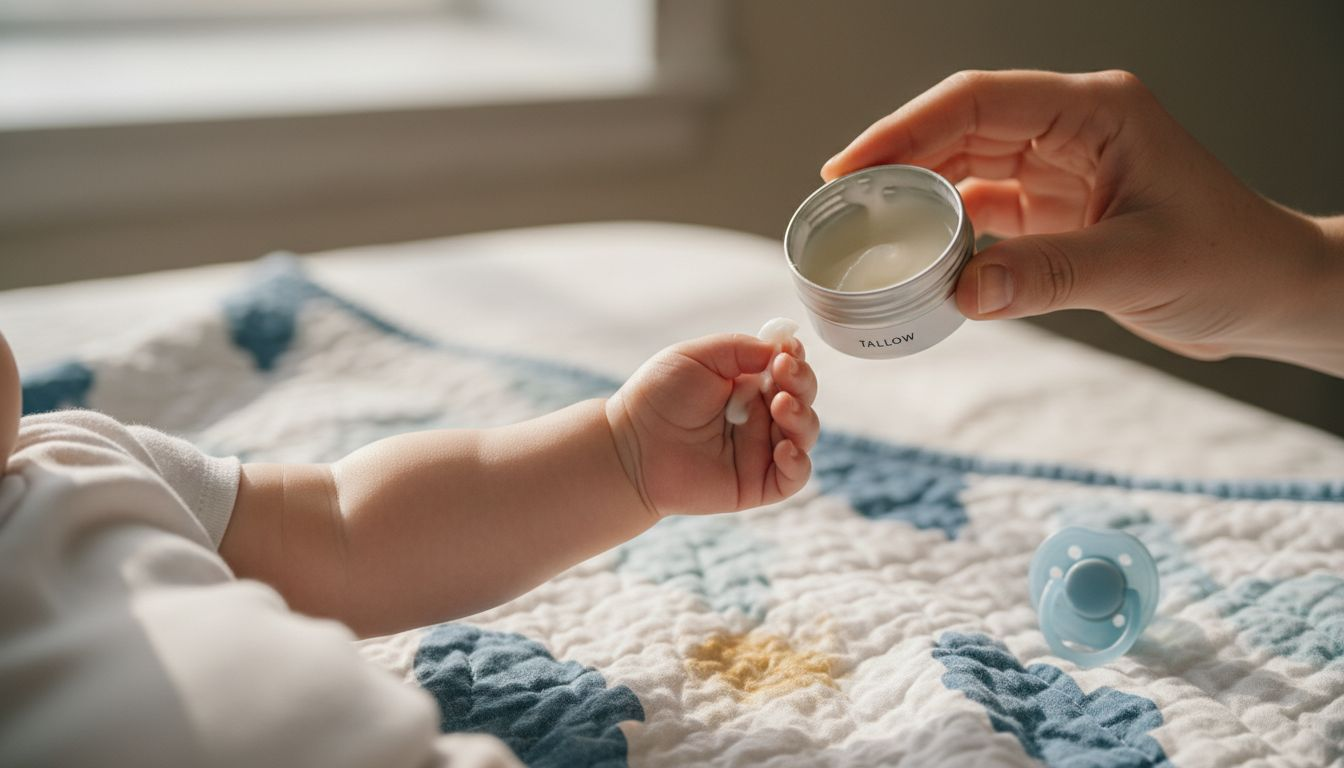
The fatty acids in tallow help replenish the lipids that hold skin cells together. Think of these lipids as the mortar between bricks. Without adequate lipids, the barrier weakens, allowing irritants to penetrate and moisture to escape. Tallow supplies the kind of lipids that developing skin needs to stay intact.
Moisture retention helps protect against common infant skin issues like diaper rash, cradle cap, and general dryness. When skin is well-hydrated, it can better resist friction, temperature changes, and contact with irritants. Regular use of tallow supports this natural defense system.
Long-term skin health benefits from early barrier support. Helping babies maintain healthy, comfortable skin barriers is a good foundation for resilient skin. Using tallow for dry skin relief establishes a foundation for soft, healthy skin as your child grows.
Pro Tip: Apply tallow immediately after bathing when skin is still slightly damp to lock in maximum moisture.
Comparing Tallow to Other Natural Baby Moisturizers
Parents have many natural moisturizer options. Understanding how tallow compares with coconut oil, shea butter, and commercial lotions helps you make an informed choice.
| Moisturizer | Absorption | Fatty Acid Match | Natural Vitamins | Allergy Risk |
|---|---|---|---|---|
| Tallow | Fast | Excellent | A, D, E, K | Very Low |
| Coconut Oil | Moderate | Moderate | E only | Low to Moderate |
| Shea Butter | Slow | Moderate | A, E | Low |
| Commercial Lotion | Variable | Poor | Synthetic additives | Moderate to High |
Absorption matters for practical use. Tallow tends to absorb quickly without leaving much residue. Coconut oil often absorbs more slowly and can feel greasy on baby skin. Shea butter can sit even heavier, which can be uncomfortable for infants and may transfer to clothing.
Fatty-acid profiles determine how well a moisturizer integrates with your baby’s natural skin oils. Tallow’s composition is closer to sebum than most plant oils, making it biologically well matched. Coconut oil is high in lauric acid, which has antimicrobial properties but does not match skin lipids as closely.
Natural vitamin content adds value. Tallow contains four fat-soluble vitamins that support skin nourishment and protection. Coconut oil and shea butter offer fewer vitamins, and commercial lotions typically rely on synthetic additives rather than naturally occurring nutrients.
Allergy risks vary. Properly rendered tallow is considered low in allergy risk, making it gentler than many plant-based oils. Coconut allergies, while uncommon, do occur. Some babies react to shea butter or the synthetic fragrances and preservatives in commercial products. When comparing tallow and coconut oil, tallow often shows strong compatibility and gentleness for sensitive infant skin.
Pro Tip: If your baby has food allergies, consult your pediatrician before introducing any new topical product, including plant oils.
Safety and Allergy Considerations for Babies
Safety is every parent’s top priority when choosing skincare for their baby. Tallow’s long history and simple composition make it one of the gentler natural moisturizers available.
Properly rendered tallow is considered low in allergy risk, making it a gentle option for infant use. This stems from the rendering process, which removes most proteins that typically trigger allergic reactions. What remains is largely fat, vitamins, and fatty acids that skin tends to recognize and accept.
Many parents report improvement in eczema-prone skin when switching to tallow-based products. The barrier-supporting lipids in tallow can help calm and comfort irritated skin and reduce further irritation. As always, check with your pediatrician for any persistent skin condition.
Sourcing matters. Choose tallow from trusted producers who use grass-fed beef and render in small batches. Avoid products with unknown or synthetic fillers, which can reintroduce the risk of irritation. Transparency about ingredients and processing builds confidence in product safety.
Patch testing remains a smart precaution. Apply a small amount of tallow to your baby’s inner forearm and observe for 24 hours. If no redness, swelling, or irritation appears, the product is generally safe for broader use. This simple step catches the rare sensitivity before it becomes a problem.
Read reviews and ask questions. Parents who have used a product can share real-world experiences about safety and effectiveness. Brands that engage with customers and answer questions openly demonstrate commitment to safety. Learning about tallow skincare myths helps separate fact from fiction, giving you confidence in your choice.
Application Tips for Parents: How to Use Tallow Safely and Effectively
Proper application helps you get the most from tallow and keeps your baby comfortable. Follow these steps for best results.
- Warm a small amount between your hands. Tallow softens with body heat, making it easier to spread. Start with a pea-sized amount and add more if needed.
- Apply after baths when skin is most receptive. Damp skin absorbs moisturizers more effectively. Pat your baby dry, leaving skin slightly moist, then apply tallow gently.
- Use moderate frequency to avoid over-greasing. Once or twice daily is usually sufficient. Adjust based on your baby’s skin condition and climate.
- Focus on dry or irritated areas. Common trouble spots include cheeks, elbows, knees, and the diaper area. Tallow helps soothe and protect these vulnerable zones.
- Store products properly to preserve purity. Keep tallow in a cool, dry place away from direct sunlight. Proper how to store tallow skincare products practices maintain freshness.
Pro Tip: If tallow feels too rich for daytime use, apply it at night as an intensive treatment while your baby sleeps.
Perform a patch test before first use. This identifies any rare sensitivities and gives you peace of mind. Once cleared, tallow becomes a reliable, versatile addition to your baby’s skincare routine.
Consistency matters. Regular use helps build and maintain skin barrier health over time. Many parents notice softer, more resilient skin within days of starting a tallow regimen. Many also find they can choose tallow over creams for all their baby’s moisturizing needs, simplifying their routine while improving comfort. For a product specifically formulated for infants, try all natural baby tallow butter designed with sensitive skin in mind.
Summary Comparison and Situational Recommendations
Choosing the right moisturizer depends on your baby’s specific skin needs. This table summarizes key differences to guide your decision.
| Factor | Tallow | Coconut Oil | Shea Butter | Commercial Lotion |
|---|---|---|---|---|
| Absorption Speed | Fast | Moderate | Slow | Variable |
| Barrier Support | Excellent | Good | Good | Variable |
| Allergy Risk | Very Low | Low-Moderate | Low | Moderate-High |
| Texture | Light, non-greasy | Can be greasy | Heavy | Variable |
| Natural Vitamins | A, D, E, K | E only | A, E | Synthetic |
For babies with dry or sensitive skin, tallow is a wonderful choice. Its fatty-acid profile and vitamin content provide deep hydration and barrier support while staying gentle. Parents seeking easy absorption and a non-greasy texture will appreciate how tallow melts into skin.
If your baby has allergy-sensitive skin, tallow’s low allergy risk makes it a gentle option. Avoid products with synthetic fragrances or preservatives that increase reaction risk. Simple, pure ingredients work best for delicate skin.
Coconut oil works well for babies who need antimicrobial benefits, such as those prone to yeast-related diaper rash. However, its slower absorption and greasier feel make it less ideal for general daily use. Shea butter suits babies who tolerate heavier textures and need intensive moisture for very dry patches.
Commercial lotions vary widely in quality and safety. Many contain synthetic additives that offer little benefit and may cause irritation. If you choose a commercial product, read ingredient lists carefully and prioritize those with minimal, natural components.
Trial and monitoring help personalize your choice. Every baby’s skin is unique. Start with small amounts, observe how your baby’s skin responds, and adjust as needed. Many parents find that tallow’s combination of gentleness, effectiveness, and ease of use makes it their go-to moisturizer for infant skincare.
Discover Moose’s Tallow: Natural Baby Skincare Solutions
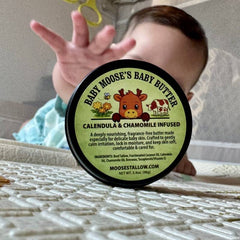
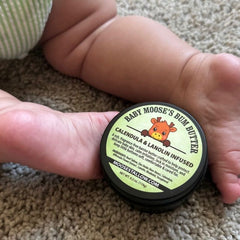
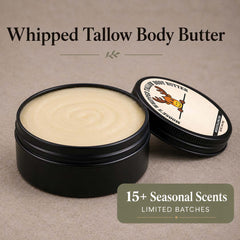
Moose’s Tallow offers pure, minimal-ingredient tallow products crafted with baby skin in mind. Our formulas prioritize gentleness, easy absorption, and skin barrier support, giving you confidence in what you apply to your little one. Explore our featured beef tallow items to find the right match for your baby’s needs. Our all natural baby butter is designed with sensitive infant skin in mind, blending grass-fed tallow with carefully chosen oils for gentle, effective hydration. Visit our blog to learn how to choose tallow moisturizer and make informed decisions. Shop with confidence in natural baby skincare solutions that nourish, protect, and bring comfort to your daily routine.
Frequently Asked Questions
What is tallow and why is it good for baby skin?
Tallow is rendered beef fat naturally rich in skin-friendly fatty acids and vitamins. It moisturizes deeply, supports skin barrier function, and tends to absorb well without leaving heavy greasiness, making it well suited to delicate infant skin.
Is tallow safe to use on newborns and infants?
Properly processed tallow is considered low in allergy risk. Patch testing and sourcing from trusted brands with minimal additives help ensure gentle use on babies. For newborns, check with your pediatrician first.
How does tallow compare to coconut oil and shea butter for baby skincare?
Tallow tends to absorb well and matches skin’s natural oils more closely than coconut oil or shea butter. It is also generally low in allergy risk and rich in natural vitamins, making it a gentle choice for sensitive baby skin.
What is the best way to apply tallow to my baby’s skin?
Use small amounts warmed between your hands and apply after bathing when skin is hydrated. Avoid overuse to prevent greasiness and always perform a patch test before first full application.


0 comments