

Finding real relief for your family’s dry skin can be frustrating when most products only offer temporary comfort. American mothers who prioritize both health and natural ingredients are looking for alternatives that truly nourish. Tallow-based skincare delivers deep moisture because its fatty acids closely mimic the lipids in human skin, offering lasting hydration that goes beyond the surface. Discover how this traditional, nutrient-rich moisturizer stands apart from typical lotions and provides meaningful support for dry or sensitive skin.
Table of Contents
- What Is Tallow and How Is It Made?
- Why Tallow Moisturizes Dry Skin Deeply
- Nutrients and Fatty Acids in Tallow Balm
- Potential Risks and Who Should Avoid Tallow
- Comparing Tallow With Other Moisturizers
Key Takeaways
| Point | Details |
|---|---|
| Tallow Production | Tallow is derived from animal fat, primarily from cattle and sheep, and is made through a rendering process that transforms raw fat into a usable substance. |
| Unique Skin Benefits | Tallow closely mimics human skin lipids, allowing deep penetration for moisturizing, unlike many traditional moisturizers. |
| Nutrient Richness | Tallow balm includes essential fatty acids and fat-soluble vitamins A, D, E, and K, which nourish and support skin health effectively. |
| Cautions for Use | Individuals with oily or sensitive skin should approach tallow with caution due to its occlusive nature and potential for irritation. |
What Is Tallow and How Is It Made?
Tallow is a remarkable substance with a rich history of versatile applications, particularly in skincare. Traditionally produced from animal fat, tallow is a waxy substance primarily derived from the hard fat surrounding cattle and sheep kidneys and loins. The composition of tallow includes glyceryl esters of fatty acids like oleic, palmitic, and stearic acids, making it a complex and nutrient-rich material.
The production of tallow involves a meticulous process called rendering, which transforms raw animal fat into a clean, usable substance. Here’s how it works:
- Trimming fatty tissue from specific areas of the animal
- Cutting the fat into small, uniform pieces
- Slowly melting (rendering) the fat using low heat
- Filtering out connective tissues and impurities
- Cooling the remaining pure fat into a stable, smooth substance
Rendering Methods typically include stovetop cooking or using slow cookers, which gently separate pure fat from unwanted elements. The rendering process ensures a clean, stable fat suitable for various applications like cooking, soap making, and skincare.
Historically, tallow was primarily used for candle and soap production. However, modern applications have expanded significantly, particularly in natural skincare. Its molecular structure closely resembles human skin lipids, which makes it exceptionally compatible with our skin’s biology.
Pro tip: When sourcing tallow for skincare, always choose grass-fed, locally sourced beef suet for the highest quality and most nutrient-dense rendering.
Why Tallow Moisturizes Dry Skin Deeply
Tallow offers an extraordinary solution for dry skin relief, thanks to its remarkable molecular composition that closely mimics human skin lipids. Unlike many traditional moisturizers that sit on the skin’s surface, tallow can penetrate deeply into the skin barrier, providing true hydration at a cellular level.
The science behind tallow’s effectiveness lies in its unique fatty acid profile:
- Contains triglycerides like oleic, palmitic, stearic, and linoleic acids
- Matches the lipid structure of human skin sebum
- Supports natural skin elasticity
- Reduces water loss from the skin
- Provides long-lasting moisture
Skin Barrier Repair is another critical benefit of tallow. Research indicates that tallow’s composition supports therapeutic skin hydration, helping to nourish and protect the stratum corneum - the outermost layer of skin responsible for moisture retention.
When applied, tallow works differently from conventional moisturizers. Its biocompatible nature allows it to integrate seamlessly with your skin’s natural lipid structure, creating a protective barrier that locks in moisture while allowing the skin to breathe. This makes tallow particularly effective for individuals with sensitive, dry, or compromised skin conditions.

Pro tip: For maximum absorption, apply tallow-based moisturizers to slightly damp skin, which helps lock in additional hydration and enhance the product’s effectiveness.
Nutrients and Fatty Acids in Tallow Balm
Tallow balm is a nutritional powerhouse for skin health, offering a complex blend of nutrients that go far beyond typical moisturizers. Beef tallow contains a remarkable fatty acid profile that makes it exceptionally beneficial for dry and sensitive skin.
The key nutrients found in tallow balm include:
- Saturated fatty acids (palmitic and stearic acids)
- Monounsaturated oleic acid
- Fat-soluble vitamins A, D, E, and K
- Natural antioxidant compounds
- Skin-identical lipid structures
Each of these components plays a critical role in skin health. The saturated and monounsaturated fatty acids help create a protective barrier, while the fat-soluble vitamins provide deep nourishment and support cellular repair. Vitamin Composition is particularly noteworthy, as these nutrients work synergistically to combat dry skin, reduce inflammation, and support overall skin resilience.
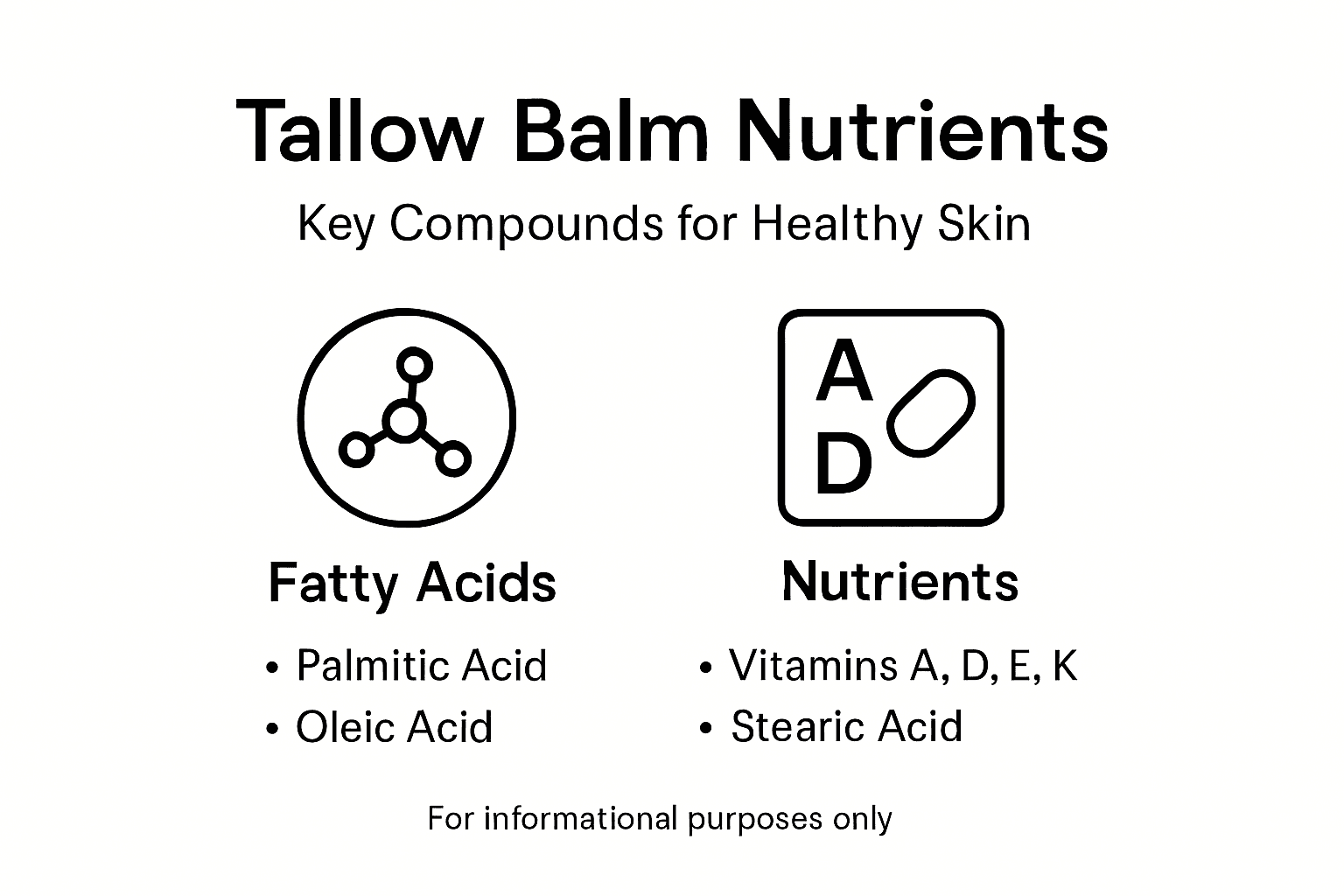
Unlike synthetic moisturizers that offer temporary relief, tallow balm’s nutrient-rich composition works with your skin’s natural biology. The fatty acids closely mimic human skin lipids, allowing for deep penetration and long-lasting hydration. This means your skin receives genuine nourishment, not just surface-level moisture.
Pro tip: Choose tallow balms made from grass-fed beef suet to ensure the highest concentration of nutrient-dense fatty acids and vitamins.
Here’s a quick summary of tallow’s main nutrients and their skincare benefits:
| Nutrient or Fatty Acid | Role in Skin Health | Unique Benefit |
|---|---|---|
| Oleic Acid | Supports moisture absorption | Enhances skin softness |
| Palmitic Acid | Strengthens skin barrier | Protects against dryness |
| Stearic Acid | Aids in texture and suppleness | Promotes smooth feel |
| Vitamin A | Boosts cellular repair | Fights signs of aging |
| Vitamin D | Helps regulate skin immunity | May reduce inflammation |
| Vitamin E | Acts as antioxidant | Shields against free radicals |
| Vitamin K | Supports skin healing | Minimizes visible redness |
| Skin-identical Lipids | Enhance compatibility | Deeply hydrates sensitive skin |
Potential Risks and Who Should Avoid Tallow
Dermatologists recommend caution when using tallow-based skincare, especially for individuals with specific skin conditions. While tallow offers numerous benefits, it’s not a universal solution for everyone’s skincare needs.
Individuals who should exercise extra care or potentially avoid tallow include:
- People with oily or acne-prone skin
- Those with sensitive skin types
- Individuals prone to clogged pores
- Persons with existing skin inflammation
- Anyone with a history of allergic reactions to animal products
Skin Sensitivity Factors play a crucial role in determining tallow’s suitability. The heavy occlusive nature of tallow can create challenges for certain skin types, potentially leading to breakouts or irritation. Clinical research highlights potential microbial contamination risks with handmade or small-batch tallow products, particularly those lacking proper preservatives.
Before incorporating tallow into your skincare routine, it’s essential to understand your skin’s unique characteristics. A professional patch test can help determine whether tallow will work effectively for your specific skin type. Small-batch and homemade tallow products require extra scrutiny to ensure quality, purity, and safety.
Pro tip: Always conduct a patch test on a small area of skin and consult with a dermatologist if you have any concerns about using tallow-based skincare products.
Comparing Tallow With Other Moisturizers
Tallow offers unique advantages compared to traditional plant-based moisturizers, presenting a compelling alternative for those seeking natural skincare solutions. Unlike many commercial moisturizers that rely on synthetic ingredients, tallow provides a more biologically compatible approach to skin hydration.
Key differences between tallow and other moisturizers include:
- Molecular Structure Compatibility
- Nutrient Density
- Absorption Rates
- Environmental Sustainability
- Skin Barrier Support
Fatty Acid Profiles distinguish tallow from plant-based oils. Tallow’s composition remarkably mirrors human skin lipids, allowing for deeper and more effective moisture penetration. Plant oils like coconut, olive, and jojoba offer surface-level hydration but often struggle to match the intrinsic compatibility of animal-derived fats.
The sustainability factor further sets tallow apart. While many plant oils require extensive agricultural resources, tallow represents a circular economy solution by utilizing byproducts from livestock processing. This approach reduces waste and creates value from materials that might otherwise be discarded. Additionally, tallow’s rich nutrient profile - including fat-soluble vitamins A, D, E, and K - provides comprehensive skin nourishment that many synthetic moisturizers cannot replicate.
Pro tip: When comparing moisturizers, look beyond marketing claims and examine the ingredient’s biological compatibility with your skin’s natural lipid structure.
Compare tallow with common plant-based moisturizers for key skin hydration factors:
| Feature | Tallow (Animal-Based) | Plant-Based Oils |
|---|---|---|
| Lipid Structure | Closely matches human skin | Differs from skin’s lipids |
| Nutrient Concentration | High in vitamins A, D, E, K | Often lower in fat-soluble vitamins |
| Moisture Penetration | Deep, long-lasting hydration | Surface-level, shorter effect |
| Environmental Sustainability | Utilizes byproducts, reduces waste | Depends on large-scale farming |
| Potential for Irritation | Possible for sensitive skin | Varies depending on oil type |
| Barrier Support | Strengthens and repairs skin | May provide lighter protection |
Discover Deep Relief for Dry Skin with Moose’s Tallow
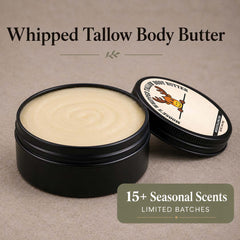
If you struggle with persistent dry or sensitive skin that refuses to respond to typical moisturizers, tallow offers a gentle yet powerful solution. As the article highlights, tallow’s unique fatty acid profile closely mimics human skin lipids, providing deep hydration that penetrates skin layers while supporting the skin barrier and reducing water loss. Moose’s Tallow captures this time-tested formula, combining carefully rendered grass-fed beef tallow with nourishing oils and vitamins to deliver comfort and healing in every application.
Explore our range of Handmade Small-Batch Skincare designed to absorb quickly without greasiness, perfect for soothing dry hands or compromised skin. For a richer option infused with eggshell membrane nutrients, check out our Egg Yolk Oil Infused Items. Dive deeper into tallow benefits with our Featured Beef Tallow Items that have earned high praise from customers who once battled dry, irritated skin.
Ready to transform your skincare routine with natural, effective hydration? Visit Moose’s Tallow now and choose the perfect product to restore your skin’s moisture and resilience today.
Frequently Asked Questions
What is tallow and how is it made?
Tallow is a type of rendered animal fat, primarily derived from cattle and sheep. It is made by trimming fatty tissue, cutting the fat into small pieces, melting it slowly, and filtering out impurities to create a pure, stable substance.
How does tallow help with dry skin?
Tallow closely mirrors human skin lipids, allowing it to penetrate deeply into the skin. It provides hydration at a cellular level and helps to repair the skin barrier, effectively reducing water loss and ensuring long-lasting moisture.
Can anyone use tallow for skincare?
While tallow has many benefits, people with oily or acne-prone skin and those with specific skin sensitivities should exercise caution. A patch test is recommended for anyone considering adding tallow to their skincare routine, especially individuals with sensitive skin or skin inflammation.
How does tallow compare to traditional moisturizers?
Tallow offers unique advantages over many plant-based moisturizers because of its nutrient density and compatibility with human skin. It provides deeper hydration and nourishment through its fatty acid profile, while many plant oils may only offer surface-level hydration.
Recommended
- Why Choose Tallow Over Creams for Sensitive Skin – Moose’s Tallow
- 7 Tallow Skincare Myths Every Mom Should Stop Believing – Moose’s Tallow
- The Benefits of Tallow Skincare for Your Natural Routine – Moose’s Tallow
- How to Choose Tallow Moisturizer Naturally for Healthier Skin – Moose’s Tallow
- 7 Types of Natural Soaps Every Eco-Friendly Home Needs – The Soap Lab Scotland


0 comments