

You’ve probably seen ‘natural’ plastered on countless skincare products, but what does it actually mean? The term is frustratingly vague, and brands use it freely without clear standards. Many consumers seeking simple, safe options, especially tallow-based skincare, struggle to distinguish authentic natural products from clever marketing. This guide cuts through the confusion by explaining the regulations, certifications, and ingredient criteria that truly define natural skincare, so you can make informed choices with confidence.
Table of Contents
- What Defines Natural Skincare Ingredients?
- Standards And Certifications Shaping Natural Skincare In 2026
- The Role And Reality Of Tallow In Natural Skincare
- How To Identify And Choose Truly Natural Skincare Products
- Explore Our Natural Tallow Skincare Collection
- Frequently Asked Questions
Key takeaways
| Point | Details |
|---|---|
| Natural ingredients come from plants, animals, or minerals with strict safety standards | European regulations ban over 1,700 substances to ensure consumer safety |
| ISO 16128 and NPA Natural Seal provide global certification frameworks | These standards harmonize natural skincare definitions and protect against greenwashing |
| Tallow offers practical benefits but lacks proven clinical therapeutic effects | Its stable lipid composition suits skincare, though scientific evidence for healing remains insufficient |
| Certifications like Naturland prohibit synthetic additives and nanoparticles | They ensure ecological processing and transparent ingredient sourcing |
| Transparent ingredient lists and recognized certifications are your best tools | Check for natural origins and absence of banned substances when choosing products |
What defines natural skincare ingredients?
Natural skincare starts with ingredient origin. Under European Cosmetic Regulation (EC Regulation 1223/2009), ingredients must come from plants, animals, or minerals. This foundational requirement sets the stage for what can legitimately be called natural.
Safety restrictions matter just as much as origin. Annex II lists 1,729 prohibited substances that cannot appear in cosmetic products sold in the EU. These banned ingredients include carcinogens, mutagens, and reproductive toxins that pose serious health risks.
Certification standards add another layer of protection. Naturland standards ban synthetic dyes, perfumes, silicone, and nanoparticles, ensuring products stay true to natural principles. Processing methods must preserve the natural integrity of ingredients without introducing harmful synthetic chemicals.
Here’s what qualifies as natural under these regulations:
- Plant extracts, oils, and botanicals processed through gentle methods
- Animal-derived ingredients like beeswax, lanolin, and tallow from sustainable sources
- Mineral compounds including clays, salts, and oxides
- Water and naturally occurring preservatives
Understanding these criteria helps you recognize authentic natural skincare benefits and avoid misleading claims. When ingredients meet these origin and safety standards, you’re looking at genuinely natural skincare that prioritizes your wellbeing over marketing hype.
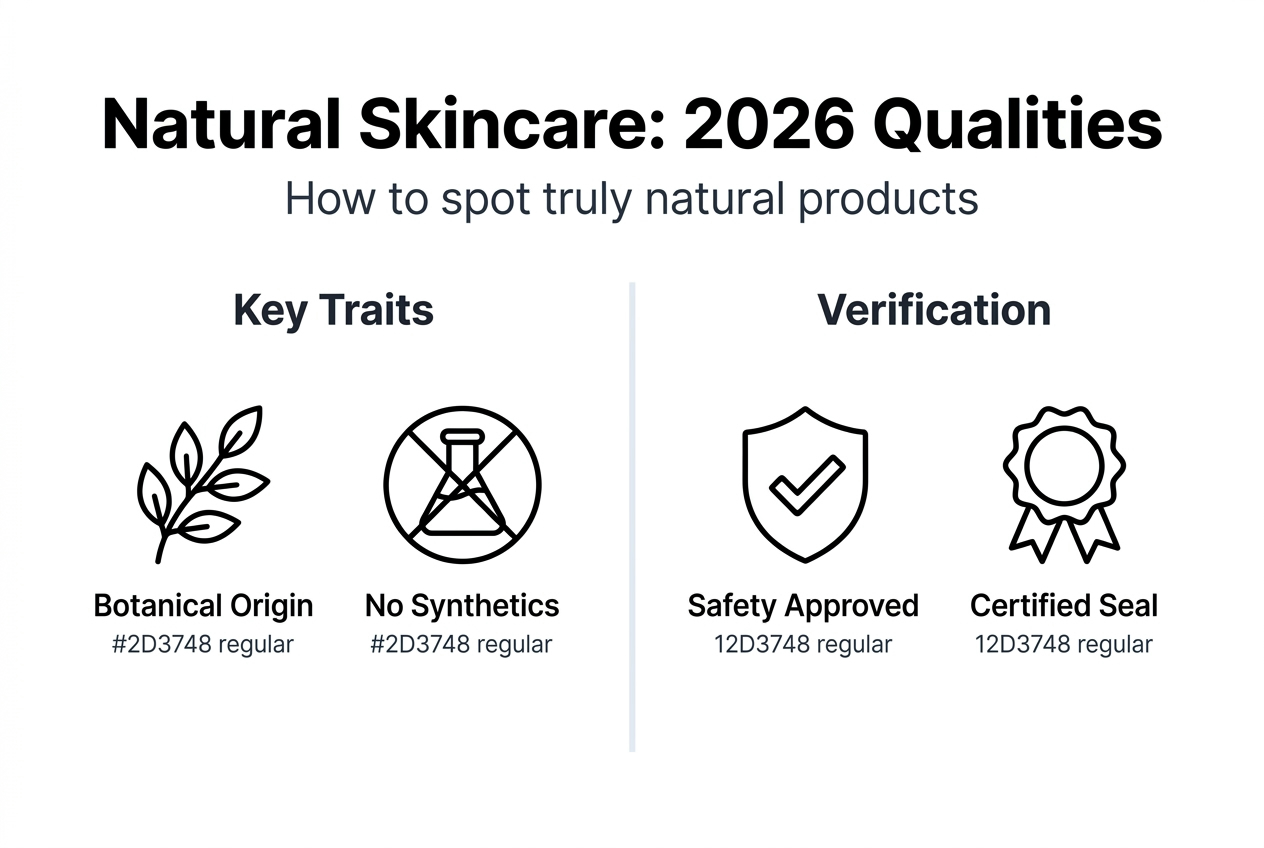
Standards and certifications shaping natural skincare in 2026
Global standards have emerged to bring consistency to natural skincare definitions. ISO 16128 provides calculation methods for determining naturalness percentages in cosmetic products. This international framework helps manufacturers quantify and verify their natural ingredient claims, creating transparency across borders.
The NPA Natural Seal requires safe, sustainable ingredients without petroleum derivatives or animal testing. Products earning this certification must meet strict standards for ingredient sourcing, processing, and environmental impact. It’s a comprehensive approach that addresses both product safety and ecological responsibility.
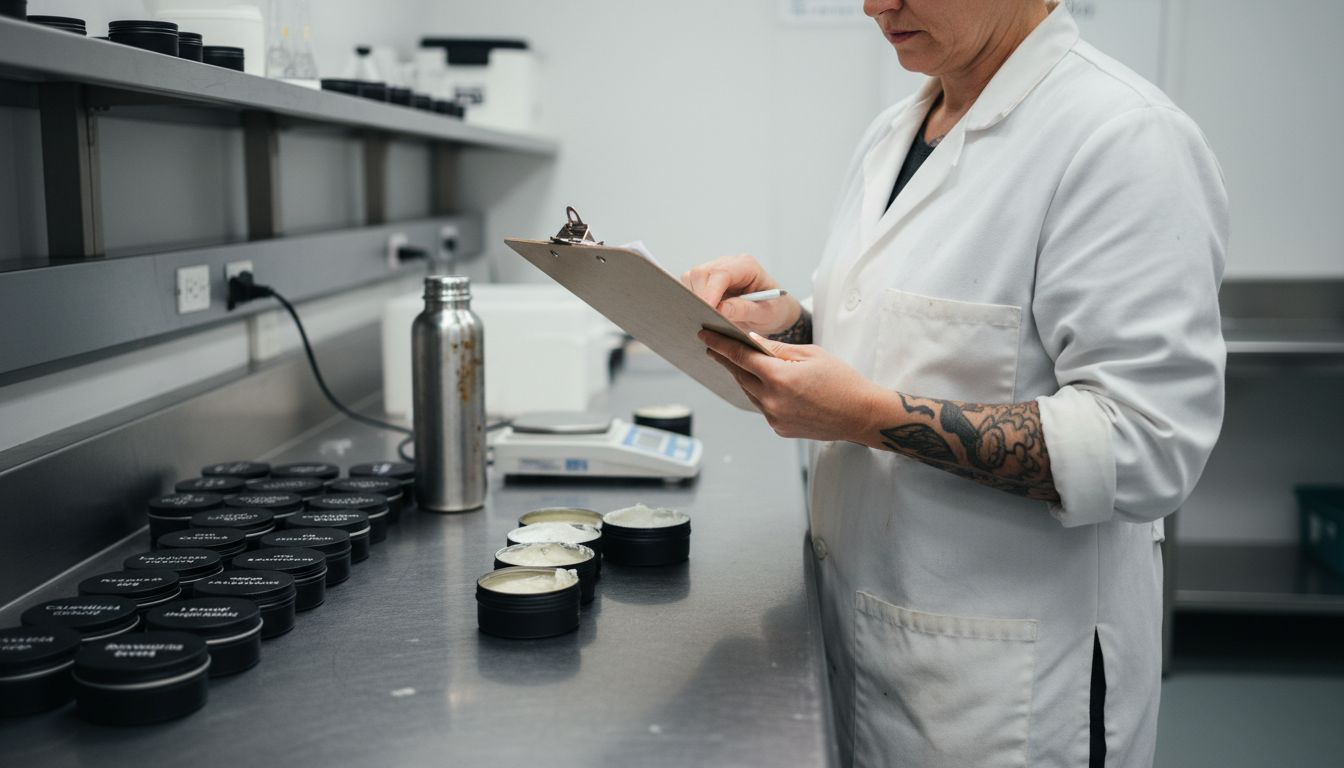
Naturland focuses on organic origin and prohibits synthetic nanoparticles entirely. Their standards emphasize ecological farming practices and traditional processing methods that honor ingredient integrity. This certification particularly appeals to consumers seeking products with minimal environmental footprint.
Here’s how major certifications compare:
| Certification | Key Requirements | Banned Substances | Animal Testing |
|---|---|---|---|
| ISO 16128 | Natural origin calculation methods | Follows regional regulations | Not specified |
| NPA Natural Seal | 95%+ natural ingredients | Petroleum derivatives, parabens | Prohibited |
| Naturland | Organic origin priority | Synthetic dyes, nanoparticles, silicones | Prohibited |
These standards protect you from greenwashing, the practice of making misleading environmental claims. When you see recognized natural skincare certification standards on products, you’re getting independently verified quality. Certification bodies conduct regular audits and testing to ensure ongoing compliance.
Pro Tip: Don’t assume all “natural” labels mean the same thing. Look for specific certification logos from recognized organizations rather than generic natural claims without backing.
The certification process itself adds value. Manufacturers must document sourcing, processing methods, and ingredient percentages. This transparency creates accountability and helps you make informed choices about what touches your skin daily.
The role and reality of tallow in natural skincare
Beef tallow comes from rendered ruminant visceral fat, processed through heating to remove impurities and proteins. The resulting product is a stable, shelf-safe lipid that’s been used in skincare for generations. Its composition includes saturated and monounsaturated fatty acids that structurally resemble skin lipids.
Despite marketing claims about skin compatibility, no credible clinical evidence supports beef tallow for moisturizing or wound healing. The science simply hasn’t caught up with the traditional use claims. Research gaps remain significant, and anecdotal reports shouldn’t be confused with validated therapeutic benefits.
Tallow does offer practical advantages. Its stable lipid matrix provides longer shelf life than raw animal fats. The rendering process creates a product that resists rancidity and maintains consistency across batches. These qualities make it attractive for small-batch skincare formulation.
Here’s what tallow genuinely provides:
- Natural lipid base compatible with simple formulations
- Shelf stability without synthetic preservatives
- Traditional ingredient with cultural skincare history
- Rich texture that spreads easily on skin
The gap between marketing and science matters. Brands often claim tallow “mimics skin’s natural oils” or “penetrates deeply to heal,” but these statements lack clinical backing. You deserve honesty about what ingredients can and cannot do.
Pro Tip: When evaluating tallow products, focus on what’s proven (stable natural lipid base, traditional use) rather than therapeutic claims lacking scientific support. Ask brands for clinical studies if they make healing or anti-aging promises.
Tallow works well in choosing tallow moisturizer formulations because of its practical qualities, not miraculous properties. It creates a protective barrier, delivers nourishing lipids, and offers a genuinely natural ingredient option. Just keep expectations realistic and grounded in what’s actually demonstrated rather than what sounds appealing.
How to identify and choose truly natural skincare products
Start with ingredient transparency. Manufacturers must ensure natural sources for all components in certified natural products. Look for clear listings showing botanical names, mineral sources, or animal-derived ingredients without vague terms like “fragrance” or “parfum.”
Certifications offer shortcuts to quality verification. Products bearing NPA Natural Seal or Naturland logos have undergone independent auditing. These marks confirm adherence to strict ingredient and processing standards, saving you from decoding every chemical name yourself.
Processing methods reveal commitment to natural principles. Permissible techniques include washing, drying, steam cleaning but exclude synthetic chemical treatments. Natural products should list extraction methods on labels or company websites.
Avoid these red flags when shopping:
- Synthetic dyes (often listed as FD&C or D&C color numbers)
- Petroleum derivatives like mineral oil or petrolatum
- Nanoparticles (sometimes indicated by particle size specifications)
- Long lists of unpronounceable synthetic preservatives
- Missing or vague ingredient sourcing information
Use this comparison approach when evaluating products:
| Authentic Natural | Misleading Natural |
|---|---|
| Specific botanical names | Vague “natural fragrance” |
| Recognized certifications | Generic “natural” claims |
| Transparent processing info | No sourcing details |
| Short ingredient lists | 30+ synthetic additives |
| Clear animal/plant origins | Petroleum derivatives present |
Create a personal checklist based on these criteria. Check the tallow product safety checklist for tallow-specific guidance. Review ingredients to avoid list before purchasing any skincare product.
Pro Tip: Take photos of ingredient lists when shopping in stores. Research unfamiliar ingredients at home rather than making rushed decisions. Many synthetic additives hide behind scientific names that sound natural.
Don’t assume natural automatically means better for everyone. Some plant extracts trigger allergies just like synthetic ingredients can. The key is knowing what you’re applying and choosing products that meet verified natural standards while working for your specific skin needs.
Explore our natural tallow skincare collection
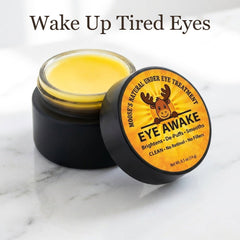
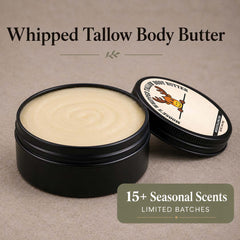
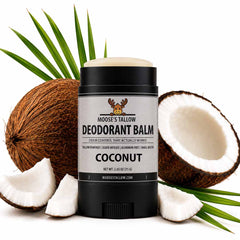
Now that you understand what makes skincare truly natural, you’re ready to experience products that meet these high standards. Moose’s Tallow creates handcrafted skincare using thoughtfully rendered beef tallow as the foundation. Every batch prioritizes simple, intentional ingredients that earn their place in the formula.
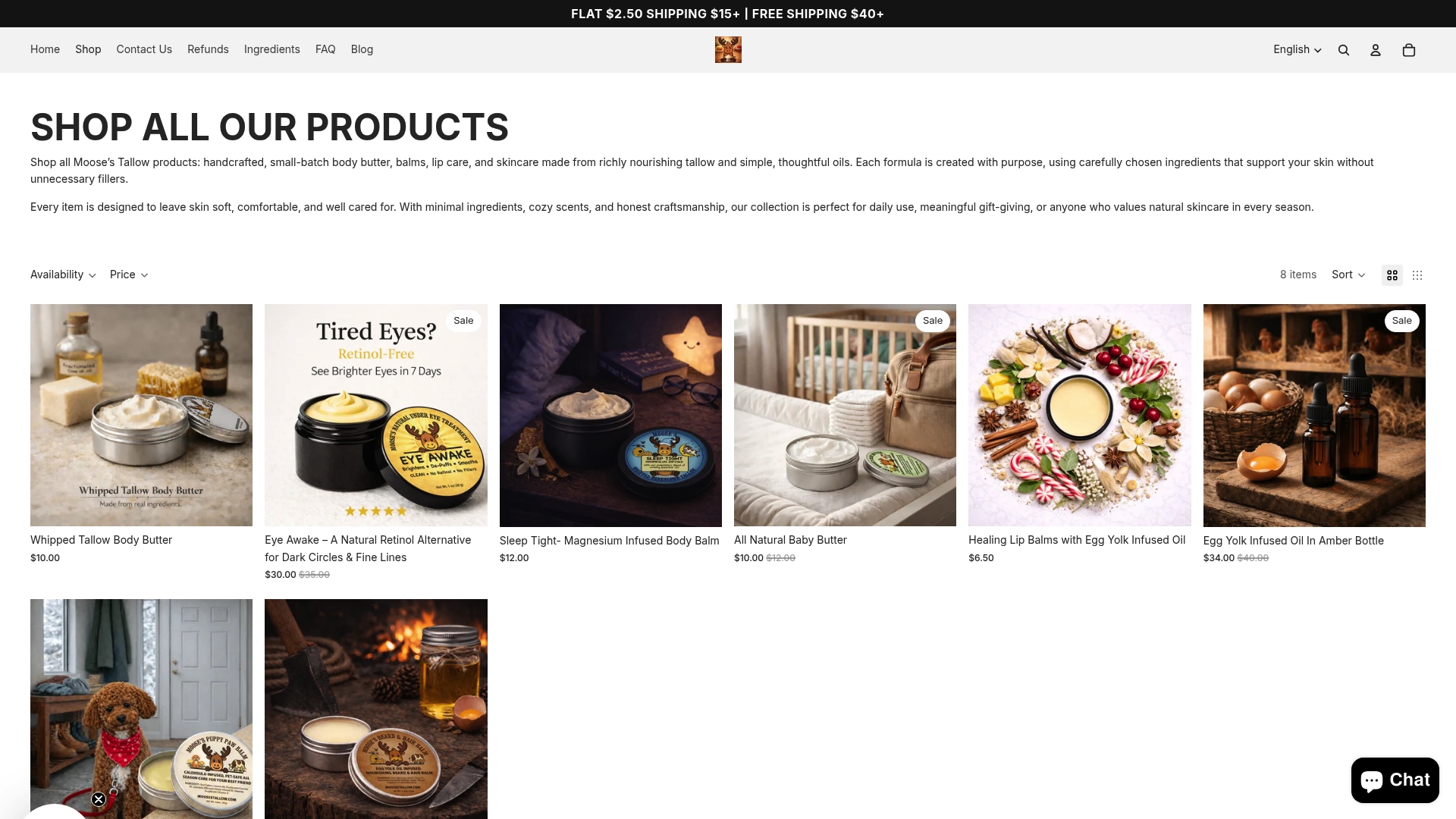
Our featured beef tallow items showcase the nourishing power of minimally processed natural ingredients. From rich body balms to gentle facial care, each product delivers the warmth and comfort of old-world skincare made for modern needs. The all natural baby butter balm exemplifies our commitment to safe, effective natural care for even the most sensitive skin. Explore the collection and discover skincare that feels as good as it looks on the ingredient list.
Frequently asked questions
What does ‘natural skincare’ really mean?
Natural skincare refers to products made from plant, animal, or mineral ingredients that meet safety regulations and avoid prohibited synthetic substances. The term has specific definitions under standards like ISO 16128 and NPA Natural Seal. Without certification backing, the word “natural” on labels can be marketing rather than verified fact.
Is beef tallow proven to heal or moisturize skin?
No credible clinical evidence supports beef tallow for moisturizing or wound healing effects. While its lipid composition resembles skin fats and traditional use is widespread, scientific studies validating therapeutic benefits remain absent. Popularity stems from stable formulation properties and cultural skincare history rather than proven medical efficacy.
How can I ensure a skincare product is truly natural?
Look for recognized certifications like NPA Natural Seal and Naturland on product packaging. Check ingredient lists for specific botanical, mineral, or animal sources without synthetic additives. Verify that banned substances, petroleum derivatives, and synthetic dyes are absent from formulations.
Are natural skincare products always safer and better for sensitive skin?
Natural doesn’t guarantee safety for sensitive skin types. Restricted substances include allergenic compounds found in some essential oils and botanical extracts. Regulations protect consumers from known allergens, but individual reactions vary. Always patch test new products regardless of natural status.
Do natural skincare certifications differ by country?
Yes, certification requirements vary globally. European standards emphasize extensive banned substance lists, while American certifications like NPA focus on ingredient percentages and sustainability practices. ISO 16128 provides international harmonization, but regional certifications add specific local requirements. Check which standards apply to products you’re considering.
Why do some natural products still contain preservatives?
Even natural products need preservation to prevent microbial growth and maintain safety. Permitted natural preservatives include specific plant extracts, essential oils with antimicrobial properties, and naturally derived acids. These ingredients extend shelf life without synthetic chemical preservatives that certification standards prohibit.


0 comments