

Most cradle cap clears up with gentle home care and patience. Softening scales with oil, brushing them loose with a soft brush, and washing with mild baby shampoo works for most babies. Rinse every trace of oil out afterward. Call your pediatrician if you see redness, weeping, pus, pain, fever, or spreading beyond the scalp.
TL;DR:
- Gentle oiling, brushing, and thorough shampooing every few days can effectively clear cradle cap within weeks, with consistency being key.
- Avoid picking, leaving residual oil without rinsing, and using medicated shampoos unless directed by a pediatrician, to prevent worsening the condition.
- Signs needing medical attention include spreading redness, oozing, pain, fever, or no improvement after several weeks of home care.
- Cradle cap results from leftover maternal hormones and excess oil, not hygiene or diet, and does not involve infection or contagion.
- Proper scalp care involves minimal ingredients, like water-free oils and natural moisturizers, to support skin health without unnecessary fillers.
What Does Cradle Cap Look Like?
Cradle cap shows up as greasy, yellowish flakes or thick, crusty patches on your baby’s scalp. Some babies get dry, white scales instead, similar to dandruff but stickier. The skin underneath is usually not irritated, which is one clue that separates cradle cap from other rashes.
It shows up most often in the first three months of life. Most cases fade on their own by six months to a year, sometimes sooner with a little help at home.
- Greasy yellow or brown scales, often in patches
- Dry, flaky patches that look like dandruff
- Mild redness under the flakes, but no swelling or pain
- Occasionally spreads to eyebrows, eyelids, or behind the ears
If the redness looks angry, spreads past the scalp, or the eyelids seem swollen and irritated, that points to a different skin condition. That is your cue to loop in a pediatrician rather than keep treating it as cradle cap.
What Causes Cradle Cap in Babies?
Cradle cap is not caused by poor hygiene, and it is not contagious. Your baby did not catch it from anyone, and nothing you did brought it on.
The likely drivers are leftover maternal hormones and overactive oil glands on a newborn’s scalp. That extra oil creates the sticky environment where dead skin cells cling instead of shedding normally. A yeast called Malassezia may also play a role, which is why some pediatricians reach for antifungal shampoo in stubborn cases.
- Extra oil production tied to hormones passed from mother to baby
- Possible yeast involvement, not an infection in the usual sense
- No link to allergies, diet, or how often you bathe your baby
- Not something you caused and not something you could have prevented
Understanding this takes the guilt out of the equation. Cradle cap is a normal, temporary quirk of newborn skin, not a sign you missed something.
How Do You Treat Cradle Cap Naturally at Home?
This is the routine most pediatric sources recommend, and it works because it respects the skin instead of fighting it.
- Soften the scales first. Warm a small amount of mineral oil, baby oil, or petroleum jelly and massage it into the scalp. Clinicians note this softening step can take anywhere from a time that varies with the thickness of the scales(https://www.mayoclinic.org/diseases-conditions/cradle-cap/diagnosis-treatment/drc-20350400). Leaving oil on longer than that, or skipping the rinse, tends to add to the buildup rather than clear it.
- Brush gently, never pick. Use a soft-bristle baby brush or a fine-tooth comb in small circles to lift loosened flakes. Stop if a scale resists. Picking at attached scales risks breaking the skin and inviting irritation.
- Shampoo and rinse thoroughly. Wash with a mild baby shampoo, working it through the scalp to catch any oil residue. Rinsing fully matters as much as the oiling step since leftover oil just feeds the next round of scales.
- Repeat every few days. Healthychildren for most babies, brushing gently each time you shampoo, until the scalp looks clear.
Pro Tip: Keep a simple note on your phone: date, what you used, how long the oil sat, and how the scalp looked afterward. If you ever need a pediatrician’s help, that log answers half their questions before they ask.
A few extra rounds of this cycle are often all it takes. Some babies clear up in a week; others take a few cycles over several weeks. Consistency beats intensity here.
What Should You Avoid When Treating Cradle Cap?
A few habits do more harm than good, even when they seem helpful in the moment.
- Never pick or scratch at scales. Forcing them off can damage the skin and raise infection risk.
- Do not leave oil on without shampooing it out. Residue builds up and often makes flaking worse, not better.
- Skip medicated dandruff shampoos, salicylic acid products, or steroid creams unless your pediatrician specifically recommends them for your baby.
- Coconut oil and breast milk are popular home suggestions, but neither one clears cradle cap on its own. They can serve as a mild pre-wash softener at most, same as any gentle oil, followed by a real shampoo and rinse.
When Should You Call a Pediatrician About Cradle Cap?
Most cradle cap needs nothing more than patience and the routine above. Certain signs mean it is time to get a professional opinion.
- Redness that looks angry, swollen, or is spreading beyond the scalp
- Weeping, oozing, or pus, which can signal a skin infection rather than simple buildup
- Pain when you touch the area, or a fever
- No improvement after a few consistent weeks of gentle home care
Bring your care log to the appointment. Pediatricians often ask what products you tried and how long, and that detail helps them decide the next step quickly. Never start a medicated antifungal or steroid cream on your own. Those belong in a pediatrician’s hands, not a home remedy list.
How Do You Prevent Cradle Cap From Coming Back?
Once the scalp clears, a light routine keeps it that way without overdoing it.
- Shampoo two to three times a week with a mild baby wash, brushing gently each time.
- Moisturize lightly after bath time rather than heavily. A thin layer supports the skin barrier without leaving the kind of residue that invites new buildup.
- Watch for early flaking. If a few scales reappear, step back into the oil and brush routine for a cycle or two, then return to the lighter schedule.
- If the scalp stays clear and calm, you can space washes out further. Let your baby’s skin guide the pace, not a fixed calendar.
Why Ingredient Transparency Matters for Baby Skin Care
I started Moose’s Tallow after reading my own lotion label and counting fifty two ingredients, water listed first. That moment stuck with me, especially once I thought about what goes on a baby’s skin.
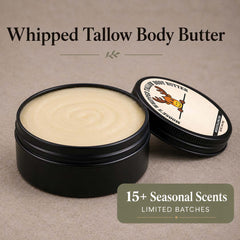
We build our baby products on properly rendered local beef suet tallow, with fractionated coconut oil as the stable carrier oil that resists oxidation and absorbs cleanly. Every batch is handmade in small runs in Lebanon, Pennsylvania.
- No water fillers, no long ingredient lists to decode
- Fractionated coconut oil chosen for shelf stability over heavier vegetable oils
- Ingredients like vitamin E and jojoba included with a purpose, not for the label
A Note on Patience and Realistic Expectations
Watching flakes cling to your baby’s scalp feels bigger than it is. Progress is usually slow and uneven, and that is normal, not a sign you are doing something wrong. Small, steady steps, oiling, brushing, rinsing, protect the skin far better than one aggressive session ever could. Keep your log, stay consistent, and call your pediatrician the moment something looks off.
— Brian Smith
Gentle Aftercare With Moose’s Tallow Baby Products
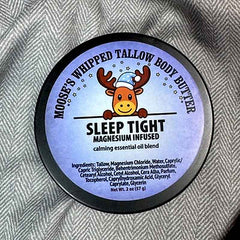
Moose’s Tallow is the alternative to lotions built on water and fillers. Our baby line skips the fifty-two-ingredient label entirely and sticks to what actually supports skin. Once your baby’s scalp is clean and calm after a wash, a light layer of our Natural Tallow Baby Butter with Calendula & Chamomile can help support skin comfort as a simple cosmetic moisturizer, never a treatment. For the diaper area, our Baby Bum Butter with Tallow & Zinc follows the same water-free, minimally diluted approach.
The products are handmade in small runs, with every ingredient chosen carefully and without olive, avocado, or shea butter filler oils. If a product does not work for your baby, check for the guarantee policies provided by the seller. Browse the full baby and family collection to see what fits your routine.

Sources
This guide leans on clinical guidance from trusted pediatric sources, not opinion.
This article is general information, not a substitute for advice from a qualified doctor. Consult a qualified healthcare professional about your own circumstances before acting on anything here.
FAQ
What Is the Root Cause of Cradle Cap?
Cradle cap likely comes from leftover maternal hormones causing extra oil production on a newborn’s scalp, with a yeast called Malassezia sometimes involved. It is not caused by poor hygiene or anything a parent did.
Is Cradle Cap a Gut Issue?
No clinical source ties cradle cap to gut health or digestion. It is a scalp condition linked to oil glands and hormones, not something tied to what your baby eats or digests.
Will Coconut Oil Get Rid of Cradle Cap?
Coconut oil can work as a mild pre-wash softener, similar to other gentle oils, but it will not clear cradle cap on its own. You still need to shampoo and rinse thoroughly afterward to remove the loosened scales and leftover oil.
Can Breast Milk Cure Cradle Cap?
Breast milk is a popular home suggestion, but there is no clinical basis for it clearing cradle cap. The routine that actually helps is oil softening, gentle brushing, and a mild baby shampoo followed by a full rinse.
What Does Moose’s Tallow Recommend for Baby Skin After Bathing?
Moose’s Tallow’s baby products are meant for cosmetic moisturizing after the scalp is clean, not for treating cradle cap itself. The Natural Tallow Baby Butter with Calendula & Chamomile is formulated with water-free, minimally diluted ingredients for everyday skin comfort.
0 comments