
If you’ve tried countless eczema creams and lotions without relief, you might be surprised to learn that one of the oldest skincare ingredients is making a comeback. Beef tallow, the rendered fat from cattle, has been used for generations to soothe and protect skin. Yet confusion surrounds its effectiveness and safety for eczema. Some swear by its barrier-repairing properties, while dermatologists caution about potential risks. This guide cuts through the noise with scientific evidence, expert insights, and practical application tips. You’ll discover how tallow’s unique fatty acid profile supports eczema skin, when it’s safe to use, and how to integrate it into your routine for genuine relief.
Table of Contents
- Key takeaways
- Understanding tallow’s unique fatty acid profile and eczema
- Evaluating the science: evidence and expert perspectives on tallow for eczema
- How to safely use tallow for eczema: application and precautions
- Comparing tallow to common eczema emollients and oils
- Explore quality tallow skincare products
- Frequently asked questions
Key Takeaways
| Point | Details |
|---|---|
| Sebum like fatty acids | Tallow contains fatty acids that closely resemble human sebum and help replenish the skin’s natural lipid barrier. |
| Limited but promising evidence | Current research lacks large trials but suggests safety and lipid replenishment benefits for eczema. |
| Pore clogging risk | Pore clogging and irritation can occur on damaged skin, and product quality and method of use matter. |
| Apply on damp skin | Apply tallow to damp skin and perform a patch test to avoid adverse reactions. |
Understanding tallow’s unique fatty acid profile and eczema
What makes tallow stand out among natural skincare ingredients is its remarkable biochemical similarity to human skin. Tallow’s fatty acid profile closely mimics human sebum, containing palmitic acid at 24-28%, along with stearic and oleic acids. This composition isn’t random. It enables tallow to integrate seamlessly into your skin’s lipid barrier, the protective layer that keeps moisture in and irritants out.
For eczema sufferers, this matters enormously. Eczema-prone skin typically has a compromised barrier with depleted ceramides and fatty acids. When you apply tallow, you’re essentially giving your skin the raw materials it needs to rebuild and strengthen this protective layer. The result is reduced transepidermal water loss, the scientific term for moisture evaporating through damaged skin.
Here’s what each major fatty acid contributes:
- Palmitic acid (24-28%): Reinforces the skin barrier and helps retain moisture
- Stearic acid (12-26%): Provides structure and stability to the lipid matrix
- Oleic acid (37-43%): Enhances absorption and delivers anti-inflammatory properties
- Myristic acid (2-5%): Supports barrier function and penetration of other nutrients
The following table shows how tallow’s composition compares to human sebum:
| Fatty Acid | Tallow (%) | Human Sebum (%) |
|---|---|---|
| Palmitic | 24-28 | 20-30 |
| Stearic | 12-26 | 10-15 |
| Oleic | 37-43 | 35-45 |
| Linoleic | 2-3 | 5-10 |
This similarity means tallow doesn’t feel foreign to your skin. It absorbs readily and works with your body’s natural processes rather than against them. Unlike synthetic emollients that sit on the surface, tallow penetrates to deliver nutrients where they’re needed most.
Pro Tip: Always choose grass-fed tallow for optimal fatty acid quality. Grain-fed cattle produce tallow with a less favorable fatty acid ratio and potentially higher inflammatory omega-6 content. The difference in nutrient density is substantial and directly impacts how well the product supports your skin barrier.
Evaluating the science: evidence and expert perspectives on tallow for eczema
Before you rush to cover your eczema in tallow, you need to understand what science actually says. The honest answer is that research on tallow for eczema remains limited. No large-scale randomized controlled trials have specifically tested tallow as an eczema treatment. What exists are scoping reviews, animal studies, and extensive anecdotal reports showing biocompatibility and lower irritancy compared to mineral oils.
This evidence gap creates a dilemma. On one hand, generations of people have used tallow-based balms for skin conditions with success. On the other, modern dermatology demands rigorous clinical proof before recommending treatments. The result is cautious optimism mixed with legitimate concerns.
Animal studies provide some encouraging data. Research on wound healing and skin barrier function shows that tallow-based formulations support lipid replenishment and reduce inflammation markers. These studies suggest tallow may help restore the skin’s natural defense mechanisms, which is exactly what eczema skin needs.
However, dermatologists raise valid concerns:
- Comedogenicity: Tallow has a moderate pore-clogging potential, rated around 2 out of 5
- Contamination risk: Poorly rendered or stored tallow can harbor bacteria
- Individual variability: What works for dry eczema may worsen inflammatory or infected patches
- Lack of standardization: No regulated dosing or application protocols exist
“While tallow’s fatty acid profile theoretically supports barrier repair, the absence of controlled clinical trials means we cannot definitively recommend it as a first-line eczema treatment. Patients should approach with caution, especially those with concurrent acne or active skin infections.”
The reality is that tallow versus plant oils each have trade-offs. Tallow offers superior barrier repair potential but carries moderate comedogenic risk. Plant oils like jojoba provide lighter hydration with less pore-clogging but may not replenish lipids as effectively.
For dry, non-infected eczema patches, tallow shows genuine promise. The lipid compatibility means it can soothe and protect without the synthetic additives that often trigger reactions. But if your eczema involves weeping, infected areas, or you’re prone to acne, tallow may not be your best choice. The key is matching the product to your specific skin condition and monitoring how your skin responds.
How to safely use tallow for eczema: application and precautions
Knowing how to apply tallow correctly makes the difference between relief and disappointment. The application method matters as much as the product itself. Apply tallow on damp skin post-cleanse for optimal absorption and occlusion. This technique locks in moisture while delivering fatty acids deep into the skin barrier.
Follow these steps for safe, effective tallow application:
- Cleanse your skin gently with lukewarm water and a mild, fragrance-free cleanser
- Pat skin until slightly damp, not completely dry
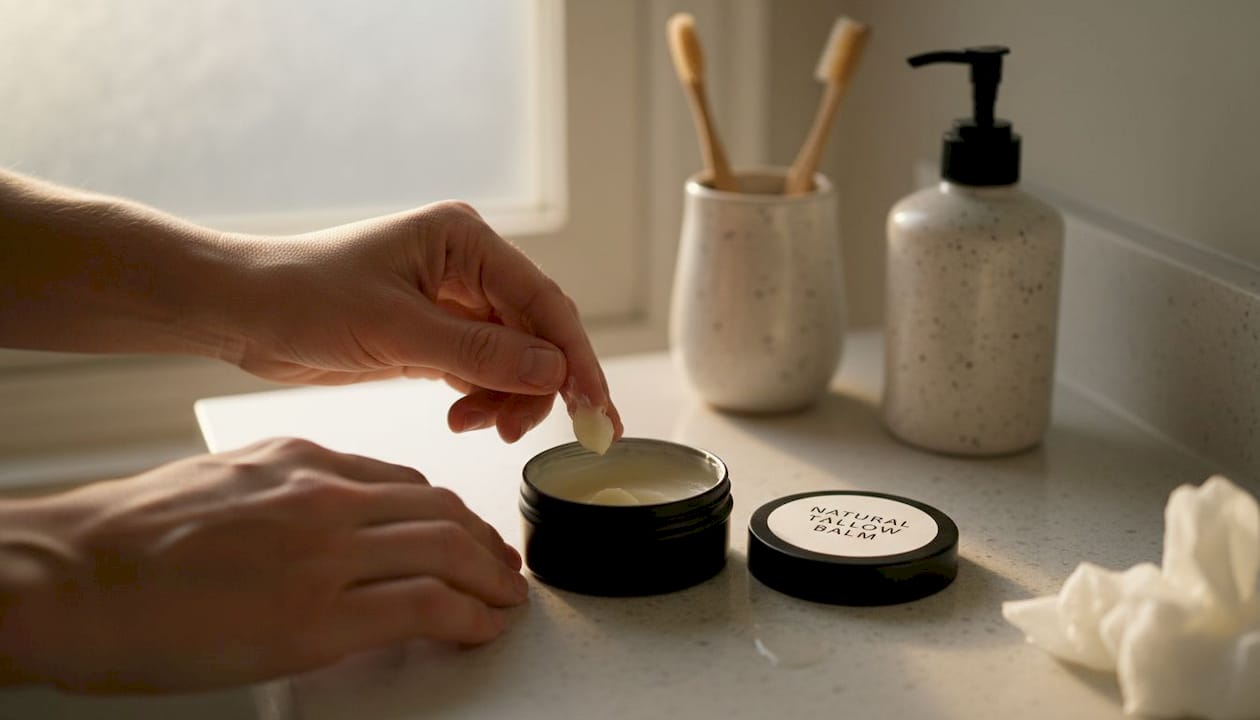
- Scoop a small amount of tallow balm and warm it between your palms
- Apply a thin, even layer to affected areas using gentle, circular motions
- Allow 2-3 minutes for absorption before dressing
- Repeat twice daily, morning and evening, for consistent barrier support
The damp skin technique is critical. Water on your skin surface helps tallow spread more easily and creates an occlusive seal that prevents moisture loss. If you apply to bone-dry skin, you won’t get the same hydrating benefit.
Key precautions to follow:
- Always patch test on a small area for 24-48 hours before full application
- Avoid applying to open wounds, weeping eczema, or infected skin
- Skip areas prone to acne or folliculitis
- Choose grass-fed, pure tallow without synthetic additives or fragrances
- Store in a cool, dry place to prevent rancidity
- Discontinue immediately if you notice increased redness, itching, or breakouts
Pro Tip: Product quality cannot be overstated. Poorly rendered tallow may contain protein residues that trigger immune reactions or bacterial contamination that worsens inflammation. Look for products from reputable sources that use proper rendering techniques and third-party testing. The difference between high-quality and low-quality tallow is night and day in terms of both safety and effectiveness.
For the patch test, apply a dime-sized amount to your inner forearm or behind your ear. Monitor for any signs of irritation, redness, or itching over the next two days. If your skin stays calm, you can proceed with broader application. This simple step prevents turning a small area of eczema into a widespread reaction.
If you’re building a tallow skincare routine for sensitive skin, start slowly. Use tallow on one or two small patches for a week before expanding to larger areas. This gradual approach lets you gauge your skin’s response and adjust as needed. Remember, even natural ingredients can cause reactions in some people.
When choosing a natural tallow moisturizer, read ingredient lists carefully. The best formulations keep it simple: grass-fed tallow, perhaps a complementary oil like jojoba or olive, and maybe vitamin E for stability. Avoid products with long lists of additives, essential oils, or synthetic fragrances that can irritate eczema-prone skin.
Comparing tallow to common eczema emollients and oils
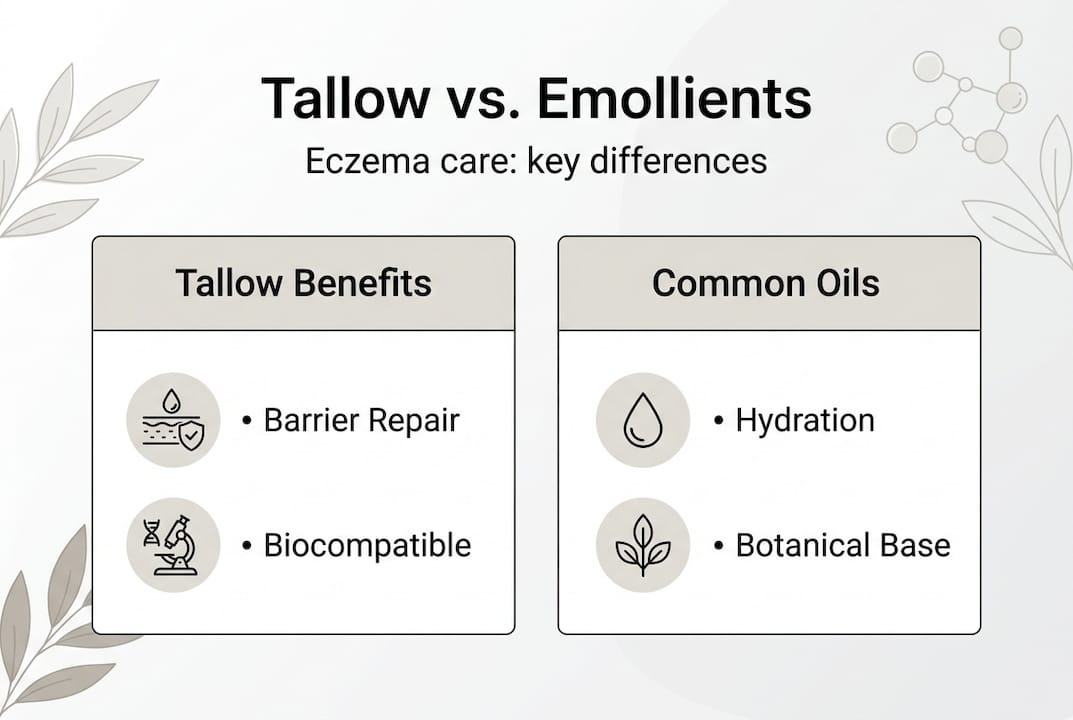
Understanding where tallow fits among eczema treatment options helps you make informed decisions. Each emollient brings different strengths and limitations to the table. The following comparison shows how tallow stacks up:
| Emollient | Hydration | Comedogenic Rating | Biocompatibility | Contamination Risk |
|---|---|---|---|---|
| Beef Tallow | High | 2/5 (Moderate) | Excellent | Low (if properly rendered) |
| Coconut Oil | Moderate | 4/5 (High) | Good | Very Low |
| Jojoba Oil | Moderate | 2/5 (Moderate) | Very Good | Very Low |
| Mineral Oil | High | 0/5 (None) | Poor | Very Low |
| Shea Butter | High | 0-2/5 (Low) | Good | Low |
Tallow’s standout feature is its biocompatibility. Because it mirrors human sebum so closely, your skin recognizes and utilizes it efficiently. Mineral oil, while non-comedogenic, sits on the surface without providing the barrier-building nutrients eczema skin craves. It hydrates through occlusion alone, not through lipid replenishment.
Plant oils offer a middle ground. Jojoba oil has a structure similar to sebum and absorbs well, but it lacks the full spectrum of fatty acids found in tallow. Coconut oil provides antimicrobial benefits but has a high comedogenic rating that makes it problematic for many eczema sufferers, especially those with combination skin.
Common emollient considerations:
- Mineral oil: Non-irritating and non-comedogenic but offers no nutritional value to skin
- Plant oils: Lighter texture and lower allergy risk but may oxidize faster and provide incomplete barrier support
- Tallow: Superior barrier repair and nutrient density but moderate pore-clogging potential
- Synthetic creams: Often contain preservatives and fragrances that trigger eczema flares
The choice between tallow and creams often comes down to your specific skin needs and tolerance. Tallow works exceptionally well for extremely dry, flaky eczema that needs intensive barrier repair. Its lipid profile supports the skin’s natural healing processes in ways that synthetic moisturizers simply cannot match.
However, tallow safety for eczema comes with caveats. Risks include pore-clogging, potential irritation on severely damaged skin, and bacterial contamination if the product is poorly rendered. These concerns are real but manageable with proper product selection and application technique.
Experts caution against using tallow on infected or weeping eczema, where the occlusive nature could trap bacteria and worsen the condition. Similarly, if you have acne-prone areas mixed with eczema patches, you’ll need to apply tallow selectively to avoid triggering breakouts.
The verdict? Tallow excels at barrier repair and long-term skin health for dry eczema. It’s not a universal solution, but for the right skin type and condition, it outperforms many conventional options. The key is understanding your skin’s specific needs and choosing products accordingly.
Explore quality tallow skincare products
If you’re ready to experience what generations have known about tallow’s skin-nourishing properties, quality matters more than anything. Not all tallow products are created equal. Grass-fed sources, proper rendering, and thoughtful formulation separate effective skincare from disappointing results.
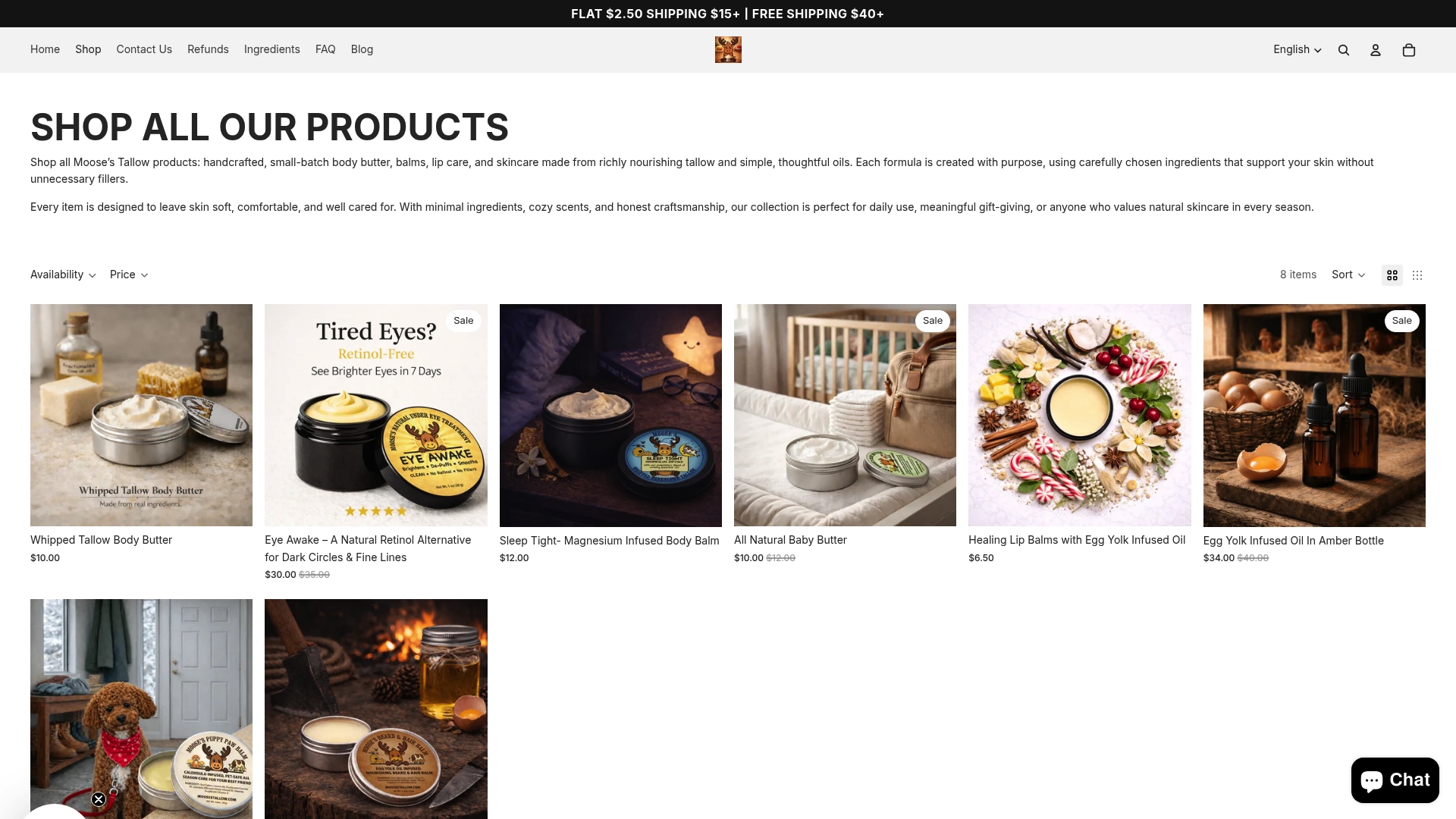
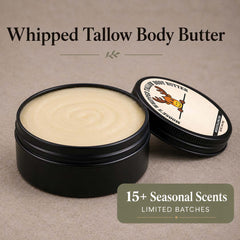
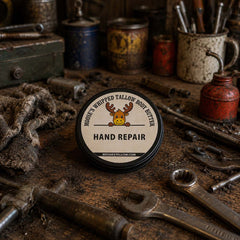
Moose’s Tallow offers carefully crafted, grass-fed beef tallow face cream formulated specifically for sensitive, eczema-prone skin. Each batch is handcrafted in small quantities to ensure purity and potency. The focus is simple: nourishing ingredients that support your skin barrier without unnecessary additives or synthetic fillers that often trigger reactions.
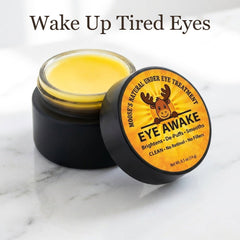
For those seeking complementary skincare benefits, the natural retinol alternative for dark circles provides gentle yet effective care for delicate areas. When you’re building a complete routine around tallow, having products that work together harmoniously makes a real difference.
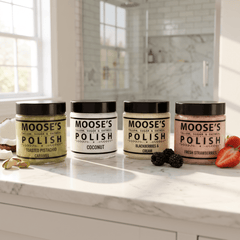
Explore the full range of Moose’s Tallow products to find formulations that match your specific needs. Whether you’re addressing dry patches, seeking all-over moisture, or looking for targeted treatment, there’s a tallow-based solution designed with your comfort in mind.
Frequently asked questions
Is tallow safe for all types of eczema?
Tallow works best for dry, non-inflamed eczema patches that need barrier repair. Avoid using it on weeping, infected, or actively inflamed areas where the occlusive nature could trap bacteria and worsen the condition. Always patch test first and monitor your skin’s response closely.
Can tallow clog pores or worsen acne?
Yes, tallow has a moderate comedogenic rating around 2 out of 5, meaning it can clog pores in some people. If you have acne-prone areas mixed with eczema, apply tallow only to dry eczema patches and avoid areas with active breakouts or large pores.
How do I properly patch test tallow?
Apply a small amount of tallow to your inner forearm or behind your ear. Leave it on for 24-48 hours without washing that area. Check for any redness, itching, swelling, or irritation. If your skin stays calm, you can proceed with careful application to eczema areas.
What if I have a beef allergy?
Beef allergy is rare but serious. If you have a confirmed beef allergy or sensitivity, avoid tallow completely as it comes from cattle fat. Even properly rendered tallow may contain trace proteins that could trigger an allergic reaction. Consider plant-based alternatives instead.
Can tallow replace all my other emollients?
Tallow can be a primary moisturizer for many people with dry eczema, but it shouldn’t necessarily replace everything. Some areas may benefit from lighter oils, and you may still need medicated treatments for flares. Think of tallow as a powerful tool in your eczema management toolkit, not a complete replacement for all skincare.
How long before I see results with tallow?
Most people notice improved hydration within a few days of consistent twice-daily application. Barrier repair and reduction in eczema symptoms typically takes 2-4 weeks as your skin rebuilds its lipid layer. Be patient and consistent with application for best results.


0 comments