

For most health-conscious shoppers, deodorant cream is the gentler pick for odor control on sensitive skin. Choose a stick with an antiperspirant active if you need sweat control, since format alone does not stop sweat. Either way, the ingredient list matters more than whether it comes in a tub or a tube.
TL;DR:
- Cream deodorants typically offer gentler, more controlled application suitable for sensitive skin, with fewer fragrances and ingredients like baking soda.
- Antiperspirant sticks rely on aluminum compounds and are favored for travel and convenience, but format does not influence their sweat-blocking effectiveness.
- Choosing between formats depends more on lifestyle preferences, such as travel or reapplication habits, than on differences in odor or sweat control performance.
- Both cream and stick deodorants perform similarly in odor control when they contain the same active ingredients, but sweat reduction requires an aluminum-based antiperspirant active.
- Water-free, tallow-based deodorants prioritize ingredient transparency and skin safety, offering options for sensitive skin with minimal or no fragrance or baking soda.
Pros and cons at a glance: cream vs stick
Cream and stick deodorants solve the same problem in different ways. Each has real trade-offs, and your skin type usually decides which one wins.
- Feel: Cream feels richer and melts into skin; stick glides on drier and sets faster.
- Coverage: Cream lets you control exactly how much you apply; stick applies in a fixed swipe.
- Scent intensity: Cream often carries a lighter scent since it skips alcohol-based carriers; stick formulas can feel stronger right after application.
- Travel convenience: Stick wins here. It is solid, spill-proof, and TSA-friendly without extra packaging.
- Mess: Cream requires clean fingers and a few extra seconds; stick is a grab-and-go swipe with no mess.
- Reapply frequency: Both need reapplication by midday in most cases, though this depends more on the active ingredient than the format.
- Sensitive skin: Cream is typically gentler, since you can apply a thin layer and skip the friction of a swipe. Harsh fragrance or baking soda in either format can still cause irritation.
- Packaging: Cream usually comes in a glass or metal jar, which recycles more easily than a multi-part plastic stick tube.
If you deal with razor burn, sensitive skin, or a reaction to past deodorants, cream’s lower-friction application is worth trying first.
How creams and sticks work day-to-day
Cream deodorant asks a little more from you, but the payoff is control. Warm a small amount between your fingers, then press and smooth it into clean, dry underarm skin. A pea-sized amount usually covers both sides. Good cream formulas lean on emollients like fractionated coconut oil and skin-friendly waxes instead of powders, and many skip baking soda entirely, which helps if that ingredient has ever left you red or itchy.
Stick deodorant works by friction. The solid base, often a blend of waxes and oils, glides across skin and leaves a thin film behind. When a stick is labeled “antiperspirant,” it contains an aluminum-based active ingredient designed to physically reduce sweat, not just mask odor. Plain deodorant sticks skip that active and rely on odor-fighting ingredients instead. Packaging matters too: a sturdy twist-up tube travels well, but cheap plastic can crack in a bag.
Whichever format you choose, a few habits help both perform better. Apply to clean, dry skin so the product has a clear surface to bond to. Skip application on broken, freshly shaved, or irritated skin. Wash your hands after applying cream, since fingers pick up residue that can transfer to clothing or your face.

What to read on labels and how regulation affects claims
Not every “deodorant” on the shelf does the same job, and the label tells you why. The FDA classifies ordinary deodorants as cosmetics, meant to reduce or mask odor. Antiperspirants that claim to reduce sweat are regulated differently, under an OTC drug monograph that defines which active ingredients are allowed and how they must be labeled. If sweat control is your goal, look for an active ingredient on the label, not just the word “antiperspirant” on the front.
The American Academy of Dermatology advises applying deodorant only where odor starts, and avoiding fragranced products on sensitive areas. More coverage does not mean better odor control.
Watch for these label red flags:
- Heavy fragrance near sensitive or already-irritated skin.
- Baking soda if you have reacted to it before.
- Vague preservative terms with no explanation of what they are.
The FDA also recommends storing cosmetics away from extreme heat and discarding any product that changes in smell, color, or texture.
Decision checklist: pick by goal, skin type, and ingredients
Start with one question: do you need to reduce sweat, or just control odor? Learn more about incorporating το αντηλιακό στην ρουτίνα προσώπου to support healthy skin while choosing your deodorant. If sweat is the issue, you need an antiperspirant active, in either format. If odor is the main concern and you want to avoid aluminum, a deodorant cream or stick works.
From there, walk through this short checklist:
- Check your skin sensitivity. If you react to fragrance or baking soda, look for free-from formulas first.
- Read the full ingredient list. Fewer, named ingredients are easier to evaluate than long, vague ones.
- Think about travel habits. Frequent flyers often prefer a solid stick for convenience.
- Decide on scent strength. Cream tends to wear lighter; stick can feel stronger on application.
- Consider how often you will reapply. If midday touch-ups are unlikely, pick the format that lasts longest for you personally.
Before buying, check the product page for a full ingredient list, not just marketing terms like “natural” or “clean.”
Pro Tip: Patch-test any new deodorant on your inner arm for two days before switching your daily routine.
Why our water-free tallow approach is a practical option for sensitive-skin shoppers
Founder Brian Smith started making tallow-based products after reading a lotion label with 52 ingredients, water listed first. That moment shaped how we build everything now.
Every formula starts with properly rendered local beef suet tallow, paired with fractionated coconut oil as our preferred carrier oil. We choose it for its stability, resistance to oxidation, and easy absorption, qualities that matter when a product sits in a warm bathroom or a gym bag. We never dilute with water, and we skip olive, avocado, shea, or other vegetable oils common in “natural” formulas.
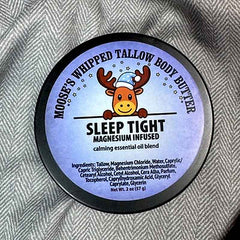
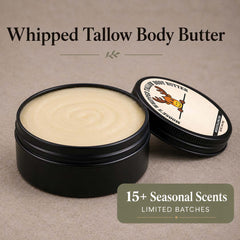
For sensitive skin, our baking-soda-free deodorant balm is built without the ingredient most likely to cause irritation. We also offer unscented options for anyone avoiding fragrance on tender skin, alongside body butters that support the same skin-barrier goals across your whole routine.
Direct comparison of cream vs stick for odor control and sweat control
Odor control and sweat control are two separate jobs, and neither cream nor stick format automatically wins at both.
For odor control alone, cream and stick perform similarly when they share the same active ingredients. Consumer Reports testing found that ordinary deodorants generally mask odor, while performance differences come down to the formula, not whether it is packed into a jar or a tube. A good cream with odor-neutralizing ingredients can perform similarly to a stick with the same ingredients.
Sweat control is a different story. Neither format reduces sweating unless it contains an antiperspirant active ingredient, typically an aluminum compound. A fragrance-free cream with no active ingredient will not stop sweat any more than a plain stick will. If sweating is your main concern, look for “antiperspirant” and aluminum-based active on the label, no matter the format.
In short, pick your format based on feel, skin sensitivity, and convenience. Pick your active ingredient based on whether you need odor control, sweat control, or both.

Whether format affects antiperspirant function (role of active ingredients)
Format does not change how an antiperspirant active works. What matters is contact time and coverage, not the vehicle delivering it.
A stick antiperspirant glides on as a thin, even layer, which can make for consistent coverage with each swipe. A cream antiperspirant, applied with fingers, can sometimes deliver a thicker or thinner layer depending on how much you use. Consumer Reports notes that format differences mainly affect the application experience, texture, coverage, and perceived scent strength, rather than how well the same active ingredient performs underneath.
That means the real variable is the concentration and type of active ingredient, not whether you are using a jar or a tube. Products with the same aluminum compound at similar concentration usually perform similarly, though texture may differ.
If you are comparing two antiperspirant products, check the active ingredient name and percentage before worrying about format. That number tells you more about expected performance than the packaging ever will.
Storage, shelf life, and when to discard
Deodorant cream and stick formulas both have a working shelf life, and both can go bad before the jar says so.
The FDA recommends storing cosmetics away from extreme heat and direct sunlight, since high temperatures can break down oils and preservatives faster. A cream deodorant left in a hot car is more likely to separate or change texture than one stored at room temperature. Stick formulas are generally more heat-resistant because of their wax content, but they can still soften or sweat in extreme heat.
Discard any deodorant, cream or stick, if you notice a change in smell, color, or texture. That is the FDA’s general guidance for cosmetics, and it applies here: a sour smell or an oily separation usually means the formula has broken down.
Water-free formulas tend to resist this kind of breakdown longer than water-based lotions, since there is no water content for bacteria to grow in. Still, check the product’s own guidance for a general use-by window, and keep lids tightly closed to limit air exposure between uses.
Cost comparison and value for money between cream and stick formats
Price comparisons between cream and stick deodorant depend more on brand and ingredient quality than on the format itself.
A basic drugstore stick and a basic drugstore cream often sit in a similar price range. Where the real cost difference shows up is in ingredient sourcing. A deodorant built on properly rendered tallow, fractionated coconut oil, and named actives like beeswax and jojoba typically costs more per unit than a mass-market stick padded with fillers and water.
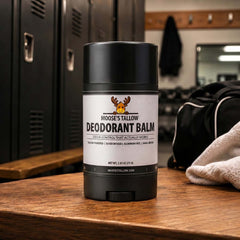
Our own Tallow Deodorant Balm runs from $20 as part of our deodorant line. That price reflects small-batch production and a short, intentional ingredient list rather than a long filler list stretched to lower the per-unit cost.
Value for money is less about cream versus stick and more about what you are paying for. A cheap product with vague ingredients may cost less upfront but deliver less skin-barrier support and more irritation risk over time. A pricier formula built on fewer, better ingredients often lasts just as long per application, since you are not compensating for weak performance with reapplication.
Common user preferences and lifestyle suitability
Lifestyle usually decides this choice faster than ingredients do. Frequent travelers tend to prefer stick deodorant for one simple reason: it is solid, sealed, and unlikely to leak in a toiletry bag. A cream in a jar needs careful packing and clean fingers, which is harder to manage mid-trip.
People with an established morning routine at home often prefer cream, since the extra ten seconds of application is not a dealbreaker, and the control over how much product goes on is worth it for sensitive skin.
Gym-goers and anyone reapplying midday tend to favor sticks for speed: a quick swipe over a shirt sleeve beats digging out a jar in a locker room. Parents managing a child’s sensitive skin often lean toward cream, since a thin, controlled layer is easier to apply gently than a swipe from a stick.
None of these preferences are universal. The honest answer is that lifestyle fit matters as much as the ingredient list, and the best format is the one you will actually use consistently, on clean, dry skin, every day.
Founder perspective on ingredient minimalism and transparency
Skin does not need fifty ingredients. It needs the right ones, chosen on purpose.
I started this brand after reading my own lotion label and not recognizing most of it. Water was first, and the rest read like a chemistry quiz. That bothered me enough to start rendering tallow myself and building formulas from scratch. Every batch we make is small and handmade. If baking soda or fragrance has ever bothered your skin, our unscented and baking-soda-free options are worth a try.
— Brian Smith
Where to view our deodorant and related products
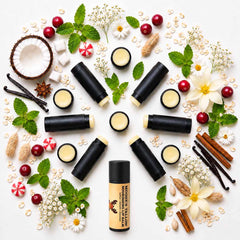
If cream’s gentler application sounds right for your skin, our deodorant line is built around that exact idea: water-free, tallow-based, and made without fillers.
- Water-free base: Every deodorant starts with properly rendered local beef suet tallow, never diluted with water.
- Aluminum-free odor control: Our deodorant focuses on odor control rather than sweat-blocking actives.
- Sensitive-skin options: Baking-soda-free and unscented versions are available for reactive skin.
Browse our Tallow Deodorant Balm or see the full deodorant and body care collection. Every order ships with a 30-day guarantee, so you can try it on your own skin with no risk.
FAQ
Is Lume cream or stick better for sensitive skin?
This depends on the specific formula’s ingredients rather than the brand alone. In general, cream formats allow more controlled, gentler application on sensitive underarm skin than a stick’s friction-based swipe.
What is the most effective form of deodorant?
Effectiveness depends on the active ingredient, not the format. For odor control, cream and stick perform similarly when they share the same ingredients, while sweat control requires an aluminum-based antiperspirant active in either format, according to Consumer Reports testing.
Which is better, stick or gel deodorant?
Stick deodorant applies as a solid swipe and travels well, while gel deodorant goes on wet and dries down, which some people find cooling. Neither format is inherently more effective; the active ingredients inside determine odor and sweat performance.
Does cream deodorant work better than roll-on?
Cream and roll-on deodorants can perform similarly for odor control if they use the same active ingredients, since the delivery method mainly changes texture and application feel. Cream typically offers more control over how much product you apply, which can help on sensitive skin.
Sources
- Using cosmetics safely | FDA
- Should I use whole-body deodorant? | AAD
- Do sweat-minimizing products work? | Consumer Reports
- OTC Monograph: Antiperspirant Drug Products for OTC Human Use | FDA
0 comments